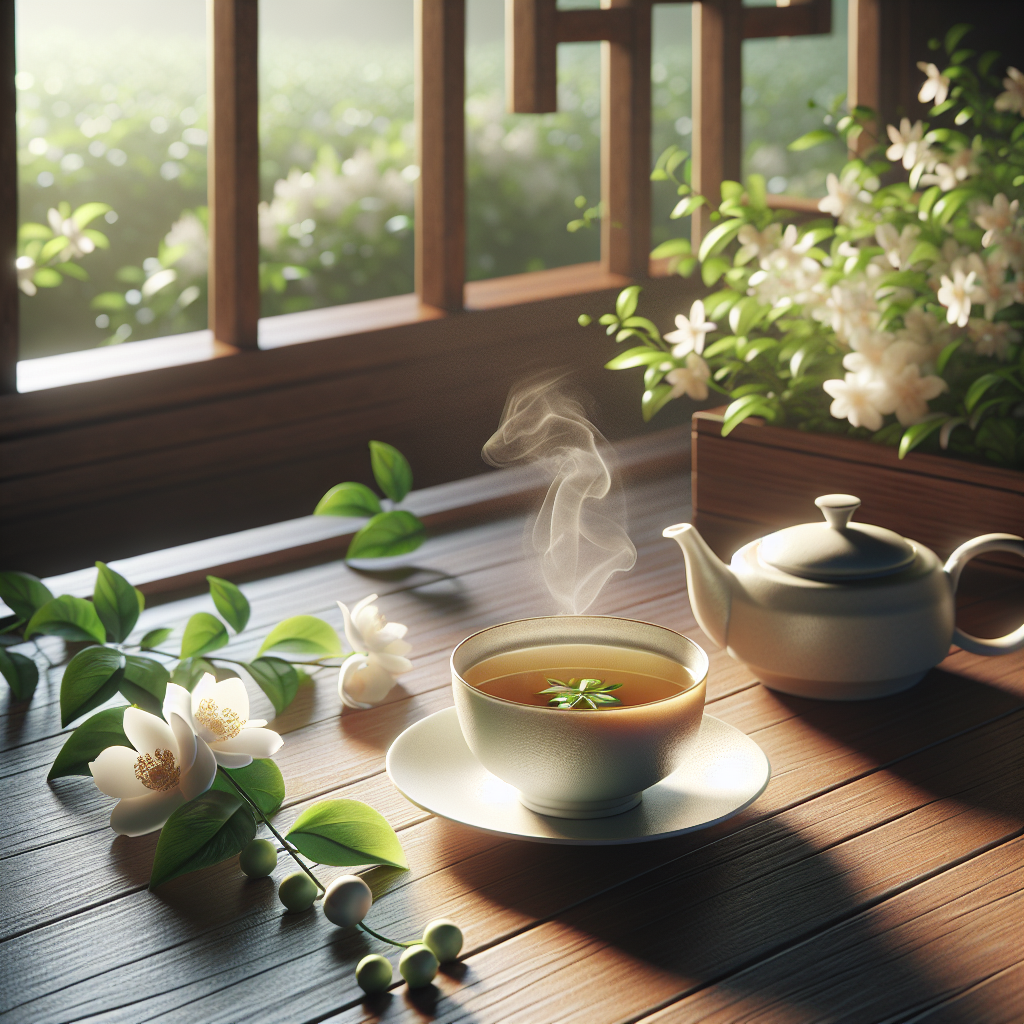
Inviting and aromatic, jasmine tea stands as one of the most cherished floral blends in the world of tea. Its gentle scent and balanced taste have made it both a daily comfort and a moment of luxury for centuries. Whether steeped in a delicate porcelain pot or enjoyed on a quiet evening, it captures the essence of mindfulness and tradition in every cup. This article explores its flavor notes, preparation techniques, and the small nuances that can elevate your enjoyment from ordinary to exceptional.
Making and tasting jasmine tea is an art form that connects people with nature and ancient Chinese craftsmanship. The scenting process is meticulous, marrying high-quality green or white tea leaves with fresh jasmine blossoms to yield a brew that entices the senses. Understanding this tea from leaf to cup is not just about appreciating flavor—it’s about exploring culture, sensory intelligence, and the gentle rituals that surround it. The following sections guide you through everything from expert tasting notes to selection advice, pairing ideas, and preservation tips for lasting freshness.
The Origins and Cultural Significance of Jasmine Tea
The story of jasmine tea dates back to the Song dynasty, where the art of scenting tea was first refined in China’s Fujian province. Combining the lightness of green tea with the intoxicating aroma of jasmine flowers, the process symbolized harmony between earth and blossom. In ancient tea ceremonies, jasmine blends represented elegance and hospitality. Today, the practice continues, though modernization has introduced efficiency into the blending process without sacrificing quality.
Throughout history, jasmine tea was exchanged as a diplomatic gift and cherished as a symbol of serenity. Its popularity spread across Asia and later to the West, where connoisseurs and casual drinkers alike appreciated its floral sweetness and smooth texture. Learning about its origin deepens one’s understanding of the craftsmanship behind each leaf, reinforcing why this beverage remains timeless.
Traditional Scenting Process of Jasmine Tea
The core of authentic jasmine tea lies in its scenting method. Fresh jasmine blossoms are layered over dried tea leaves, allowing the tea to absorb their natural fragrance overnight. The flowers are replaced several times to ensure a deep infusion of aroma. Depending on the tea master’s goal, this can be repeated up to eight or nine times to achieve the desired intensity.
- **Selection of blossoms:** Jasmine flowers used are typically harvested early in the day and stored carefully until evening when their fragrance peaks.
- **Absorption and drying:** Tea leaves absorb the floral oils overnight, and the blossoms are removed before re-drying the tea to preserve balance.
- **Quality control:** Temperature, humidity, and storage times influence the final balance between sweetness and earthiness in jasmine tea.
Artisanal producers still rely heavily on manual processes, creating teas with remarkable character. In contrast, mass-produced versions often use artificial essences, losing the complex interplay that natural scenting creates.
Regional Varieties and Types
Jasmine tea varies across regions and bases. The most classic blend, Jasmine Dragon Pearl, uses hand-rolled green tea leaves wrapped delicately to preserve aroma. Fujian and Guangxi provinces are the main production centers in China, while Taiwan and Vietnam have developed unique versions using local techniques. White, oolong, and occasionally black tea bases also appear, each delivering slightly different textures and strength.
Jasmine Green Tea — The Classic Choice
Among all types, jasmine tea made from green tea remains the most iconic. It offers a bright, verdant flavor complemented by floral sweetness. Expert tasters often note a lingering honey-like finish and subtle umami. The light oxidation allows the jasmine scent to remain dominant, creating harmony between leaf and blossom.
Jasmine Silver Needle — Refined and Delicate
This white tea version of jasmine tea uses tender buds from the Silver Needle variety. The result is lighter, sweeter, and more ethereal. With minimal processing, the natural silkiness of white tea amplifies the jasmine note, producing a cup that feels soft and clean. Connoisseurs enjoy this with minimalist snacks to let the aroma fully unfold.
Jasmine Oolong — Balanced and Aromatic
Oolong-based jasmine tea introduces roasted undertones that interplay beautifully with jasmine’s bright fragrance. This variant bridges green and black teas, offering moderate body and a rounder mouthfeel. It’s a wonderful choice for those who appreciate depth without bitterness.
Expert Tasting and Flavor Notes
Evaluating jasmine tea involves more than taste; it engages the nose, tongue, and mind. Tea sommeliers describe a perfect cup as balanced, layered, and comforting. True jasmine aroma feels natural—never perfumed or overwhelming—and should rise gently from the cup. Understanding these notes enhances appreciation beyond casual sipping.
Profile Analysis
- Aroma: Freshly bloomed jasmine, balanced with hints of sweet grass or spring leaves.
- Taste: Lightly sweet, vegetal, and honeyed. Some may notice a faint creamy texture when cooled.
- Finish: Clean, with lingering floral hints that fade softly.
Each harvest differs slightly, meaning even two packages of jasmine tea can have distinct profiles. Expert tasters pay attention to clarity of aroma and mouthfeel consistency. Premium blends often feature a layered complexity that develops as the brew cools, revealing nutty or mineral undertones.
Matching Jasmine Tea with Food
Because of its floral and refreshing notes, pairing jasmine tea with food requires sensitivity. Dishes that are lightly spiced, savory, or sweetly subtle work best. Overly bold flavors can mask its elegance.
- **Best pairings:** Dim sum, steamed seafood, jasmine rice, and almond-based pastries.
- **Sweet options:** Macarons, sponge cakes, or lychee fruits complement its floral base.
- **Avoid:** Heavy sauces or bitter greens that overpower the tea’s grace.
How to Brew Jasmine Tea to Perfection
Brewing jasmine tea correctly is essential to unlocking its best qualities. Temperature control, steeping duration, and water quality all contribute to the final flavor. Too hot, and the tea turns bitter; too cool, and aroma underdevelops.
Preparation Guide
To brew a satisfying cup, use filtered water and porcelain or glass — materials that don’t absorb scent. A good rule for most jasmine tea varieties involves 80–85°C (175–185°F) water and a steeping time of 2–3 minutes. Shorter infusions yield delicate results, while longer ones deepen body and sweetness.
Step-by-Step Brewing Technique
1. Warm your cup or teapot to maintain heat balance.
2. Use 1 teaspoon of jasmine tea per cup.
3. Pour hot water gently over the leaves.
4. Cover and steep for 2 minutes (adjust based on preference).
5. Strain and enjoy without additives to taste the pure balance of tea and flower.
Advanced brewers sometimes perform multiple short infusions—known as “gongfu style”—to appreciate evolving layers. Each infusion reveals slightly different jasmine intensity and tea structure.
Health Benefits and Mindful Enjoyment
Studies and traditional Chinese wisdom suggest that jasmine tea offers potential benefits such as antioxidants, minor stress relief, and digestive support. Its caffeine content is usually lower than black tea but enough to bring gentle alertness. The natural fragrance also aids relaxation, making it suitable during mindful breaks or meditative rituals.
Health-conscious drinkers enjoy jasmine tea for hydration with purpose. Green tea bases contribute catechins that counter oxidative stress, while the jasmine scent may reduce heart rate or anxiety through aromatherapy effects.
More reading on how other teas impact well-being can be found on World Tea News and in the Tea Chemistry Foundation, both offering verified insights into tea science and cultivation.
Storage, Quality, and Sustainability
To keep jasmine tea fresh, store it in airtight containers away from light and odors. The floral aroma fades quickly with exposure. Tin or opaque glass jars in a cool, dry place are ideal. Experts recommend buying in smaller quantities and replenishing every few months for peak experience.
Eco-conscious consumers should check sustainability labels or sourcing transparency from producers. Many small farms in Fujian now emphasize pesticide-free cultivation and ethical labor practices, contributing to cleaner, more authentic tea production.
Learn more about eco harvesting and production principles at teastory.blog/tea-cultivation and explore ceremonial uses from teastory.blog/tea-ceremonies, where traditional and modern practices converge beautifully.
Common Mistakes When Preparing Jasmine Tea
Even experienced drinkers can mishandle jasmine tea. Common pitfalls include oversteeping, using boiling water, or pairing it with incompatible flavors. Paying attention to water type and teaware eliminates most inconsistencies.
- Using tap water with chlorine dulls its floral profile.
- Boiling water damages aromatic compounds in jasmine petals.
- Storing near spices contaminates scent integrity.
These simple adjustments bring dramatic improvement. Patience in brewing equals excellence in taste.
Modern Twists and Recipes
Today, jasmine tea inspires creative applications beyond the teacup. Bartenders and chefs integrate it into syrups, cocktails, and desserts. Cold-brewed jasmine infusions create refreshing bases for summer beverages, while concentrated reductions flatter desserts like panna cotta or sorbet.
Jasmine Tea Latte
A popular modern favorite: steep strong jasmine tea, then blend with steamed oat or almond milk. The result is creamy but aromatic, combining floral sweetness with milky smoothness. Add a hint of honey for balance, not sugar, to preserve subtlety.
Cold Brew Variation
To cold brew jasmine tea, immerse leaves in cold water and refrigerate for 6–8 hours. This process yields a softer sweetness and zero bitterness. Serve over ice with citrus zest for a contemporary refreshment.
Presentation Tips
Use clear glasses to showcase color gradation—from pale gold to amber—symbolic of refinement. Pair with light snacks like sesame crisps or dried fruit for texture contrast.
Visual Appreciation and Senses
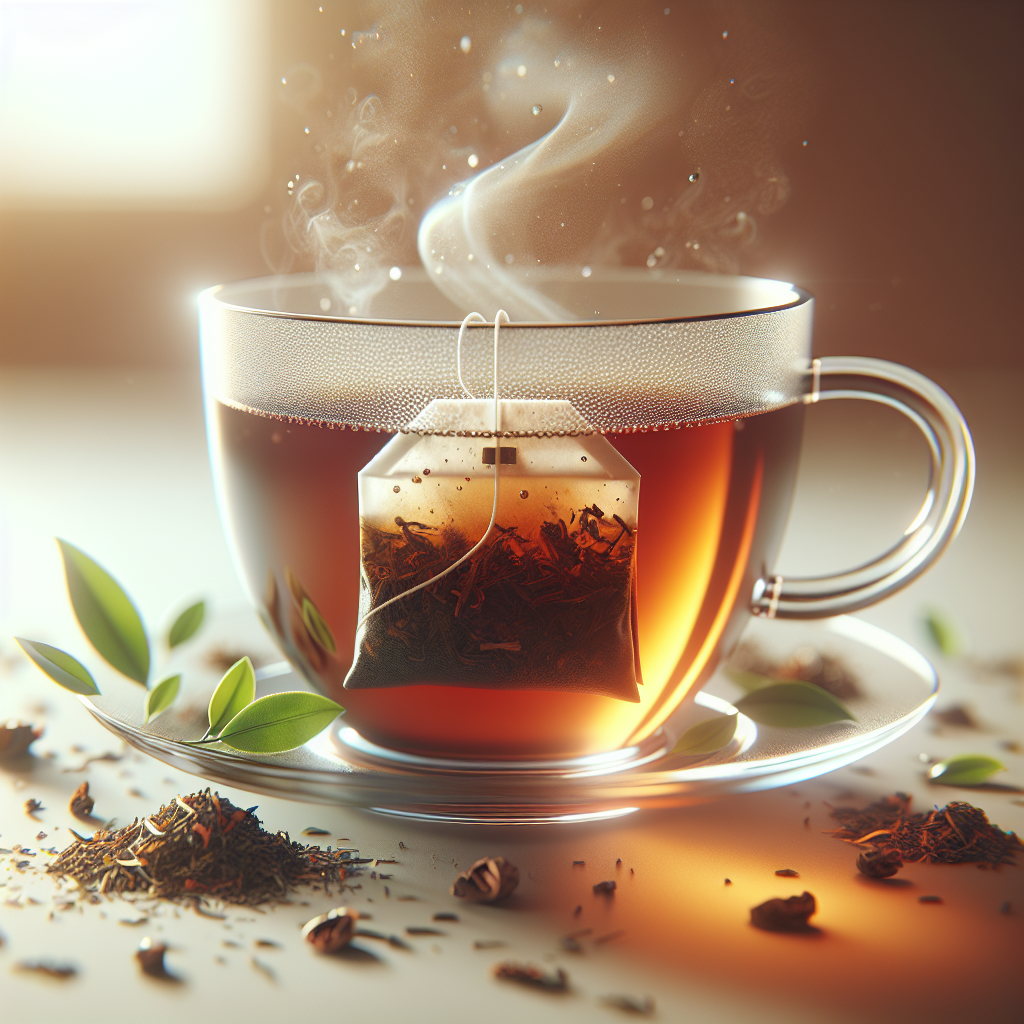
Taste is only one dimension of jasmine tea; visual and olfactory cues complete the experience. The infusion’s golden clarity and the rising aroma together define sensory enjoyment. Many enthusiasts photograph their brews for color reference and artful presentation.

Mindful Drinking
Sipping jasmine tea slowly heightens perception. Notice how aroma lingers on the cup rim before each taste. This awareness transforms routine into ritual. Many mindfulness practitioners incorporate this act into daily meditations as it stabilizes attention and centers emotions.
Frequently Asked Questions
What makes jasmine tea unique compared to other floral teas?
Jasmine tea stands out because it blends true tea leaves, typically green or white, with real jasmine blossoms. The scenting process is elaborate and repeated multiple times, capturing a balanced fragrance that feels natural rather than perfumy. Other floral teas often rely on additives or synthetic essences. Jasmine’s gentle sweetness and signature aroma create a meditative experience that calms the nervous system while stimulating the palate, making it distinct among classic aromatic brews worldwide.
Is drinking jasmine tea daily healthy?
Yes, moderate daily consumption of jasmine tea is considered beneficial. It supplies antioxidants, supports gentle metabolism, and has a calming aroma that may lower anxiety levels. The green tea base provides mild caffeine, promoting mental alertness without overstimulation. However, like any beverage containing caffeine, balance matters; limiting intake to several cups per day is ideal. Enjoying it freshly brewed amplifies its soothing qualities and keeps hydration steady, especially for those substituting sugary or carbonated drinks.
Can jasmine tea be brewed multiple times?
Quality jasmine tea, particularly whole-leaf versions, can indeed be steeped multiple times. Each infusion releases slightly different characteristics: initial brews offer bright floral intensity, while later ones reveal mellow sweetness. To enjoy this fully, use shorter steep times initially, extending them slightly with each rebrew. Avoid squeezing the leaves or letting them sit submerged, as that can turn the flavor bitter. High-grade teas maintain integrity through three to five infusions, proving both economical and sustainable.
Where should jasmine tea be stored for best freshness?
Store jasmine tea away from sunlight, air, and moisture in airtight containers. Because its scent fades easily, avoid keeping it near spices or strong-smelling foods. Ideal storage environments are cool and dark, such as a pantry shelf away from heat sources. Premium teas come packaged in nitrogen-sealed pouches, prolonging lifespan. Glass jars with tight lids can work if kept in cupboards. Refresh supply every few months for peak aroma and natural sweetness retention in each brew.
Does jasmine tea contain caffeine?
Most jasmine tea contains moderate caffeine levels, as its base stems from green, white, or oolong leaves. While gentler than coffee, it still provides mild alertness. The caffeine amount varies depending on leaf type and steeping duration. Generally, 8 ounces of jasmine green tea contains about 20–30 milligrams of caffeine. Those sensitive to caffeine can reduce exposure by choosing white tea varieties or shorter steeping times. Evening drinkers often switch to decaffeinated options to preserve restful sleep cycles.
What temperature water should be used for jasmine tea?
For optimal taste, jasmine tea should be brewed between 80–85°C (175–185°F). Higher temperatures risk burning the tea leaves and losing delicate floral notes, while lower temperatures may lead to a dull cup. Using a small thermometer or electric kettle with temperature settings ensures accuracy. Some teas require experiment-based adjustment, especially when switching between green and oolong bases. Precise water control allows aroma molecules and antioxidants to dissolve gracefully, producing a silky mouthfeel and balanced finishing sweetness.
Can jasmine tea be combined with other ingredients?
Yes, creative blending with fruits or herbs enhances jasmine tea’s unique charm. Lemon peel, mint, and lychee are complementary choices that highlight floral tones without overpowering them. For desserts, pair it with honey or vanilla for natural sweetness. However, restraint is key—too many ingredients mask jasmine’s purity. Whether served hot or iced, combining moderate flavors allows both aroma and flavor to coexist harmoniously, maintaining the soothing yet refreshing quality that defines this heritage beverage globally.
How does jasmine tea influence relaxation and mood?
The scent of jasmine tea contributes to relaxation through its natural aromatic compounds, which can affect the limbic system. This subtle effect fosters calmness and mental clarity, explaining why it’s often served during reflective activities or after meditation sessions. The light caffeine provides mental alertness, while floral molecules release soothing sensations. Regular drinkers report reduced tension and longer concentration spans during work or creative thought. It’s an accessible ritual that brings warmth, stillness, and emotional balance in simplicity.

Leave a Reply