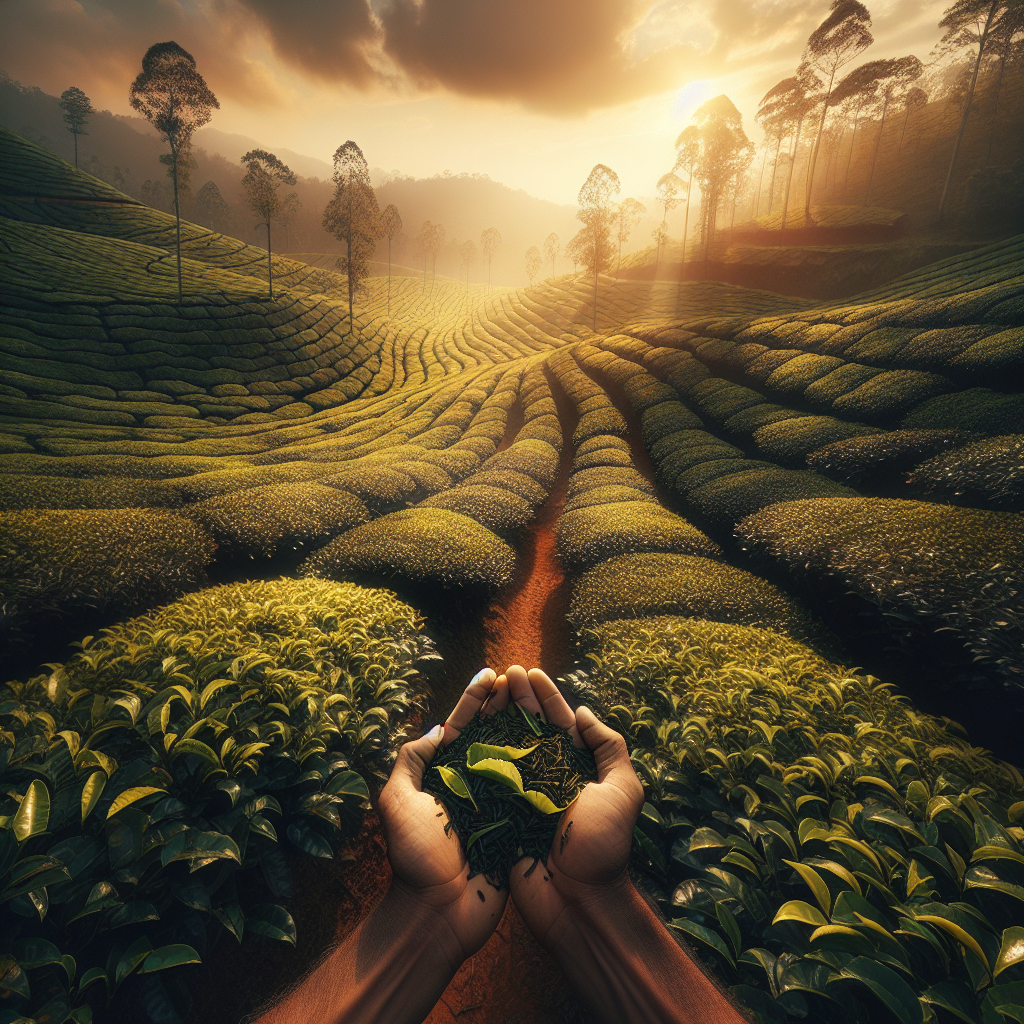
Green tea has long been celebrated for its soothing aroma and health-promoting properties. In India, this delicate beverage is now blending deeply into daily wellness routines and tea culture alike. As people look for natural ways to stay energized, detoxify, and improve focus, understanding the best green tea in India becomes essential. More than just a drink, green tea is an experience shaped by geography, craftsmanship, and tradition. In this article, we’ll dive into what makes certain brands and regions stand out, practical tips for choosing and brewing, and expert insights to elevate your tea journey.
Whether you’re a beginner looking for your first perfect cup or a seasoned enthusiast seeking premium quality, knowing the best green tea in India can transform your perspective on tea entirely. We’ll explore timeless growing regions like Assam, Nilgiris, and Darjeeling, as well as modern producers specializing in organic cultivation and sustainable packaging. Each sip tells a story — of soil, climate, and passion for leaves that stir the senses and calm the spirit.
Understanding What Defines the Best Green Tea in India
India’s connection with tea runs deep, but green tea occupies a special place for its health appeal and subtle complexity. To identify the best green tea in India, we must first understand several factors that influence its quality. These include cultivation methods, leaf variety, oxidation levels, freshness, and the art of processing. A fresh, well-balanced green tea has nuanced flavors, clean notes, and a naturally light aftertaste.
Origins and Regional Influence
India’s geography offers diverse conditions that shape the taste of green tea across different terrains. Each region brings distinctive qualities that make identifying the best green tea in India a delightful exploration.
- Darjeeling: Often called the “Champagne of Teas,” Darjeeling green teas are prized for their light floral notes, smooth astringency, and crisp body. They tend to have a gentle aroma with hints of nuts and fruit.
- Assam: This region produces bold, full-bodied green teas, often deeper in color with a robust aroma. Ideal for drinkers who enjoy strong flavor and brisk energy.
- Nilgiris: Nestled in South India, Nilgiri green teas are fragrant, smooth, and naturally sweet. Their refreshing flavor works beautifully for both hot brews and iced blends.
Each region contributes to the vast tapestry of the best green tea in India, ensuring that every preference, from earthy depth to floral brightness, finds a satisfying match.
Leaf Quality and Harvest Time
The freshness of the harvested leaf is central to flavor and aroma. The best green tea in India comes from gardens that hand-pluck tender leaves — typically the top two leaves and a bud. First flush harvests (early spring) yield delicate teas with floral brightness, while second flush teas add complexity with fruity undertones. Always check packaging for information on harvest season and production date, as freshness intensely impacts taste.
Why Indians Are Choosing Green Tea
Green tea’s rise across India signifies a major shift toward mindful living. People now favor beverages that combine enjoyment with health benefits.
Health Benefits Backed by Science
When we talk about the best green tea in India, we also refer to its verified health contributions. Studies from global sources like Nature and Harvard Health confirm that green tea contains antioxidants such as catechins that reduce inflammation, improve metabolism, and support heart health. Regular consumption may also enhance brain function and reduce the risk of certain chronic conditions.
- Promotes alertness without excessive caffeine crash.
- Supports fat oxidation during exercise.
- Helps manage cholesterol levels and blood sugar balance.
May Help Manage Blood Sugar
Emerging research, especially from Chinese studies, suggests that daily green tea consumption might have a beneficial effect on blood sugar levels. While promising, more evidence is needed to establish a direct link. Still, for those seeking better blood sugar control, including green tea as part of a balanced routine can be a gentle, supportive choice.
In essence, choosing green tea is as much about embracing a healthy lifestyle as it is about enjoying a soothing, flavorful cup.
What about weight loss?
Green tea’s reputation as a fat burner is well-known, and it does help boost metabolism to a degree. However, it’s important to keep expectations grounded—the effect on actual weight loss is relatively modest. While green tea can aid fat oxidation (especially when paired with exercise), it is not a miracle solution for shedding pounds. Rather, its benefits are best appreciated as part of a balanced lifestyle, offering gentle metabolic support alongside a host of other wellness perks.
Whether you’re seeking a mindful daily ritual or a healthy beverage to complement your routine, the best green tea in India delivers more than just a soothing cup—it’s a small but meaningful step toward holistic well-being.
Mental Wellness and Daily Rituals
Brewing green tea has become part of modern wellness rituals. The calming aroma helps people pause in a fast-paced world. When selecting the best green tea in India, one also chooses an invitation to mindfulness — a simple act of self-care wrapped in warmth.
Key Criteria for Selecting the Best Green Tea in India
With various brands flooding the market, identifying authentic and high-quality green tea can feel overwhelming. These practical tips simplify the process.
Check for Whole Leaves, Not Dust
Loose-leaf formats typically guarantee higher quality than tea bags since they preserve essential oils and aroma. The best green tea in India often appears as rolled or twisted whole leaves with a slightly glossy sheen — a sign of careful processing.
Opt for Fresh, Recent Harvests
Green tea loses vibrancy over time. Always check for recent production dates and airtight packaging. Vacuum-sealed packs stored away from light and moisture retain flavor longer. Artisanal brands tend to mention the specific picking season, making it easier to choose the freshest options.
Look for Transparency and Origin
Brands that trace leaves to specific estates are usually more trustworthy. Many sellers of the best green tea in India now provide QR codes detailing farm origin and practices. Always prefer those emphasizing ethical sourcing and pesticide-free cultivation.
Brewing the Perfect Cup
Even the best green tea in India can taste bitter if poorly brewed. Mastering the immersion process ensures every flavor note shines through naturally.
Ideal Temperature and Steeping Time
Avoid boiling water directly on the tea leaves. Instead, heat water to about 80°C (176°F). Steep two grams of tea per cup for 2–3 minutes. Oversteeping often releases tannins, leading to unwanted bitterness.
Enhancing Flavor Experience of the Best Green Tea in India
For a refined experience, try experimenting with additions such as jasmine petals, lemongrass, or mint from local Indian gardens. These subtle infusions elevate fragrant notes without overpowering the delicate base taste. You can also cold-brew overnight for a refreshing summer option served with minimal ice. Remember that the quality and freshness of the base tea determine the success of any recipe enhancement.
Popular Brands Offering the Best Green Tea in India
Several Indian brands now excel in crafting high-quality green teas suited for diverse preferences. Here are some that consistently garner trust and recognition.
Tata Tea and Brooke Bond’s Premium Range
Both household names blend tradition and innovation. Their green teas are accessible, with light body and balanced aroma. For everyday drinkers, they represent an affordable gateway into India’s evolving green tea culture.
Typhoo & Twinings India
Internationally inspired yet locally available, these brands have carved their niche by emphasizing purity and consistency. They offer both green tea bags and loose-leaf varieties prized for stability in quality.
Tea Trunk, Vahdam India, and Udyan Tea
These newer brands redefine the artisan approach. Handcrafted blends from these producers often feature organic certification and regional identity. Many tea sommeliers consider them driving forces behind the best green tea in India today.
For insights into how traditional cultivation impacts flavor, explore Tea Cultivation Chronicles for a deeper appreciation of ethical growing practices.
Packaging, Storage, and Sustainability
Packaging plays a large role in preserving freshness. The best green tea in India brands are moving away from plastic wraps toward biodegradable and tin-based containers with airtight seals. Environmentally sustainable practices also add to overall brand credibility and customer satisfaction.
Storage Tips for Maintaining Quality
After opening, always store green tea in opaque containers. Avoid glass jars that expose leaves to light and moisture. Keeping tea stored below 25°C helps maintain its full aroma and antioxidant power for longer durations.
Pairing and Enjoyment
The real charm of discovering the best green tea in India lies in how it aligns with food. Green tea pairs beautifully with lighter fare such as steamed vegetables, sushi, and fruit salads.
Morning and Evening Pairings
Start your day with Darjeeling or Nilgiri green tea for energy, then finish evenings with herbal green blends that combine lemongrass or tulsi for relaxing digestion. Balanced pairings enhance flavor depth while delivering health benefits.
Serving Aesthetics with the Best Green Tea in India
Presentation uplifts perception. Use ceramic or glass teapots to showcase the hue and clarity of infusion. Add a slice of lemon or drizzle of honey to create a pleasant twist. Elevating serving aesthetics transforms a simple cup into a mindful ritual celebrating heritage and simplicity.
Emerging Trends and Consumer Preferences
The Indian green tea market continues to innovate. Health-savvy urban audiences prefer natural, sugar-free infusions. Artisanal brands are focusing on small-batch blends made from pesticide-free tea gardens. Online platforms now offer customizable green tea subscription boxes, letting consumers try top estate selections each month.
Fusion and Flavored Varieties
Fusion blends — think basil-green or chamomile-green tea — are expanding rapidly. They appeal to those seeking novelty without compromising on authenticity. Leading producers of the best green tea in India are investing in research that blends traditional brewing logic with global flavor inspiration.
Digital Influence and Community Learning
Tea appreciation is flourishing online through expert-led sessions and tasting events. Visit Tea Ceremonies in India to understand how cultural nuances refine modern interpretations of green tea practices. Social platforms feature Indian tea lovers sharing stories, recipes, and brewing techniques that help people connect and learn collectively.
Distinctive Qualities of Popular Green Tea Brands in India
When it comes to choosing the best green tea in India, each brand brings something special to the table—from flavor innovation and sourcing prowess to diverse packaging formats. Here’s a closer look at what sets some top brands apart:
- Twinings is legendary for its legacy and purity. Their green teas come in classic and delicately infused varieties, ensuring a consistently smooth, balanced taste. Whether you lean towards a traditional cup or crave nuanced notes like jasmine or lemon, Twinings’ focus on leaf quality shines through in every sip.
- Lipton emphasizes universal appeal and refreshing zest. Their proprietary blends pair green tea with lively flavors such as honey and lemon, delivering a cup that’s bright and naturally sweet without added calories. For those new to green tea, Lipton’s approachable, antioxidant-rich offerings are an accessible entry point.
- Tata Tea’s 1868 range stands out with bold, vibrant infusions inspired by India’s culinary tapestry. Expect innovative combinations like rose, paan cardamom, and mango chili, making even the most hesitant green tea drinker an enthusiast. Their blends celebrate regional ingredients and flavor creativity, bringing a contemporary twist to the traditional leaf.
- Tetley is synonymous with consistency and convenience. Their individually packed tea bags ensure freshness, sealing in aroma and flavor. The taste leans pure and crisp, perfect for newcomers or anyone who prefers straightforward, reliable green tea without the risk of bitterness.
- Vahdam offers a transparent farm-to-cup experience with a strong focus on ethics and sustainability. Their collection includes both loose leaf and tea bags, crafted from high-altitude Himalayan teas. Minimal processing preserves natural antioxidants and delicate flavors. Vahdam’s sampler packs encourage exploration through a spectrum of signature blends.
- Organic India introduces herbal wellness by combining certified organic green tea with tulsi (holy basil). The result is a gentle, aromatic brew with herbaceous undertones, ideal for those seeking mildness along with centuries-old health traditions. Their blends strike a harmonious balance between flavor and function.
- Typhoo sources from reputed estates in India and Nepal, delivering bright, grassy teas with low bitterness. Their loose-leaf selections highlight freshness and a clean finish. With variants like Moroccan Mint and Lemongrass, Typhoo is a go-to for experimentation—whether you’re brewing hot cups or summer iced teas.
- Goodwyn focuses on single-origin excellence, employing steam-processing techniques that lock in vibrant color and layered aroma. Their blends favor crisp and aromatic profiles, sometimes with a subtle pungency prized by green tea aficionados looking for an authentic, robust experience.
- Newby London elevates gifting and luxury, blending global production standards with a diverse range catering to all palates. Their assortments, including fine senchas and inventive infusions, make thoughtful presents or daily indulgences for discerning tea lovers.
Each of these brands contributes a unique chapter to the evolving story of green tea in India—be it via inventive blends, ethical sourcing, or steadfast quality. This diversity allows every enthusiast to find their signature cup, brewed exactly to preference.
For insights into how traditional cultivation impacts flavor, explore https://teastory.blog/tea-cultivation for a deeper appreciation of ethical growing practices.
Packaging, Storage, and Sustainability
Packaging plays a large role in preserving freshness. The best green tea in India brands are moving away from plastic wraps toward biodegradable and tin-based containers with airtight seals. Environmentally sustainable practices also add to overall brand credibility and customer satisfaction.
How to Evaluate Marketing Claims
Many brands boast about antioxidants and fat-burning properties, but credible labeling separates truth from exaggeration. Authentic producers provide complete nutritional information, lab certification, and organic verification numbers. Transparency reassures that you’re investing in the best green tea in India rather than processed imitations.
Identifying Genuine Organic Certification
Look for certifications such as USDA Organic, India Organic, or Rainforest Alliance to validate sustainable origin. A product missing these indicators may still taste fine but lacks official assurance of purity and pesticide-free cultivation.
Visual Experience and Aroma
The beauty of the best green tea in India also lies in visual appeal. Fresh tea leaves should have a lively hue ranging from pale green to dark emerald. Aroma-wise, a clean vegetal or floral scent suggests well-processed leaves. Flat or burnt smells often indicate over-firing or stale inventory.

Calorie and Caffeine Comparison: Green Tea vs. Coffee and Black Tea
One reason Green Tea is an increasingly popular choice? It’s incredibly light on calories. A typical cup, enjoyed plain and unsweetened, contains less than three calories—making it the ideal companion for those seeking a comforting beverage without worry about calorie intake.
When it comes to caffeine content, Green Tea stands out for its gentle lift. A standard cup contains around 20-30 mg of caffeine—substantially less than a similar serving of Black Tea (roughly 47 mg) or Coffee (close to 95 mg). This means Green Tea offers a mild, balanced boost without the jitters or dramatic crashes that sometimes follow stronger caffeinated drinks. As a result, it’s perfect for sipping throughout the day, fitting seamlessly into health-conscious routines.1
Conclusion: Rediscover the Serenity of the Best Green Tea in India
The renewed Indian enthusiasm for green tea marks a return to mindful living where tradition, health, and craftsmanship unite. From the crisp mountain mists of Darjeeling to the vibrant plains of Assam, every leaf narrates a tale. With careful selection, proper brewing, and sustainable storage, you can unlock remarkable flavor and nourishment. When you next savor your cup, remember it’s more than a beverage — it’s a celebration of calm, purity, and India’s continued dialogue with nature through tea.
Frequently Asked Questions
What makes the best green tea in India different from other regions?
India’s unique topography and diverse climates lead to varied soil compositions, affecting flavor complexity. The best green tea in India differs due to minimal oxidation and the artisan skill applied during processing. While Japanese teas emphasize umami, Indian green teas highlight a naturally brisk and floral tone, often layered with earthy sweetness. Additionally, regions like Darjeeling and Nilgiris provide distinct altitudes and rainfall, producing leaves with exceptional depth and aroma that remain unmistakably Indian in identity.
Which brands are recognized for delivering the best green tea in India?
Reputed names include Vahdam Teas, Tea Trunk, Udyan Tea, and traditional players like Tata Tea and Twinings India. Each specializes in diverse leaf grades and flavor profiles. Many combine local sourcing with modern packaging to ensure global freshness and authenticity. Choosing among these depends on budget, preferred flavor strength, and whether you prefer single-estate teas or curated blends. Experimenting with samples helps identify which aligns best with your wellness goals and taste expectations.
Is loose-leaf or bagged format better for the best green tea in India?
Loose-leaf teas offer richer flavor because leaves remain intact, preserving natural oils. However, bagged teas add convenience, especially for beginners. The best green tea in India available in loose-leaf form delivers fuller aroma, smoother finish, and higher nutrient retention. That said, premium brands now use pyramid-shaped bags allowing more leaf expansion, reducing steeping inconsistencies. If storage space allows, loose-leaf remains ideal for those eager to appreciate authentic flavor and nuanced aroma layers.
How should I brew the best green tea in India to avoid bitterness?
Always maintain water temperature below boiling at about 80°C and avoid steeping for over three minutes. Excessive heat or steeping releases tannins that cause harshness. For gentler results, use filtered water and steep in pre-warmed cups. The best green tea in India responds well to precision and patience; proper timing ensures a naturally sweet aftertaste. It’s better to experiment in small batches to match your taste intensity rather than overbrewing initially.
Are flavored blends part of the best green tea in India collection?
Yes, many top-tier brands experiment with natural flavors like jasmine, tulsi, lemon, and ginger to create exciting profiles. These blends add new dimensions without compromising authenticity. Flavored versions of the best green tea in India cater to younger drinkers and those seeking wellness-focused balance. However, ensure labeling confirms natural flavoring, not artificial essences. Organic flavor infusions can amplify sensory experience while retaining the original antioxidant value and soothing brightness of pure leaves.
Some of the most celebrated options include green teas infused with floral notes like jasmine and rose, fruity hints such as apple, cranberry, mango, and pomegranate, or herbal twists like tulsi and mint. These creative blends are ideal for those who find the earthy taste of pure green tea overwhelming, or simply wish to explore a spectrum of aromas and flavors. Light citrus blends—think lemon and honey—add zest and a touch of sweetness, while spiced variants incorporating cardamom or even chili offer a contemporary, adventurous edge to traditional brews.
Whether you prefer the subtlety of loose-leaf infusions or the convenience of pyramid bags, there’s a flavored green tea to suit every palate. Ultimately, experimenting with these blends can help you discover new favorites and enjoy the health benefits of green Yes, you can absolutely drink green tea every day—and, in fact, many experts recommend it for its array of health benefits. Not only is green tea naturally low in calories, but it’s also loaded with antioxidants that support your body’s daily wellness needs.
Regular consumption enhances metabolism, aids digestion, improves skin clarity, and sustains mental focus. The best green tea in India contains catechins and L-theanine, components that promote calmness alongside alertness. When integrated into balanced diets, it may also contribute to heart well-being, cholesterol management, and stress control. However, benefits multiply only with consistent and mindful use, avoiding excess caffeine or sugar. Ultimately, harmony between consumption and lifestyle boosts long-term impact.
Enjoying a cup or two daily can be a soothing ritual as much as a health practice—just remember that moderation is key. Too much green tea may lead to caffeine-related side effects, so listen to your body and enjoy the subtle rewards that come from making green tea a regular part of your day.
How should the best green tea in India be stored after opening?
To maintain freshness, transfer leaves to airtight containers made of tin or dark ceramic. Avoid moisture and direct sunlight. Storing the best green tea in India under stable temperature conditions keeps its aroma longer. Labeling each container with the opening date helps track freshness cycles. If stored properly, good-quality green tea remains viable for six to eight months, retaining most antioxidants and natural fragrance without deteriorating in color or intensity.
Can I reuse tea leaves from the best green tea in India?
Yes, high-quality green teas allow two or even three infusions, depending on leaf size and origin. The best green tea in India retains flavor across multiple brews when steeping durations are slightly adjusted. The second brew often reveals softer, subtler notes missed the first time. Using lukewarm water between brews prevents bitterness. It’s also an economical and sustainable way to appreciate premium tea without waste.
Which Green Tea Brands Are Suitable for Beginners?
If you’re just setting out on your green tea journey, certain brands make the experience approachable and enjoyable. Look for options that offer mild flavors and consistent freshness—these help ease you into the world of green tea without overwhelming your palate.
Brands recognized for beginner-friendly green teas often package their teas in individual envelopes, which keeps each serving fresh and helps preserve the intended aroma and taste. Many also offer a variety of flavors—think classic green, mint, lemon, ginger, or mango—which adds a playful twist and helps you discover your preferences.
Why do these beginner picks work so well?
- Balanced flavor profiles: Not overly grassy or bitter, perfectly tuned for new taste buds.
- Easy brewing formats: Convenient tea bags or pyramids mean less guesswork in preparation.
- Freshness-focused packaging: Sealed bags prevent oxidation and help ensure your cup tastes as intended.
Sampling these accessible green teas is a stress-free way to make green tea part of your daily ritual, whether you enjoy your cup plain or with a touch of citrus or spice.
What are the Recommended Green Tea Blends and Sampler Kits to Explore
If you’re looking to elevate your green tea journey or simply can’t decide where to begin, sampler kits and curated blends can be a delightful shortcut. They let you experience a variety of flavors, aromatics, and regional styles—often revealing favorites you didn’t know existed.
Some global brands offer sampler packs featuring both loose leaf and convenient tea bags. Look for collections that include classic varietals like Himalayan green, Moroccan mint, and jasmine blossom alongside bolder infusions such as ginger-mint or lemongrass-citrus. These packs are perfect not only for discovering your personal taste but also make thoughtful gifts for fellow tea drinkers.
Popular Varieties to Sample
- Himalayan Green: Delicately grassy and uplifting, often with sweet vegetal notes.
- Ginger Mint or Amla Ginger: For those who crave a spicy, invigorating cup with a hint of herbal coolness.
- Chamomile Mint Citrus: An aromatic blend that’s gentle and soothing, ideal for unwinding in the evening.
- Jasmine Blossom or Green Sencha: Floral-forward classics, light and fragrant, suitable for a calming pause anytime.
- Moroccan Mint: Refreshing and brisk—a tried-and-tested palate cleanser.
Many sampler kits feature about six to ten single-serve varieties, making it easy to compare and find your everyday favorite. Samplers are also a wonderful way to appreciate the subtle artistry behind tea blending, especially when sourced from estates committed to sustainable and ethical cultivation.
When exploring new teas, keep an eye out for kits that specify origin and season on their packaging. Freshness makes all the difference, and brands transparent about their sourcing tend to deliver a more vibrant tasting experience.
Should You Add Milk to Green Tea?
Purists and tea masters alike generally advise against adding milk to green tea. Unlike the robust character of black tea, green tea’s delicate flavors and antioxidants may be masked or diminished when combined with milk. These subtle floral, grassy, and sweet notes are best savored in their natural form, brewed simply with water.
However, if you enjoy creamy tea beverages, consider exploring Japanese 2green tea. Matcha pairs well with milk alternatives, creating café-style lattes while retaining the unique green tea profile. Still, for classic green tea varieties from India, water remains the preferred base to fully appreciate their genuine taste and health benefits.


Leave a Reply