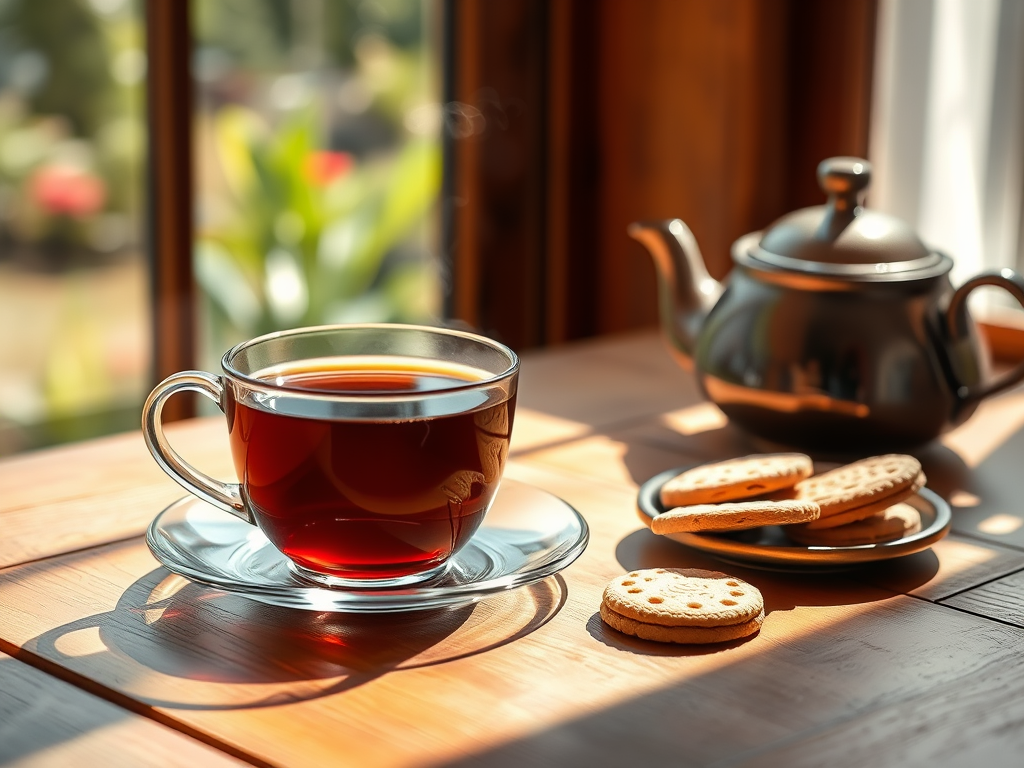
Do you cherish those quiet morning moments with a steaming cup of tea? You’re not alone. Whether it’s the warmth spreading through your hands or the calming aromas filling the air, there’s something special about starting your day with tea. But why does this simple ritual have such a charm? From boosting energy to soothing stress, tea’s magic lies in those humble leaves and their myriad benefits. You’re about to uncover how morning tea not only wakes you up but can also fortify your mind and body. Get ready to discover a refreshing way to start your day, armed with all you need to know about the perfect morning tea rituals.
The History and Evolution of Morning Tea
Morning tea has a rich history. It’s shaped cultures and daily routines for centuries. Let’s explore how it all began and where it’s going.
Ancient Origins and Traditions
Tea drinking started in ancient China over 5,000 years ago. Legend says it was discovered by Emperor Shen Nong when leaves blew into his boiling water. This simple accident led to the cultural phenomenon we experience today.
Cultural Significance Across Regions
Tea ceremonies are vital in places like Japan. These rituals emphasize harmony and respect. In England, morning tea became social during the Victorian era. It was a time for sharing news and enjoying company.
The Introduction to Western Culture
Tea entered Europe in the 17th century. Portugal and the Netherlands were first to introduce it. By the mid-1600s, England adopted tea drinking, revolutionizing its social fabric. This sparked the creation of modern tea culture.
How Morning Tea Traditions Have Changed
Today, tea has adapted to a fast-paced world. Instant teas and tea bags suit busy lives. Yet, some still cherish slow, ceremonial brews that honor tradition. Technology aids in discovering new flavors and origins.
Comparisons with Other Tea Traditions
Morning tea shares similarities with other customs. For example, India’s chai tea mixes spices like cardamom and ginger. In Turkey, tea is a staple of hospitality, served in small, tulip-shaped glasses. Whether it’s chai or Turkish tea, each tradition enriches the global tea tapestry.
Morning tea continues to evolve. Yet, it remains a cherished ritual for millions, connecting us with the past. Enjoying your morning cup means partaking in a tradition rich with history and cultural significance.
Understanding Tea Varieties: Black, Green, Herbal, and More
Choosing the right morning tea starts with knowing your options. Let’s break it down.
Black Tea
Black tea is bold and energizing. It has the highest caffeine among teas. A cup usually has 40-70 mg, keeping you alert without coffee jitters. Earl Grey and English Breakfast are popular choices. Perfect if you need a strong start to your day.
Green Tea
Green tea is lighter with about 20-45 mg of caffeine per cup. It’s rich in antioxidants like catechins. These improve heart health and boost metabolism (according to TeaFame). Matcha is a popular green variety, celebrated for its rich flavor and health benefits.
Herbal Tea
Herbal teas, like chamomile or peppermint, technically aren’t “tea” since they don’t come from the Camellia sinensis plant. They contain zero caffeine. Sip herbal tea if you want morning relaxation without a caffeine kick.
Oolong and White Tea
Oolong tea is semi-fermented, sitting between black and green tea in taste and caffeine. White tea is the least processed, and it offers a soft, delicate taste with low caffeine. Try these if you’re looking for something unique and smooth.
Each tea type offers distinct flavors and benefits. Pick what suits your morning vibes!
Health Benefits of Different Teas
Tea isn’t just tasty; it’s healthy too. Let’s explore some benefits.
For Your Heart
Green and black teas are rich in polyphenols. These antioxidants promote heart health by improving cholesterol levels (Beyourbetteryou.com). Drinking a cup regularly can be heart-smart.
Stress and Mind Boosters
Tea contains L-theanine, an amino acid that calms the mind. Pair it with caffeine, and you get improved focus. It’s ideal for starting the day on a calm note. Black tea, in particular, is known to reduce cortisol, a stress hormone.
Weight and Metabolism
Green tea is famous for boosting metabolism, thanks to catechins. These compounds can aid in fat burning and make weight management easier (Tea Fame).
Adding tea to your morning routine offers more than just caffeine. You get plenty of health perks with every sip.
Caffeine Content and Its Effects
Caffeine wakes you up, but not all teas have the same amount.
Black Tea
Black tea has the most caffeine. It’s great for a quick energy boost. The average cup contains 40-70 mg, perfect if you’re looking to replace coffee.
Moderation with Green Tea
Green tea offers a gentle caffeine lift, around 20-45 mg per cup. It’s lower than black tea, making it great for a milder start.
Herbal Teas
Herbal teas are caffeine-free, so they’re best for natural relaxation. No jitters, just calm.
Feeling groggy? Choose black or green. Want a peaceful morning? Herbal teas are your go-to.
Popular Morning Tea Blends and Brands
Want to try some popular blends? Here you go!
English Breakfast and Earl Grey
These black teas are classics. English Breakfast offers a bold taste, perfect with milk. Earl Grey has a citrusy kick, thanks to bergamot oil. Both are wonderfully invigorating.
Green Matcha
Matcha is finely powdered green tea. It’s popular for its rich flavor and vibrant color. Also, it’s loaded with antioxidants.
Herbal Relaxers
Chamomile and peppermint teas are best for a calm start. Bigelow and Tazo offer quality options you’ll enjoy.
Choose a brand that suits your taste. Some like Harney & Sons offer diverse options for every palate.
Expert Tips for Selecting Quality Tea
Want the best tea experience? Consider these tips.
Check Ingredients
For the best flavor, look for teas with few additives. Pure leaves or whole herbs keep tastes authentic.
Examine Leaf Size
Larger leaves mean better quality. Dust and fannings (tiny particles) often have lesser flavors.
Store Right
Keep tea in airtight containers, away from light and moisture. This helps retain its freshness and taste.
Picking the right tea involves understanding quality. Follow these tips, and savor every sip!
Choosing your morning tea can enhance your start to the day. With these insights, you have all you need to find your perfect cup. Happy sipping!
Essential Brewing Equipment
To make the perfect cup of morning tea, you’ll need some key tools. A quality kettle is a must. It heats water to the correct temperature quickly. An electric kettle with temperature control is ideal for different types of tea. You might also choose a stovetop kettle if you enjoy a traditional feel.
Next, a good teapot is handy. They come in various styles—glass lets you watch the leaves dance, while ceramic retains heat well. Additionally, invest in a fine mesh strainer or tea infuser. This keeps tea leaves from floating in your cup. Lastly, have a timer on hand. This ensures you don’t overbrew your tea, which can make it bitter.
Step-by-Step Guide to Brewing Perfection
Making tea isn’t complicated, but a few steps can enhance your brew. Start by heating your water to the right temperature. For black tea, aim for boiling, around 212°F. Green tea should be lower, around 170-185°F.
Next, measure your tea. Usually, a teaspoon per cup works, but check your package for specifics. Add the tea to your pot or infuser and pour the hot water over. Set your timer based on the tea type; black tea typically needs 3-5 minutes, while green tea needs 2-3 minutes.
Once done, remove the leaves to prevent bitterness. Pour your tea into a cup and enjoy. It’s that simple.
Traditional vs. Modern Brewing Techniques
Traditional brewing often involves loose-leaf tea and a special pot. This method is about savoring the process and flavor. It’s slower, allowing you to focus on each step. Use this method if you enjoy the art of tea-making.
Modern methods include tea bags and single-serve machines. They’re quick and convenient, perfect for busy mornings. Electric kettles with variable temperature settings are part of this trend, helping ensure each type of tea is brewed just right.
How Water Quality Affects Taste
Water quality can make or break your tea. Good water enhances flavor while poor water can dull it. Hard water often contains minerals like calcium and magnesium, which can interfere with tea’s taste.
Use filtered water for the best results. If you don’t have a filter, bottled or spring water can also work. Remember, the best tea deserves the best water.
Troubleshooting Common Brewing Mistakes
If your tea isn’t tasting right, a few tweaks might help. Is it too bitter? Try reducing the brew time. This usually happens when tea steeps too long. If it’s too weak, check the water temperature or add more tea leaves.
If your tea tastes metallic, it might be your water. As mentioned, always use filtered or bottled water to avoid bad flavors. Each cup is an opportunity to perfect your brewing skills. Enjoy the journey!
Classic Morning Tea and Breakfast Pairings
Start your day off right by pairing your morning tea with the perfect breakfast. A classic English Breakfast tea tastes fantastic with buttery toast or scrambled eggs. The tea’s strong flavor complements savory dishes. Pair Earl Grey with a light scone or muffin. The bergamot in the tea enhances the sweetness of baked goods. Looking for something herbal? Chamomile alongside yogurt with fresh fruit is refreshing. The floral notes of the tea balance the tartness of the yogurt. Experiment with these pairings to find your favorite morning combo.
Healthy Snack Options to Complement Your Tea
Pairing tea with healthy snacks can keep you energized. Pair green tea with almond butter on whole-grain toast for a rich, nutty flavor that complements the tea’s earthy notes. Herbal teas, like peppermint, pair well with sliced apples or pears. These combinations not only taste great but are packed with nutrients. Want something savory? Try oolong tea with light rice cakes topped with smoked salmon. The tea’s boldness cuts through the richness of the fish. Snacking smart with your tea can boost nutrition without sacrificing flavor.
Understanding Flavor Profiles
Understanding tea and food flavors helps elevate your morning tea experience. Black teas are robust and bold, matching well with hearty foods like bacon or sausage. Green teas have a grassy, fresh taste that’s perfect with light, steamed foods. Herbal teas are flexible, offering a range of flavors from floral to minty, making them a versatile choice for various snacks. For instance, an herbal lemon-ginger tea pairs beautifully with honeyed oatmeal. Recognizing these profiles helps create harmonious and enjoyable pairings.
Creating a Balanced Morning Meal
Balance your tea and food for a fulfilling morning meal. Choose a complex carb, like whole grains, with protein, such as eggs or nuts. Pair these with a cup of tea like green or black to boost metabolism and mental clarity. For a vegetarian option, try avocado toast with herbal tea. This combination offers healthy fats and refreshing flavors. Keeping meals balanced ensures lasting energy throughout the morning. Mix and match these components to suit your dietary needs and taste preferences.
Cultural Pairing Traditions
Explore traditional tea pairings globally to add excitement to your morning. In Japan, matcha tea often accompanies small, delicate sweets like mochi, balancing its bitterness. In India, chai is paired with spicy dishes like samosas for a delightful burst of flavor. Turkish tea, served in tulip-shaped glasses, is often enjoyed with savory cheese pastries. Trying these cultural traditions can introduce new flavors and enhance your tea experience. Incorporate international pairings to make your morning tea both delicious and educational.
Creating a Personal Morning Tea Ritual
A morning tea ritual can set a peaceful tone for your day. Let’s tailor it to your preferences for a positive start.
Designing Your Ideal Tea Space
Find a cozy spot in your home for tea time. Maybe a sunlit corner or a small nook will do. Add comfortable seating and a small table for your teacup and extras. Whether it’s a floor cushion or a stylish chair, make it your relaxing spot. A vibrant house plant or a favorite book nearby can enhance the atmosphere. The goal is to create a space that feels inviting and relaxed.
Incorporating Mindfulness into Your Tea Ritual
Sip slowly and savor each moment. This isn’t just about drinking tea; it’s about being present. Focus on the aroma, taste, and warmth of your tea. Try breathing deeply between sips to stay mindful and centered. This simple practice promotes relaxation and sets a calm tone for your day.
Time Management: Quick vs. Leisurely Routines
Busy mornings? Opt for a quick brew with tea bags. Use a travel mug if you’re on the move. If you have more time, enjoy a leisurely brew with loose leaves. Play soothing music or enjoy silence while your tea steeps. Both styles offer benefits, so choose what fits your schedule.
Personalizing with Homegrown Herbs or Spices
Add fresh homegrown herbs for a personal touch. Mint, basil, or even lavender can elevate your tea’s flavor. Growing herbs indoors is easy with a sunny window and regular watering. For a spicy kick, try sprinkling cinnamon or ginger. These customizations make your ritual unique and flavorful.
Case Studies: Famous Tea Rituals and Inspirations
Take inspiration from cultural tea practices. Japanese tea ceremonies focus on grace and simplicity. English tea times emphasize social connection with friends. Integrate elements you love into your ritual. You might enjoy setting a specific time or using special cups. These ideas can help you create a meaningful experience.
Creating your morning tea ritual is about finding what brings you joy and peace. Customize it, and make it a cherished part of your day.
Introduction to Global Tea Societies
Tea lovers are everywhere! You can join a tea society to explore and share this passion. These groups celebrate tea culture from Japan to India. Imagine sipping oolong while chatting with international tea experts. The Tea Association of the USA is a renowned society you might consider. They offer events and resources to deepen your tea knowledge.
Local Tea Rooms and Cafes: Hidden Gems
Tea rooms are perfect for enjoying a cozy cup locally. Find a charming cafe, like Tea & Sympathy in New York. It offers a warm vibe with classic English tea. Local spots often serve unique blends you can’t find in stores. Ask the staff for recommendations. They know the best pairings and can enhance your experience.
Online Communities and Tea Forums
Can’t visit in person? No worries! Join online tea communities. Sites like Reddit’s r/tea are great for discussions and tips. You can post a question about brewing methods or share your favorite blend. It’s a fantastic way to connect with other tea aficionados without leaving home.
Annual Tea Events and Festivals
Tea festivals are amazing! They bring together blends from across the globe. Check out the World Tea Expo if you want to sample and learn from experts. These events often include workshops on brewing and tea history. Perfect for discovering new flavors and meeting fellow enthusiasts.
Profiles of Renowned Tea Influencers
Looking for tea inspiration? Follow popular tea influencers. They share insights and tips on the best teas and pairings. Influencers like Lu Ann from The Tea Cup of Life can guide you through a better tea experience. These profiles feature stunning photos and personal stories that make tea feel even more magical.
Exploring tea communities, whether local or global, enhances your morning ritual. Dive into these spaces and discover new tea adventures waiting for you!
Health Considerations and Myths about Tea
Let’s clear up some tea myths and explore real health facts. We’ll help you make smart choices for your morning routine.
Debunking Common Tea Myths
Have you heard that tea is just as dehydrating as coffee? That’s not true! Tea hydrates you while giving a gentle energy boost. Some worry about its caffeine, but tea contains less than coffee. Enjoy your cup without jitters.
Another myth is that green tea can cause weight loss without effort. While it boosts metabolism slightly, it’s not a magic solution. Pair it with a healthy diet and exercise for the best results (source: TeaFame).
Research-Backed Health Benefits
Tea is rich in antioxidants like polyphenols. These help reduce heart disease risks by improving cholesterol levels (Beyourbetteryou.com). Green tea specifically improves metabolism and aids weight management.
L-theanine in tea calms the mind, working with caffeine to enhance focus. Start your day focused and relaxed with a steaming mug.
Considerations for Pregnant or Nursing Individuals
Expecting or nursing? You might wonder about tea’s safety. Moderation is key. Opt for decaf varieties or herbal teas like chamomile, which are caffeine-free. Avoid teas with ingredients like rosemary or fennel, as these might pose risks.
Always consult your healthcare provider for advice tailored to your situation.
Impact of Tea on Dental Health

Tea is generally good for your teeth but could stain them over time. Black tea can cause discoloration, so brush or rinse afterward.
On the plus side, tea contains fluoride, which strengthens tooth enamel. Keep your smile bright with proper dental hygiene.
Understanding Allergies and Sensitivities
Do some teas make you sneeze or itch? You might have a tea allergy or sensitivity. Common culprits include herbal blends with flowers or fruits.
Try single-ingredient teas if you’re sensitive. If symptoms persist, consult a healthcare professional. Your morning ritual should be enjoyable without discomfort.
Choosing the right tea involves understanding both benefits and potential issues. Enjoy your cup wisely and savor each sip.
Let’s wrap things up and steep ourselves into the cozy warmth of morning tea rituals. You’ve journeyed through the captivating history of morning tea, discovered the perfect varieties for your every mood, and mastered the art of brewing. You’ve also explored cultural pairings, crafted a personal ritual, and ventured into local and global tea communities. And let’s not forget the health side—myths debunked and benefits highlighted.
So, why not make your next morning a celebration of calm and connection? Brew that perfect cup, savor its warmth, and create a mindful moment just for you. Engage with the vibrant tea community around you and let this simple ritual enhance your day. What’s your tea story going to be tomorrow morning? Savor the serenity and let each sip start your day with purpose and peace. 🍵
Frequently Asked Questions
What are the health benefits of drinking morning tea?
Drinking morning tea offers several health benefits. It hydrates your body, boosts metabolism, and provides antioxidants that help reduce cell damage. Teas like green and black also support heart health and may enhance cognitive function.
Can drinking tea in the morning help with weight loss?
Yes, certain teas, like green tea, can aid in weight loss. They contain antioxidants such as catechins, which boost metabolism and assist in fat burning. However, tea should be combined with a healthy diet and exercise for the best results.
Is it true that tea has less caffeine than coffee?
Yes, tea generally contains less caffeine than coffee. Black tea has around 40-70 mg of caffeine per cup, while coffee typically has about 95 mg. This makes tea a gentler option for a morning energy boost without the jitters associated with coffee.
Do herbal teas contain caffeine?
Most herbal teas are naturally caffeine-free since they are not made from the Camellia sinensis plant, which is the source of caffeine in traditional teas. Herbal options like chamomile or peppermint are excellent choices for a relaxing caffeine-free morning.
How does tea impact dental health?
While tea can stain your teeth over time, it also contains fluoride, which strengthens tooth enamel. To minimize staining, consider rinsing your mouth with water after drinking. Maintaining good oral hygiene can help keep your teeth healthy.
Can pregnant or nursing individuals safely drink tea?
Pregnant or nursing individuals should consume tea in moderation and are advised to opt for decaffeinated or herbal teas. Always consult with a healthcare provider to ensure that specific teas and ingredients are safe for your situation.
How do I select high-quality tea?
To select high-quality tea, check for minimal additives and look for whole leaves or herbs. Larger leaf pieces are often of better quality. Store your tea in airtight containers away from light and moisture to preserve its freshness.
What are some popular morning tea blends?
Popular morning tea blends include English Breakfast and Earl Grey, both of which are black teas with robust flavors. Green matcha is also popular for its vibrant flavor and high antioxidant content. For a soothing start, try herbal teas like chamomile or peppermint.
How can I create a balanced morning meal with tea?
Pair your tea with a balanced meal by combining a complex carbohydrate, like whole grains, with protein, such as eggs or nuts. Green or black teas can boost metabolism and improve mental clarity, complementing your nutritious meal perfectly.
Are there any myths about tea that need debunking?
Yes, one common myth is that tea dehydrates like coffee, which isn’t true. Tea hydrates while providing gentle energy. Another myth is that green tea alone causes weight loss, but it’s more effective with a healthy lifestyle.



Leave a Reply