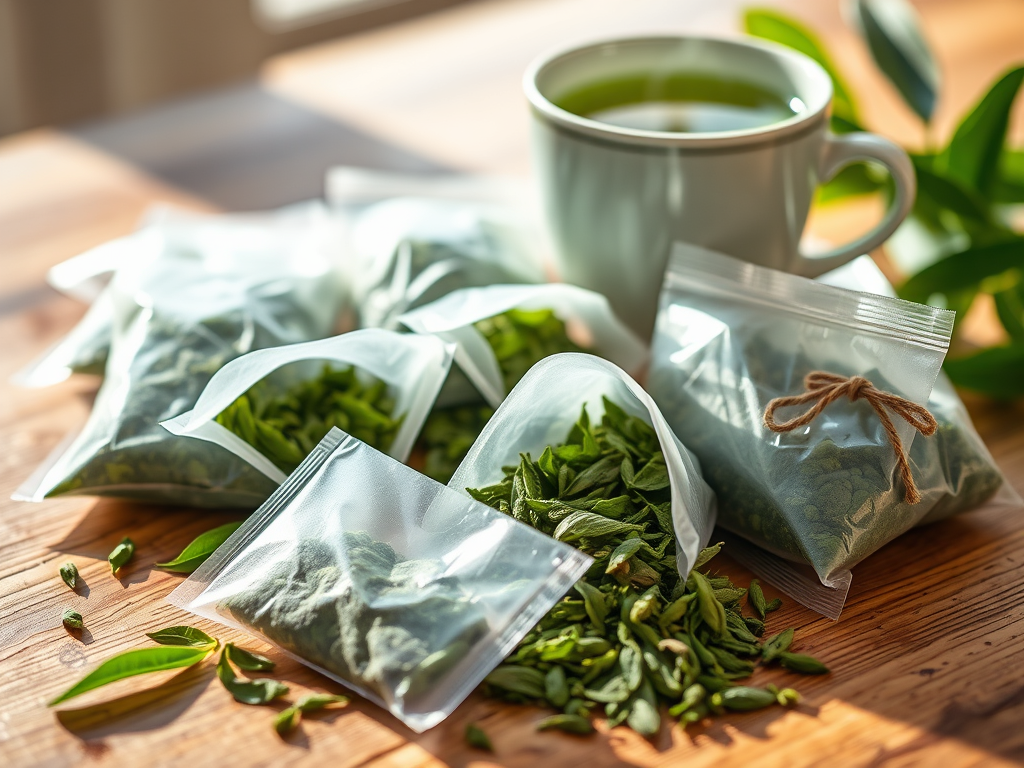
Are you a green tea lover? If “yes,” you’re about to discover some surprising perks. If not, perhaps this will change your mind. Green tea bags are more than just a handy way to brew a hot drink on a chilly day. They’re little powerhouses of health benefits. Imagine sipping your morning cup while knowing you’re doing something fantastic for your heart, waistline, and brain. It’s fascinating, right?
But why choose green tea bags over loose leaves? What makes one better than the other? Plus, have you ever thought about the potential for green tea bags beyond just making tea? Imagine using them for skincare, in your household, or even in the garden! Whether you’re looking to dive into the world of green tea or simply curious about its new uses and benefits, I’ll guide you through it all with clear, practical tips. Let’s unlock the secrets of those tiny tea bags together.
Understanding Green Tea: A Quick Dive
Green tea has a rich history and variety. Let’s explore how it goes from leaf to cup.
History of Green Tea
Green tea has roots in ancient China. It’s been enjoyed for over 5,000 years! Back then, folks believed in its health perks. Fast forward to today, and it’s still a favorite worldwide.
Types of Green Tea and Their Characteristics
Green tea isn’t one-size-fits-all. You’ve got Sencha, Matcha, and Gyokuro, to name a few. Sencha is Japan’s most popular, offering a mild and sweet taste. Matcha, ground into a fine powder, delivers a concentrated flavor. Gyokuro gets shaded before harvest, giving it a rich, complex taste.
From Leaf to Tea Bag: The Processing Journey
Turning fresh leaves into tea bags is an art. First, leaves are plucked and quickly steamed or pan-fired. This prevents oxidation, preserving the vibrant green color. Then, the leaves are dried and either chopped or ground for tea bags. This method locks in flavor and nutrients.
Nutritional Content of Green Tea
Green tea packs a punch nutritionally. It’s loaded with antioxidants, like EGCG (epigallocatechin gallate). These boost heart health and brain function. Plus, green tea offers a small caffeine kick—about 30-50 milligrams per cup. Perfect for a gentle energy boost without the jitters!
Now you know how green tea lands in your cup, ready to sip. Next time you enjoy a cup, you’ll appreciate the journey it’s been on!
The Health Benefits of Green Tea
Green tea isn’t just a soothing drink—it’s a health booster! Let’s explore its benefits. From antioxidants to weight management, green tea can do wonders for you.
Antioxidant Properties and Polyphenols
Green tea shines with antioxidants, mainly catechins like EGCG. These protect your cells from damage. Think of antioxidants as your body’s clean-up crew, sweeping away harmful molecules. According to Healthline, these catechins reduce inflammation and lower chronic disease risks. So, your morning cuppa isn’t just tasty; it’s a protective shield against stress and disease.
Green Tea and Weight Management
Trying to shed some pounds? Green tea might help. It boosts metabolism and enhances fat burning. The magic lies in its caffeine and catechins—your body’s ultimate duo for burning calories. Pair green tea with a balanced diet and exercise for a noticeable impact. Don’t expect it to melt fat on its own but think of it as a helpful push toward your goals.
Impact on Heart Health
Green tea is the heart’s best friend. It can lower LDL (bad) cholesterol and improve blood flow. Drinking around 2 to 4 cups a day may reduce your risk of heart disease, according to Cleveland Clinic. That’s like getting a heart-friendly hug with every sip. Consistent tea time might keep your ticker ticking smoothly.
Green Tea’s Role in Cognitive Function
Ever feel brain fog lifting after tea? That’s no accident! Green tea has L-theanine and caffeine. Together, they boost brain performance and calm your nerves. Picture gaining focus without the jitters of coffee. Studies even suggest regular drinkers have better memory and focus. So next time you need mental clarity, reach for green tea.
Potential Anti-Cancer Properties
Green tea might help fend off cancer, thanks to its polyphenols. These compounds can slow cancer cell growth. Research shows regular consumption may lower risks for certain cancers, like breast and prostate (BBC). While not a cure, it’s a beneficial ally in your wellness routine.
In short, green tea bags aren’t just convenient—they’re powerful. Whether you’re sipping for energy, focus, or well-being, you’re making a healthy choice. So why not brew a cup and drink to your health?
Green Tea Bags vs. Loose Leaf: Pros and Cons
Are you deciding between green tea bags and loose-leaf? It’s a common dilemma. Let’s break down the pros and cons to help you choose.
Convenience and Accessibility
Green tea bags are super convenient. Just dunk a bag in hot water, and you’re done. No extra tools needed. Ideal for anyone with a busy schedule or traveling. Loose leaf tea, however, requires a bit more effort. You’ll need a strainer or infuser, and it might be messy. Not great if you’re in a rush but rewarding when you have the time.
Example: Imagine needing a quick tea fix at work. Tea bags are your best friend. But on a relaxed Sunday morning, loose leaf might be your go-to for a richer flavor experience.
Flavor and Quality Considerations
Loose-leaf tea often wins for flavor. It usually contains whole leaves, which offer a fresher taste. Unlike tea bags, which might have dust or fannings. But tea bags have improved, and many brands now offer high-quality options.
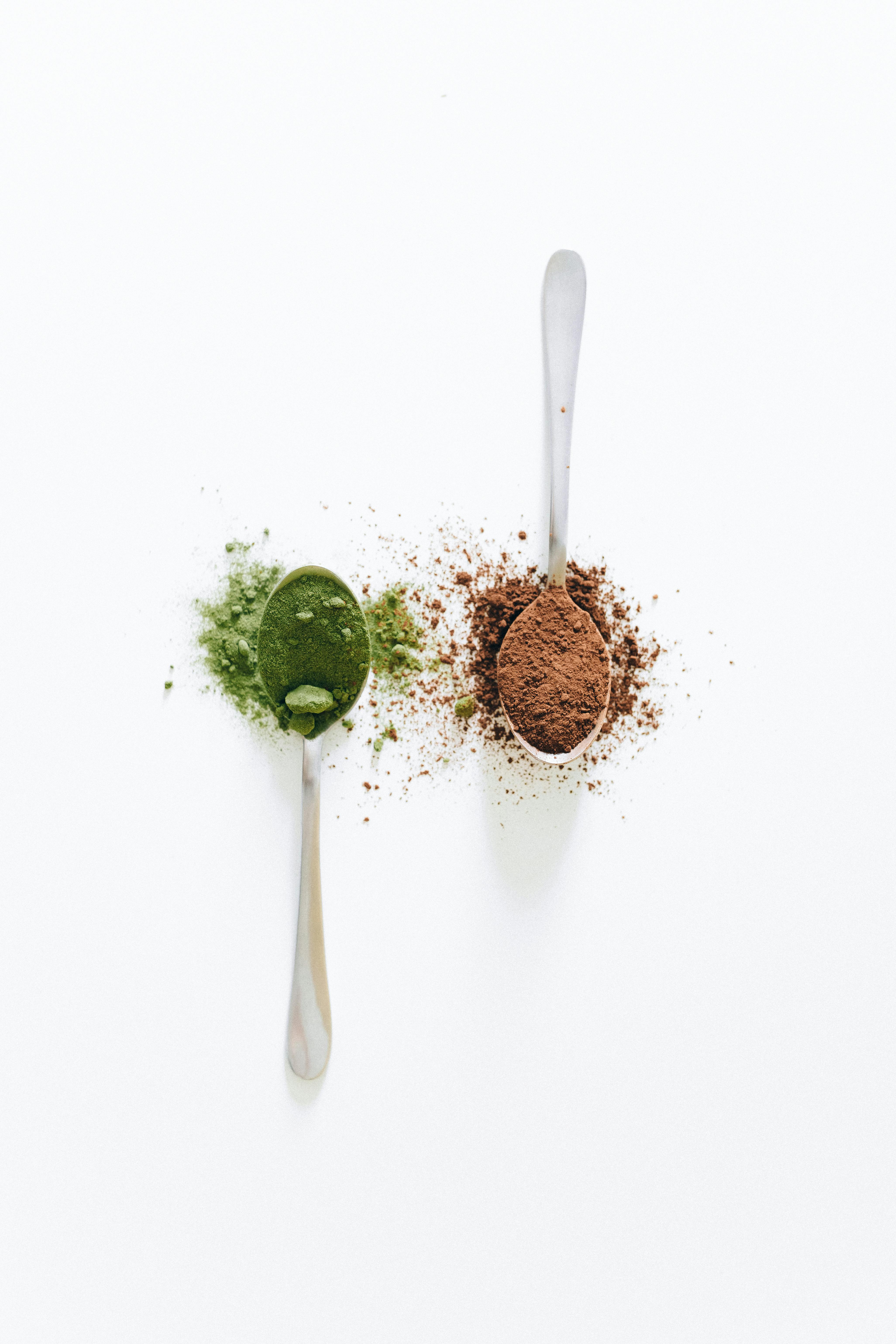
Tip: Try matcha if you’re seeking intense flavor. It’s a powdered form of green tea leaves, giving you a full-bodied experience.
Environmental Impact and Sustainability
Loose leaf tends to be more eco-friendly. It’s often packaged without excess materials. Traditional tea bags might contain non-biodegradable parts, like nylon. But good news: some brands are shifting to biodegradable bags.
Example: Choosing brands with compostable bags can help reduce your footprint.
Cost Comparison
Tea bags generally cost less upfront. They’re budget-friendly and easy to find in stores. Loose leaf can be more expensive per ounce. Yet, they often provide more servings, balancing out the cost over time.
Example: Buying loose leaf in bulk can be economical if you’re a frequent drinker.
Brewing Techniques and Time
Tea bags are fast and foolproof. Pop a bag into hot water and steep it for a couple of minutes. Loose leaf requires more patience. You need to measure the right amount and find your preferred steep time.
Tip: Use water just below boiling (170-185°F or 75-85°C) for both types. This helps preserve delicate flavors.
Summary: Green tea bags are perfect for quick, convenient brews. Loose-leaf, though, offers superior taste and often has a smaller environmental impact. Your choice depends on your priorities, whether it’s taste, time, or eco-friendliness.
Choosing the Best Green Tea Bags
Picking the right green tea bags can seem tricky, but I’ll guide you through it.
Identifying Quality Ingredients
Start by checking the label. Look for green tea bags with whole leaves or finely cut leaves. This usually means better flavor and high antioxidant levels. Avoid bags with “tea dust” or “fannings,” as these are low-quality fillers.
Example: Brands like Choice Organics often list “organic green tea leaves” as ingredients, promising quality.
Understanding Labels and Certifications
Labels can be confusing. Focus on certifications like “USDA Organic.” This ensures no harmful pesticides were used. Also, look for fair trade certifications, meaning workers were fairly compensated.
Tip: Twinings offers several certified organic options that are both ethical and flavorful.
Top Brands for Green Tea Bags
When it comes to brands, a few stand out:
- Numi offers organic tea bags free from dyes and chemicals.
- Traditional Medicinals is well-known for their wellness-focused blends.
Both provide quality and taste without compromising ethics.
Ethical Sourcing and Certification Marks
Ethical sourcing is important. Look for Rainforest Alliance or Fair Trade International marks. This means the brand supports sustainable farming and fair wages.
Example: Yogi Tea includes such marks on their packaging, ensuring ethical practices are followed.
Consumer Reviews and Recommendations
Always check consumer reviews. They provide real insights into taste and quality. Sites like Amazon and Tea Review Blog offer user experiences which can be helpful.
Tip: Check for reviews mentioning “fresh taste” or “rich color,” indicating good quality.
By focusing on these aspects, you can find green tea bags that fit both your taste and values. Enjoying a cup of tea will feel even better knowing you’ve picked wisely!
Creative Uses of Green Tea Bags Beyond Drinking
You’ve probably brewed green tea bags for a refreshing drink. But did you know they’re handy for more than just sipping? Let’s dive into a few clever ways to use them, both in your beauty routine and around the house.
Skincare Benefits and Recipes
Green tea bags are a skin’s best friend. Their antioxidants, like EGCG, fight skin aging. Here’s a quick tip: use cooled, brewed tea bags as an eye compress. It can reduce puffiness and refresh tired eyes. For a DIY mask, mix the used tea leaves with honey. Apply it for 10 minutes to help calm irritated skin.
Green Tea Bags for Hair Treatments
Your hair can get a boost from green tea too. It’s packed with catechins that might help stimulate hair growth. Brew two bags and let them cool. Use it as a rinse after shampooing for a natural shine. This simple trick can also help with dandruff, given green tea’s soothing properties.
Household Cleaning Hacks
Green tea bags can freshen up your space. After brewing, let the bags dry. Place them in musty shoes or a fridge to absorb odors. You can also use the damp bags to clean mirrors. They gently remove grime, leaving a streak-free shine.
Gardening and Composting with Green Tea Bags
Got a garden? Green tea bags can enrich your soil. The tea leaves are rich in nutrients like nitrogen. Simply tear the bags and sprinkle the contents around your plants. They’ll thank you with lush growth. If composting, throw in the whole bag, but ensure it’s biodegradable.
Craft and Artistic Uses
Turn used green tea bags into art supplies. The paper holds potential as a canvas for small sketches or watercolor tests. Kids love painting on them, watching colors blend with tea stains. They’re also great for DIY sachets: just add a little lavender, seal the top, and enjoy a fragrant wardrobe freshener.
In short, green tea bags are more than a drink. They’re versatile tools for beauty, cleaning, gardening, and even crafting. Next time, don’t toss them after tea time—give them a second life!
DIY Green Tea Bag Recipes and Brewing Tips
Green tea bag magic isn’t just in the cup you sip. Let’s explore fun, easy ways to jazz up your green tea experience.
Brewing the Perfect Cup of Green Tea
Start with the right water. Use filtered water heated to 170-185°F (75-85°C). Too hot, and you’ll burn your tea. Steep your green tea bag for 2-3 minutes. This short time keeps the flavor fresh without bitterness.
Tip: Improve your tea by swirling the bag in your cup, releasing all the flavors and nutrients it has to offer.
Herbal Blends and Flavor Pairings
Why not spice things up by adding herbs? Mint, basil, or even ginger can boost both taste and health benefits. Sweeten your tea naturally with a bit of honey or a cinnamon stick.
Example: Try a ginger-mint green tea: drop fresh ginger slices and mint leaves into your cup as you steep.
Iced Green Tea Recipes
For a refreshing drink, brew your tea double strength and chill it. Add lemon or berries for a burst of summer. A splash of apple juice can sweeten the deal, turning a simple iced tea into a treat.
Tip: Freeze extra brewed tea into ice cubes. This keeps your iced tea flavorful without watering it down as the ice melts.
Green Tea Infusions with Fruits and Herbs
Infuse your tea with fruits like lemon, orange, or berries. Add them to your steeping cup for extra zing. Make a big batch, and let it sit in the fridge for a few hours.
Example: Orange slices with a sprig of rosemary create a fragrant, sophisticated twist.
Green Tea Lattes and Smoothies
Turn your green tea into a latte by adding frothed milk or a milk alternative. For a smoothie, blend chilled green tea with spinach, a banana, and some almond milk. It’s a powerhouse of antioxidants and flavor.
Tip: Swap whole milk for coconut milk in your latte for a tropical taste and fewer calories.
With these ideas, you can take your green tea journey beyond basic. So go ahead, mix it up and find your perfect cup!
Green Tea vs. Black Tea: Health and Flavor
Wondering how green tea stacks up against black tea? Let’s talk about health and flavor differences. Green tea is high in catechins, potent antioxidants that help with inflammation and heart health (Healthline). Black tea, on the other hand, is rich in theaflavins, also antioxidants, but it typically has a stronger flavor. Many love black tea for its robust taste, ideal with milk or sugar. Green tea offers a lighter, herbal flavor, perfect if you prefer a delicate sip that feels refreshing.
Green Tea vs. Oolong Tea
Oolong sits between green and black tea on the spectrum. It undergoes partial fermentation, offering unique health perks. Both green and oolong teas have catechins, but oolong also supports metabolism and can aid in weight loss (Cleveland Clinic). If you enjoy floral notes, go for oolong. If lighter, grassy flavors are your jam, green tea is your go-to.
Caffeine Levels Across Different Teas
Trying to manage your caffeine intake? Check this out. Green tea contains about 30-50 milligrams of caffeine per cup, while black tea can range from 40-70 milligrams. Oolong falls in the middle, with caffeine levels varying based on its fermentation time. So, if you need a bigger boost, black tea might be your choice. For a moderate zing, stick to green or oolong.
Cultural Significance and Global Popularity
Green tea is more than a drink; it’s a cultural icon. Think Japanese tea ceremonies, where matcha is whisked into a frothy delight, symbolizing harmony. Black tea owns the stage in British teatime, featuring a strong brew often paired with biscuits. Oolong is a staple in Chinese culture, celebrated for its complex flavors and precious pour. So, when you’re sipping, you’re part of a rich global tradition. Enjoy your cup!
The Global Impact of the Green Tea Market
Green tea is a big deal worldwide. Let’s explore where it’s mostly grown, traded, and how future trends will shape the industry.
Major Green Tea Producing Regions
Green tea thrives in specific climates. The most notable green tea producers are China, Japan, and India. China leads the pack with about 80% of global production. The climate there is ideal for growing large quantities.
Japan is known for high-quality varieties, like Matcha and Sencha. These are often exported to countries where people appreciate premium green tea flavors. India also contributes significantly, particularly with its Assam green tea.
Example: If you’ve ever sipped on Sencha, it likely came from Japan. It offers a fresh, grassy flavor.
Global Export and Trade Dynamics
Exporting green tea is a huge business. China exports green tea to over 100 countries, satisfying global demand for both quantity and quality. The U.S. and Europe are major importers, thanks to growing awareness of green tea’s health benefits.
Trade agreements and logistics impact pricing and availability. For instance, tariffs can make green tea more expensive in certain regions.
Example: An import tariff hike might mean higher prices on your favorite imported Japanese Matcha.
Market Trends and Innovations
Green tea is more than tea bags nowadays. Ready-to-drink green tea, beauty products, and supplements are hitting the market. Innovations like sparkling green tea drinks are also gaining traction, catering to health-focused consumers.
Brands focus on sustainability and ethical sourcing to appeal to conscious buyers. Innovative packaging and eco-friendly production methods are also marketing highlights.
Example: You’ll find sparkling green tea in many health-centric cafes. It’s a refreshing twist on a classic brew.
The Future of the Green Tea Industry
The green tea market’s future looks promising with rising health trends. Expect more functional beverages and products that serve as healthy alternatives to sugary drinks.
With the demand for organic and non-GMO products on the rise, green tea is poised to grow. Consumers are leaning towards natural wellness solutions over synthetic ones.
Example: As people shift away from sugary sodas, green tea drinks offer a healthier option that’s naturally rich in antioxidants.
Impact of Climate Change on Tea Production
Climate change is a real concern for tea growers. Rising temperatures and unpredictable weather can harm tea plants, affecting both quality and quantity.
Innovations in farming methods and technology aim to counter these impacts. Regions might need to adjust practices to ensure steady production.
Example: Some plantations are experimenting with shade-grown methods to manage increased sunlight and temperature, preserving tea quality.
In sum, the green tea market is vast and dynamic, with a promising future despite some challenges. From the fields to your cup, there’s a rich journey and a world of impact. Enjoy your brew knowing it’s part of a global story!
Let’s wrap things up by highlighting the standout points about green tea bags and the enriching world they unlock. Green tea bags offer more than just a simple beverage–they’re a source of powerful antioxidants benefiting heart health, cognitive function, and weight management. They’re also marvelously versatile, stretching beyond the cup for skincare, hair treatments, and even household uses. Importantly, your choice between tea bags and loose leaves depends on the priorities you value: convenience or the depth of flavor and sustainability.
Now, with a newfound appreciation for these humble tea bags, it’s time to take action. Choose quality brands that align with your ethical preferences, explore creative uses in your daily life, and start blending your own unique brews. Which green tea ritual will you try first? Remember, each steep is not just about taste; it’s about replenishing your body with healthful benefits.
Refresh your soul with every cup of green tea. Cheers to making each day greener! 🌱☕
Frequently Asked Questions
Can green tea bags help with weight loss?
Yes, green tea bags can aid in weight loss due to their caffeine and catechins content, which boost metabolism and enhance fat burning. However, it’s most effective when combined with a healthy diet and regular exercise, so think of it as a supportive element rather than a miracle solution.
Do green tea bags have any side effects?
While green tea is healthy for most people, consuming large quantities can lead to side effects due to its caffeine content, such as insomnia, an upset stomach, or jitteriness. It’s generally safe to drink up to three cups per day. If you are sensitive to caffeine, you may want to limit it further.
Are green tea bags as healthy as loose-leaf tea?
Loose-leaf tea typically offers better flavor and nutrients because it contains whole leaves. However, many modern green tea bags still provide excellent health benefits and are more convenient. Look for bags with high-quality leaves for the best results.
How can I use green tea bags for skin benefits?
Green tea bags can be used in beauty routines due to their antioxidants. For reducing puffiness, place cooled tea bags over your eyes. You can also mix the contents with honey for a simple DIY face mask to soothe and improve your skin’s appearance.
What’s the difference between green tea and black tea?
Green tea is less oxidized than black tea, which results in higher levels of catechins, potent antioxidants. Black tea has more theaflavins and a stronger flavor. Both have health benefits, but green tea is often preferred for its lighter taste and antioxidant profile.
How does green tea benefit heart health?
Green tea can improve heart health by lowering LDL cholesterol and improving blood flow. Regular consumption may reduce the risk of heart disease. Aim for 2-4 cups daily to enjoy these cardiovascular benefits.
Is it environmentally friendly to use green tea bags?
Traditional tea bags might contain non-biodegradable components, but many brands now offer compostable or biodegradable options. Look for brands that emphasize sustainability if you’re concerned about environmental impact.
Can I drink green tea every day to improve brain function?
Yes, drinking green tea daily can help boost brain function due to its amino acids like L-theanine, which works with caffeine to improve focus and calmness. Regular consumption can also protect against cognitive decline.



Leave a Reply