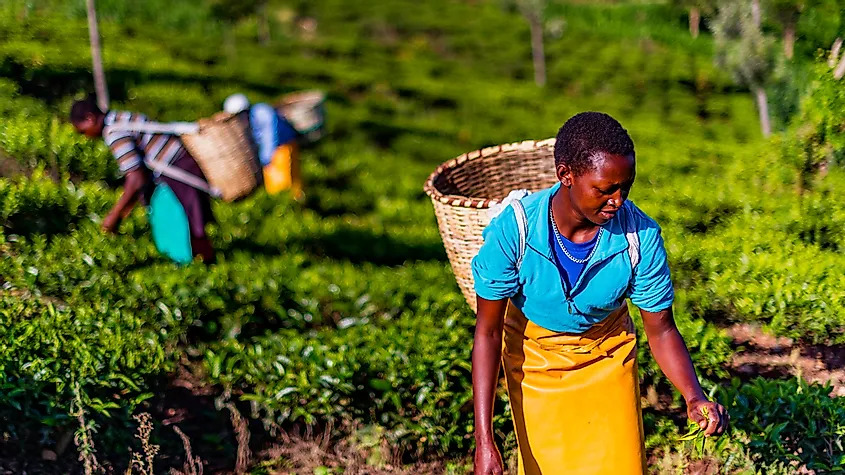
Many traditions and cultural practices are involved in making tea production in the world. Countries from all over the world grow and make this popular drink. From the foggy hills of China to the lush plantations of India making tea is a big part of local economies and trade tea production in the world. Let’s look at the top 10 countries that grow and process tea and learn more about this fascinating industry.
1. China: The Birthplace Of Tea
China has a long history that goes back thousands of years and is known as the birthplace of tea. The country’s varied landscape with mountainous areas and fertile plains makes it a great place to grow different kinds of tea like black white green and oolong.
Some of China’s most famous tea growing provinces are Yunnan, Fujian and Zhejiang. Each region has its unique tastes and traits. Traditional ways of making tea like hand picking and processing are still common in many parts of China. This is one reason why Chinese teas are so high quality.
2. India: A Tea Powerhouse
India is known for its tea production especially in places like Assam Darjeeling and the Nilgiris. In the 19th century the British brought tea farming to India which made the country a world leader in the tea business. A big part of India tea production comes from Assam known for its solid and malty black teas.
Darjeeling, sometimes called the Champagne of Teas, grows varieties that tea lovers worldwide love for their beauty and also scent. India is still a significant player in the global tea market with substantial tea estates that cover acres of land and cater to a wide range of tastes.
3. Kenya: Africa Leading Tea Producer
Africa might not be the first place that comes to mind when you think of tea growing but Kenya has become a significant player in the field. Kenya is located near the equator so its climate is mild and the soil is rich. These are perfect conditions for growing tea. The Kenya tea industry includes both large scale plantations and small scale farmers.
It helps people in rural areas make a living and brings in money from exports. Kenyan teas are famous for being blended in tea bags and making iced tea because they are fresh and brisk. Kenya is becoming even more of an African tea production leader by investing more money into technology and environmental projects.
4. Sri Lanka: The Island Of Ceylon Tea
Sri Lanka which used to be called Ceylon is famous for making Ceylon tea which is loved for its intense flavor and bright coppery color. The central highlands of Sri Lanka are perfect for growing tea because they have a cool climate and beautiful scenery. Sri Lanka tea industry has a long history dating back to the 1800s when British planters brought tea cultivation to the island.
Today Sri Lanka is one of the most significant tea production in the world. Ceylon tea is a favorite among tea lovers because it is strong and can be used in many ways. Sri Lanka tea estates with their beautiful scenery and traditions that go back hundreds of years give visitors a look into the country’s colonial past and lively tea culture.
5. Japan: The Art Of Japanese Tea
Japan is known for its unique tea culture which values quality craftsmanship and tradition. Sencha matcha and gyokuro are some of the most popular types of Japanese tea both in Japan tea production in the world. Tea is made in Japan with great care and attention to detail. The tea leaves are picked by hand and processed carefully to preserve their delicate flavors and smells.
Chanoyu, the name of the tea ceremony, is a ritualized and meditative practice that honors making and drinking tea. The Japanese tea industry is deeply rooted in its culture, making the country a fascinating place for tea lovers who want to learn about the art and history of making Japanese tea.
6. Taiwan: The Home Of Oolong Tea
Taiwan, also called Formosa, is famous for making oolong tea, a partially oxidized tea with complex tastes and smells. Taiwan’s high mountain areas are perfect for growing oolong tea because they have misty weather and mineral rich soils. People who love tea like Taiwanese oolongs because they have floral notes, creamy textures and long lasting aftertaste.
In Taiwan oolong tea is made with a lot of hard work. Tea farmers carefully watch over their crops and make the tea leaves by hand until they are just right. Taiwan oolong tea industry shows how skilled and dedicated its tea artisans are. They keep the country’s reputation as a top producer of high quality oolong teas.
7. Turkey: A Blend Of Tradition And Innovation
Turkey has a long history of tea production. The Black Sea region is especially famous for its tea farming. Turkish tea or cay is a standard drink in Turkey that is drunk all day and is usually served in small tulip shaped glasses.
Turkey makes tea using both old fashioned methods and new cutting edge technologies. Tea gardens use environmentally friendly methods to protect the environment and ensure the quality of their crops. Turkish tea has a unique process called double brewing that gives it a robust bold flavor and reddish color. Turkey’s tea industry is vital to its economy because it creates jobs and shapes its culture.
8. Vietnam: Rising Star In The Tea Industry
Thanks to its good climate and growing knowledge of how to grow tea, Vietnam has become a significant player in tea production in the world. Most of the country tea is grown in the northern mountainous areas where the weather is cool and misty.
Vietnam grows many different kinds of tea including green black and oolong. Each type has its flavor and smell. People like Vietnamese green tea because it tastes fresh and grassy and has a smooth finish. With a focus on quality control and environmentally friendly methods, the Vietnamese tea industry is set to continue to grow and become a world leader.
9. Indonesia: A Tapestry Of Tea Cultures
Indonesia has many different types of tea cultures and each region makes its own unique kind of tea. For example the island of Java is known for its solid and earthy black teas while the highlands of Sumatra make intense and smoky teas. The Indonesian tea industry is made up of small scale farmers who grow tea using methods that have been passed down from generation to generation.
The country’s tropical climate and rich volcanic soils make it a great place to grow tea making teas full of flavor and aroma. Indonesia tea culture reflects the country’s rich cultural history and varied landscapes. The government is fascinating for tea lovers who want to learn more about Indonesian teas.
10. Argentina: A Unique Player In The Tea Market
Argentina may not be the first country that comes to mind when you think of tea growing but it has made a name for itself in tea production in the world. Most of the country’s tea is grown in the province of Misiones which is in the northeast of Argentina. It has red soil and a subtropical climate.
Argentine tea also known as yerba mate is made from the leaves of the yerba mate tree and is usually drunk hot or cold. Argentina yerba mate is a cultural symbol and sharing a mate gourd full of infused tea is a common way for people to get together with friends. Yerba mate is not the same as regular tea made from the Camellia sinensis plant. Still it has become popular worldwide because of its unique taste and possible health benefits.
Conclusion on Tea Production In The World
These countries are just a tiny sample of the many places worldwide that grow tea. Each country that grows tea has its style and contribution to the global market. China has long standing traditions, India has vast plantations and Kenya is just starting to develop its tea industry. There are many types of tea to discover from the delicate scent of Chinese green tea to the bold rich flavor of Assam black tea. So raise your glass and toast the craftspeople and farmers who grow the leaves that make tea lovers happy and calm.


Leave a Reply