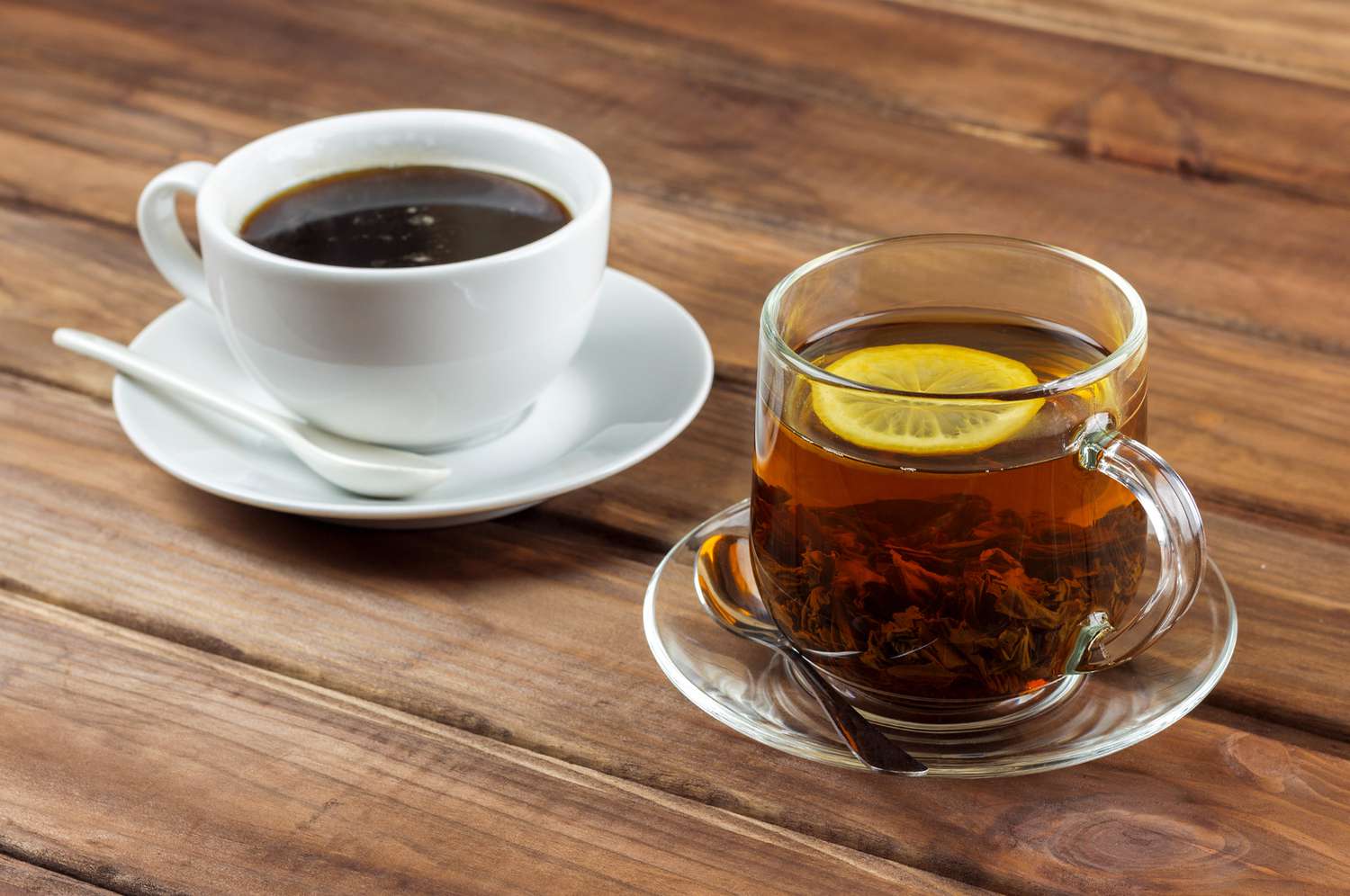
Tea has been a popular drink for hundreds of years and is often praised for its calming effects and cultural past. But is tea good for you? It depends on what kind of tea you drink and how you make it. Let’s learn about tea to find out what it is tea good for you and how to choose the right kind for you.
Types Of Tea And Their Benefits
Tea is one of the most popular drinks in the world and people love it for its many tastes and possible health benefits. Here are some popular types of tea and the health perks that come with them
Green Tea
Green tea good for you in many ways because it has a lot of antioxidants. Antioxidants like catechins can help lower the chance of heart disease and inflammation. Green tea may also help you lose weight and make your brain work better according to some studies.
Black Tea
Black tea has many health benefits because it is high in tannins. Flavonoids which are antioxidants may help lower the chance of getting chronic illnesses like heart disease. People also think black tea can help your gut and reduce stroke risk.
Oolong Tea
Oolong tea is a traditional Chinese tea with an amount of oxidation between green tea and black tea. It contains antioxidants called polyphenols that may help lower inflammation and help you lose weight. People also believe that oolong tea can help your face and stomach.
White Tea
White tea is one of the least processed teas so it has many antioxidants. Some people think it can slow aging and help protect the skin from UV damage. Some studies show that white tea may also help keep teeth healthy and lower the chance of heart disease.
Herbal Tea
Herbal teas are not made from the Camellia sinensis plant like regular teas are. Instead, different herbs, fruits , flowers and spices are used to make them. Herbal drinks come in many types and suit you in many ways. For instance chamomile tea is known to help people relax and may even help them sleep better. Peppermint tea conversely is thought to aid digestion and reduce bloating.
Rooibos Tea
Rooibos tea which comes from South Africa is full of antioxidants and may help protect against oxidative stress. It also has no caffeine so it is a tea good for you who want to reduce their coffee usage. People think that Rooibos tea can help keep your heart healthy and improve your skin.
Choosing The Right Tea For You
When choosing a tea, consider your health goals and personal tastes. Green tea might be the right choice if you want a tea high in antioxidants. You might like black tea better if you like a more spicy flavor. If you’re looking for a caffeine free option that can help you relax chamomile or lavender tea might be a good choice.
Also you should consider how you make your tea. Adding milk or sugar can increase its calories and fat content which might cancel out some of its health benefits. To get the most out of your tea choose types that aren’t sweetened or lightly sweetened and use little to no milk.
The Importance Of Brewing And Steeping Methods
Please pay attention to how you make and steep tea to get the most out of it. To fully capture the tastes and health benefiting ingredients of different types of tea you need to use different heating methods. For example, to keep green tea from tasting bitter water at about 175F (80C) is best. On the other hand black tea can handle water at about 212F (100C) for a more pungent taste.
The amount of time tea is steeped also significantly affects its taste and health benefits. If you steep black tea for too little time the tea might not taste strong but if you steep green tea for too long the tea might taste bitter. Herbal drinks usually need to steep for extended periods to get their full taste and possible health benefits.
Understanding Caffeine Content And Its Effects
There is naturally occurring stimulant caffeine in tea though not as much as in coffee. Tea can have different amounts of caffeine based on the type and how it is made. For example green tea usually has less caffeine than black tea making it a tea good for you who want to reduce caffeine usage.
Caffeine can be energizing when consumed in moderation. However when consumed in excess it can cause problems like jitteriness, sleeplessness and hypertension. It is important to watch how much caffeine you drink. If you’re sensitive to its effects or want to limit your intake choose drinks with less caffeine.
Exploring The Role Of Tea In Traditional Medicine
Ancient Chinese Medicine TCM and Ayurveda are two of the many ancient medical systems that have long used tea. In these systems different kinds of tea are thought to have different health boosting effects and are often used to treat or avoid getting sick. In TCM for example green tea is believed to be cooling and is used to treat conditions caused by heat while black tea is considered to be warming and may be used to help digestion.
Traditional medicine also uses herbal drinks because they are suitable for you. In plant medicine peppermint tea is used to help people with irritable bowel syndrome IBS and bloating feel better. Another popular choice is ginger tea which is known to help reduce inflammation and improve the immune system.
The Role Of Tea In Hydration And Skin Health
Tea can help you stay hydrated and meet your daily fluid needs which are essential for your health. Caffeine in tea can make you pee a little bit but the amount of water you drink in a cup usually cancels out the caffeine effect. So tea can be an excellent way to stay hydrated especially if you drink it in moderation.
Some types of tea like green tea are also high in antioxidants which may help protect your skin from free radicals that can damage it. Free radicals are unstable chemicals that can hurt skin cells. They can also speed up the aging process and make skin problems worse. Drinking drinks high in antioxidants may improve the health and look of your skin.
Tea And Digestive Health
People have used tea for ages to help their digestion and ease stomach pain. Herbal drinks are particularly known to help with digestion. For instance peppermint tea has been shown to relax the muscles in the digestive system which can help ease the pain of heartburn gas and bloating.
Ginger tea is another popular choice for digestive health. Ginger contains substances that can help digestion and lower inflammation in the gut. Chamomile tea is often drunk to calm the stomach and ease the signs of sickness and throwing up.
Adding tea to your diet can be a natural and fun way to improve your gut health. However if you have long term stomach problems or are taking medicine it is important to talk to a doctor before using tea as a cure.
Conclusion
Does tea make you healthy? Your answer will depend on the tea you pick and how you make it. With all of its different tastes and possible health benefits tea can be a fun and healthy part of your daily life. You can enjoy this old drink’s taste and potential health benefits if you choose the proper tea for your needs and drink it in moderation.

Leave a Reply