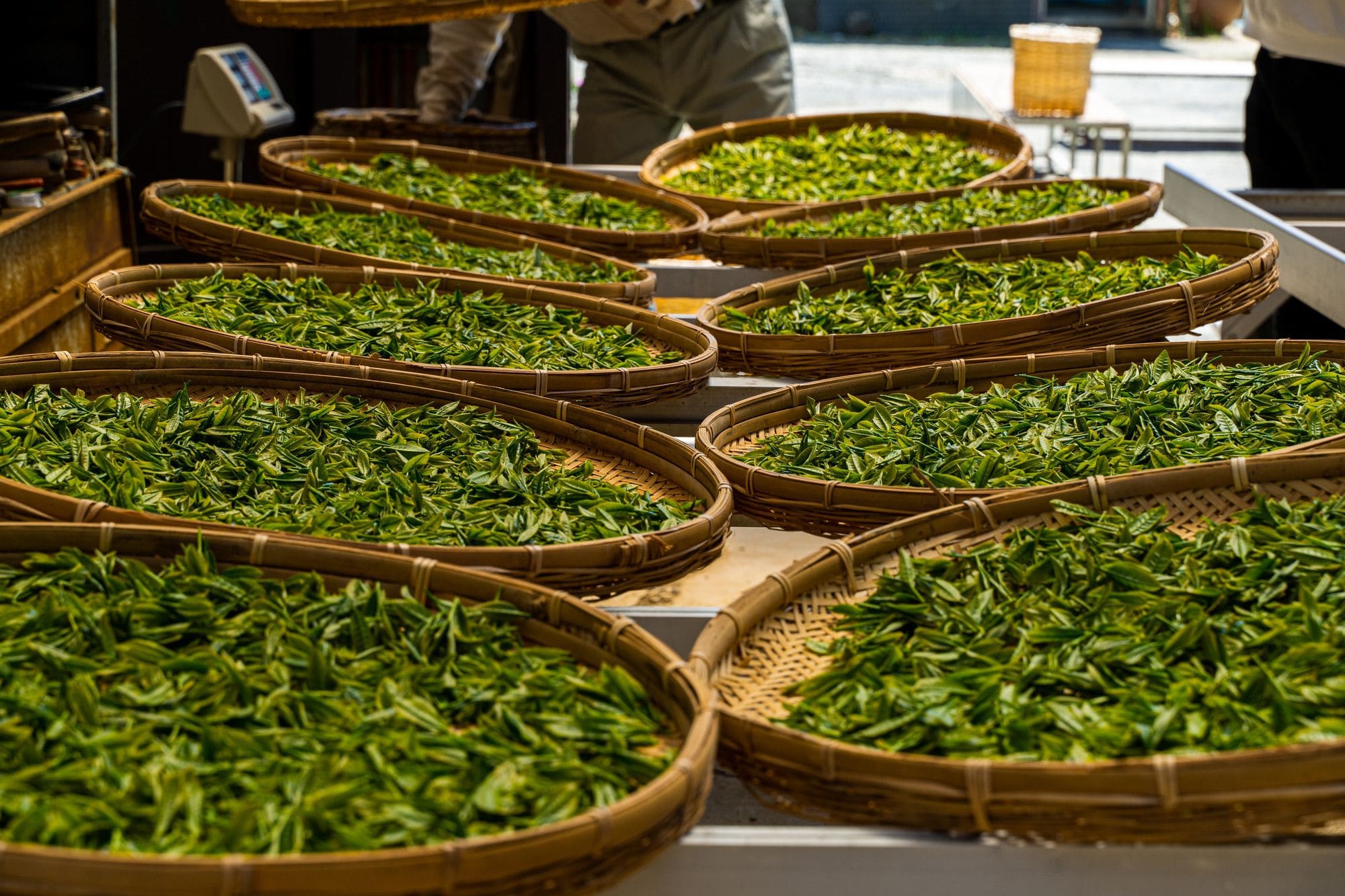
Tea is loved all over the world for its unique tastes and smells. However many may need to learn that these flavors are created through a complicated process often involving fermentation. Fermentation is an integral part of the tea making process especially for making black tea oolong tea and pu erh tea. This natural process is a big part of what makes these teas taste and smell so different.
The Role Of Fermentation In Tea Processing
You may have heard of black tea. People love it because it tastes great and smells strong. Many of the unique qualities of black tea come from the fermentation process it goes through. Once the leaves are picked they are dried to make them less wet. The dead leaves are then rolled which breaks them and lets enzymes out. Oxidation is a chemical process that changes the tea leaves’ makeup and creates new flavor compounds. These enzymes speed up the process.
Fermentation is a controlled process used to make black tea. The tea leaves are spread out in a cool damp place so that oxidation can happen slowly and the fermentation time changes based on the desired flavor profile. Teas with shorter fermentation times have brighter and more brisker flavors while teas with longer fermentation times have more profound and complex flavors. When the right amount of oxidation is reached the leaves are fired to stop fermentation and keep the flavors.
The Art Of Fermentation In Oolong Tea
While green and black tea are very different regarding how much they have been oxidized, oolong tea is in the middle. Fermenting oolong tea is a delicate art that requires skill and knowledge. When the tea leaves are dried and rolled they are partially fermented before being heated to stop oxidation.
There is a wide range of flavors and smells in oolong tea because of the different levels of fermentation. Oolong teas that have been fermented lightly have floral and fruity notes while oolong teas fermented heavily have a more roasted and earthy flavor. For oolong tea the fermentation process must be done several times to get the right flavors and aromas. This takes a lot of time and requires precision and patience.
The Unique Fermentation Of Pu Erh Tea
Fermented teas like pu erh are top rated because they taste great and suit you. In contrast to other types of tea pu erh tea goes through a fermentation process with microbes after the leaves are dried and rolled. This second fermentation, also called post fermentation, is made more accessible by the bacteria and fungi already in the tea leaves.
It can take months or even years for pu erh tea to finish fermenting. The tea taste, smell and appearance significantly changed during this time. Microbes break down complex compounds in the tea leaves during the fermentation process. This gives the tea a smooth mellow taste and a unique earthy smell. Often pu erh tea is aged and people love older teas because they have more complex flavors.
The Science Behind Fermentation In Tea Processing
Fermentation is both an art and a science in the process of making tea. Tea leaves oxidize during fermentation creating complex flavor compounds. When tea leaves are exposed to oxygen a chemical reaction called oxidation takes place. Enzymes in the tea leaves speed up the oxidation of polyphenols amino acids and other compounds creating new compounds that give tea its unique taste and smell.
How much fermentation happens during the tea making process is very important because it determines how it tastes. For example black tea has a strong flavor because it has been fully fermented. On the other hand oolong tea is only partially fermented which makes the taste more delicate. Pu erh tea has a unique fermentation process that includes microbial fermentation and oxidation giving the tea its distinctive earthy flavor.
The Influence Of Terroir On Fermentation In Tea Processing
Terroir is an integral part of the fermentation process for tea. The soil climate, altitude and topography are some environmental factors that affect the taste and smell of tea. These things can change the chemicals that make tea leaves, changing how they ferment and what flavors they develop.
For instance tea plants grown in soil that is high in nutrients may have leaves with more polyphenols which can make the tea more astringent. In the same way tea plants that are grown at higher elevations or in cooler climates may have leaves that have more amino acids which makes the tea taste sweeter. Teas worldwide have a wide range of tastes and smells because each growing area has unique soil.
The Future Of Fermentation In Tea Processing
As people’s interest in tea grows a renewed focus is on new ways to process it such as fermentation. Researchers and tea producers are exploring new technologies and methods to improve fermentation and make teas with exciting and unique flavors.
One new idea is the use of controlled environments for fermentation. Tea producers can make teas with specific tastes and qualities by carefully controlling temperature, humidity and airflow. The use of microbial cultures to improve fermentation is another area of study. Tea makers can change the fermentation process to make teas with new and exciting tastes by adding specific strains of bacteria or fungi.
The Cultural Significance Of Fermentation In Tea Processing
In the process of making tea, fermentation is not just a technical step, it is also profoundly connected to the customs and traditions of the places that grow tea. Tea is more than just a drink in many cultures it signifies friendship, hospitality and spiritual connection. Techniques for the fermentation process are often ancient and have been passed down from one generation to the next.
People in China have been growing tea for thousands of years and fermenting tea is seen as a very skilled art. Tea masters use their knowledge and experience to make teas with wonderful tastes and smells by keeping a close eye on the fermentation process. Tea ceremonies where tea is made and served with care and respect are a big part of Chinese culture. Fermented teas are frequently used in these ceremonies.
Zen Buddhism has much to do with tea in Japan and the Japanese tea ceremony is a formal way to make and serve tea. Japan is known for its green teas which are not fermented. However tea is still essential to Japanese culture. Japanese culture treats tea with great respect as seen in the care and mindfulness needed for the tea ceremony.
The Health Benefits Of Fermented Teas
Fermented teas have unique tastes and smells and are also suitable for you in many ways. Fermentation can make antioxidants and other promising compounds in tea more bioavailable so the body can absorb them more easily. Fermented teas are also thought to contain probiotics which can help keep your gut healthy and improve digestion.
People especially like pu erh tea because it is good for you. Studies show that pu erh tea may help lower cholesterol, ease inflammation and help people lose weight. People think the fermentation process in pu erh tea gives it these health benefits. This process changes the chemical makeup of the tea leaves making compounds that aren’t found in any other type of tea.
Conclusion
Fermentation is an essential step in the production of black tea oolong tea and pu erh tea. It is very tricky and requires a lot of skill and experience to get right. The complex and exciting journey that tea takes from the leaf to the cup can be seen in the tastes and smells of these teas.



Leave a Reply