Tea is one of the most popular drinks in the world loved for its smell, taste and ability to relax. Many appreciate the ease of buying tea in stores but growing your tea garden can be fun and let you enjoy the best flavors right from your lawn. You need to pay close attention, be patient and love what you’re doing to grow tea. This book contains everything you need to know about the Cultivation of Tea.
Understanding The Cultivation Of Tea
Camellia sinensis, the scientific name for tea plants, can be grown in cold areas and warm and hot temperatures. The two main types of tea plants are Camellia sinensis var. sinensis which comes from China and does best in cooler climates and Camellia sinensis var. assamica which comes from India and does best in hot climates.
For the best cultivation of tea pick a spot that gets a lot of sun, has well draining dirt and has a pH level between 5.5 and 7.0. Tea trees can be grown from seeds or cuttings but cuttings are better because they produce more quickly and have a consistent taste.
Planting And Caring For Tea Plants
Before you plant tea make sure the dirt has a lot of organic matter and good drainage. Leave about 3 to 5 feet between the plants so they can grow properly. Tea plants need to be watered often especially when it dries outside but don’t give them too much water as that can cause root rot.
Tea trees benefit from frequent trimming to keep their shape and encourage new growth. Cut back the plants early in the spring before they start to grow new leaves. To help the plants grow well you should also use a balanced fertilizer in early spring and again in late summer.
Harvesting And Processing Tea Leaves
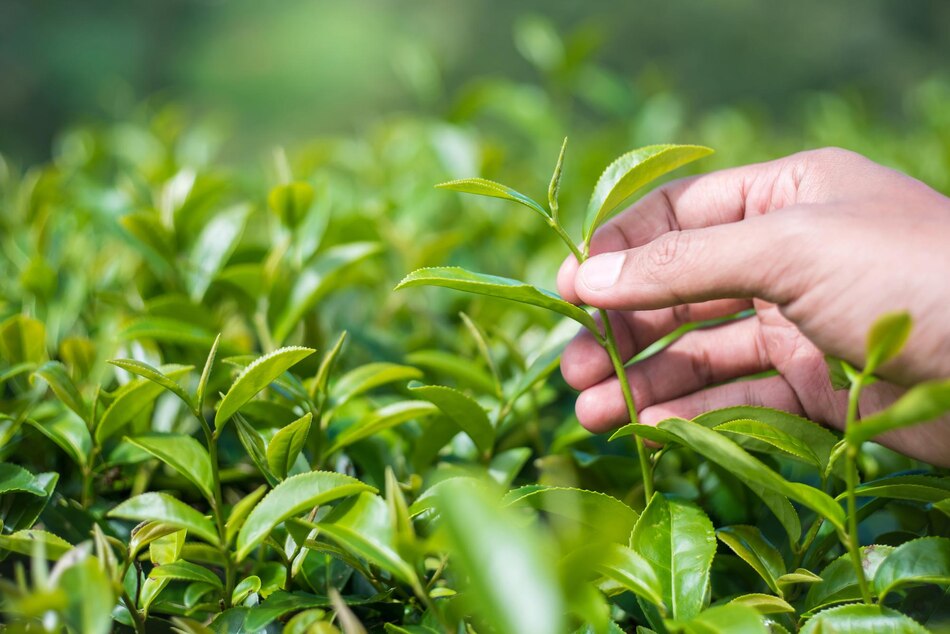
Tea leaves can be picked once the plant is about three years old and fully grown. You have to pick the fresh young leaves and buds by hand. These are called flushes. The grade and taste of the tea can change depending on when it is picked. For example the first flush in the spring is highly valued for its gentle taste.
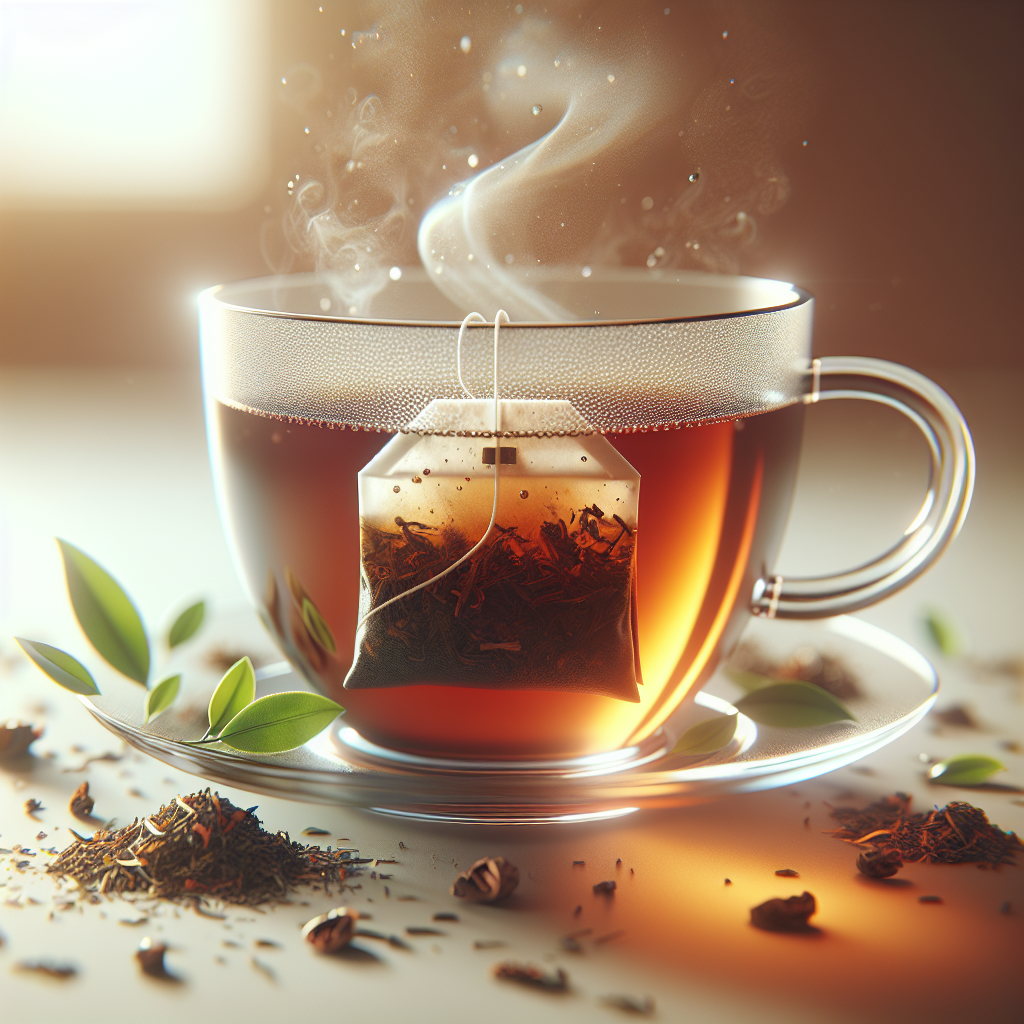
Once the tea leaves are picked they are processed for their unique tastes. The tea process changes based on whether it is white black oolong or green tea. To stop oxidation green tea is often boiled or pan fired. On the other hand black tea is fully oxidized before it is dried.
Pest And Disease Management
Like any other plant, tea plants can be affected by bugs and diseases that can harm their growth and yield. Aphids mites and caterpillars are some of the most common pests that can harm tea plants. To remove pests check your plants often and remove any damaged leaves or bugs by hand. You can also use insecticidal products or neem oil to remove pests.
Gray mold and root rot are two examples of fungi that can attack tea plants. To avoid fungal diseases make sure your plants have enough air flow and don’t get too much water. According to the directions on the bottle fungicidal sprays should be used to treat fungus diseases.
Propagation And Expansion Of Your Tea Garden
Once your tea plants are well established you can share them with others or grow more. Stem cuts are the most popular way to make more plants. Pick out young healthy roots and cut them into 4 to 6 inch pieces. The bottom half of the cutting should have no leaves on it. Plant it in a pot with dirt that drains well. Place the pot somewhere warm and sunny and make sure the dirt stays wet. The cutting should grow roots in a few weeks. Once the roots are strong the cutting can be moved to the yard.
Harvesting And Processing Techniques
To make good tea you need to pick the tea leaves at the right time and process them correctly. What you choose depends on what kind of tea you want. For green tea, pick the leaves when they are still young and soft. For black tea, wait a little while before picking the leaves.
After being picked, tea leaves are processed to enhance their taste. To prevent green tea from oxidizing it is usually boiled or pan fired. Black tea on the other hand is fully oxidized before it is dried. Some oxidation happens in oolong tea which gives it its own unique taste. White tea is the least processed. The leaves are dried in the sun or inside.
Soil And Fertilization
The dirt you use is very important to the health and productivity of your tea plants. Tea plants do best in dirt that drains well and has a lot of organic matter. Add compost or well rotted dung to the soil before you plant to make it more fertile and stable. Additionally make sure that the pH of the earth is between 5.5 and 7.0 since tea plants like slightly acidic conditions.
Tea plants also need to be fertilized especially when they start growing. Balanced fertilizer with a ratio of 10 10 10 or something similar should be used twice a year in early spring and in late summer. Don’t give your plants too much fertilizer; it can cause too many leaves to grow which are sour for the taste and quality.
Climate And Environmental Considerations
Tea plants thrive in a wide range of environments from warm to cold. But they don’t like cold weather or high temperatures. If you live somewhere more relaxed, put your tea garden somewhere protected or take steps to protect it from frost when it gets cold.
Additionally tea trees need enough wetness especially during the growing season. If you live somewhere where the summers are dry you might want to install drip irrigation to ensure your plants always get water. Mulch around the base of plants can also help keep the soil wet and prevent weeds from growing.
Pruning And Maintenance
Prune your tea plants often to keep them healthy and in good shape. In late winter or early spring prune your plants before the new growth starts. Get rid of any dead broken or sick branches and any that cross and block airflow. Along with trimming regular care chores like pulling weeds and adding mulch are suitable for tea trees.
Removing weeds keeps other plants from competing for water and nutrients and mulching helps keep the soil wet and keeps weeds down. Giving your tea plant the care and attention it needs can help it grow and give you a lot of fresh tasty tea leaves.
Harvesting Techniques For Different Types Of Tea
When and how you pick tea leaves can vary depending on the type of tea you want. Green tea leaves are generally picked when they are still young and soft, usually in the early spring. People love these young leaves because they smell and taste so delicate.
On the other hand black tea is made from leaves that are picked later in the season and are more fully cultivation of tea. Before the leaves are dried and prepared they are left to entirely brown. During this process black tea gets its dark color and strong rich taste.
The taste and smell of oolong tea are somewhere between green and black tea because it has been partially oxidized. Before the leaves are dried and processed they are partly burned making a complicated and detailed tea.
Tea Garden Design And Layout
How your tea garden is set up and designed can significantly affect the health and productivity of your tea plants. When planning your yard consider weather, soil quality and ventilation. The cultivation of tea plants is best done in soil that drains well and has a lot of organic matter so make sure you change your soil to suit their needs.
Also when you put tea plants in, leave enough space between them. Leave about 3 to 5 feet between your plants so they can get enough air and grow. With this much space between them it will also be easy to shape and pick your plants as they get bigger.

Leave a Reply