-
 Continue reading →: Unhealthiest Teas to Drink: Types and Health Risks
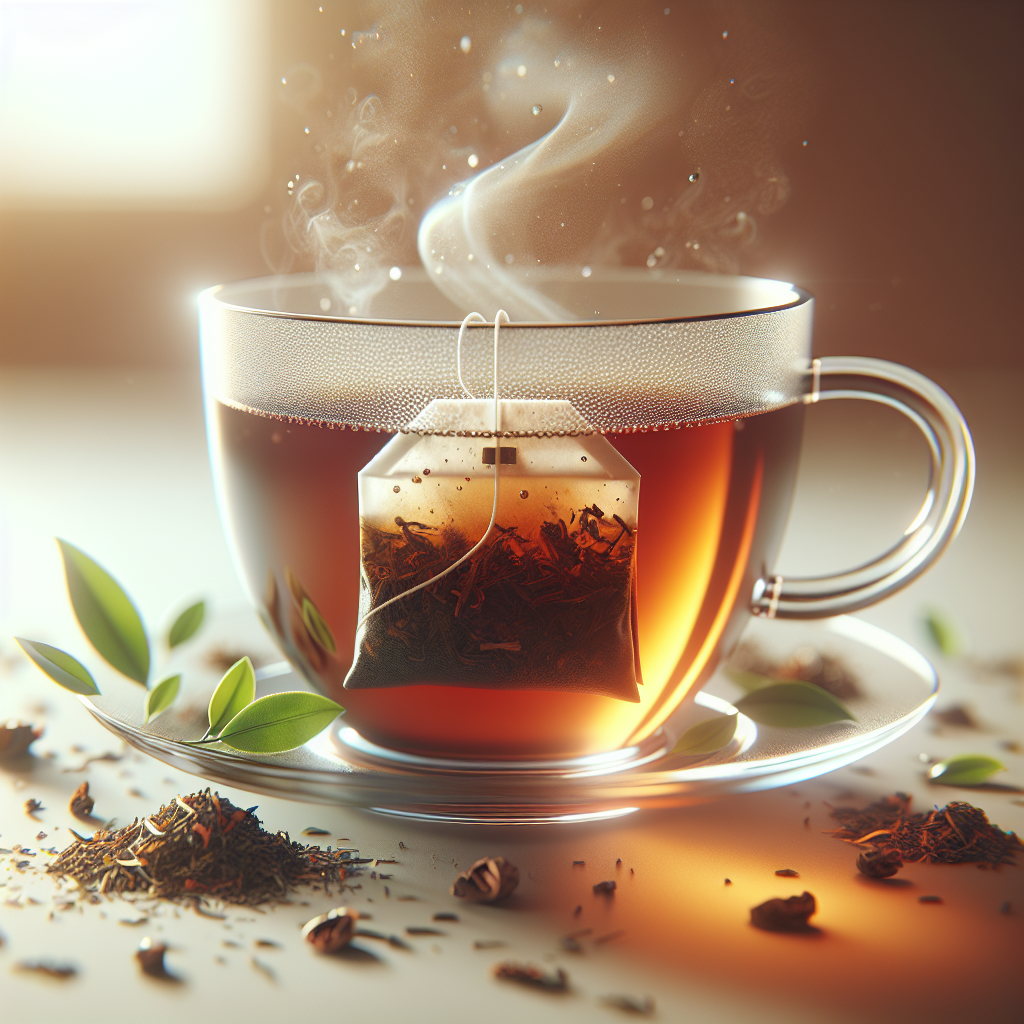
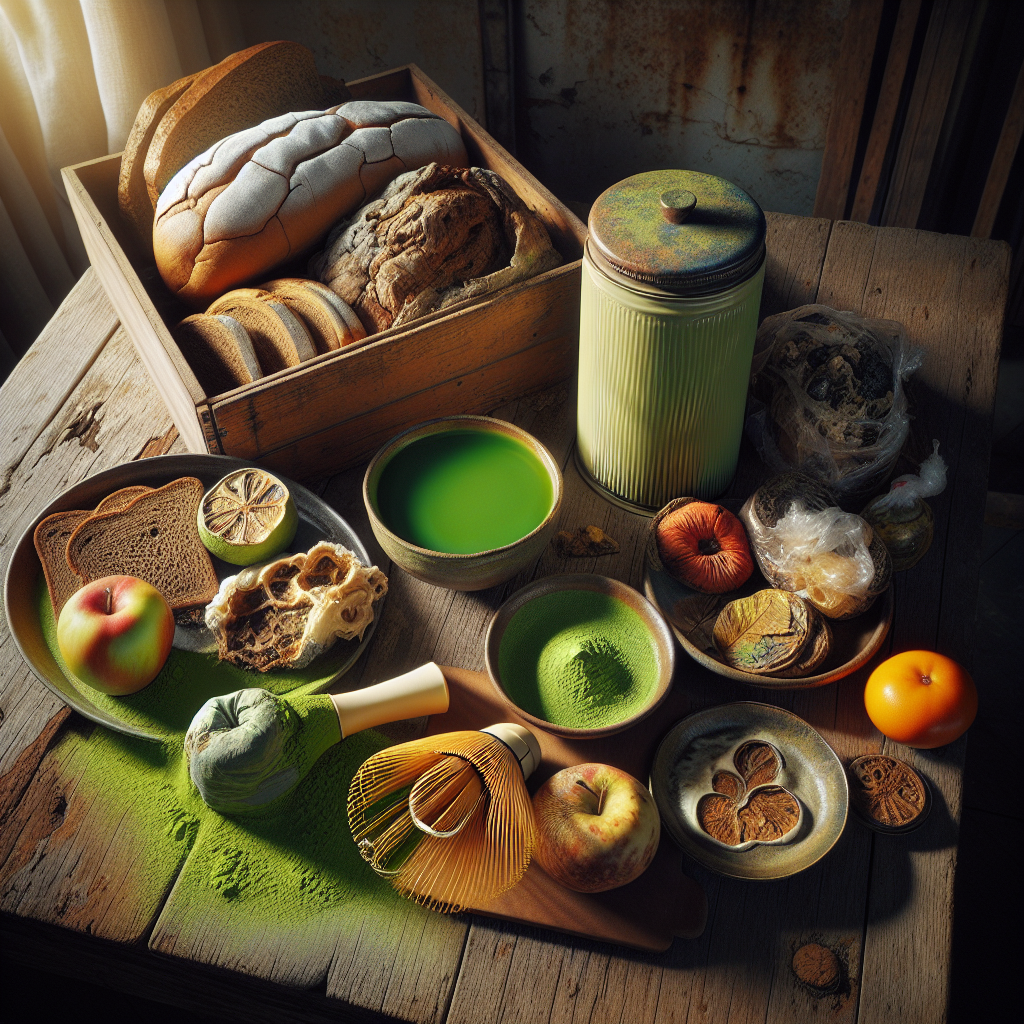
Tea, one of the world’s oldest and most beloved beverages, is celebrated for its variety, taste, and health benefits. However, not all teas are created equal when it comes to their impact on health. If you’re asking “What is the unhealthiest tea to drink?”, it’s essential to consider not just…
-
 Continue reading →: Exploring Optimal Soils for White, Green, Black, Oolong Teas
Tea cultivation is a nuanced agricultural practice that hinges significantly on the type of soil used. Different soils affect the growth, health, and flavor of tea plants, ultimately influencing the quality and characteristics of the tea produced. Understanding what soil is suitable for tea cultivation is crucial for growers. In…
-
 Continue reading →: Hydration and Soil Tips for Herbal Tea Enthusiasts
When considering hydration and wellness choices, many turn to what seems a simple question: Does herbal tea count as water intake? As we explore this query, it’s essential to also consider the environments where health beverages like tea thrive, particularly focusing on which soil is suitable for tea cultivation. This…
-
 Continue reading →: Peppermint Tea: Does It Count Towards Daily Hydration?
Many individuals question whether herbal teas, such as peppermint tea, contribute to their daily water intake. This question is particularly relevant for those striving to meet their hydration needs while enjoying flavorful alternatives to plain water. Understanding whether peppermint tea and similar beverages count towards water intake can help in…
-
 Continue reading →: Exploring Camellia Sinensis: Base of World Tea Cultures
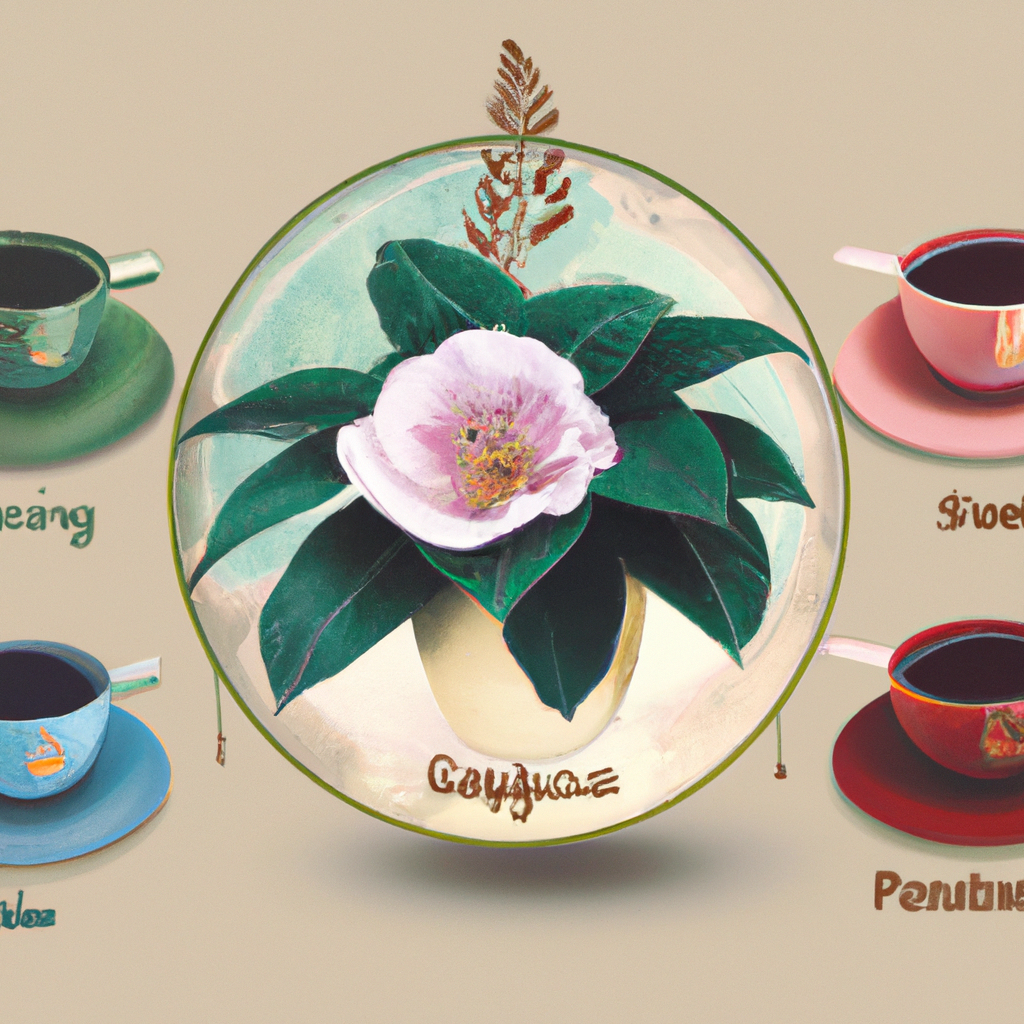
The revered Camellia sinensis plant is the cornerstone of traditional tea production, encompassing a vast diversity from green to black teas. As we delve into the significance of this botanical specimen, we understand not only the cultural and historical aspects but also the practical implications of why this plant is…
-
 Continue reading →: Ultimate Guide to Camellia Sinensis and Local Herbal Stores
If you’re delving into the world of teas, you’ve likely come across the term Camellia sinensis, the botanical name for the tea plant from which almost all traditional teas like black, green, and oolong are derived. This incredible plant not only offers rich flavors and cultural history but also packs…
-
 Continue reading →: Exploring Camellia Sinensis: Your Guide to Herbal Stores
Exploring the multifaceted world of herbal remedies often leads curious health enthusiasts and seasoned herbalists alike to the treasure trove that is the local herbal store. Particularly noteworthy in these natural alcoves is Camellia sinensis, the plant behind all traditional teas—black, green, and oolong. This storied herb not only offers…
-
 Continue reading →: Peppermint Tea: Hydration Benefits & Health Perks
Understanding whether herbal teas can contribute to daily water intake is crucial for maintaining optimal hydration levels. While tea is primarily composed of water, the inclusion of herbs adds a layer of complexity. Peppermint tea, in particular, offers not only refreshing flavors but also several health benefits, making it a…
-
 Continue reading →: Exploring Camellia Sinensis: The Heart of Tea Varieties
Delving into the world of tea reveals a remarkable consistency: the majority of tea varieties we drink are derived from a single plant species, Camellia sinensis. Whether it’s the robust flavors of black tea, the delicate aroma of white tea, or the soothing essence of green tea, they all begin…
-
 Continue reading →: Local Herbal Stores: A Guide to Quality Camellia Sinensis
Exploring local herbal stores can be a delightful adventure, especially for enthusiasts of natural remedies and wellness practices. Of particular interest is the camellia sinensis plant, better known as the tea plant, which is celebrated worldwide for its soothing properties and health benefits. Whether you are a seasoned herbal tea…
Hello,
I’m George

As a tea lover, my website shares my journey of exploring and crafting diverse, flavorful tea blends. Join me in celebrating the art of tea!
Let’s connect
Join Our Tea Circle!
Join our Tea Circle! Get expert tips, exclusive offers, and global tea insights. Subscribe now!