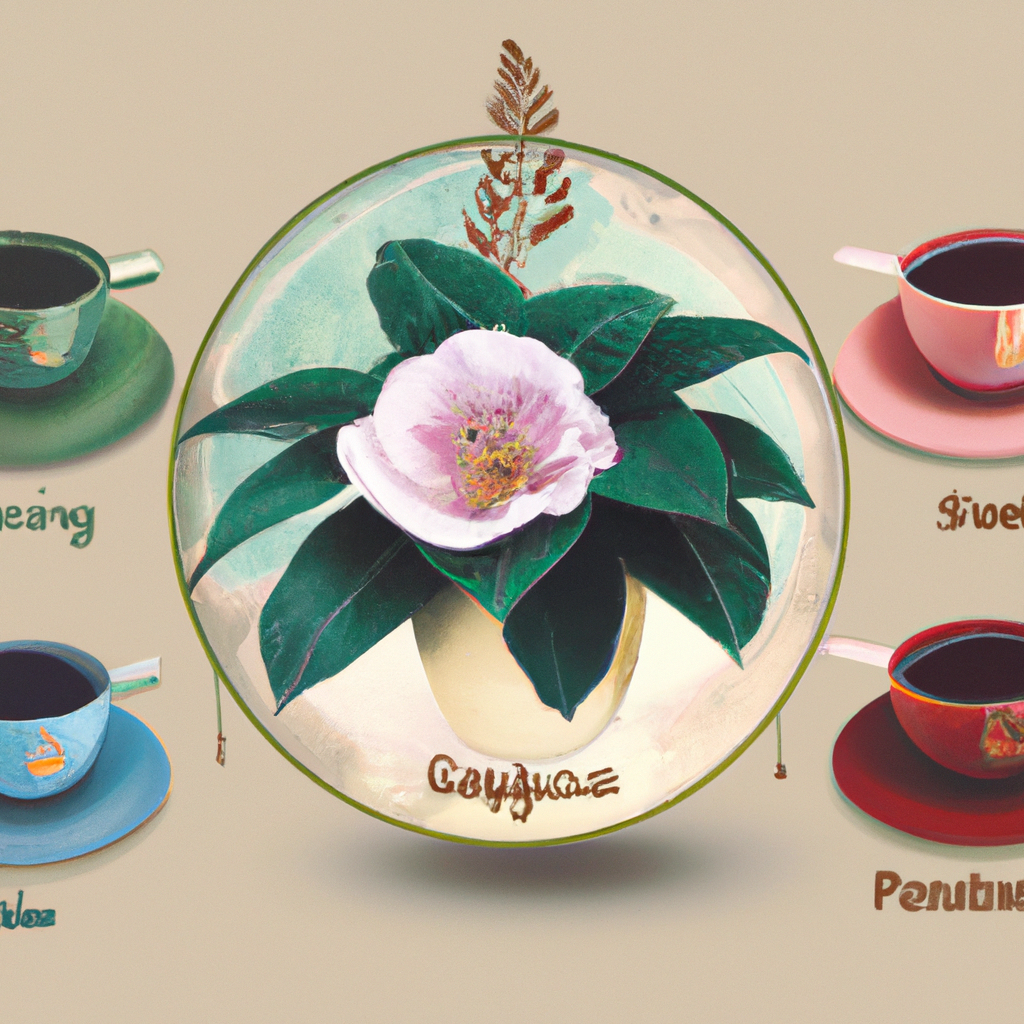
The revered Camellia sinensis plant is the cornerstone of traditional tea production, encompassing a vast diversity from green to black teas. As we delve into the significance of this botanical specimen, we understand not only the cultural and historical aspects but also the practical implications of why this plant is universally chosen as the base for tea. This exploration is instrumental in appreciating each sip of tea and recognizing its deeper wellness benefits.
Cultural and Historical Significance of Camellia Sinensis
Exploring the origins of Camellia sinensis offers a fascinating glimpse into the tea culture.
The Ancient Roots of Tea
Tea, as we know it today, began its journey in ancient China, with the earliest records dating back to the Shennong era, around 2737 BC. Camellia sinensis, thanks to its adaptability and robust flavor profile, quickly became the preferred choice for crafting various tea types. This deep-rooted history underscores the plant’s enduring relevance in tea traditions worldwide.
Spread of Tea Cultivation Globally
From China, the knowledge and cultivation practices of Camellia sinensis spread to Japan, India, and beyond, morphing into a global phenomenon. Each region developed its unique tea cultivation techniques, which further diversified the flavors and methods associated with Camellia sinensis teas.
Botanical Characteristics of Camellia Sinensis
Understanding the growth and morphology of Camellia sinensis is crucial for appreciating its role in tea production.
Varieties and Subspecies
There are primarily two varieties of Camellia sinensis—Camellia sinensis var. sinensis and Camellia sinensis var. assamica. The former is more prevalent in China and prefers cooler climates, while the latter, found in the Assam region of India, thrives in warmer, more humid conditions. This adaptability across climates contributes significantly to the global spread of tea farming.
Harvesting and Processing
The methods employed in harvesting and processing Camellia sinensis leaves play a significant role in defining the flavor, color, and aroma of the tea. For example, green tea retains its color due to rapid heating, which halts enzymatic browning, whereas black tea owes its richer flavor and darker color to extended fermentation.
Health Benefits and Wellness Attributes of Camellia Sinensis Teas
The health benefits associated with teas made from Camellia sinensis are vast and scientifically validated.
Antioxidant Properties
Teas derived from Camellia sinensis are rich in antioxidants, particularly catechins, which have been shown to reduce oxidative stress and combat free radicals.
Cardiovascular Health
Regular consumption of Camellia sinensis tea can enhance cardiovascular health by improving blood flow and reducing cholesterol levels. Studies indicate that the flavonoids present in tea may help in lowering the risk of heart disease.
Culinary Uses and Innovations
Apart from its health benefits, Camellia sinensis is also celebrated for its versatility in culinary practices.
Tea-Infused Recipes
Chefs and home cooks alike use tea leaves to add a unique flavor to various dishes, from savory meals like smoked chicken marinated in black tea to desserts such as green tea ice cream.
Beverage Experiments
The trend of mixing tea with other beverages to create hybrid drinks, such as tea-infused cocktails, showcases the innovative use of Camellia sinensis in modern gastronomy.
Frequently Asked Questions
What makes Camellia sinensis suitable for a wide range of teas?
Its genetic and morphological diversity allows it to adapt to various climates and processing methods, yielding a spectrum of flavors and types.
How does the processing of Camellia sinensis affect tea quality?
The timing of harvesting and the specific process such as oxidation or heating significantly influence the taste, color, and aroma of the tea.
Can Camellia sinensis tea improve skin health?
Yes, the antioxidants and polyphenols in the tea help protect the skin from oxidative damage and may improve skin health.
Is there a best time of day to consume Camellia sinensis teas?
While it can be enjoyed any time, drinking tea early in the day can maximize its energizing benefits without disrupting sleep.
How does Camellia sinensis compare to herbal teas?
Unlike herbal teas, which do not contain Camellia sinensis leaves, teas from this plant contain caffeine and antioxidants, offering different health benefits.
What are the environmental impacts of cultivating Camellia sinensis?
Sustainable practices are essential as improper cultivation can lead to deforestation, soil erosion, and biodiversity loss.
How has the global perception of Camellia sinensis tea evolved?
It has shifted from an everyday staple to a refined beverage appreciated for its health benefits and cultural significance, enjoyed worldwide.
In conclusion, understanding why Camellia sinensis is the base of almost all teas not only enriches our appreciation of this beverage but also highlights its multifaceted benefits and global cultural importance. Each cup of tea brewed from this remarkable plant carries a rich history of tradition, health benefits, and a deep connection with nature.

Leave a Reply