Tea, often celebrated for its health benefits and diverse range, has also sparked debates about its varying impacts on health. While many teas promote hydration, antioxidants, and even weight loss benefits, not all teas are created equal in terms of health. In exploring the realm of teas, one question arises in particular: What is the unhealthiest tea to drink? This article delves deep into the world of teas, evaluating which types might be least beneficial, and why moderation and selection matter in maintaining a healthy balance.
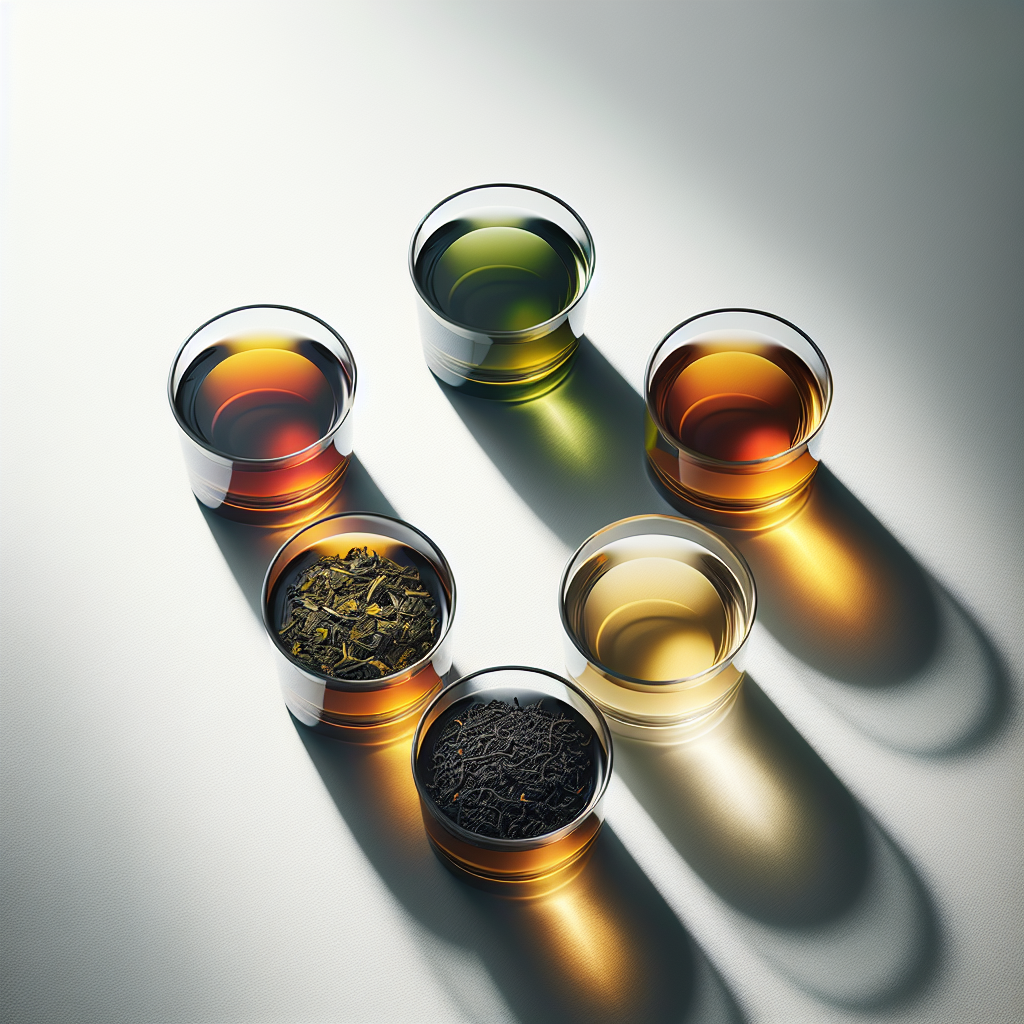
Understanding different tea types is essential before identifying the least healthy options. Typically, teas are classified into four main types: black, green, white, and oolong. Each type offers distinct flavors, brewing techniques, and health benefits, attributable to their specific processing methods and chemical compositions. In discussing the unhealthiest tea to drink, we shall consider these various categories, the additives and brewing practices that could detract from their health values.
Exploring the Major Types of Tea
Before delving into the health implications of various teas, let’s briefly outline the four main types of tea – black, green, white, and oolong.
Black Tea
Known for its robust flavor and dark color, black tea undergoes a full oxidation process, which contributes to its characteristic taste and high caffeine content. It’s popular globally, particularly in forms such as English breakfast and Earl Grey.
Green Tea
Green tea offers a more delicate flavor and is lighter in color compared to black tea. It is minimally oxidized and is high in antioxidants like EGCG, which are linked to numerous health benefits, including reduced inflammation and improved heart health.
White Tea
White tea is the least processed of all tea types, known for its light, subtly sweet flavor. It retains a high amount of antioxidants and is the lowest in caffeine of all traditional teas.
Oolong Tea
Oolong tea represents a midpoint in oxidation between green and black teas. It can vary significantly in flavor, ranging from sweet and fruity to thick and woody. Oolong is particularly prized in Chinese tea culture for its nuanced flavors and supposed metabolic benefits.
Identifying the Unhealthiest Teas
When considering What is the unhealthiest tea to drink, we must look at various factors influencing a tea’s health quality, including cultivation, processing and preparation.
Heavy Metal Content and Tea
Some studies have indicated that teas, particularly cheaper brands, can contain high levels of heavy metals like lead and arsenic absorbed from soil and water contaminants. Prolonged consumption of such teas may pose health risks, emphasizing the importance of choosing teas from reputable sources.
Impact of Additives and Sugar
Added sugars and artificial flavors can turn an otherwise healthy tea into a caloric, sugar-laden beverage. Commercially marketed iced teas and “tea drinks” often fall into this category, possibly becoming the unhealthiest tea to drink due to their high sugar content and low actual tea concentration.
Health Risks Associated with Sweetened Teas
Regular consumption of highly sweetened teas can lead to an increased risk of diabetes, obesity, and dental problems. The high sugar content overshadows the natural health benefits of the tea leaves.
Tea Preparation and Health Implications
The method of preparing tea can also affect its health benefits. Steeping time, water temperature, and the material of the tea bag can all influence not only flavor but also health properties.
Problems with Plastic Tea Bags
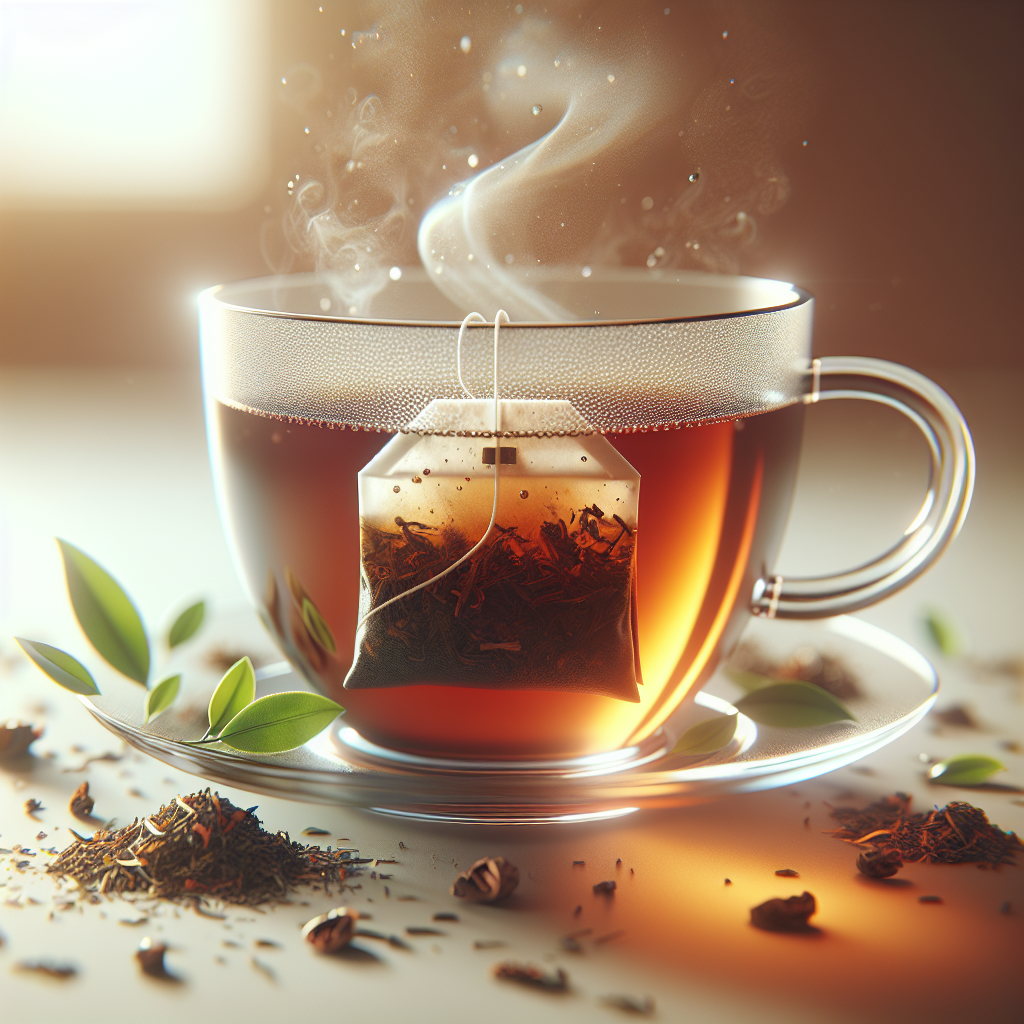
Some tea bags contain plastics that can leach into the tea when steeped in boiling water, potentially introducing harmful substances to the drink. Opting for loose-leaf tea or paper-based tea bags can be a healthier choice.
Over-steeping and Bitterness
Over-steeping tea can lead to an increase in bitterness and a decrease in health-promoting compounds. It’s important to follow the recommended steeping times to maximize the benefits and minimize potential negative effects from compounds such as tannins.
Frequently Asked Questions
What tea should I avoid if I’m concerned about sugar content?
Pre-sweetened iced teas and tea drinks available in stores typically have high sugar content. Opting for homemade or unsweetened versions would be a healthier choice.
Are there risks associated with drinking too much tea?
Excessive consumption of any tea, especially those high in caffeine, can lead to nervousness, restlessness, and sleep issues. Moderation is key in maintaining health benefits without the adverse effects.
How does the oxidation process affect tea health benefits?
Oxidation can reduce some of the antioxidants in tea leaves, particularly noted in black and oolong teas compared to green and white teas. Choosing less oxidized teas can confer greater antioxidative properties.
What is the safest type of tea regarding contamination?
White tea, being minimally processed and typically less cultivated, often has lower levels of contamination. However, sourcing from reputable, organic-certified farms can ensure higher safety levels for any tea type.
Can sweeteners other than sugar make tea unhealthy?
Artificial sweeteners, while low in calories, may encourage a sweet preference and are associated with other health concerns. Natural sweeteners like honey or maple syrup are better but should still be used sparingly.
Is flavored tea less healthy than regular tea?
Flavored teas can be as healthy as regular teas provided they don’t contain additional sugars or artificial ingredients. Checking the ingredient list is advisable to ensure healthiness.
What is the role of certified organic tea in health?
Certified organic teas are less likely to contain pesticide residues and other chemicals, potentially making them healthier choices compared to non-organic teas.
Ultimately, answering What is the unhealthiest tea to drink? involves considering how the tea is processed, prepared, and enhanced. Making informed choices about the type of tea, its origin, and its additives can help maintain the balance between enjoying a beloved beverage and nurturing one’s health. Always choose teas that align with personal health goals, and consult medical advisors regarding dietary changes, especially if managing existing health conditions.

Leave a Reply