
Exploring the benefits of green tea for different aspects of health has been a topic of interest among researchers and health enthusiasts alike. Given the prominence of skin health in personal care discussions, a common question arises: Is green tea good for pimples? This article delves into the potential benefits of green tea in managing and possibly reducing pimples. We’ll also examine its overall impact on skin health, supported by scientific insights and practical applications.
Green Tea and Skin Health
Green tea’s reputation as a health-enhancing beverage extends beyond its commonly recognized cardiovascular and metabolic benefits. Its implications for skin health are of particular interest for those dealing with acne and pimples.
Active Compounds in Green Tea
Green tea contains a wealth of bioactive compounds, including polyphenols like catechins, which exhibit powerful antioxidant, anti-inflammatory, and antimicrobial properties. These compounds play a critical role in why green tea might be effective against pimples.
Antioxidant Properties and Skin
The antioxidant properties of green tea help combat oxidative stress, a factor that can exacerbate skin issues, including acne. By neutralizing free radicals, green tea helps protect skin cells from damage and premature aging.
Anti-inflammatory Effects
Inflammation is a significant cause of pimples. The anti-inflammatory properties of green tea can help reduce skin redness and inflammation, making it a beneficial drink for those looking to manage acne symptoms.
Research on Green Tea and Acne
Several studies have highlighted the positive impact of topical green tea applications in acne treatment. For instance, a study using a green tea lotion showed significant improvement in acne for participants, suggesting its potential as a supplementary treatment.
How to Use Green Tea for Pimples
Incorporating green tea into your skincare routine can be done in various forms, whether drinking it or applying it topically through products infused with green tea extract.
Drinking Green Tea for Skin Benefits
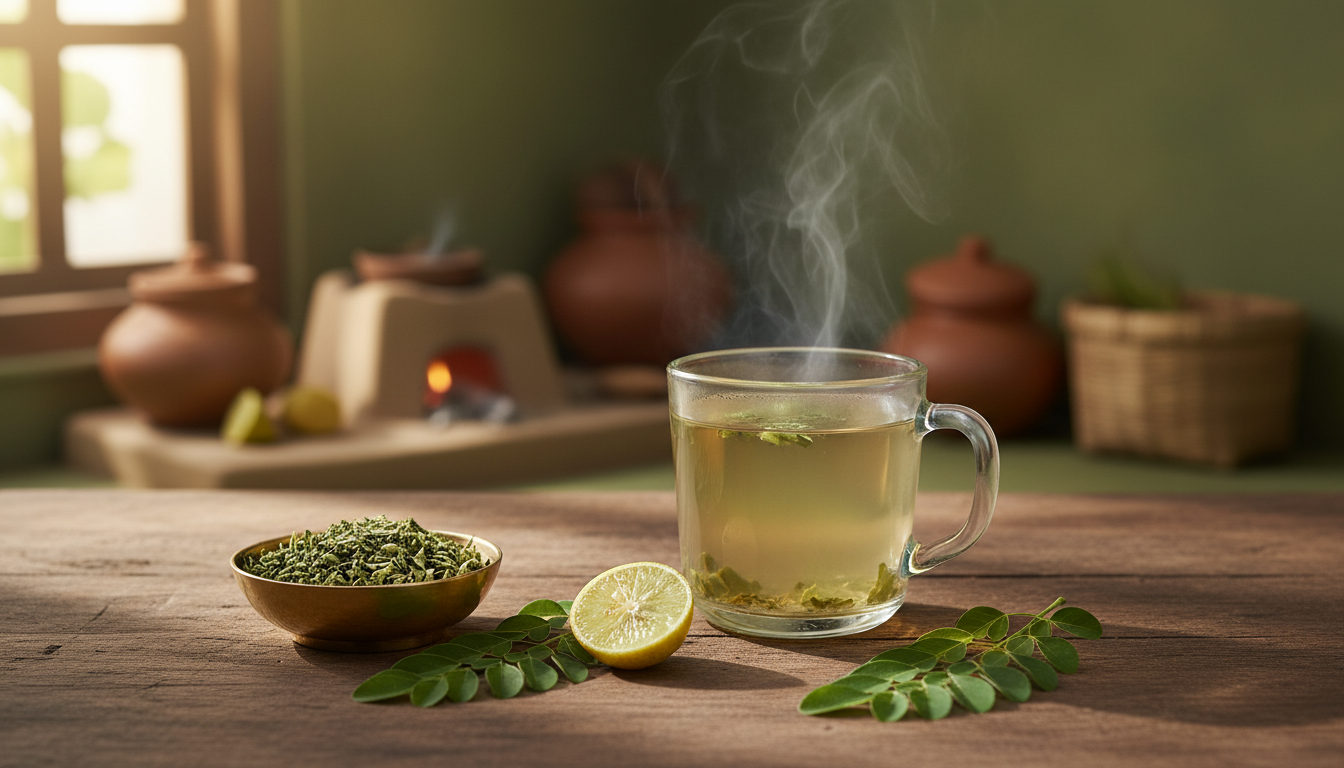
Regular consumption of green tea can help clear your skin from the inside out. Integrating two to three cups of green tea into your daily diet might contribute significantly to your skin’s health.
Choosing the Right Green Tea
Opt for organic and minimally processed green tea to maximize the skin benefits. The fewer additives and processing steps involved, the higher the potency of beneficial polyphenols.
Topical Green Tea Treatments
Using skin care products containing green tea extract can directly address skin concerns. Green tea masks, serums, and cleansers can help reduce oiliness and treat pimples.
DIY Green Tea Face Masks
A simple DIY green tea face mask can be made by mixing green tea powder with honey and a dash of lemon juice. This mixture can be applied to the face twice a week to help manage acne flare-ups.
Comparative Analysis with Other Natural Remedies
While green tea holds promise in skin care, comparing its effectiveness with other natural remedies offers a broader perspective on managing pimples naturally.
Aloe Vera versus Green Tea
Aloe Vera is another popular natural remedy for skin issues. Like green tea, it has anti-inflammatory and antimicrobial properties but differs in its moisturizing abilities, which green tea lacks.
Essential Oils and Green Tea
Tea tree oil is widely used for treating acne. When comparing tea tree oil and green tea, both have significant antimicrobial and anti-inflammatory properties, though tea tree oil might be more potent in direct application scenarios.
Green Tea and Over-the-Counter Acne Treatments
Comparing green tea with over-the-counter acne treatments like benzoyl peroxide shows that while both are effective, green tea offers a natural alternative without the harsh chemicals that can irritate sensitive skin.
Frequently Asked Questions
How often should I drink green tea to help with pimples?
Drinking 2-3 cups of green tea daily can help improve your skin’s condition by reducing inflammation and supporting skin healing from within.
Can green tea prevent acne scars?
While green tea can help reduce inflammation and lesion size in acne, its effectiveness in preventing scars has not been conclusively proven but it may contribute to overall skin health.
Is it safe to use green tea along with other acne treatments?
Yes, green tea can typically be used safely in conjunction with other acne treatments, but it’s always wise to consult with a dermatologist to tailor the right combination for your skin type.
Are there any side effects of using green tea topically for pimples?
Topical use of green tea is generally considered safe. However, some individuals may experience irritation or allergic reactions, particularly if they have sensitive skin. Patch testing is recommended.
Does the caffeine in green tea affect skin health?
Caffeine content in green tea is relatively low, but it’s advisable to moderate intake if you have caffeine sensitivity, as excessive caffeine can potentially exacerbate acne.
What type of green tea is most effective for treating pimples?
Organically grown, minimally processed green tea retains the highest level of antioxidants, making it the most effective type for treating pimples.
Can replacing coffee with green tea reduce acne?
Switching from coffee to green tea may help some people manage their acne better due to lower caffeine levels and the anti-inflammatory benefits of green tea.
Internal Links:
– The Health Benefits of Green Tea
– Green Tea in Skin Care: What You Need to Know
External Links:
– Learn more about the clinical studies involving green tea and skin health.
– For a deeper dive into the science of botanicals in skincare, visit Journal of Investigative Dermatology.
End of the article.




Leave a Reply