
The question of which is an herbal tea intersects with the historical journey of tea itself, particularly how it has been embraced in different cultures worldwide. When it comes to India, tea is often synonymous with robust black teas like Assam or Darjeeling. However, India’s botanical wealth also includes a vast array of plants used in traditional herbal teas, known locally as ‘Kashayams’ or ‘Kadhas’. Understanding the origins of tea in India, alongside the distinguishing features of herbal teas, enriches our appreciation of this global beverage.
The Historical Roots of Tea in India
The history of tea in India is as rich and complex as the flavors of the tea itself. Though widely popularized by the British during the colonial era, evidence suggests that tea plants were native to certain regions of India long before their commercial cultivation.
Exploring the archival records and genetic studies reveals that the Camellia sinensis plant, primarily known for producing most of the black and green teas, was indeed indigenous to regions in northeastern India. The indigenous tribes of Assam, for example, had been using wild tea varieties long before they were formally cultivated.
Introduction of Tea Cultivation to India
While the native tribes had their own uses for the tea plant, commercial cultivation began with British intervention in the early 1800s. Realizing the climatic potential of regions like Assam and Darjeeling for growing tea, the British East India Company began large-scale production and exportation. This event marked a significant shift in the agricultural landscape of India and helped position tea as a cornerstone of Indian economy and culture.
The Spread and Evolution of Tea Drinking in India
From the colonial estates, the practice of tea drinking spread rapidly amongst the locals. Over the years, various regional brews and techniques have emerged, making tea a versatile element in India’s social fabric. The introduction of spices to brews, for instance, led to the popularization of ‘Masala Chai’, a beloved variant which today stands as a symbol of Indian tea culture globally.
Defining Herbal Tea
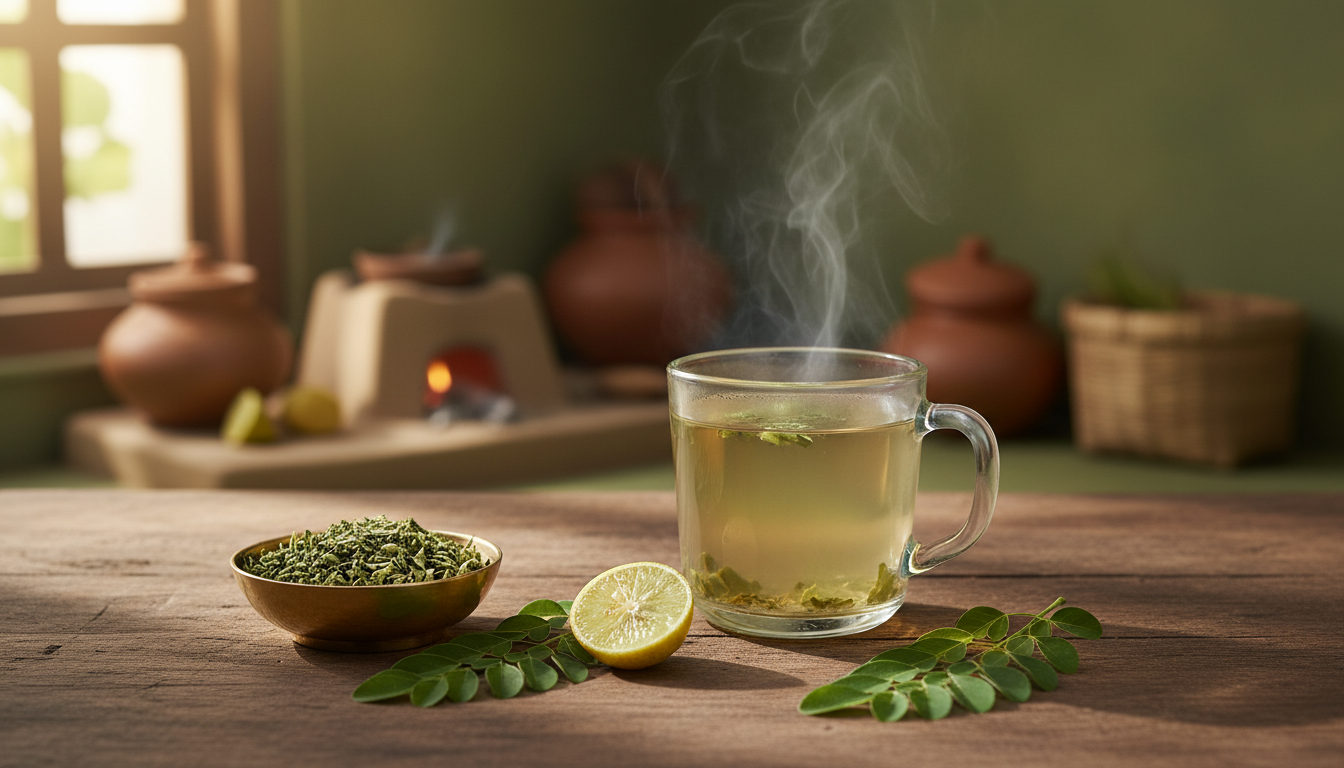
Herbal tea, unlike traditional tea, does not originate from the Camellia sinensis plant. Instead, it is made from a diverse collection of dried herbs, spices, flowers, or fruits. This variety contributes not only to their unique flavors but also to numerous health benefits associated with each ingredient.
Common Ingredients in Herbal Teas
In India, common ingredients for herbal tea include holy basil (tulsi), ginger, peppermint, chamomile, and hibiscus. Each of these has been used in traditional medicine to aid digestion, relieve stress, and boost immunity, amongst other benefits.
The Role of Tulsi
Tulsi, or holy basil, is revered in India for its medicinal properties and is often considered a healing herb in Ayurveda. Tulsi tea is a staple in many households, consumed not only for its soothing and refreshing flavor but also for its health-enhancing properties.
Preparing and Enjoying Herbal Teas
Preparing herbal tea involves steeping the chosen herbs in hot water, which can be adjusted according to taste preferences and desired strength. Many people enjoy herbal teas as a caffeine-free alternative to coffee and traditional tea, especially in the evenings.
Tea Culture in India Today
Today, India is one of the largest tea producers in the world, with a vast array of teas being exported globally. The traditional black teas like Assam and Darjeeling are well-known, but there’s also an increasing international interest in India’s herbal teas.
Influence of Global Trends on Indian Tea Practices
The global trend towards health and wellness has seen a rise in the popularity of herbal teas within India. This shift is also reflective of a deeper global engagement with herbal practices and organic products, with India’s rich botanical heritage providing much to offer to this market.
Frequently Asked Questions
Which is an herbal tea that originates from India?
Tulsi tea is a popular herbal tea that originates from India. Known for its numerous health benefits, it is made from the leaves of the holy basil plant, widely grown across the country.
What is the difference between herbal tea and regular tea?
Herbal tea is made from various dried herbs, spices, flowers, or fruits, while regular tea is derived from the Camellia sinensis plant. Herbal teas generally do not contain caffeine, unlike regular teas.
How do you prepare traditional herbal tea?
To prepare traditional herbal tea, boil water and add your choice of dried herbs, letting them steep for 5-10 minutes depending on the desired strength. Strain and serve either hot or cold, possibly sweetened with honey.
Can herbal teas provide health benefits?
Yes, many herbal teas offer various health benefits, including aiding digestion, boosting the immune system, and reducing stress. The specific benefits depend on the primary ingredients used in the tea.
Are there any caffeine-free tea options in India?
Yes, many herbal teas in India, such as tulsi, chamomile, and ginger tea, are naturally caffeine-free and are great alternatives for those looking to reduce their caffeine intake.
What are some popular herbal teas available in India?
Popular herbal teas in India include tulsi tea, ginger tea, chamomile tea, and hibiscus tea, each known for their unique flavors and health benefits.
Is there a preferred time to drink herbal tea in India?
Herbal teas can be enjoyed at any time of the day, but many people prefer to drink them in the evening due to their calming effects and because they are caffeine-free.

Leave a Reply