
When discussing the intricacies of hydration, many wonder if beverages like herbal tea count as part of their daily water intake. Given the importance of maintaining proper fluid levels for overall health, it’s valuable to consider all sources of hydration—including those infused with herbs and natural flavors. Understanding whether these enjoyable drinks can contribute effectively to our hydration needs not only impacts our drinking habits but also influences our lifestyle choices around beverage consumption.
This exploration begins by discussing the role of herbal tea in hydration and extends to the beneficial properties that these teas offer beyond simple fluid intake. Additionally, we dissect the myths and provide practical advice on integrating herbal tea into a balanced hydration strategy, appreciating its cultural significance and health benefits while being mindful of hydration needs.
The Role of Herbal Tea in Daily Water Intake
Herbal tea, often enjoyed for its flavors and therapeutic properties, raises questions about its efficacy as a hydration source. The following sections delve into how herbal teas contribute to fluid intake and their comparison with plain water.
Comparison Between Herbal Tea and Water
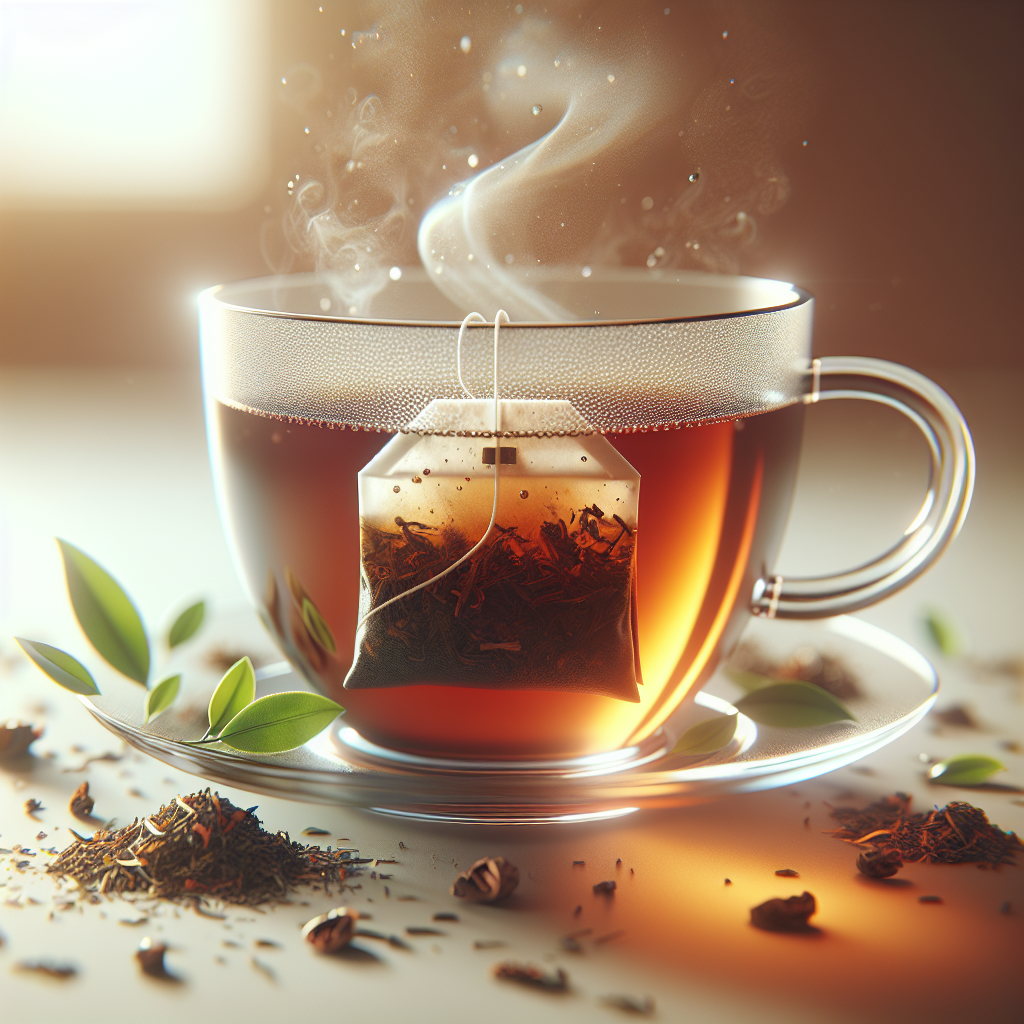
Firstly, it’s crucial to understand that herbal teas are primarily water-based—a factor that inherently qualifies them as a good source of hydration. Unlike caffeine-rich black or green teas, herbal teas usually do not contain caffeine, which is known for its diuretic effects. Therefore, the hydration received from herbal tea can be similar to that provided by water, albeit with added flavors and nutrients that can enhance the drinking experience without compromising hydration status.
Analyzing Hydration Properties
Herbal tea’s composition mostly involves water and herbs. The lack of caffeine makes herbal teas an excellent alternative to maintain or boost hydration levels, especially for those sensitive to caffeine or who wish to avoid it. Research indicates that hydration from herbal teas can effectively complement one’s daily intake of plain water, reinforcing their role in a balanced hydration regimen.
Nutritional Benefits and Considerations
While discussing hydration, it’s also beneficial to consider the nutritional aspect of herbal teas. Aside from hydration, these teas often contain vitamins, minerals, and antioxidants, providing a nutritional boost. For instance, chamomile tea is renowned for its calming properties, while hibiscus tea may help in reducing blood pressure levels.
Calories and Health Impact
Most herbal teas are low in calories, making them a favorable choice for those monitoring calorie intake. It’s crucial, however, to consume herbal tea without added sugars to maintain these health benefits and support proper hydration.
Integrating Herbal Tea into Your Hydration Strategy
Incorporating herbal teas into a daily fluid intake routine can be both beneficial and enjoyable, offering variety and health benefits. Below are practical tips on how to effectively enjoy these beverages while staying hydrated.
Best Practices for Herbal Tea Consumption
To optimize hydration while enjoying herbal tea, consider drinking tea between meals or during breaks. This not only ensures ongoing hydration throughout the day but also helps in absorbing the full benefits of the herbs used in the tea.
Maintaining Balance with Water
While herbal teas are a great addition to your hydration strategy, it’s vital to maintain a balance with pure water intake. No single solution perfectly fits everyone’s hydration needs, so it’s beneficial to listen to your body and adjust your intake of herbal tea and water accordingly.
Frequently Asked Questions
Does drinking herbal tea hydrate you as much as water?
Yes, herbal tea can hydrate you effectively as it is primarily water-based and typically does not contain caffeine, which could potentially dehydrate you. It can complement your daily water intake especially if consumed without added sugars.
Can herbal tea completely replace water in my diet?
While herbal tea is a good hydration source, it should not completely replace water. Pure water is essential for optimal hydration and overall health. Herbal teas should be seen as a supplement to, not a substitute for, water.
Is there a limit to how much herbal tea one should drink?
Drinking herbal tea in moderation is key, as excessive consumption could involve excessive nutrient intake or interact with certain medical conditions or medications. It’s advised to consult with a healthcare provider to determine an appropriate amount.
Are there any risks associated with herbal tea consumption?
Herbal teas are generally safe for most people when consumed in moderation; however, some individuals may experience allergic reactions to certain herbs, or interference with medications. Always check with a health professional if unsure.
Which herbal teas are best for hydration?
Herbals teas like chamomile, peppermint, and hibiscus are excellent for hydration. They are caffeine-free and provide a soothing, refreshing experience while contributing to fluid intake.
How does herbal tea fit into an active lifestyle?
For those with active lifestyles, herbal tea can serve as a pre or post-activity drink, offering not only hydration but also antioxidants that can aid in recovery and reduce inflammation.
Does the time of day affect the hydrating benefits of herbal tea?
No, the hydrating benefits of herbal tea remain consistent regardless of the time of day they are consumed. However, drinking herbal tea can be particularly relaxing in the evening as part of a bedtime routine.
With an emphasis on maintaining hydration and leveraging the delightful variety of herbal teas, individuals can enjoy these beverages as part of a healthy lifestyle. Herbal teas provide more than just hydration; they bring a plethora of flavors and potential health benefits, making them a worthy addition to any daily regimen.

Leave a Reply