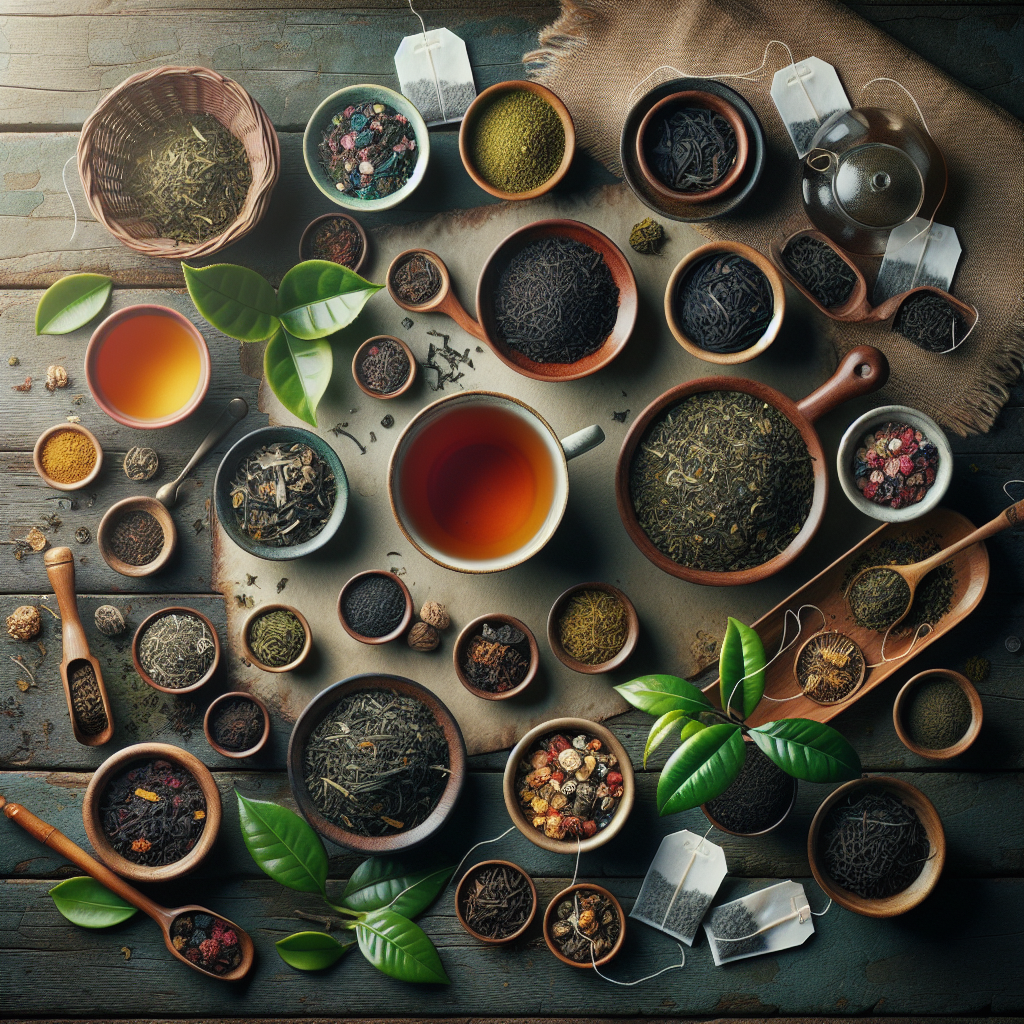
Exploring the pivotal role of Camellia sinensis in the world of teas provides an enlightening insight into why this plant is foundational to the industry. Camellia sinensis, a species of evergreen shrubs or small trees whose leaves and leaf buds are used to produce tea, is the origin for not only black and green teas but also oolong and white teas. The versatility and enriching qualities of this plant have made it a staple in tea cultures around the globe. From its cultivation to the final brewed cup, the journey of Camellia sinensis is steeped in history, tradition, and a deep understanding of botanical craftsmanship.
The Unique Properties of Camellia Sinensis
At the heart of every soothing cup of tea lies the unique characteristics of the Camellia sinensis plant.
Botanical Features and Growth Conditions
Camellia sinensis thrives in tropical and subtropical climates, requiring specific environmental conditions such as high altitudes and moist, acidic soil. Its resilience and adaptability, however, allow it to flourish in various regions across South Asia and beyond, contributing to the distinct flavors and profiles of local teas.
Chemical Composition and Health Benefits
The leaves of Camellia sinensis are rich in polyphenols, antioxidants, flavonoids, and amino acids, which are believed to offer numerous health benefits. These substances play a crucial role in reducing inflammation, aiding digestion, and potentially lowering the risk of chronic diseases such as heart disease and diabetes.
Processing Techniques and Tea Varieties
How Camellia sinensis leaves are processed determines the type of tea produced — each with its unique flavor, color, and aroma.
Drying and Oxidation Processes
The initial step in tea production involves drying the plucked leaves to reduce moisture content. The extent of oxidation, which can range from minimal to extensive, further defines the tea’s character. Green tea avoids oxidation altogether, preserving its green hue and delicate taste, while black tea is fully oxidized, offering a robust flavor.
Impact on Flavor Profiles
Variations in processing lead to a diverse spectrum of flavors, ranging from the earthy undertones of green tea to the bold richness of black tea. This versatility is what makes Camellia sinensis so unique in the realm of beverages.
Cultural Significance and Global Spread
The cultural impact of Camellia sinensis stretches across continents, influencing traditions and social practices around tea drinking.
Tea Ceremonies and Rituals
In many cultures, tea isn’t just a drink; it’s a ceremony. From the intricate Japanese tea ceremony to the daily tea rituals in British households, Camellia sinensis plays a central role in these culturally significant practices.
Economic Impact
As a major export commodity, tea supports economies worldwide, particularly in countries like China, India, and Sri Lanka. The global tea market’s dependency on Camellia sinensis promotes agricultural and commercial development in these regions.
Benefits of Peppermint Tea
While exploring the world of teas derived from Camellia sinensis, peppermint tea emerges as a popular herbal alternative, known for its refreshing flavor and health benefits.
Refreshing Flavor and Digestive Aid
Peppermint tea, though not a direct product of Camellia sinensis, is famed for its crisp, invigorating flavor and its ability to soothe digestive ailments.
Natural Remedies and Well-being
Often consumed for its potential health benefits, peppermint tea is said to relieve symptoms of bloating, indigestion, and even headaches. This herbal infusion is caffeine-free, making it a soothing choice for any time of the day.
Frequently Asked Questions
What makes Camellia sinensis suitable as a base for multiple tea varieties?
The inherent adaptability and rich chemical composition of Camellia sinensis make it ideal for creating a variety of teas through different processing methods, each yielding diverse flavor profiles and health benefits.
How does the antioxidant content in Camellia sinensis teas compare to other teas?
Camellia sinensis teas generally contain higher levels of antioxidants compared to herbal teas, contributing significantly to their health-promoting properties.
Can the benefits of peppermint tea be compared to those of teas from Camellia sinensis?
While peppermint tea offers distinct digestive and soothing benefits, teas from Camellia sinensis provide a broader spectrum of antioxidants beneficial for overall health.
Are there sustainable farming practices for cultivating Camellia sinensis?
Yes, sustainable practices such as shade-growing, organic farming, and fair trade initiatives are increasingly employed to ensure the eco-friendly cultivation of Camellia sinensis.
What is the best way to store tea leaves from Camellia sinensis to maintain their freshness?
Storing tea leaves in airtight, opaque containers at room temperature is key to preserving their flavor and freshness for extended periods.
How does climate affect the growth of Camellia sinensis?
The quality and flavor profile of the tea are heavily influenced by the climate, with optimal growth occurring in cool, high-altitude regions with significant rainfall.
Can peppermint tea be blended with Camellia sinensis teas?
Absolutely! Blending peppermint with Camellia sinensis teas such as green or black tea can enhance the flavor profile and combine the health benefits of both teas.


Leave a Reply