
Welcome to an in-depth exploration into Camellia sinensis, the foundational plant behind all traditional teas ranging from black to green, white, and oolong. Understanding why this single plant species is the base of such a diverse range of teas not only enriches our appreciation for this beloved beverage but also illuminates various cultural, agricultural, and scientific dimensions of tea production. This article aims to delve into the intrinsic qualities of Camellia sinensis that make it an indispensable component of the tea industry, and how its cultivation, processing, and brewing contribute to the benefits of peppermint tea and other varieties.
Botanical Features and Geographic Spread
Identifying the main reasons behind the dominance of Camellia sinensis in tea production starts with an exploration of its botanical characteristics and the environments in which it thrives.
Unique Botanical Characteristics
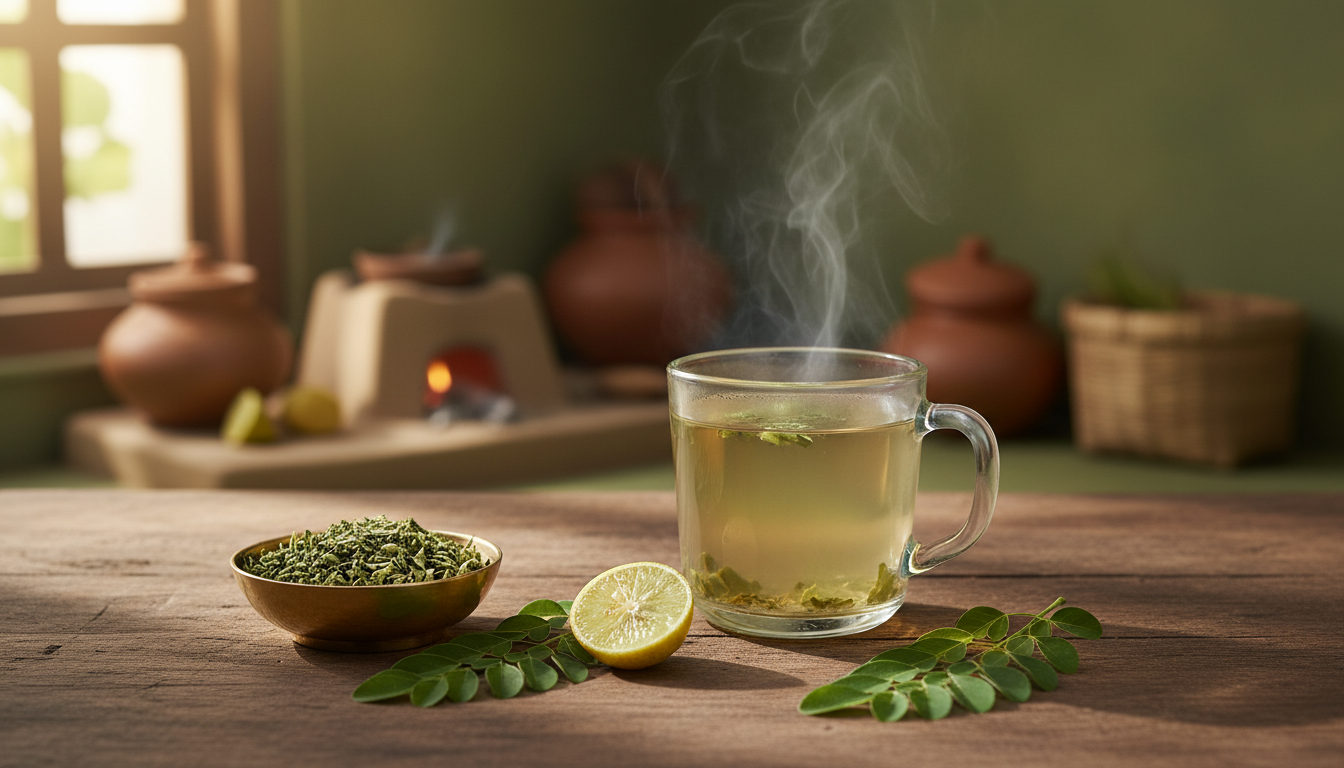
Camellia sinensis, a species of evergreen shrub or small tree, is native to East Asia. It’s distinguished by its glossy green leaves and fragrant blossoms. The ability of this plant to adapt to various climatic conditions while maintaining its intrinsic properties that are essential for quality tea production is key. These include its high levels of antioxidants, essential oils, and flavor compounds like polyphenols which contribute sizably to the benefits of peppermint tea and other teas when blended.
Global Cultivation Patterns
The cultivation of Camellia sinensis has spread far beyond its origins in China and India, reaching as far as Africa and South America. The adaptability of the plant means that it can thrive in a range of geographic and climatic conditions, though it flourishes particularly well in tropical and sub-tropical regions. Regions such as Assam in India and Yunnan in China are renowned as prime producers, thanks to their ideal rainfall patterns, temperature, and soil types. These regions significantly contribute to the commercial production that brings us various tea forms, each offering distinct flavors and health benefits.
Processing Techniques and Their Impact on Tea Variety
While Camellia sinensis is the single species from which most teas are derived, the variety in tea types comes from how the leaves are processed post-harvest.
From Green to Black – The Oxidation Spectrum
One of the primary factors in determining the type of tea (green, black, white, oolong) is the level of oxidation the leaves undergo. Green tea, for instance, is not oxidized, which helps preserve its green color and offers a lighter taste as well as noted health advantages. On the other hand, black tea is fully oxidized, which results in a darker color and richer flavor. The process significantly influences the proposed benefits of peppermint tea when paired with non-oxidized teas for enhancing flavor profiles and health benefits.
Impact of Fermentation
Particularly for dark teas like Pu-erh, fermentation is a defining stage in tea processing that not only enhances the flavor complexity but also the potential health benefits. Fermentation has been studied for its role in increasing beneficial microbial content which can assist in digestion and offer an extended shelf life, making it a valuable process in commercial tea production.
Complementary Ingredients in Tea Blends
Camellia sinensis serves well as a base for various tea blends by accommodating a wide range of additional flavors from herbs, fruits, and spices. This versatility is partly why it’s commonly used in combination with peppermint to enhance the benefits of peppermint tea. The integrity and neutrality of Camellia sinensis allow complementary ingredients to infuse well, offering balanced and enriched flavors.
Frequently Asked Questions
What are the primary health benefits of peppermint tea?
The benefits of peppermint tea include relief from digestive issues, soothing of upset stomachs, and potential stress relief. Its menthol component is particularly appreciated for its cooling sensation and mild anesthetic properties, which can help soothe sore throats.
How does Camellia sinensis enhance the benefits of peppermint tea?
When blended with Camellia sinensis, the antioxidant properties of peppermint tea are elevated, providing a richer source of beneficial compounds that can improve health in various ways, from enhancing immune response to providing anti-inflammatory benefits.
Can the cultivation environment of Camellia sinensis affect the flavor of tea?
Absolutely. The terroir—comprising the soil type, climate, and altitude—where Camellia sinensis is grown plays a crucial role in shaping the tea’s flavor profile. This directly impacts not only the taste but also the health benefits associated with the tea.
Is there a difference in the caffeine content between teas sourced from Camellia sinensis?
Yes, the caffeine content can vary significantly. Generally, black tea has the highest caffeine content due to its full oxidation process, while white and green teas have less. The preparation method also impacts caffeine levels.
What makes Camellia sinensis suitable for different types of tea?
The versatile nature of Camellia sinensis, in terms of cultivation and processing adaptability, makes it suitable for creating a wide array of tea types, each characteristically unique in taste and health benefits.
How does the processing of Camellia sinensis leaves influence the antioxidants in tea?
The handling and processing methods, such as steaming for green tea or fermenting for black tea, affect the concentration and type of antioxidants present in the tea. These antioxidants are crucial for reducing oxidative stress and improving health.
What is the best way to brew teas to maximize the benefits of peppermint tea and others?
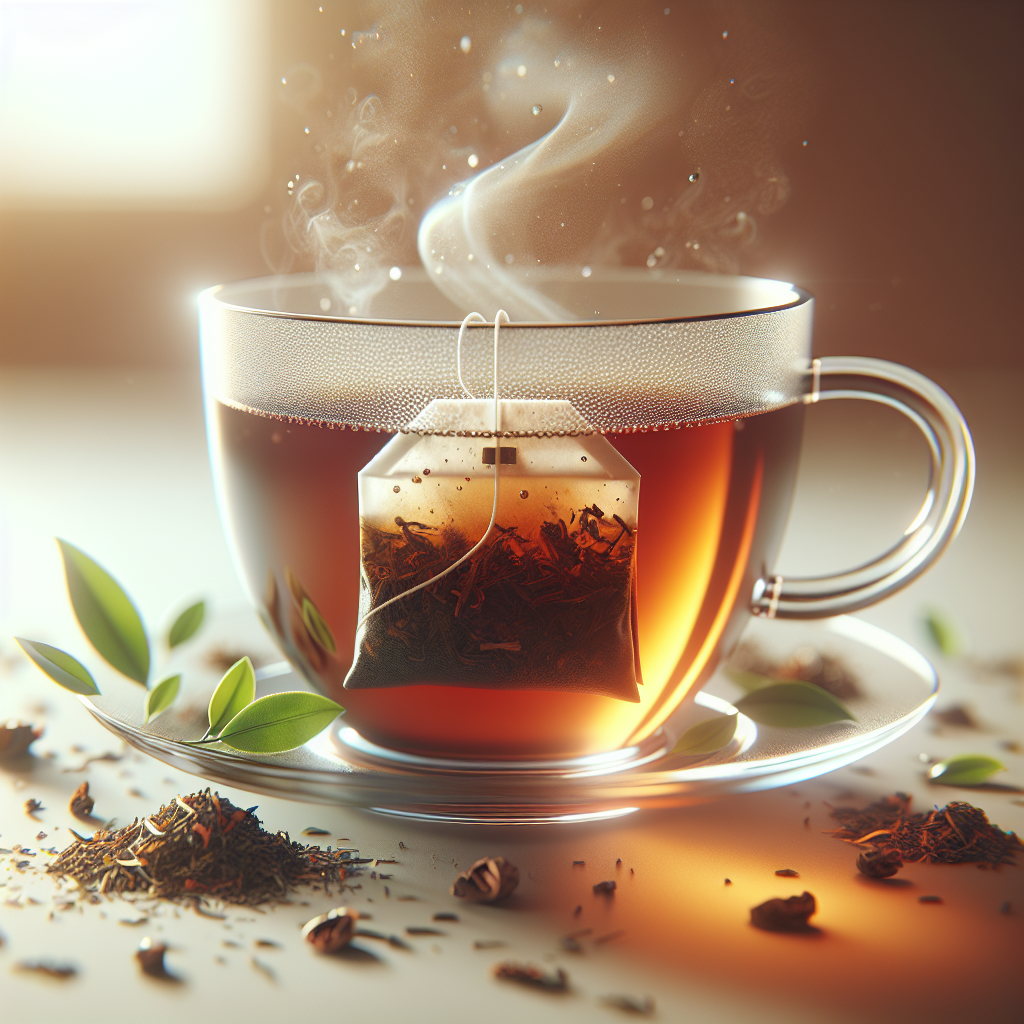
To maximize the benefits, steep the tea at optimal temperatures specific to the type. For example, green teas and blends with peppermint should not be boiled but rather steeped in hot water to prevent bitterness and preserve beneficial compounds.
In conclusion, the universal use of Camellia sinensis in making diverse tea types is a testament to its extraordinary adaptability and robustness. This functionality not only makes it an ideal base for inventive tea blends, enhancing the benefits of peppermint tea and others, but also signifies its cultural and economic importance across the globe. As tea enthusiasts or casual drinkers, understanding the core of Camellia sinensis enables a greater appreciation and more informed choices in our tea consumption.


Leave a Reply