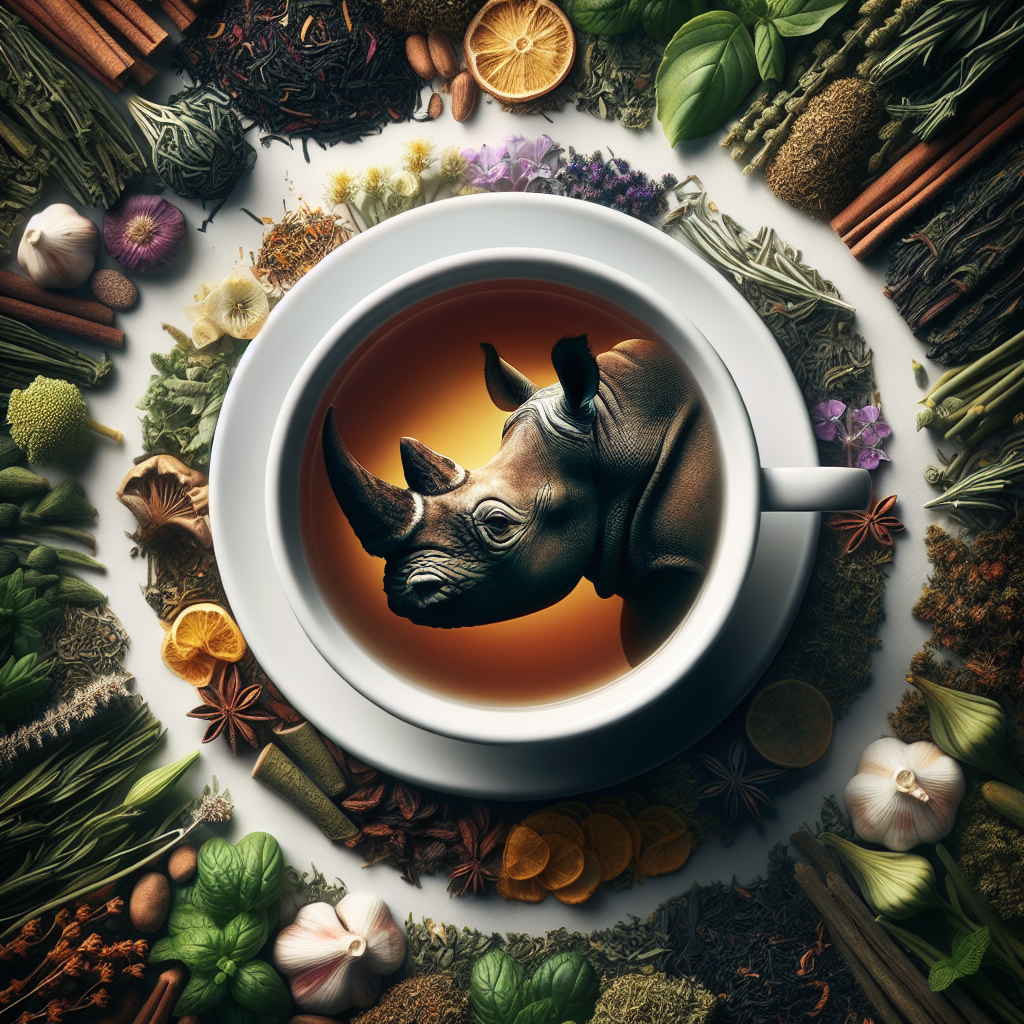
Many people curious about natural health remedies often ask, is herbal tea a diuretic? This is a valid question, especially when evaluating functional teas like Lee MF Rhino herbal tea, a blend known for its energy-boosting and performance-supporting properties. Herbal teas have long been used to assist metabolism, improve digestion, and support hydration balance. Understanding what such teas do for the body, and whether they can influence fluid retention, is crucial for anyone seeking holistic wellness through plants.
Lee MF Rhino herbal tea has gained attention in various health and lifestyle circles for its unique formulation of herbs traditionally associated with vitality, stamina support, and circulation improvement. This article explores what Lee MF Rhino herbal tea is used for, the science behind its effects, and the connection between herbal blends and their diuretic tendencies. By the end, you’ll have a well-rounded understanding of how teas like this can fit into your lifestyle, and answers to commonly asked questions like “is herbal tea a diuretic?”
Understanding the Purpose of Lee MF Rhino Herbal Tea
Lee MF Rhino herbal tea is typically marketed as a natural beverage that promotes physical energy and mental alertness. Unlike standard teas derived from the Camellia sinensis plant, this herbal blend incorporates a variety of botanicals, each serving a specific function. The precise herbal composition can differ based on the supplier, but most variants are caffeine-free and rely on natural plant stimulants and adaptogens.
Common Ingredients and Their Functions
Typical ingredients found in Lee MF Rhino herbal tea include ginseng, maca root, horny goat weed, and green tea extract. Each of these components serves a supportive purpose:
- Ginseng: Known for improving energy levels and fighting fatigue.
- Maca Root: Traditionally used to enhance stamina and reproductive health.
- Horny Goat Weed: A plant that may support circulation and energy capacity.
- Green Tea Extract: Often associated with antioxidants and mild diuretic effects.
Because some of these ingredients can influence kidney activity and improve circulation, they connect naturally to the question, is herbal tea a diuretic? This link is worth examining closely to understand both benefits and considerations.
Exploring the Relationship Between Herbal Tea and Diuretic Effects
If you’ve ever wondered, is herbal tea a diuretic, the short answer is: it depends on the herbs used. A diuretic is a substance that encourages the kidneys to release more sodium and water from the body through urine. Some herbal teas gently stimulate this process, while others primarily support hydration without significantly affecting fluid balance.
How Diuretics Work in the Body
Diuretics act by influencing how kidneys manage sodium and water. When sodium levels in the bloodstream decrease, the body naturally releases excess water to maintain balance. Herbal teas with properties like mild caffeine content (found in green or black tea), or potent herbs such as dandelion, focus on this mechanism. This is why some people report a mild increase in urination after consuming such beverages regularly.
Herbs Commonly Known for Diuretic Properties
When discussing is herbal tea a diuretic, several herbs stand out. These include:
- Dandelion Leaf: A classic natural diuretic that supports detoxification and liver health.
- Ginger: Promotes circulation and digestion, sometimes leading to mild kidney stimulation.
- Green Tea: Contains caffeine and flavonoids that can support diuretic activity.
- Parsley: A gentle, natural diuretic often added to blends for cleansing effects.
Lee MF Rhino herbal tea may include some of these ingredients or related botanical extracts. Thus, understanding the potential for diuretic influence helps guide safe and effective use.
Comparing Herbal and Pharmaceutical Diuretics
Pharmaceutical diuretics are potent and prescribed for medical conditions such as high blood pressure, fluid retention, or kidney issues. Herbal teas, however, create much milder results. When analyzing whether herbal tea acts as a diuretic, it’s crucial to recognize that herbal blends support natural bodily functions rather than forcing water loss. Therefore, while the concept of “is herbal tea a diuretic” applies mildly, the overall outcome depends on how often and how strongly you brew the tea.
Health Benefits of Lee MF Rhino Herbal Tea
Beyond the diuretic question, Lee MF Rhino herbal tea has several notable benefits. These include enhanced vitality, improved digestion, circulation support, and even stress relief. For many users, regular consumption contributes to a more stable energy flow throughout the day.
Boosting Physical Performance
Some key herbs in this blend, such as ginseng and maca, are adaptogens that help the body respond better to physical or emotional stress. By improving oxygen utilization and reducing fatigue, they indirectly encourage the body’s natural detox and circulation systems. Whether or not you ask, “is herbal tea a diuretic,” maintaining circulation and hydration balance plays a vital part in physical recovery.
Supporting Circulation and Reproductive Health
Because Lee MF Rhino herbal tea emphasizes circulation, it may support healthy reproductive function in both men and women. Improved blood flow often correlates with better stamina and overall performance. These same effects can coincide with gentle diuretic action since better circulation encourages fluid regulation across tissues.
Is Herbal Tea a Diuretic Connection Here?
While this tea is not primarily marketed as a diuretic beverage, the inclusion of herbs that mildly stimulate the kidneys indicates that some users may experience increased urination. Hydration and electrolyte balance remain critical—always combine tea consumption with adequate water intake to avoid dehydration.
Considerations and Possible Side Effects
Even natural blends can produce side effects if consumed in excessive quantities. When evaluating if Lee MF Rhino herbal tea fits your health routine, remember the importance of moderation. People sensitive to herbal stimulants should start gradually, as some components might raise heart rate or mildly affect electrolyte levels, especially if the tea does have diuretic properties.
Signs of Overuse
Consuming too much of any herbal blend may cause unwanted reactions such as:
- Frequent urination or mild dehydration
- Upset stomach or bloating
- Sleep disturbance if caffeine derivatives are present
Each of these symptoms connects to the inquiry “is herbal tea a diuretic,” highlighting that while the effect is typically gentle, overuse can intensify results. Listen to your body and hydrate well during consistent use.
Safe Use Guidelines
To enjoy optimal benefits from Lee MF Rhino herbal tea, follow these tips:
- Brew one cup per day initially, then gradually increase to two if you tolerate it well.
- Monitor your hydration and always drink plain water alongside herbal teas.
- Avoid combining with medications that have diuretic effects unless cleared by your doctor.
- Pregnant or lactating individuals should consult healthcare providers before regular consumption.
Scientific Perspective on Herbal Teas and Fluid Regulation
Studies on herbal tea often focus on its antioxidant and metabolic effects, yet fluid balance plays a crucial part too. Research from National Center for Biotechnology Information (NCBI) supports that certain polyphenol groups can stimulate urine output in a mild and healthful way. This points again to the nuanced understanding of is herbal tea a diuretic—it seldom acts strongly but still influences watery metabolism in beneficial directions.
Evidence from Clinical Observations
In observational studies, teas with green herbs or root extracts often show slight diuretic performance. That means they assist the kidneys in detoxification without causing dehydration. This is why many nutritionists regard mild diuresis as a positive function—helping the body cleanse metabolic waste effectively. For blends like Lee MF Rhino herbal tea, this mechanism supports its reputation for “revitalizing and cleansing.”
Hydration Myths and Realities
Many people assume that frequent urination automatically causes dehydration. However, moderate diuretic effects from herbal teas usually come with additional fluids, offsetting losses. The answer to “is herbal tea a diuretic” doesn’t imply harm; rather, it reflects botanical synergy with your hydration system. Balancing herbal beverage intake with regular water supports wellness, especially during detox regimens or fitness routines.
Supporting Detox and Kidney Health
Natural teas can play supportive roles in kidney maintenance. A consistent routine of consuming herbal teas—like Lee MF Rhino—can enhance filtration, reduce bloating, and keep waste processes efficient. Always maintain dietary balance to anchor these effects positively.
Integrating Lee MF Rhino Herbal Tea into Your Lifestyle
Incorporating herbal teas into daily habits is more than just following trends. For users considering if these drinks fit their wellness goals, the primary question remains: is herbal tea a diuretic in a beneficial way? The answer lies in listening to your body and using moderation. Use these strategies for best results.
Timing and Routine Suggestions
Drinking Lee MF Rhino herbal tea in the morning or early afternoon works well for most individuals, allowing time to metabolize before rest. Combining it post-workout helps flush metabolic by-products, aligning with mild diuretic support that aids recovery.
Complementary Nutrition
Pairing this tea with a nutrient-dense diet amplifies positive results. Include potassium-rich fruits like bananas or avocados, since mild diuretics may increase sodium and potassium excretion. Focus on whole foods that restore electrolytes naturally.
Balancing Tea Use with Other Herbal Beverages
If you’re curious about expanding options, explore informative reads such as energizing herbal infusions or herbal teas for detoxing safely. Both guides explain how different herbs influence hydration, digestion, and energy balance—elements closely linked to understanding “is herbal tea a diuretic.”
Holistic Perspective: Beyond the Label
Lee MF Rhino herbal tea represents a broader movement toward holistic energy and vitality solutions. Users seeking sustainable stimulation often prefer botanical formulas instead of synthetic enhancers. When used mindfully, such teas promote confidence, endurance, and overall physical balance.
Emotional Well-being and Relaxation
Some herbs in this tea, like maca or ginseng, exhibit adaptogenic qualities, helping stabilize stress responses. Even if the main query is “is herbal tea a diuretic,” many notice emotional equilibrium as an additional benefit—showing how interconnected body systems are when properly nourished.
Environmental and Cultural Context
Herbal teas hold cultural significance worldwide—from East Asia’s traditional medicine roots to modern Western wellness culture. This cultural legacy enhances trust and credibility in plant-based approaches, reinforcing careful formulation such as seen in the Lee MF Rhino blend.
Conclusion: Balancing Energy, Hydration, and Wellness
In summary, Lee MF Rhino herbal tea supports vitality, endurance, and well-being through synergistic herbal combinations. For those wondering is herbal tea a diuretic, the answer sits between mild natural stimulation and fluid equilibrium support. By aiding gentle kidney and circulation activity, it can enhance performance and cleanse the body, provided hydration remains balanced. Moderation ensures safe, daily use, revealing that herbal diuretic qualities can harmonize perfectly with a healthy lifestyle.
Frequently Asked Questions
Is herbal tea a diuretic and how does that relate to Lee MF Rhino tea?
Herbal tea can be a mild diuretic depending on its ingredients. Lee MF Rhino herbal tea includes herbs that may increase urine output subtly, assisting detox processes. However, it’s not intended as a medical diuretic; rather, it complements hydration balance while supporting energy and circulation through natural means.
Does drinking Lee MF Rhino herbal tea every day cause dehydration if herbal tea is a diuretic?
When consumed in moderation, it rarely causes dehydration. Despite mild diuretic properties, herbal teas also supply fluid intake. Drinking enough water throughout the day ensures hydration levels remain optimal even with daily use of diuretic herbs.
Which ingredients in Lee MF Rhino herbal tea make it a diuretic?
Certain herbs like green tea extract, ginseng, or dandelion leaf can mildly stimulate kidney activity, making the blend slightly diuretic. The overall effect, however, is gentle and does not deplete essential minerals when paired with a balanced diet and sufficient water intake.
Can people with kidney conditions drink herbal teas if herbal tea is a diuretic?
If you have kidney-related conditions, always consult a doctor before adding diuretic herbal teas to your diet. While mild versions like Lee MF Rhino may be safe, personalized guidance prevents unnecessary strain on renal function and ensures balanced hydration management.
Is herbal tea a diuretic stronger than coffee or black tea?
Generally, herbal tea’s diuretic effect is gentler than that of coffee or caffeinated black tea. Caffeine is a potent natural diuretic, while most herbal teas—including Lee MF Rhino—focus on moderate support rather than accelerating fluid loss.
How can I tell if my body responds to diuretic effects from herbal tea?
Notice changes like more frequent urination, reduced bloating, or improved feeling of lightness shortly after intake. These are indicators that your body may be responding to the herbal tea’s mild diuretic activity positively. Always accompany with adequate water intake.
Where can I learn more about diuretics and herbal tea safety?
Trusted sources such as the MedlinePlus site provide clear data on diuretics and herbal health contexts. These resources review safety aspects, interactions, and best practices for herbal consumption. Always cross-check recommendations before making significant dietary changes.


Leave a Reply