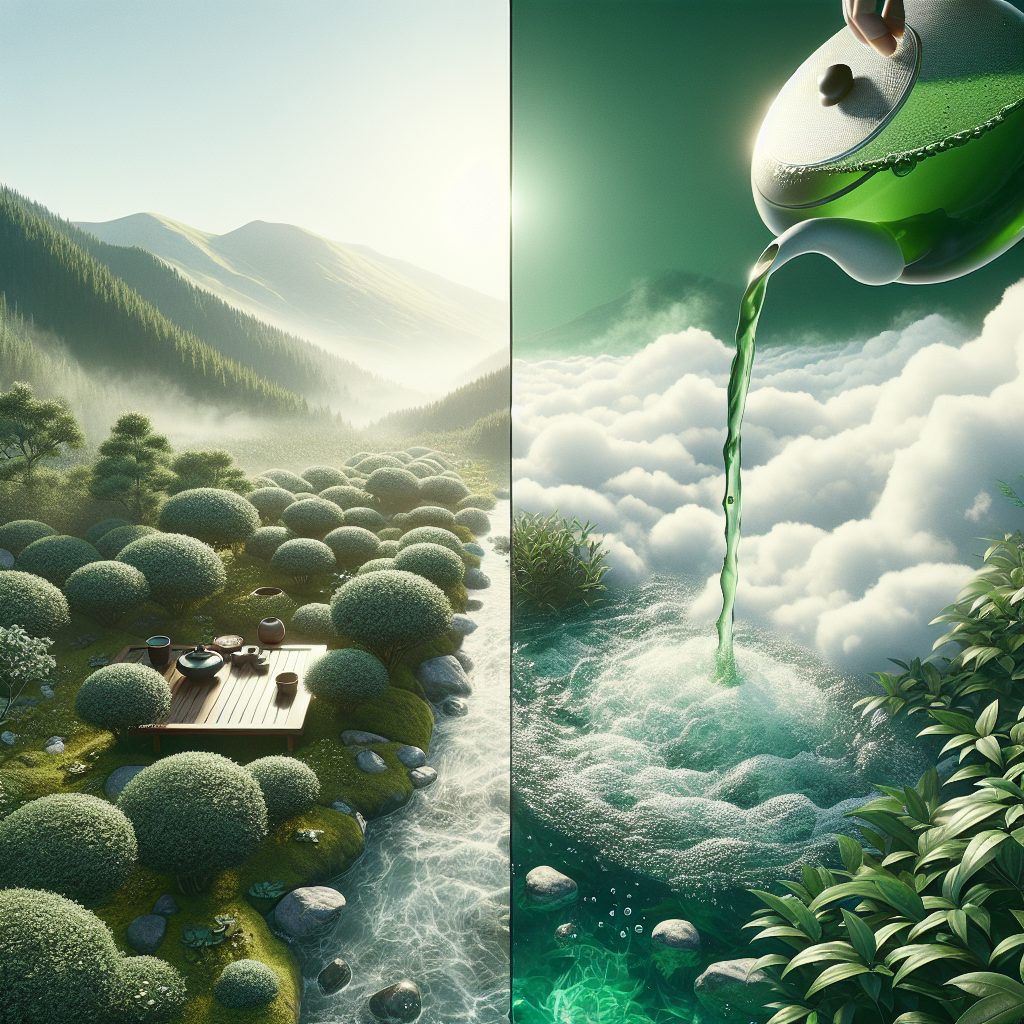
When most people search for a green tea shot recipe, they’re likely looking for a fun, peachy cocktail that mimics the freshness of green tea but actually contains no tea at all. Interestingly, that curiosity often leads to another question: is real green tea genuinely hydrating like plain water? Both interests merge in the conversation about what we sip—whether for social enjoyment or wellness goals. Understanding the balance between flavor, nutrient content, and hydration helps you make informed choices for your daily beverages.
Hydration plays a fundamental role in maintaining energy, focusing the mind, and regulating body functions. While water remains the gold standard, green tea has become a beloved alternative for countless tea drinkers seeking subtle caffeine and antioxidant benefits. As awareness of hydration grows, comparing how green tea and water interact within the body becomes an essential topic—not only for health enthusiasts but for anyone striving to optimize daily habits.
Before analyzing hydration capacity, let’s acknowledge how beverages like the popular green tea shot recipe add excitement to social experiences while sharing a name that honors the soothing nature of real green tea. In this article, we’ll explore whether green tea can hydrate your body as efficiently as plain water, examine scientific findings about fluid balance, trace historical habits, and outline how caffeine and antioxidants impact cellular hydration. Ultimately, this discussion aims to help you sip smarter—no matter what type of “green” drink you reach for.
Understanding the Origins and Appeal Behind the Term “Green Tea Shot Recipe”
Many people encounter the term green tea shot recipe at bars or in online cocktail guides. However, despite the name, this drink contains no real tea. It typically combines whiskey, peach schnapps, a splash of sour mix, and so-called “green color,” resulting in a light, fruity shot. Its color and name evoke the idea of health and calmness, linking the beverage to the clean and earthy aesthetic of green tea itself.
Why the Name Creates Confusion About Hydration
The phrase green tea shot recipe naturally misleads some into thinking they’re enjoying similar benefits to the traditional brewed tea known for antioxidants and mild caffeine. Yet, the cocktail version doesn’t influence hydration positively—it contains alcohol, which can actually cause fluid loss. This confusion highlights why it’s crucial to distinguish genuine green tea from the drink’s playful namesake when considering hydration.
Comparing Real Green Tea vs the Green Tea Shot Recipe
Let’s clarify: brewed green tea originates from the Camellia sinensis plant, while the green tea shot recipe found at a bar is entirely alcohol-based. Their only real similarity lies in color. When assessing hydration, only the actual tea counts. Real green tea offers polyphenols, gentle caffeine, and water-based fluid—all key in promoting hydration without unnecessary sugar or additives.
Is Green Tea Truly Hydrating Like Plain Water?
To answer this question, researchers have explored how caffeine-containing beverages interact with our body’s fluid retention mechanisms. Studies such as those conducted by the University of Birmingham and other institutions show that moderate caffeine intake does not drastically dehydrate. In fact, consuming regular brewed tea in daily fluid balance studies showed near-identical hydration markers when compared to water consumption.
Water as the Hydration Benchmark
Plain water hydrates directly without introducing any compounds that affect metabolism or fluid distribution. It reaches body tissues efficiently and serves as the baseline by which all other beverages are measured. Every health guideline—from the CDC to university health programs—reinforces that water should remain your main hydration source. Still, one can drink tea, coffee, or milk as part of their overall hydration goals without risk of dehydration.
Scientific Evidence Comparing Green Tea and Water
In controlled research environments, participants drinking green tea exhibited similar plasma osmolality levels to those consuming pure water. Caffeine’s mild diuretic effect occurs mostly when consumed in large doses, above what normal green tea intake provides. Thus, regular consumption—two to four cups per day—can contribute meaningfully to overall fluid intake.
Hydration Efficiency and Caffeine Considerations
Green tea contains approximately 25–35 mg of caffeine per 8-ounce serving—about one-third of what’s in coffee. When considering whether green tea hydrates like water, caffeine content becomes the variable of note. Low caffeine consumption typically encourages mild stimulation without forcing significant fluid excretion.
Caffeine’s Influence on the Body’s Water Balance
Caffeine acts as a natural stimulant by blocking adenosine receptors, increasing alertness. However, the belief that caffeine drastically dehydrates was largely based on early research that exaggerated its diuretic effect. Subsequent reviews have clarified that habitual drinkers quickly adapt to moderate caffeine, allowing adequate retention of fluids even when caffeine is present.
Moderation Is the Key for Sustained Hydration
If you drink moderate amounts of green tea throughout the day, hydration levels remain stable. The body easily distinguishes between small caffeine doses and the abundant fluid that green tea provides. Compared with strong coffee or alcoholic beverages—like the green tea shot recipe—tea keeps moisture in circulation longer, especially when paired with balanced meals and sufficient water intake.
Nutritional and Antioxidant Interplay
Hydration alone doesn’t tell the whole story. Green tea also contributes micronutrients and protective compounds such as catechins, EGCG, and trace minerals. While these don’t directly influence fluid absorption, they support cellular function and can optimize how the body uses water to maintain barrier integrity and metabolic processes.
Antioxidant Benefits for Cellular Hydration
Catechins may help maintain cell membrane flexibility by combating oxidative stress. When your cells function efficiently, they regulate water movement more effectively across membranes. Therefore, green tea not only provides water but can also help preserve hydration quality at a cellular level through its bioactive compounds.
The Difference Between Hydrating Value and Nutritional Value
Being hydrating like water doesn’t mean that green tea replaces the need for plain water—it enhances the quality of your hydration routine. Water purely adds fluids, whereas green tea adds subtle nutrition and gentle stimulation. Combining both ensures balanced hydration and micronutrient intake.
Realistic Hydration Strategies Involving Green Tea
If you’re aiming for balanced hydration throughout the day, blending water with herbal and true teas creates variety without sacrificing health goals. A practical guideline is to treat every cup of green tea as part of your overall fluid allowance. Whether it’s hot sencha, matcha, or genmaicha, each brew supports fluid balance and enjoyment.
When to Drink Green Tea for Optimal Hydration
Morning and early afternoon are best, as mild caffeine may support alertness without interfering with sleep. Pair your green tea with meals or snacks containing potassium and magnesium—the minerals that enhance hydration’s effectiveness. It’s unnecessary to substitute every glass of water with tea, but two or three mugs enhance motivation to drink more fluids.
Hydration and the Misconception around the Green Tea Shot Recipe
While cocktails like the green tea shot recipe evoke playful branding, they are not contributors to hydration. Alcohol causes diuresis and temporary dehydration, which your body compensates for afterward. If you enjoy that cocktail socially, balance it with a full glass of water or genuine green tea afterward. The key lies in awareness—learning which drinks add hydration and which demand more of it later.
Practical Comparison Between Green Tea and Plain Water
To visualize differences clearly, let’s compare measurable factors between the two drinks:
- Hydration Efficiency: Green tea nearly matches water when consumed moderately.
- Caffeine Impact: Minimal, not significant enough to offset hydration.
- Nutrient Bonus: Green tea provides antioxidants; water does not.
- Caloric Content: Unsweetened green tea is virtually zero-calorie, like water.
- Flavor Motivation: Flavoring from tea can increase voluntary fluid intake among people who struggle with plain water.
Hydration Experiment Examples
An informal experiment by hydration researchers demonstrated that volunteers drinking four cups of green tea and equal water had no notable differences in urine volume after 12 hours. Similarly, distance runners who alternated between green tea and water during training reported consistent energy and reduced perception of thirst fatigue.
Practical Advice for Daily Use
Think of green tea as both beverage and habit enhancer. Drink water after waking to kickstart hydration, alternate between tea and water midmorning, and sip tea to accompany light meals. Avoid drinking green tea just before bedtime if sensitive to caffeine. By treating water and green tea as partners, you maintain balance without overreliance on one drink type.
Myths and Misinterpretations Around Tea Hydration
Several myths persist about whether tea dehydrates. The misconception largely stems from misunderstanding caffeine dynamics and overlooking adaptation. In truth, people who routinely drink tea maintain equal body water percentages as non-caffeine drinkers, given similar total fluid intake.
Separating Fact from Fad
Fads often glorify detox teas or exaggerate hydration properties. The truth is, your kidneys and brain regulate hydration naturally; no single tea can replace total water needs or cause extreme dehydration. Confirmation comes from research verified by public health authorities worldwide.
Supporting References on Hydration Science
For reliable educational details, see the U.S. Department of Agriculture and the Harvard School of Public Health, which provide comparative hydration research between water and beverages like tea and milk. Both sources clarify that tea contributes positively to daily hydration goals as long as it is unsweetened and caffeine is consumed in moderation.
Integrating Hydration Knowledge into Lifestyle
Hydration habits rely on awareness. Being mindful about how you reach for drinks—whether adopting the fun of a green tea shot recipe at gatherings or sipping calm real tea in quiet moments—shapes how your body remains balanced. Always check how your beverage choices interact with your activity level, diet, and climate.
Hydration Goals and Planning
Adults generally need about 2–3 liters of fluid daily, adjusted for sex, age, and temperature. You can reach that through a mix of water, green tea, and watery foods like cucumbers or soups. Using variety helps maintain motivation, especially for individuals who dislike plain water.
Balanced Beverage Routine Example
Here’s a model routine:
- Morning: Cup of warm green tea or water with lemon.
- Midmorning: Water bottle refill, optional green tea if focus dips.
- Lunch: Water primarily; a cup of tea afterward for digestion.
- Afternoon: Replace one sugary drink with unsweetened tea.
- Evening: Avoid caffeinated teas, hydrate with water or herbal infusions.
Historical Context of Tea and Hydration Beliefs
Centuries before hydration science existed, Asian cultures integrated green tea into daily life not just for taste, but as a refreshing beverage between meals. Tea houses symbolized connection and renewal—both linked with clarity and restoration, qualities that naturally relate to hydration. Western adaptation eventually formed cultural hybrids, including modern beverages named after tea, like the green tea shot recipe, blending tradition with current social preferences.
Lessons from Traditional Consumption Patterns
In Japan, it’s typical to serve green tea alongside meals, promoting moderate hydration while enjoying balance in flavor. Chinese tea practices also emphasize sipping slowly—letting warm liquid balance internal harmony. These examples show long-standing human adaptation to use tea as supplemental hydration rather than complete replacement of water.
Modern Influence and Trends
Today, consumers prioritize transparency and evidence-based nutrition. They value minimal additives and functional beverages. Real green tea fulfills this preference naturally, as researchers continue to validate its gentle yet genuine contribution to hydration potential. Distinguishing between marketing terms—like the green tea shot recipe—and authentic tea becomes essential for sustaining these mindful habits.
Conclusion: Is Green Tea Hydrating Like Plain Water?
Based on accumulated evidence, yes, green tea is hydrating almost as efficiently as plain water when consumed in moderation. Its low caffeine content and water-based composition allow normal fluid retention. At the same time, it offers antioxidants that plain water lacks, making it a valuable complement, not a competitor. By separating realistic hydration benefits from cocktail versions, such as those described by the green tea shot recipe, you can fully appreciate the role of green tea in a balanced hydration plan.
For deeper reading on daily hydration patterns, explore **tea and temperature balance tips** from teastory.blog’s guide on cold brew green tea, and check out their feature on herbal tea options for hydration support.
Frequently Asked Questions
Does the green tea shot recipe contribute to hydration?
No, the alcoholic green tea shot recipe does not hydrate. It contains whiskey and peach schnapps, which can cause fluid loss. For hydration, opt for real brewed green tea or plain water instead of alcohol-based drinks.
Can green tea replace plain water for daily hydration?
Green tea complements water but shouldn’t replace it entirely. While both hydrate effectively, water carries no caffeine and should remain your baseline beverage. Green tea adds variety and antioxidants without reducing hydration efficiency.
Is caffeine in green tea enough to dehydrate me?
Not at typical consumption levels. Moderate intake—around two to four cups per day—provides beneficial hydration. You’d need excessive caffeine intake far beyond normal tea servings to risk any dehydration effect.
Does the real green tea shot recipe differ from matcha in hydration?
Yes, entirely. The bar-style green tea shot recipe is alcoholic; matcha is powdered green tea whisked into water. Matcha offers hydration with extra antioxidants, while the cocktail provides the opposite effect.
What type of green tea hydrates best?
All unsweetened varieties hydrate efficiently—sencha, matcha, and hojicha included. The key is minimal sugar and moderate temperature. Cold or warm brews both support proper hydration, depending on preference and climate.
How does green tea compare with sports drinks for hydration?
Sports drinks add electrolytes, useful after intense sweat loss, while green tea maintains general hydration. Both can be part of a balanced fluid plan, but everyday consumers don’t need the extra sugars of most sports formulas.
Can I drink green tea after alcohol like the green tea shot recipe to rehydrate?
Yes, real green tea can help restore fluid balance after consuming alcohol. Its water content and mild caffeine can promote alertness while supporting gentle rehydration. However, drinking ample plain water alongside it remains the best recovery strategy.


Leave a Reply