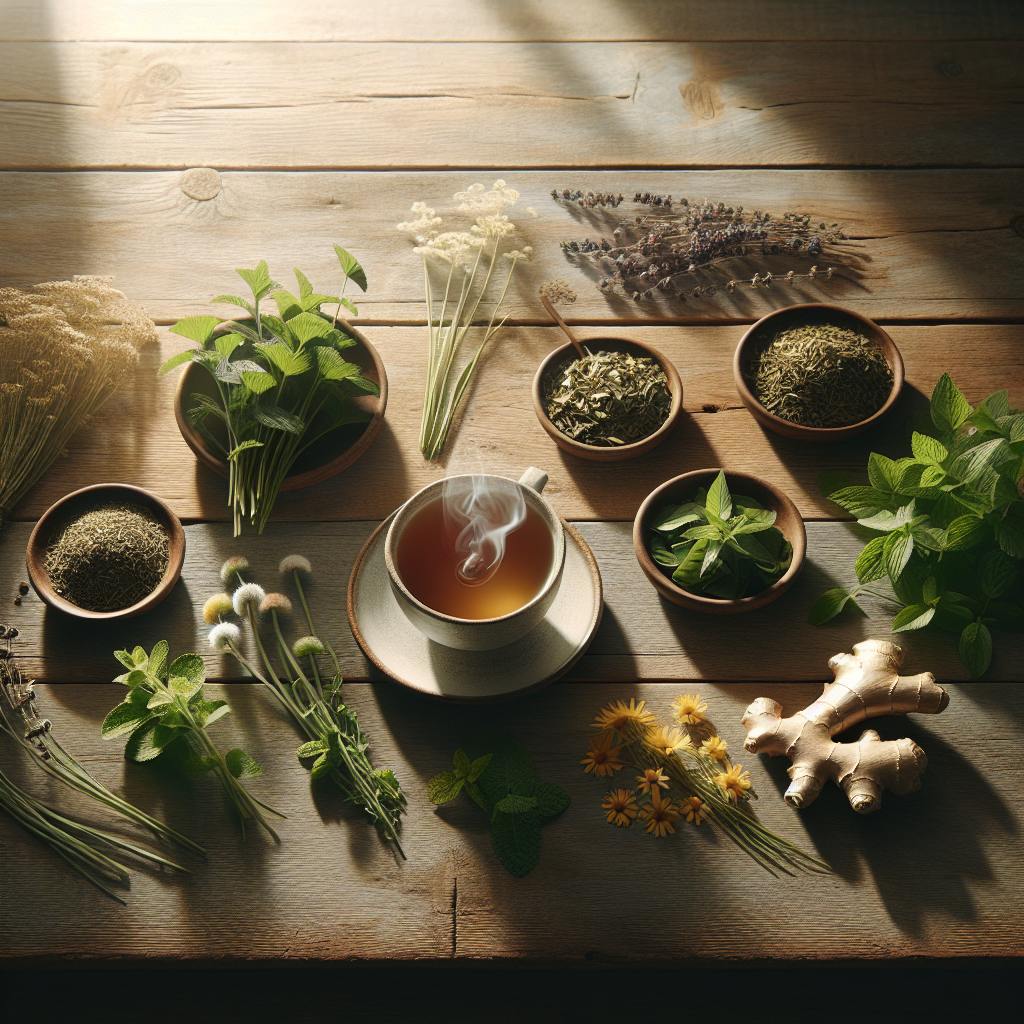
Many wellness enthusiasts want to know whether their favorite herbal infusions count toward daily hydration goals. The question often asked is, is drinking herbal tea the same as drinking water? This discussion becomes even more relevant when we talk about herbal blends that claim to cleanse the colon or support detoxification. While herbal teas are water-based, their composition, ingredients, and physiological effects may differ notably from plain water. Understanding this difference is foundational before deciding which colon cleanser herbal tea works best for your body and lifestyle.
People who drink herbal infusions throughout the day often assume they’re maintaining hydration similar to water, but that assumption can vary depending on herbs used, caffeine levels, and concentration. Since colon health and hydration go hand in hand, knowing whether herbal tea provides equivalent hydration is crucial. If your goal is to support digestion or gently cleanse your system, it’s worth diving deeper into how herbal tea interacts with hydration, detoxification, and your body’s natural elimination processes.
This article explores the relationship between water and herbal tea through a wellness lens, delving into colon cleansing infusions and evidence-based insights. It also examines practical considerations—such as preparation, safety, and the best herbs found in colon cleanser teas—supported by expert perspectives and current research.
Understanding Hydration and Herbal Tea
The body relies on fluids to function effectively, transport nutrients, and eliminate waste. Water remains the purest and most direct form of hydration. However, many wonder, is drinking herbal tea the same as drinking water when it comes to maintaining proper fluid balance? The answer isn’t entirely straightforward. Herbal teas—chamomile, peppermint, or senna, for example—are primarily water but contain bioactive compounds that can either aid or slightly alter hydration effects.
Fluid Balance and Tea Infusions
Tea infusions are composed of water, meaning they contribute meaningfully to daily hydration. The difference lies in the added compounds that influence metabolism or diuresis. Some herbs, like dandelion or green tea, are mildly diuretic—encouraging increased urine output. For anyone using colon cleansing teas, mild diuretics can enhance fluid turnover, but excessive use may cause dehydration if not balanced with pure water.
Comparing Water and Herbal Tea Effects
When evaluating whether is drinking herbal tea the same as drinking water, consider absorption rates and osmotic influences. Water hydrates directly with minimal metabolic processing, while herbal teas deliver polyphenols, antioxidants, and certain volatiles that undergo digestive transformation. These additional factors may benefit digestion but slightly delay hydration speed compared to pure water. Still, most health experts agree that unsweetened herbal teas count toward daily hydration goals for the average person.
Herbal Tea and Colon Cleansing Mechanisms
Colon cleansing tea blends focus on improving gut motility and aiding the body’s elimination processes. They typically feature herbs like senna, ginger root, cascara sagrada, and licorice. These ingredients have been used traditionally for centuries to encourage gentle detoxification. Understanding how they interact with hydration helps you manage both cleansing efficiency and comfort.
Active Herbs in Colon Cleansing Teas
Colon cleanser teas often combine herbs that support peristalsis—the muscular movement of the intestines. Senna leaves, in particular, contain sennosides, compounds that stimulate the colon and promote stool movement. Yet, hydration plays a pivotal role: if not enough fluid accompanies these teas, one may experience cramping or dehydration. This directly relates to is drinking herbal tea the same as drinking water—because when herbal formulas act as mild laxatives, proper water intake ensures balanced cleansing without discomfort.
Gentle vs. Intense Cleansing Blends
There’s a broad spectrum of colon cleansing teas available. Gentle blends highlight herbs like fennel, licorice, and chamomile to soothe the gut. Intense varieties use senna or cascara sagrada to accelerate waste removal. In both, fluid management remains critical. Pairing tea consumption with equivalent water intake balances hydration and supports safe detoxification. Understanding that herbal tea hydration isn’t a one-to-one substitute emphasizes why colon care requires mindful practice rather than assumption.
Is Drinking Herbal Tea the Same as Drinking Water for Colon Health?
From a physiological perspective, both herbal tea and water hydrate your cells, but they influence gut movement differently. When determining is drinking herbal tea the same as drinking water for colon health, the key consideration is total fluid balance. Herbal teas that cleanse the colon may temporarily increase elimination, making adequate plain water consumption necessary for electrolyte stability and bowel comfort.
Hydration Dynamics During Cleansing Periods
During detox or colon cleansing phases, individuals often reduce caffeine and processed foods while consuming herbal infusions regularly. These teas, while hydrating, can have mild laxative properties. Practitioners recommend alternating herbal tea servings with pure water to sustain hydration. This approach ensures the body flushes toxins effectively without drying tissues or producing fatigue linked to minor dehydration.
Understanding the Chemical Composition of Herbal Teas
Herbal teas are complex infusions of soluble plant compounds: flavonoids, volatile oils, and minerals. These components can influence how water is absorbed and utilized in the body. For instance, peppermint tea contains menthol, which may have calming gastrointestinal effects but offers negligible minerals, while nettle tea adds trace nutrients like calcium and magnesium. Therefore, while herbal tea is hydrating, its chemical diversity differentiates it from plain water, adding both benefits and variables depending on personal health goals.
Traditional and Modern Insights
Traditionally, herbalists recognized the power of infusions not just as beverages but as therapeutic fluids. Modern research supports these ancestral perspectives, underlining that certain herbal blends enhance digestive efficiency and colon cleansing capacity. However, clinical consensus affirms that water remains irreplaceable for optimal hydration. Thus, blending both water and herbal tea provides a balanced approach: herbal tea for functional support, and water for pure replenishment.
Choosing the Best Colon Cleanser Herbal Tea
When selecting an herbal tea for colon cleansing, consider both the potency and your tolerance level. A high-quality colon cleanser tea not only supports elimination but also nurtures gut health without causing dependency or side effects. Hydration must stay central to your wellness plan, no matter the formula’s strength.
Evaluating Ingredients for Safety and Quality
The most reputable colon cleansing teas disclose ingredient origins and avoid synthetic additives. Look for blends that are:
- Certified organic or pesticide-free
- Composed of gentle herbs like ginger, fennel, and peppermint
- Balanced with soothing elements like chamomile or licorice
- Subject to third-party testing for contaminants
Understanding the composition prevents harsh reactions and preserves hydration integrity—again linking back to the importance of questioning is drinking herbal tea the same as drinking water during such regimens.
Recommended Herbs for Gentle Cleansing
Dandelion root aids liver detoxification, ginger stimulates circulation, and peppermint soothes intestinal discomfort. These herbs blend well to create digestive harmony. While senna-based teas provide stronger laxative effects, they should be used sparingly. Supporting them with abundant water prevents imbalances. Herbal teas containing probiotics, aloe vera leaf, or hibiscus further add nutritional complexity.
Tea Preparation and Hydration Strategy
To optimize results, brew colon cleansing tea correctly—usually 5 to 7 minutes in hot water. Drink slowly throughout the day, alternating with plain water to protect hydration. This pattern reinforces healthy bowel function and pH balance. People often report improved digestive regularity within three to five days when adhering to proper preparation and fluid rotation.
Real-Life Example: A Balanced Herbal Cleanse Routine
Consider this scenario: Maria incorporates a dandelion and fennel tea for five days while maintaining two liters of plain water per day. She experiences lighter digestion, improved bowel regularity, and no dehydration symptoms. Her success underscores how herbal tea cleansers and water serve complementary—not identical—hydration roles. This illustrates why asking “is drinking herbal tea the same as drinking water” remains essential to effective self-care routines.
Scientific and Herbalist Perspectives
Modern nutritionists and herbalists converge on the idea that herbal infusions count as hydrating fluids yet cannot fully replace water. Herbal teas possess distinct bioactive profiles impacting digestion, liver function, and mild diuresis. According to studies referenced by leading institutions such as National Center for Biotechnology Information, controlled consumption of herbal teas can improve antioxidant capacity and bowel motility without electrolyte imbalance, provided that adequate water accompanies them.
Expert Viewpoints on Colon Cleaning
Herbal experts emphasize that balance, not extremity, defines effective colon cleansing. Sudden or prolonged use of stimulant herbs like senna can increase dependency risk. For long-term digestive well-being, alternating between mild herbal teas and non-caffeinated hydrating fluids remains optimal. This principle merges traditional herbal wisdom with contemporary dietary science, all informed by the central question— is drinking herbal tea the same as drinking water?
Reference to Evidence-Based Nutrition
The Mayo Clinic and other evidence-based authorities suggest that herbal teas are valid hydrating beverages but highlight their physiologic influences on kidneys and metabolism. Reference materials such as MedlinePlus discuss specific herb effects in hydration-related contexts. Consumers are encouraged to interpret herbal teas as part of hydration rather than a replacement for clean water intake.
Integrating Herbal Tea into a Holistic Lifestyle
Using herbal teas for colon cleansing or daily wellness should integrate with a healthy diet rich in fiber, plant foods, and natural hydration sources. Mindful preparation rituals—steeping, timing, and adjusting dosage—support digestive wellness and prevent overuse.
The Mindful Tea Habit
Creating a mindful tea practice encourages awareness of your body’s signals. Sipping colon cleansing herbal tea slowly allows the compounds to act over time, aligning natural rhythms of elimination. Water, in contrast, refreshes and rinses. Combining the two sustains balance between cleansing and replenishing—a pattern that defines sustainable wellness.
Practical Recommendations
- Hydrate with two to three liters of fluids daily, half as water.
- Include one or two cups of colon cleansing herbal tea for digestive support.
- Rotate herbs monthly to diversify phytochemical intake.
- Consult a qualified physician before beginning detox programs.
These steps sustain equilibrium and embody mindful self-care rooted in research and personal intuition.
Potential Side Effects and Safeguards
Although herbal teas are natural, misuse can cause discomfort, dehydration, or electrolyte loss, especially when paired with restricted diets. Always assess your tolerance and monitor body responses. Remember that hydration from herbal tea can’t always offset strong laxative effects.
Signs of Overuse
- Excessive bowel movement frequency
- Muscle cramps or fatigue
- Dry lips or skin
- Lightheadedness from fluid imbalance
Balance and moderation avert such effects. Always maintain plain water as your hydration foundation, reinforcing the concept behind is drinking herbal tea the same as drinking water in everyday contexts.
Safe Cleansing Practices
Follow product instructions precisely and adopt short cleansing cycles—usually 5–10 days. Incorporate nourishing foods like broth soups, fresh vegetables, and fruit during the cycle. Supplement herbal cleansing with physical movement and adequate sleep for maximum effect.
Conclusion
Herbal teas beautifully merge flavor, tradition, and wellness, particularly when used for gentle colon cleansing. Yet, when asking is drinking herbal tea the same as drinking water, the answer remains contextual. Herbal tea provides hydration plus botanical benefits but cannot fully replace clean water’s pure, neutral replenishment. The ideal strategy includes both—a combination fostering digestive vitality, hydration, and sustained energy. Integrating this approach ensures your colon cleanser regimen works safely and effectively while respecting the body’s natural equilibrium.
Frequently Asked Questions
Is drinking herbal tea the same as drinking water for hydration?
Herbal teas contribute to hydration but are not identical to water. They often contain active plant compounds that mildly influence metabolism, digestion, and hydration speed. While both hydrate, herbal teas provide functional benefits alongside moisture replenishment, making them complementary but not entirely equivalent to pure water.
Can I replace all water with herbal tea during a colon cleanse?
No. Even though herbal teas are water-based, exclusively drinking them during cleansing may cause mild dehydration due to active herbs or diuretic properties. To maintain optimal hydration, alternate herbal teas with plain water throughout the day for balanced elimination and comfort.
Which colon cleanser herbal tea works best for beginners?
Gentle blends containing dandelion, fennel, and chamomile are ideal for beginners. They support detoxification without harsh laxative effects. Consistency and adequate water intake ensure safe results and reduce risks of bloating or cramping often linked with strong senna-based teas.
Does drinking herbal tea count toward my daily water intake?
Yes, unsweetened herbal teas can count toward your daily fluid intake. However, to maximize hydration efficiency, it’s advisable to include sufficient plain water because some herbs slightly modify kidney function or increase fluid excretion rates.
How often should I drink colon cleansing herbal tea?
Short cycles of 5–10 consecutive days, followed by rest periods, are generally recommended. Continuous daily use of stimulant herbs may cause dependency. Always combine consumption with an abundance of fresh water and fiber-rich foods for best results.
Is it safe to drink herbal tea every day?
Yes, for most people, daily consumption of mild herbal teas like peppermint or chamomile is safe. However, tea blends containing strong laxative herbs such as senna should be reserved for occasional use. Daily hydration should still rely primarily on water to avoid imbalances.
Where can I learn more about herbal tea blends and wellness?
Read comprehensive guides such as Detox Rituals and Herbal Purification and Colon Health Herbal Tea Guide for expanded insights on integrating teas safely into your wellness plan. These resources detail preparation tips and practical cleansing schedules rooted in real-world practices.

Leave a Reply