
Many tea lovers have started adding colon cleanser herbal tea to their wellness routines for gentle detox support and digestive balance. While its natural ingredients—ranging from senna, fennel, and ginger to peppermint and dandelion root—can help the body’s internal cleansing, one question often arises: does herbal tea stain teeth over time? Understanding how these plant blends affect dental enamel is crucial for those hoping to balance internal health with a bright smile. This article delves deep into how herbal tea interacts with tooth enamel, explores staining mechanisms, and provides actionable advice for tea enthusiasts seeking both internal and external wellness.
Not all teas are equal when it comes to their effect on teeth coloration. Traditional black and green teas contain tannins and chromogens that can bind to enamel, but herbal blends—especially those like colon cleanser herbal tea—tend to include herbs with lower tannin content. Still, over long-term consumption, even light-colored teas can lead to mild discoloration due to surface staining, acids, or dehydration of enamel. The goal here is to unpack these interactions and offer ways to prevent or minimize them without compromising your digestive tea ritual.
Understanding How Herbal Teas Affect Tooth Enamel
Herbal teas are infusions made from flowers, roots, leaves, or seeds rather than actual tea leaves from the Camellia sinensis plant. Since colon cleanser herbal tea typically includes detoxifying botanicals and mild laxative herbs, it’s chemically distinct from black or oolong teas. This difference influences staining potential, pH level, and how each cup interacts with dental enamel over time.
The Chemistry Behind Tea Staining
Tooth staining usually results from chromogenic compounds—molecules that give foods and beverages their distinct colors. Black tea and red wine, for instance, are high in these molecules and rich in tannins, which adhere easily to porous surfaces like teeth. Colon cleanser herbal tea often contains herbs such as senna or hibiscus, which can have varying pigmentation intensity. A bright red or purple infusion may tint enamel slightly, especially when consumed repeatedly without rinsing or proper oral hygiene.
How Colon Cleanser Herbal Tea Differs from Standard Teas
One distinguishing factor of colon cleanser herbal tea is its lack of true tea leaves. This means the tannin content tends to be lower. However, because the blend may contain vividly pigmented herbs (like hibiscus or rosehips), there’s still a risk of minor staining. Additionally, some digestive herbs have mild acidity, which can weaken enamel over time, making stains easier to attach. Balancing dental care with the health benefits of colon-supporting teas is key.
Factors That Influence Staining from Herbal Teas
Several variables determine whether a person experiences noticeable discoloration after regularly drinking colon cleanser herbal tea. Individual enamel density, hydration levels, pH balance of saliva, and brushing habits all play roles. Even how the tea is brewed—temperature, steeping time, and concentration—affects how pigments and herbal oils contact your enamel.
Frequency and Duration of Consumption
Drinking colon cleanser herbal tea daily for extended periods might increase cumulative exposure to pigments and acids. Sipping slowly over time, rather than consuming quickly, prolongs contact between tooth surfaces and staining agents. For people using these teas as part of a digestive cleanse or long-term detox habit, varying the types of herbal infusions and taking short breaks helps protect enamel health.
Oral Hygiene and Timing
Brushing immediately after a hot beverage can sometimes harm softened enamel. A smarter approach is to rinse your mouth with water or a mild fluoride rinse right after the tea, then brush about 30 minutes later. Regular flossing and professional cleanings also mitigate superficial stains and prevent them from deepening into enamel microcracks.
Water Quality and Additives
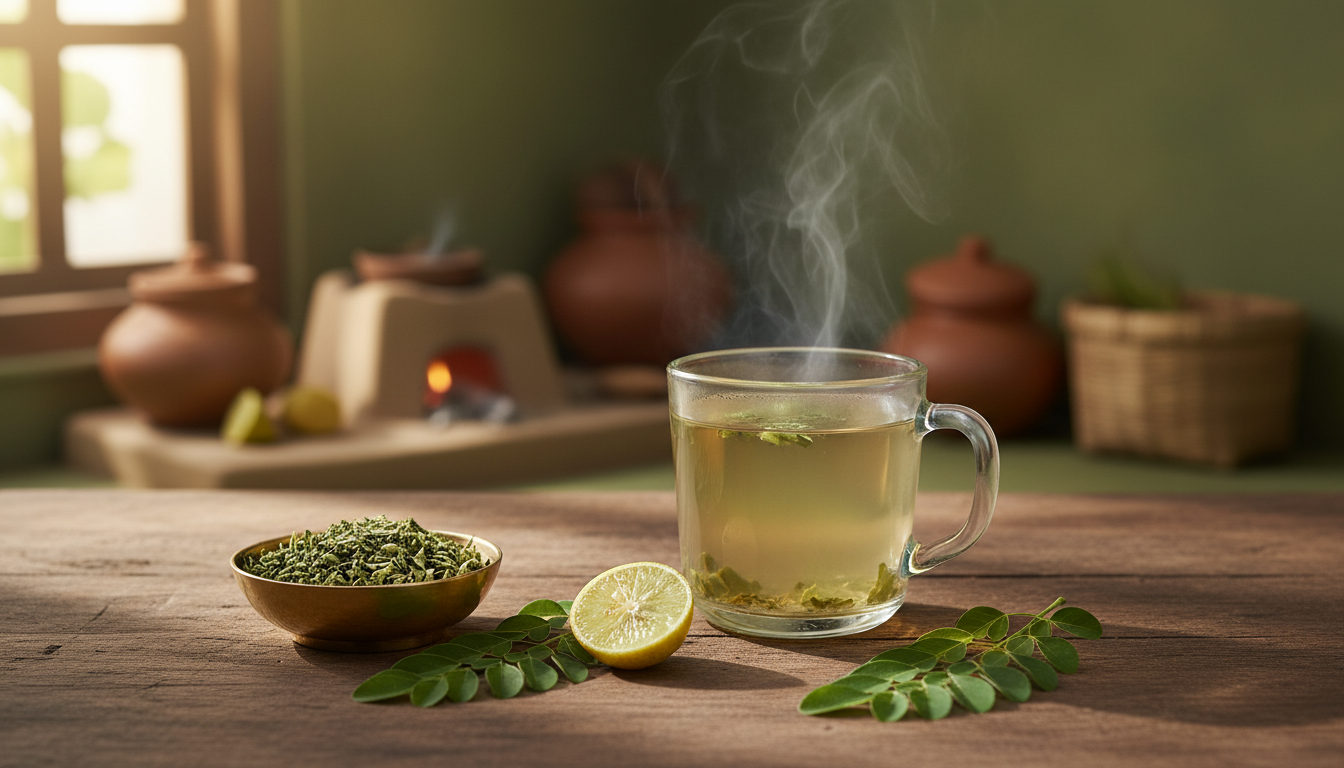
Interestingly, the mineral composition of your brewing water can change how herbal teas affect your teeth. Hard water may reduce acidity, while soft water could allow more pigment penetration. Likewise, adding lemon—a common practice with colon cleanser herbal tea to enhance detox effects—lowers pH further, slightly increasing enamel erosion risk. Moderation in lemon use and maintaining hydration after tea sessions can be beneficial.
Preventive Measures to Limit Staining from Herbal Teas
Preventing stains doesn’t mean giving up your favorite colon cleanser herbal tea entirely. There are practical methods to continue your daily rituals while safeguarding your enamel brightness.
- Use a straw: Minimizes direct contact between the tea and your front teeth.
- Rinse immediately after drinking: A quick water or baking soda rinse can neutralize acids.
- Maintain regular dental hygiene: Brushing twice daily with whitening toothpaste and scheduling professional cleanings every six months help maintain enamel clarity.
- Alternate with clear or green herbal blends: Switching from hibiscus-based to chamomile or peppermint teas periodically reduces pigment accumulation.
- Stay hydrated: Adequate water intake enhances saliva flow, which naturally cleanses teeth surfaces.
Choosing the Right Time to Drink Your Tea
Try enjoying colon cleanser herbal tea between meals rather than during or immediately after food consumption. This limits prolonged acid exposure and minimizes the chance that food particles and tea pigments will bind together on the enamel surface. Drinking it earlier in the day also allows natural saliva to rebalance the mouth pH before nighttime rest.
Consider Herbal Composition
If dental discoloration remains a concern, check ingredient lists for intensity of color and acidity. Teas containing turmeric, hibiscus, or red rooibos may stain faster due to vibrant pigments, whereas blends emphasizing peppermint, fennel, or ginger tend to be lighter. Selection matters when aiming to combine digestive benefits with cosmetic concerns.
Scientific Insight: Why Even “Natural” Beverages Can Stain
The interaction between colored herbal compounds and enamel is a physical and chemical process. Despite being caffeine-free, colon cleanser herbal tea still contains natural color molecules that behave like chromophores, attaching to micro-porosities on the enamel’s outer layer. Over months or years, these bonds can lead to subtle yellow or beige tinting if not managed.
Role of pH and Enamel Porosity
The health of tooth enamel depends on maintaining neutral pH in the mouth. The more acidic a beverage, the more enamel softening occurs. Even slight acidity in colon cleanser herbal tea can briefly open enamel pores, increasing pigment absorption. Regular exposure without good oral hygiene can deepen this process, though it’s reversible with cleaning and whitening treatments.
Comparative Stain Potential
Studies from dental research fields show that black tea has the highest staining potential, followed by green tea, then herbal infusions. In comparison, most colon cleanser herbal teas rank at the lower end but are not entirely free of effect. The American Dental Association notes that discoloration can vary widely across formulations, preparation methods, and frequency of consumption.
Long-Term Dental Impact of Colon Cleanser Herbal Tea
Teeth are dynamic structures—constantly interacting with minerals, food, and drink. Prolonged use of any acidic or pigmented beverage can subtly alter their surface. However, colon cleanser herbal tea, used sensibly, poses minimal long-term harm if paired with routine dental care and balanced diet.
Hydration and Enamel Recovery
Between servings of colon cleanser herbal tea, water helps neutralize acidity and restore mineral content. Some nutritionists recommend pairing your tea habit with calcium-rich foods to strengthen enamel. Spacing out servings or rotating different herbal blends ensures your oral environment doesn’t remain in a prolonged acidic state.
Professional Whitening vs. Natural Whitening
If mild discoloration appears over time, professional cleanings or gentle at-home whitening strips can help. Avoid abrasive DIY pastes that may strip enamel. Herbal stain reduction techniques—like rinsing with coconut oil or brushing with baking soda twice weekly—can provide minor brightening without excessive wear.
Comparing Colon Cleanser Herbal Tea to Other Popular Blends
Understanding relative staining potential helps contextualize the discussion beyond theory. For instance, black tea contains higher tannins, while green tea has slightly less. Rooibos is low-tannin but vibrantly colored. Colon cleanser herbal tea generally sits between chamomile and hibiscus in terms of staining potential, leaning toward the lighter side depending on formulation.
Color Intensity as a Predictor
Deep-colored teas such as hibiscus or beetroot blends can tint tooth surfaces faster than pale herbal infusions like chamomile. Colon cleanser herbal tea often appears amber or golden-brown, suggesting moderate pigmentation. If brewed heavily or steeped longer than recommended, staining may increase. Observing each blend’s hue is a simple visual cue to gauge staining risk.
Consumer Experience and Anecdotal Reports
Online reviews of colon cleanser herbal teas reveal mixed findings. Many users report no significant changes in tooth color, while others notice slight dullness after months of consecutive use. This variance likely reflects both differences in formulation and personal dental care habits. As always, consistency in oral hygiene outweighs beverage choice alone when it comes to preserving whiteness.
Best Dental Practices for Herbal Tea Drinkers
To continue enjoying colon cleanser herbal tea while maintaining bright teeth, integrate simple approaches into your routine:
- Choose high-quality teas with transparent ingredient sourcing to avoid hidden additives.
- Keep an interval between sipping and brushing to protect enamel.
- Visit the dentist for polishing or laser whitening as preventive maintenance every nine months.
- Limit sugar or honey in your tea; sweeteners amplify bacterial plaque formation that traps pigments.
- Use a soft-bristled brush and mineral-enriched toothpaste for gentle daily care.
Role of Fluoride and Remineralization
Topical fluoride applications strengthen enamel structure, reducing stain adherence. Mouth rinses with low fluoride content can be safely used alongside herbal tea regimens. Similarly, mineral-enriched pastes replenish calcium phosphate crystals lost through mild acid exposure. Together they maintain enamel resilience against both discoloration and wear.
Incorporating Dietary Support
Eating crunchy fruits like apples or strawberries gently cleans tooth surfaces. Vitamin C-rich foods also support gum and enamel health. Combining a clean diet with colon cleanser herbal tea and smart dental habits supports total body wellness—from gums to gut.
For deeper insight into detox blends, see this analysis of detox herbal infusions and this guide on gentle herbal cleanses, which elaborate on flavor balance, potency, and ideal consumption cycles.
When to Consult a Professional
If noticing noticeable discoloration or sensitivity after frequent colon cleanser herbal tea use, it’s wise to discuss concerns with your dentist. Persistent yellowing may signal enamel thinning, not just superficial staining. Dental professionals can inspect microscopic enamel layers to determine origin and suggest targeted preventive treatments.
Professional Cleaning vs. Home Care
Scaling and polishing procedures remove surface pigments more effectively than whitening toothpaste alone. Those undergoing a cleansing routine involving colon cleanser herbal tea multiple times a day may consider biannual cleaning appointments. Customized fluoride varnishes or enamel sealants serve as additional layers of protection against both acid wear and pigment adhesion.
When Whitening Isn’t Enough
If discoloration stems from internal dentin changes rather than surface staining, whitening products may not help. Your dentist might recommend veneer or composite bonding. Thankfully, stain caused by colon cleanser herbal tea rarely reaches this stage unless oral hygiene is neglected over long periods.
Conclusion: Finding Balance Between Oral Care and Wellness Rituals
Colon cleanser herbal tea offers benefits ranging from improved digestion to mild detoxification, making it a valued part of many wellness routines. Yet, like all pigmented beverages, it carries a small potential to stain teeth over time. By embracing practical habits—hydration, timely rinsing, mindful brushing, and intermittent consumption—you can enjoy its internal cleansing qualities without sacrificing your smile’s brightness. With awareness, moderation, and proactive care, your routine can remain both beautiful and beneficial.
Frequently Asked Questions
Does colon cleanser herbal tea cause more staining than black tea?
No, colon cleanser herbal tea generally causes less staining because it lacks traditional tea tannins. However, dark herbs or long steeping times can increase minor discoloration risk, especially on porous enamel.
Can I drink colon cleanser herbal tea every day without affecting my teeth?
Daily consumption is fine when paired with good oral hygiene. Rinse after drinking, brush later with a gentle toothpaste, and stay hydrated to reduce any staining effect over time.
How can I minimize teeth discoloration while using colon cleanser herbal tea for detox?
Use a straw, rinse afterward, and alternate herbal blends with lighter colors. Limiting acidic additives like lemon and maintaining dental checkups also help preserve tooth brightness.
Is staining from colon cleanser herbal tea reversible?
Yes. Surface stains can be removed through professional cleaning or mild whitening treatments. Maintaining proper brushing and rinsing habits prevents new pigment buildup.
Do certain ingredients in colon cleanser herbal tea stain more than others?
Yes. Herbs like hibiscus, senna, and turmeric tend to have stronger pigmentation. Choosing lighter-colored varieties such as ginger or peppermint minimizes risk.
Will adding milk to colon cleanser herbal tea reduce staining?
Some evidence suggests milk proteins can bind pigments before they reach enamel. However, since most colon cleanser herbal teas are caffeine-free and dairy is rarely added, this method may not be practical or desirable.
How does colon cleanser herbal tea compare to coffee in staining potency?
It’s far milder. Coffee’s high concentration of tannins and chromogens makes it a stronger stainer, whereas colon cleanser herbal tea leads to lighter, more gradual discoloration if it occurs at all.
Can colon cleanser herbal tea damage enamel due to acidity?
Only mildly, if consumed excessively or when combined with lemon. Ensuring you rinse with water afterward helps neutralize acids and prevent enamel softening.
What should I do if I notice new stains after drinking colon cleanser herbal tea?
Schedule a cleaning with your dentist, switch to lighter herbal blends, and adopt preventive rinsing habits. Stains from herbal teas are rarely permanent when treated early.
To learn more about dental health and how teas influence enamel coloration, explore The National Institute of Dental and Craniofacial Research for authoritative insights.


Leave a Reply