
Herbal teas have long been enjoyed for their soothing flavors and gentle health benefits. But in recent years, with the rise of intermittent fasting and wellness-driven nutrition habits, more people have begun to ask: does herbal tea break a fast? This question sits at the intersection of traditional wellness and modern dietary science. It’s not just about calories or metabolism—it’s about how your body perceives nourishment, hydration, and rest during fasting intervals.
While water remains the only truly neutral beverage during a fast, herbal tea occupies a gray area. Some varieties have trace nutrients, plant compounds, or natural sweeteners that could influence your fasting state. On the other hand, most plain herbal teas contain so few calories or bioactive elements that many experts agree they can safely be consumed without disrupting fasting goals. To understand the subtle difference—and whether drinking herbal tea is the same as drinking water—we need to dive into physiology, tea composition, and how the body responds to these natural infusions.
Understanding Fasting and the Question: does herbal tea break a fast
Fasting is not just abstaining from food; it’s a metabolic process that allows the body to recalibrate energy systems. The main purpose of a fast, whether intermittent or prolonged, is to reduce insulin levels, allow for fat metabolism, and trigger cellular repair mechanisms like autophagy. The question “does herbal tea break a fast” arises because even minimal inputs—like a sip of something slightly caloric—can, in theory, interrupt those biological signals.
How Fasting Works in the Body
During a fast, your body switches from using glucose as its primary fuel to burning stored fat. Insulin levels drop, glycogen stores deplete, and ketone production begins. The point of fasting is to keep this switch uninterrupted. That’s why, when considering what beverages are acceptable, it’s essential to understand how each impacts insulin and metabolism. Pure water is completely inert, but herbal teas may carry trace substances that stimulate digestion or metabolism.
Types of Fasts and Beverage Allowances
Not all fasts are created equal. Here’s how herbal teas fit into different fasting patterns:
- Intermittent Fasting (IF): Often flexible. Many practitioners allow unsweetened herbal tea, as it supports hydration without significant calorie intake.
- Religious or Therapeutic Fasts: May follow stricter spiritual or medical rules, allowing only water or nothing at all.
- Modified Fasts (like the “Fasting Mimicking Diet”): Allow small caloric intakes—herbal teas with minimal calories can usually fit in.
Herbal Tea Composition and Its Impact
To know does herbal tea break a fast, we must understand what herbal tea really contains. Despite the name, “tea” here doesn’t include the Camellia sinensis plant used in black or green tea. Herbal teas are infusions of leaves, roots, bark, and flowers—each with unique phytochemicals, oils, and trace minerals. These components create the distinctive taste and potential health benefits, but some might technically end a fast depending on their composition.
Zero-Calorie Herbal Infusions
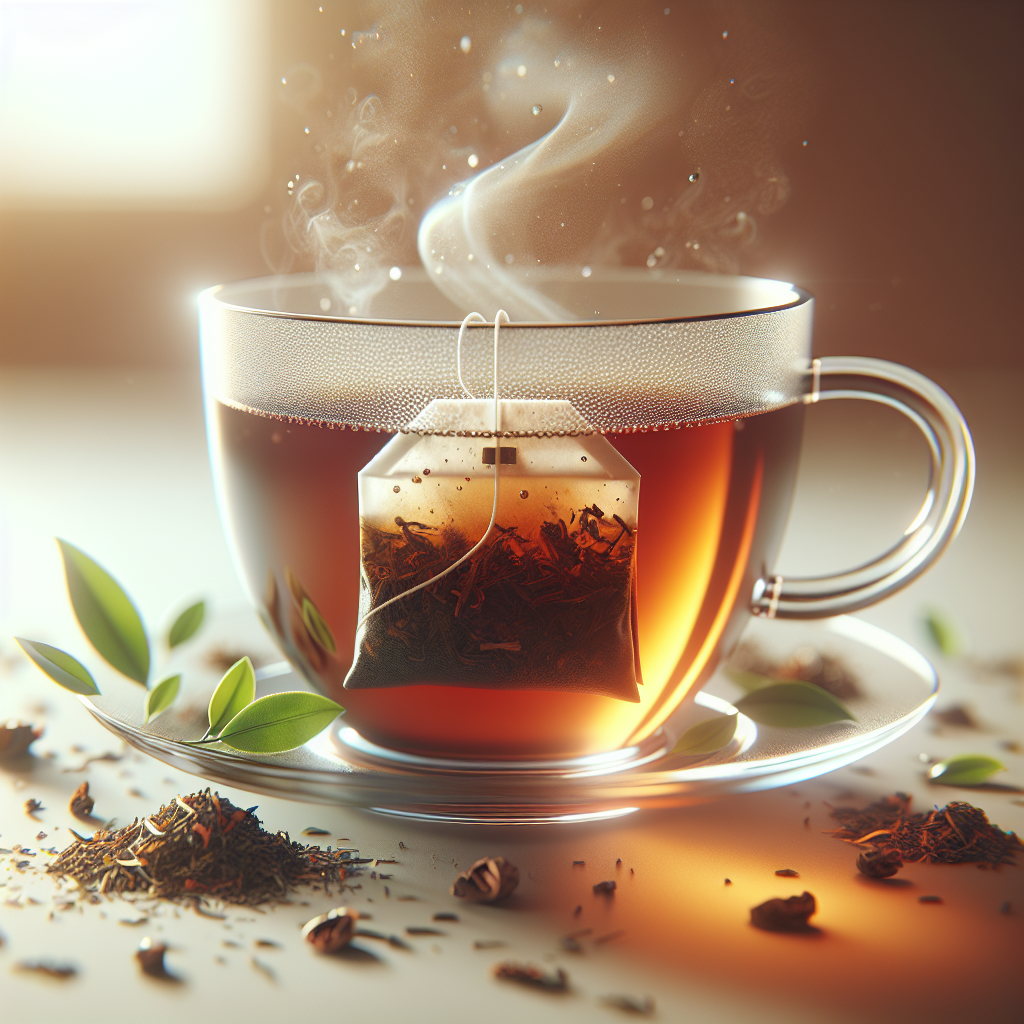
Pure herbal infusions, such as peppermint, chamomile, or hibiscus, contain negligible calories. They do not contain sugar, fats, or proteins that would trigger insulin release. Therefore, in most cases, these herbal teas are considered fasting-friendly. When preparing them, avoid adding honey, syrup, or even lemon juice, as these extras can shift your beverage from fasting-safe to calorie-bearing.
Herbal Teas with Active Phytochemicals
Some herbal teas, like ginseng or licorice root, contain compounds that moderately influence metabolism or blood sugar levels. For instance, licorice’s natural sweetness (from glycyrrhizin) can mildly raise insulin sensitivity, though the effect is minor in typical amounts. Context matters—if you are doing a purity-oriented fast, even mild metabolic effects may count as breaking it.
does herbal tea break a fast When It Contains Blends or Flavors?
Commercial herbal blends often include natural flavor oils or fruit pieces. These can add small amounts of calories or alter your metabolic response, technically interrupting a fast. Always check ingredient lists: a “Wild Berry Hibiscus Blend” with dried fruit might deliver 5–10 calories—a margin enough to break rigorous fasting protocols. However, such amounts are generally trivial for flexible fasting purposes, especially intermittent fasting done for lifestyle management rather than strict ketosis or autophagy.
Is Drinking Herbal Tea the Same as Drinking Water?
Here’s where the relationship between hydration, fasting, and herbal tea deepens. While herbal teas hydrate the body, they are not chemically identical to water. Every leaf, flower, or root infusion introduces small quantities of antioxidants, tannins, or volatile compounds that water does not. The body registers this subtle difference, though not always in a way that disrupts fasting benefits.
The Role of Hydration in Fasting
Hydration plays a vital role in fasting, supporting digestion and detoxification even in the absence of food. Water is the purest form of hydration, but herbal tea can help maintain fluid balance while adding comforting warmth and flavor, preventing the fatigue or dizziness that can accompany extended fasting. In that sense, herbal tea can feel emotionally and physically supportive without meaningfully hindering fasting benefits.
Scientific Perspectives on Herbal Tea During Fasting
Studies from nutrition journals and fasting research indicate that herbal teas like mint, ginger, and rooibos hardly influence blood sugar or insulin. They can even enhance fasting by providing mild relaxation or digestive comfort. However, green and black teas, though sometimes categorized alongside herbal teas, do contain caffeine and catechins that slightly raise metabolism—a nuance important to distinguish.
Comparing Herbal Tea vs Water in Fasting Physiology
In metabolic terms, water is a pure zero-signal input. Herbal tea adds molecular “noise,” but at insignificant levels. Thus, the answer to whether drinking herbal tea is the same as drinking water is: not precisely, but close enough for most fasting goals. For example, peppermint tea contains trace menthol oils—these engage taste receptors but barely affect calorie balance. The distinction is more functional than energetic.
When Herbal Tea Might Disrupt a Fast
Though herbal teas are widely accepted in fasting circles, certain conditions can make them less suitable. For instance, teas containing fruit bits, sweeteners, or caloric flavorings can stimulate digestion. Even a small calorie intake might prompt momentary insulin release, halting fat burning or autophagy.
Examples of Herbal Blends That Can End a Fast
- Teas with added honey or stevia extract.
- Blends marketed for “energy” or “detox,” which may include sugars or caffeine.
- Floral teas brewed from calorie-rich botanicals like rosehips or elderberries, depending on steeping strength.
Voluntary Fasting vs Therapeutic Precision
If your fasting approach is medical or metabolic—such as for insulin regulation—erring on the side of plain water or pure peppermint or chamomile teas is safest. For lifestyle fasting, where flexibility is the point, these minor additions matter far less. The guiding principle is intent: are you fasting for spiritual focus, fat adaptation, or digestive rest? Each goal brings its own criteria for what “breaks” the fast.
Benefits of Drinking Herbal Tea During Fasts
Even when people ask “does herbal tea break a fast,” they’re often motivated by the calming effects and gentle energy support herbal teas provide. During long fasts, these beverages help sustain well-being, making the practice more sustainable and enjoyable.
Emotional and Psychological Support
Fasting is not merely a physical challenge—it’s a mental one. Warm beverages offer ritual comfort, mitigating hunger waves and improving compliance. A cup of chamomile can reduce cortisol, while peppermint refreshes focus during fasting hours. These non-caloric psychological benefits are crucial for adherence.
Digestive Comfort and Detoxification
Some herbal infusions encourage mild digestive movement without stimulating hunger too strongly. Ginger and fennel teas, for instance, can prevent bloating and calm the gut during fasting. Though technically introducing bioactives, they don’t feed metabolism in a caloric sense.
does herbal tea break a fast When Used for Detox?
Herbal detox blends can sometimes trigger liver enzyme activity, aiding natural toxin elimination. While detox teas are not universally necessary, they align with the principles of fasting by supporting internal purification. As long as no caloric additives exist, these teas maintain fasting integrity physiologically and spiritually.
Best Practices for Drinking Herbal Tea While Fasting
Practical guidance can make fasting with herbal tea simple and effective.
- Ensure the tea is pure, without additives or artificial flavors.
- Opt for loose-leaf, organic varieties for transparency and quality.
- Steep briefly to minimize intensity if you want near-zero bioactive concentration.
- Drink slowly to extend satiety and hydration benefits.
Timing and Quantity
For most intermittent fasting patterns, 2–3 cups of herbal tea throughout the fasting window are harmless, as long as no sweeteners are included. More caffeine-sensitive individuals should avoid stimulating herbal variants like yerba maté, which is herbaceous but still energizing.
Hydration Quality Over Quantity
If the main goal of your fasting practice is detox or digestive rest, prioritize pure water for baseline hydration, then complement your routine with herbal tea strategically. That way, you can enjoy the ritual and flavor without undermining physiological fasting goals.
Comparative Examples from Different Cultures
Across cultures, fasting and herbal tea have always coexisted. Traditional Moroccan mint tea is consumed during Ramadan fasting periods—not during the fast itself but in transition times—demonstrating the subtle cultural respect for timing. In Japan, roasted barley tea (mugicha) serves as a hydration alternative, reflecting how different societies have naturalized low-calorie beverages around fasting rituals.
Modern Wellness Practices
Today’s health communities embrace herbal tea during fasting because it bridges comfort and discipline. Functional nutrition experts often recommend pairing fasting with herbal infusions for micronutrient diversity and emotional balance, reinforcing adherence in the long run. The holistic approach emphasizes individual response rather than blanket prohibition.
Expert Opinions and Research-Based Insights
Current dietetic reviews confirm that most calorie-free herbal teas do not significantly affect fasting metabolism. Researchers from The American Society for Nutrition note that caffeine-free botanical infusions show negligible glycemic impact. Likewise, hydration studies by The Centers for Disease Control and Prevention highlight that non-caloric beverages meaningfully contribute to daily fluid intake, complementing pure water consumption during fasting windows.
For more tea-specific reading on hydration and steeping quality, check related insights from this guide on herbal tea and hydration balance and explore comparisons between green tea and herbal infusions to understand purity and fasting suitability more deeply.
Conclusion: does herbal tea break a fast in practical terms?
The final answer lies in context. Technically, pure water remains the only entirely neutral beverage. Yet when the question arises—does herbal tea break a fast—the reasonable answer is that plain, unsweetened herbal teas like chamomile, peppermint, or ginger typically do not. They hydrate, comfort, and ease fasting without measurable caloric disruption. However, added flavors, fruit bits, or sweeteners transform the beverage into a fast-breaker. The best choice always depends on your fasting goal, tolerance, and philosophy. By balancing taste, discipline, and hydration wisely, herbal tea enhances rather than hinders a mindful fasting routine.
Frequently Asked Questions
Does herbal tea break a fast during intermittent fasting?
Most unsweetened herbal teas do not break a fast during intermittent fasting. They contain virtually no calories and don’t spike insulin, keeping your body in a fasted state. Just avoid adding any sweeteners or milk, as even small additions can disrupt your fasting rhythm and metabolic balance.
Can I drink herbal tea instead of water while fasting?
Herbal tea hydrates almost as well as water, but it’s not chemically identical. You can substitute part of your water intake with herbal infusions to maintain hydration, but plain water should still be your primary beverage during fasting for optimal cellular function and purity.
Which types of herbal tea are safest during a fast?
Chamomile, peppermint, ginger, and hibiscus teas are among the safest because they are calorie-free and caffeine-free. These teas maintain fasting parameters while easing digestion and calming the body, making them perfect companions to fasting windows.
Does herbal tea break a fast if it contains natural flavors?
Teas with added natural flavors or fruit pieces can carry trace calories or sugars, which may technically break a fast. Always check ingredient lists and opt for pure herbal varieties if your fasting goals require strict adherence to zero-calorie intake.
Can drinking too much herbal tea affect fasting results?
Overconsumption, especially of potent herbal blends, might mildly influence digestion or metabolism. Limiting intake to three or four cups daily keeps effects balanced—supporting hydration but avoiding excessive stimulation from bioactive compounds in stronger herbs.
Is drinking herbal tea the same as drinking water during fasting?
No; while both hydrate, water is purely neutral. Herbal tea introduces mild phytonutrients and aromatic compounds that slightly alter metabolism. Practically speaking, however, for most fasting approaches, they serve almost the same hydrating purpose without meaningful interruption.
Does herbal tea break a fast if I’m fasting for autophagy?
If your goal is full autophagic activation, stick to water or extremely mild herbal infusions, like chamomile. Although herbal teas are low-calorie, some active compounds could theoretically influence cellular pathways involved in autophagy regulation.
Can I sweeten herbal tea while fasting?
No, adding any sweetener—even natural ones like stevia or honey—introduces calories or triggers insulin response. To preserve the fast, drink your herbal tea plain. If flavor is a concern, try steeping herbs longer for intensity without adding sugar or caloric boosters.

Leave a Reply