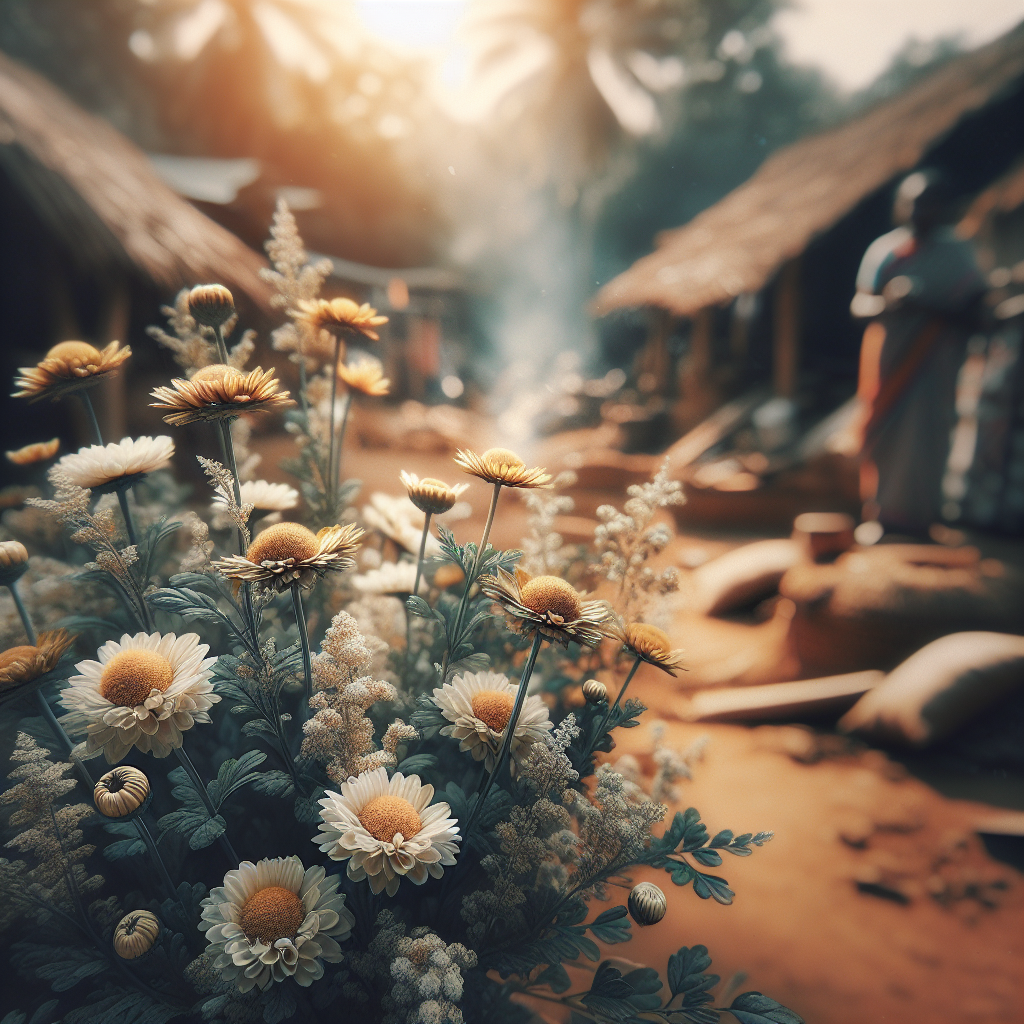
Many people are discovering the comfort, beauty, and wellness benefits of herbs, and one that continues to hold a special place in both traditional and modern remedies is chamomile. For those seeking to understand chamomile in tamil context, this guide gives practical insights, genuine user experiences, and scientific observations. Whether you’re exploring it for health, skincare, or soothing tea recipes, learning about chamomile in tamil culture offers a meaningful appreciation for how ancient traditions meet today’s holistic lifestyles.
In Tamil Nadu and other parts of South India, the awareness of herbal wellness has always been strong. However, chamomile has gained more attention recently due to its calming properties and use in herbal teas, skincare, and essential oils. This article unfolds a complete perspective on chamomile in tamil natural living—its Tamil name, cultivation, usage methods, local market availability, and even honest product reviews users have shared from their everyday experience. You’ll also find references to trusted scientific studies and traditional viewpoints that make this herb’s use both cultural and contemporary.
The Meaning and Origin of Chamomile in Tamil Tradition
To begin understanding chamomile in tamil, we need to see how it fits within the language and lifestyle of Tamil-speaking people. Chamomile is called “சாமமிலே” (Saamamilē) or sometimes transliterated as “Chamomile Poo” in Tamil. While not indigenous to India, it has found an enduring place in the Tamil wellness community due to its soothing aroma and healing nature. Its floral character is reminiscent of other native herbs used in Siddha and Ayurvedic medicine, even though chamomile hails from Europe and Western Asia.
Historical Significance of Chamomile in Tamil Herbal Knowledge
Though chamomile may not have originated in Tamil Nadu, its adoption into traditional remedies shows the flexibility of Tamil herbal culture. The state’s natural healers saw its similarity to certain native flowers used for relaxation and digestion. With the rise of global herbal trade, chamomile in tamil herbal homes started being viewed as an imported sibling to old indigenous herbs like Tulsi and Vettiver.
Modern Tamil books on herbalism and Siddha therapy now include chamomile as part of their referenced materials. These texts note its ability to relieve mild insomnia, digestive complaints, and anxiety. The calming character of chamomile tea resonates with the Tamil preference for mild, balanced infusions rather than overly strong decoctions.
Common Names and Language Adaptation
Chamomile has several variations even within Tamil conversation. Some markets label it in English letters as “Chamomile Flowe,” while others write it phonetically in Tamil script. For e-commerce buyers, many Tamil herbal brands highlight both the Tamil and English names to attract global consumers. Thus, learning the local name of chamomile in tamil ensures buyers avoid confusion when purchasing authentic products.
How to Use Chamomile in Tamil Households
Chamomile in tamil daily life appears in diverse forms—from simple home teas to soothing face packs. Urban wellness enthusiasts in Chennai or Coimbatore have started adding chamomile oil to diffusers or skin serums, while rural users often steep dried flowers for mild medicinal tea.
Preparing Chamomile Tea the Tamil Way
Tea preparation remains the most popular approach, as tamilians have deep-rooted chai culture. However, chamomile tea differs slightly—it is typically caffeine-free, lighter in aroma, and taken warm before bedtime. Here’s how you can make a local version of chamomile in tamil kitchens:
- Heat one cup of water on a pan.
- Add one teaspoon of dried chamomile flowers.
- Simmer for 2–3 minutes and let it rest.
- Strain and sip calmly, adding a drizzle of palm jaggery if desired.
Some families mix chamomile with cardamom or mint leaves for flavor variation. This practice shows the fluid blending of Tamil tastes with global herbal influences.
Creative Uses Beyond Tea
Chamomile in tamil skincare is emerging through natural product brands. Powdered chamomile combined with rosewater is applied as a homemade face mask to reduce inflammation. In aromatherapy, diluted chamomile oil is used for temple and neck massages to relieve tension headaches. Tamil mothers also infuse a small portion of chamomile tea into baby baths to keep the skin calm and soft—though caution with dosage is advised.

Cultivation Insights: Growing Chamomile Locally
Growing chamomile in tamil soil conditions requires understanding its needs for well-drained, moderately cool areas. The plant thrives in loamy soil and partial sunlight, making certain hill stations like Kodaikanal or parts of the Nilgiris suitable for small-scale cultivation.
Climate Requirements
Farmers experimenting with aromatic herbs find chamomile ideal for intercropping. It demands temperatures between 15°C and 25°C and moderate watering. Those familiar with marigold farming already get the basic techniques needed for chamomile since their growth patterns share similarities.
Harvesting and Drying
The flowers should be plucked when fully bloomed but before the petals fall. Drying under shade retains aroma and preserves active compounds like apigenin. Tamil farmers engaged in organic herb export often integrate chamomile as part of their diversification portfolio, selling both fresh and dried forms to urban organic shops.
Health Benefits of Chamomile in Tamil Wellness Practices
Health experts frequently highlight that chamomile in tamil herbal systems is valued for calming energy, known as “Samathu Sathuvam” (balanced serenity). It is believed to help the mind and body unwind gently without sedation.
Digestive Comfort
Chamomile tea is consumed after heavy Tamil meals that may include dinner items like parotta or spicy gravies. Its mild bitterness helps the stomach settle. It aligns with traditional beliefs that warming drinks support “Agni,” or digestive fire. For those dealing with acidity, a small cup of chamomile infusion aids comfort and ease.
Skin Health and Youthful Glow
Natural healers recommend washing the face with cooled chamomile infusion to reduce dullness. This mirrors traditional Tamil homemade skin formulas where flowers and herbs are regularly used. Elderly Tamil women often share that adding chamomile water to bath routines helps balance dry skin typical to hot climates.
Stress and Sleep Support
Stress is an area where chamomile in tamil wellness is making a distinct mark. Office workers or students in cities use it before sleep to unwind. Combined with breathing exercises or gentle yoga, it promotes deeper rest. Even healthcare providers support its mild tranquilizing quality compared to synthetic sleep aids.
Real-World Reviews: Chamomile in Tamil Markets
Many Tamil consumers share authentic feedback online about their chamomile experiences. Some prefer importing German or Egyptian chamomile for its potent aroma, while others find locally dried chamomile sufficient for household use. Below is a summary of honest user impressions collected from Tamil wellness platforms and social groups.
- Aromatic Satisfaction: Users report that quality chamomile carries a sweet, apple-like scent—an indicator of purity.
- Tea Experience: Mild taste with relaxing aftereffect rated positively. Consumers avoid overbrewing to retain its smoothness.
- Skin Reactions: Some sensitive skin users perform patch tests first. Tamil herbal skincare communities emphasize this caution.
- Accessibility: Chamomile in tamil online markets is growing rapidly with local sellers offering eco-packaged herbs on websites and apps.
External resources such as Healthline and TeaClass further provide global perspectives on its chemical composition and tea grading, useful for Tamil tea enthusiasts comparing quality.
Comparative Analysis: Chamomile vs Local Herbs
For many readers exploring chamomile in tamil, comparing it with familiar local herbs helps understand its unique role. Let’s explore a short analytical comparison.
Chamomile and Tulsi
Tulsi (Holy Basil) is a sacred plant in Tamil homes known for its immunity-boosting effects, while chamomile’s strength lies in calming nerves. Together, they form a perfect contrast—Tulsi revives energy, chamomile relaxes it. Herbal experts recommend alternating between the two based on daily mood or climate needs.
Chamomile and Vettiver
Vettiver, or khus root, is native to Tamil Nadu and used for cooling the body. Chamomile complements it with emotional tranquility. Many Tamil-based natural product formulators now blend Vettiver oil with chamomile extract to create balanced roll-on scents or diffusers suitable for humid evenings.
Buying and Storing Chamomile in Tamil Markets
Finding authentic chamomile in tamil retail stores isn’t difficult, but quality variation is huge. Specialty tea shops in cities like Chennai stock imported and local-grade varieties. Online platforms deliver in eco jars or sachets, often indicating harvest date and region.
Storage Tips
Store dried chamomile in airtight glass jars away from direct sunlight. Avoid moisture, as it can cause mold. The typical shelf life is about six months to one year. Dedicated Tamil home tea makers often note the importance of refreshing supplies every quarter for maximum aroma.
Price and Availability
Prices for chamomile in tamil stores vary from Rs. 150 to Rs. 800 per 50 grams, depending on its origin and whether it is certified organic. Local farmers’ markets sometimes sell small sachets for affordable trial use. Fair-trade setups allow buyers to connect directly with hill farmers cultivating herbs responsibly.
Integrating Chamomile in Tamil Holistic Lifestyles
The Tamil perspective on health emphasizes balance—between body, mind, and environment. Chamomile fits beautifully here because it encourages both relaxation and reflection. Whether as a bedtime beverage, fragrant oil, or natural skincare ingredient, chamomile in tamil holistic routines signifies modern eco-awareness rooted in old wisdom.
DIY Herbal Blends
Combining chamomile with other friendly herbs like lemongrass or mint creates bespoke Tamil-style infusions. Try infusing the blend with palm sugar instead of refined sweeteners for both traditional flavor and nutritional balance. You can also refer to teastory.blog/tea-recipe for creative home mix ideas inspired by Tamil tea houses.
Mindful Living with Chamomile
Chamomile reflects a reminder for Tamil culture’s long-lasting love for “samathu”—peaceful balance. Integrating small self-care rituals such as drinking a cup of chamomile tea before bedtime, lighting a floral diffuser, or maintaining short breathing meditation enhances mental clarity and rejuvenation after long workdays.
To deepen understanding of its evolution, visit teastory.blog/tea-history for contextual stories on how global teas travel and adapt into local Tamil living.
Frequently Asked Questions
What is the Tamil name for chamomile in tamil and where can it be found?
The Tamil name for chamomile in tamil is “சாமமிலே (Saamamilē)” or sometimes “Chamomile Poo.” It can be found in herbal markets, Ayurvedic stores, and online platforms focusing on natural teas and essential oils. Chamomile flowers are also available from local organic farmers cultivating in regions like the Nilgiris. When buying, check packaging details to avoid adulterated varieties.
How is chamomile in tamil herbal tea prepared traditionally?
Traditional preparation involves boiling one teaspoon of dried chamomile flowers in water for a few minutes, allowing it to steep, and filtering before drinking. This light herbal infusion is caffeine-free, taken either warm or at room temperature, often before bedtime to ease digestion and promote rest. In Tamil homes, flavor is enhanced with palm jaggery or honey for a gentle sweetness.
Can chamomile in tamil treatments help improve skin?
Yes, chamomile in tamil skincare is popular for its soothing properties. Many women mix dried flowers with rosewater or curd to make a cooling face mask. The herb’s anti-inflammatory nature helps reduce irritation, redness, and blemishes. It suits sensitive skin well but should be patch-tested first to ensure no allergies. Regular use adds softness and glow.
Does chamomile in tamil culture have spiritual or emotional symbolism?
Chamomile in tamil associations often revolve around calm, balance, and emotional cleansing. It aligns with the belief that flowers hold subtle energies. Drinking chamomile tea can symbolize restoration after stressful days, while using its fragrance may represent peace and stillness during meditation. Some also burn dried chamomile with sandalwood to purify the atmosphere spiritually.
Is chamomile in tamil diet safe for children and elders?
In small, supervised portions, chamomile tea is safe for most ages. Tamil families commonly use a lightly brewed version for elders or children having digestive discomfort or difficulty sleeping. However, strong infusions are avoided. Consulting a doctor is always advised, especially for infants, pregnant women, or people with allergies to the daisy family.
Where can one buy organic chamomile in tamil online?
Organic chamomile in tamil regions can be purchased from e-commerce stores and Tamil organic market websites offering certified herbs. Look for clear sourcing details, harvest year, and storage guidance. Many sustainable Tamil farmers in the Nilgiris collaborate with online retailers to deliver freshly dried chamomile direct to customers’ doors across India.
What are the main benefits of chamomile in tamil lifestyles today?
Chamomile in tamil everyday practices supports relaxation, healthy digestion, clearer skin, and improved sleep. Beyond physical benefits, it represents a lifestyle of mindful self-care rooted in natural traditions. Its popularity has expanded through tea bars, home aromatherapy, and herbal product lines designed with Tamil wellness sensibilities in mind, blending ancient simplicity with modern need.
How can I grow chamomile in tamil climate at home?
Chamomile grows well in Tamil plateau regions with partial sunlight and sufficient drainage. Start with seeds in small pots; keep soil moist but not wet. Ideal temperature ranges from 15°C to 25°C. Harvest when flowers bloom fully and dry them under shade. It thrives best during mild winters or early summer months under home-garden conditions.