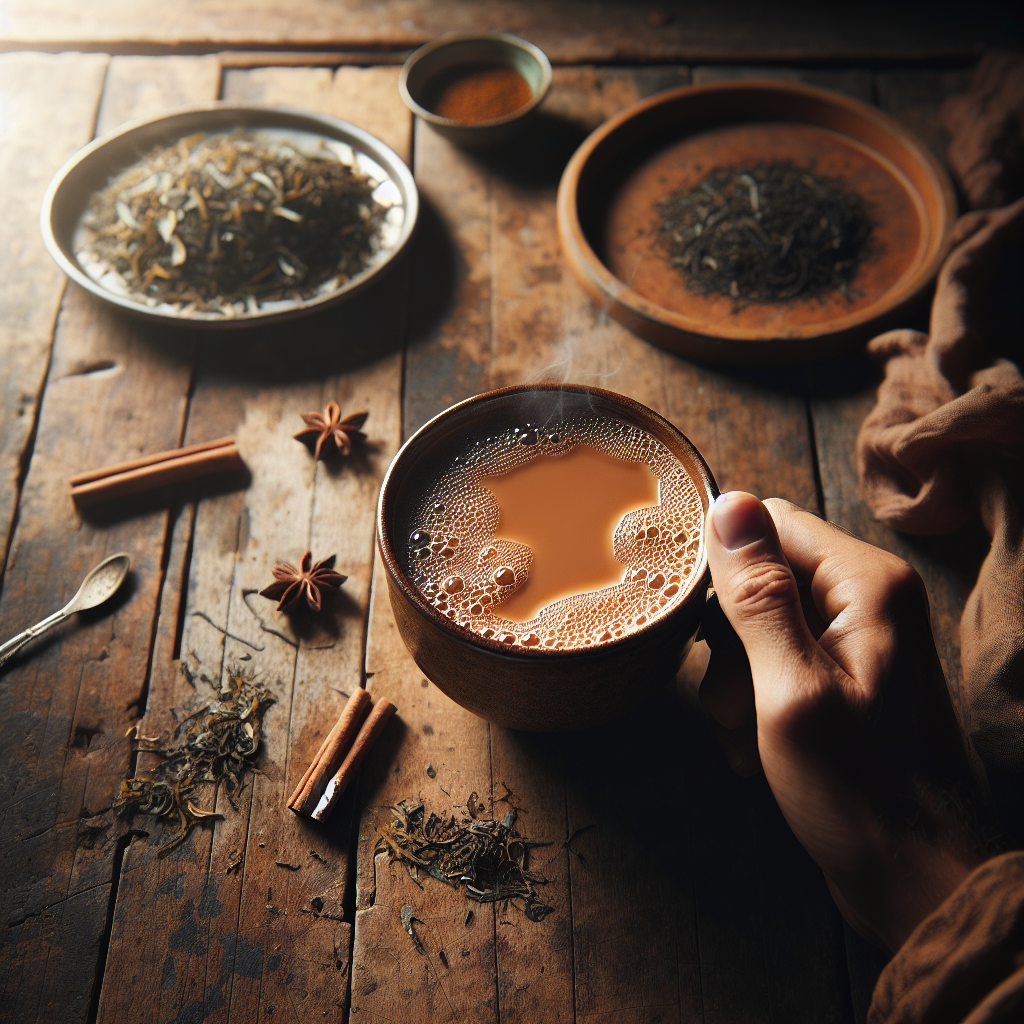
For millions of people, morning comfort begins with the aroma of chai patti simmering gently in water and milk. This humble ingredient—sometimes overlooked, sometimes adored—is the very essence of India’s tea culture. Whether you prefer your brew strong, spiced, or delicately balanced, chai patti determines not only the flavor but also the emotional undertone of every cup. Its taste has sparked countless debates at tea stalls, households, and office pantries across the country. Some praise its earthy depth and gentle bitterness, while others find it overpowering or too smoky.
At first sip, chai patti can feel nostalgic—taking you back to a wet monsoon morning or a roadside dhaba experience. Yet, its taste also divides opinions. Some tea lovers cherish the consistency that comes from a well-blended chai patti brand, while others crave the untamed strength of loose, single-estate leaves. This article explores both sides: why chai patti is loved by many and disliked by some, how brewing styles alter its taste, and how the type of leaf, processing method, and even water quality influence every nuance of this treasured beverage.
Before diving deeper, it’s worth appreciating that chai patti is more than an ingredient—it’s a cultural symbol, a social connector, and a reflection of craftsmanship and nature working hand in hand. Understanding its taste profile requires patience, curiosity, and a willingness to experiment. Let’s decode what makes this simple tea leaf so versatile and yet so polarizing.
Understanding the Identity of Chai Patti
At its core, chai patti refers to the tea leaves used to make chai, typically black tea leaves processed through oxidation to develop a bold color and strong flavor. The majority of chai patti consumed in India comes from Assam, Darjeeling, and Nilgiri, though tea lovers increasingly explore blends from Sri Lanka, Kenya, and Nepal. The taste spectrum is wide—from malty and full-bodied to brisk and sharp. What most agree on is that chai patti determines the concentration, texture, and caffeine kick of a cup of chai.
How Chai Patti Is Produced
Producing chai patti involves plucking tender leaves, withering them to reduce moisture, rolling to release natural oils, fermenting for controlled oxidation, and then drying. A finely tuned process ensures balanced flavor and long shelf life. The oxidation stage, in particular, defines how deep or light the flavor will be. When over-oxidized, chai patti can develop a bitter edge; under-oxidation, on the other hand, may result in a flat or grassy taste. Producers like to experiment with rolling intensity and drying temperatures, as even small changes can alter the final character of chai patti.
Tasting Chai Patti: The Sensory Experience
Every sip of chai made with fresh chai patti begins with aroma. You might detect hints of malt, honey, wood smoke, or herbs. Then comes taste—initial briskness, followed by an undercurrent of sweetness or spiciness, depending on the blend. The mouthfeel, or “body,” can be light or heavy, a factor that often divides enthusiasts. Some appreciate bold, tannic flavors that wake up the senses; others desire a softer infusion that allows spices and milk to shine. Aroma intensity also depends on how finely ground the chai patti is—dust-grade teas brew faster and stronger but can lose subtle notes compared to full-leaf varieties.
Why People Love the Taste of Chai Patti
For many, chai patti represents comfort and authenticity. Its bold flavor cuts through milk and spices, creating warmth that transcends seasons. The caffeine content provides gentle stimulation, making it a preferred choice for morning or mid-afternoon breaks. But beyond function, chai patti taste brings emotional satisfaction—a sense of continuity and familiarity. Every household has its own secret ratio of milk to water, yet the heartbeat remains the same: those fragrant tea leaves dancing in boiling liquid.
Aroma and Depth That Fascinate Tea Lovers
The best chai patti brands deliver a balance between robustness and aroma. Enthusiasts who adore its flavor often speak of a well-rounded body and long finish that lingers pleasantly. It complements additives beautifully—ginger, cardamom, cinnamon, or cloves—without losing its identity. The slightly bitter edge pairs well with sugar and milk, producing what many call “energy in a cup.” Connoisseurs appreciate that high-quality chai patti maintains structure even under prolonged boiling, avoiding a muddy aftertaste common in cheaper variants.
Examples of Chai Patti Brands with Beloved Profiles
Some respected Indian brands like Tata Tea, Brooke Bond Red Label, and Teabox Assam Gold are known for blending chai patti to achieve a distinct personality. For instance, Tata Tea Premium focuses on the northern Indian palate—stronger and thicker brews—while Nilgiri-based teas cater to southern tastes with more fragrant, lighter tones. Global tea reviewers often describe the best chai patti as “assertive yet smooth,” proving that everyday consumers and experts alike can find joy in its diversity. If you’re passionate about exploring more flavors, check out the tea cultivation guide on teastory.blog to understand how growing conditions dictate taste.
Why Some People Dislike Chai Patti Taste
Despite its popularity, not everyone enjoys chai patti. Criticisms often revolve around bitterness, heaviness, or lack of consistency. Overboiling intensifies tannins, making the brew taste harsh. Similarly, mass-market blends may contain too much dust-grade tea, leading to a coarse flavor. For health-conscious individuals, the caffeine level can also be a deterrent. Ultimately, disliking chai patti doesn’t necessarily mean disliking chai—it may simply reflect personal preference, the brewing method, or the water-to-tea ratio.
Common Complaints and Misconceptions
One major misconception is that stronger chai automatically means better chai. In reality, too much chai patti results in bitterness and can overpower spices that provide balance. Others assume all chai patti is mass-produced with little variation, yet small tea estates often produce rich flavors unmatched by commercial blends. Temperature sensitivity is another problem—boiling the leaves too long or using burnt spices may ruin the delicate chemistry of the brew. A good cup of chai begins not with quantity but quality and timing.
How to Avoid Bitterness in Chai Patti
Start by measuring carefully—around one to one-and-a-half teaspoons of chai patti per cup. Use fresh, cold water and bring it to a light boil before adding milk or spices. Avoid prolonged simmering once the tea color deepens. Many experienced chai makers suggest straining the tea immediately after reaching the desired color rather than waiting for intensity to grow. This simple adjustment often resolves bitterness concerns. Also, storing chai patti in an airtight, opaque container prevents aroma loss and staleness, improving flavor longevity.
Factors That Shape the Taste of Chai Patti
Several variables influence chai patti’s final flavor. Soil type, altitude, climate, leaf grade, and blending technique all play crucial roles. Seasonality matters too; first-flush leaves yield livelier flavors, while later harvests produce deeper, more tannic tones. The source region also determines how chai patti reacts with milk and spices. For instance, Assam tea stands out in masala chai, while Darjeeling’s delicate structure suits lighter milk ratios.
Water and Brewing Techniques
Water quality often goes unnoticed. Hard water can flatten flavor, while filtered or spring water elevates subtle aromas. Boiling too long can make even premium chai patti taste stale. Some chai aficionados pre-infuse spices like cardamom and ginger to harmonize with tea oils before adding milk. Others prefer the “double-boil technique,” allowing chai patti to infuse gradually. Experimenting lets you find a balance tailored to your taste buds.
Pairing Chai Patti with Spices and Milk Varieties
Chai’s beauty lies in adaptability. You can shift its character dramatically by changing milk type, such as cow, buffalo, or plant-based. Fuller fat yields creamier texture; lighter options highlight chai patti’s bite. Popular spice pairings include cardamom for freshness and black pepper for heat. In every variation, chai patti stands as the conductor uniting all flavors into a coherent melody. To deepen your mastery, explore historical rituals around tea at the tea history section of teastory.blog.
Health and Quality Considerations
High-quality chai patti not only improves taste but can also offer antioxidants that protect against oxidative stress. However, low-quality or over-steeped tea may contain excessive tannins, contributing to acidity. Moderation remains key. When consumed responsibly, chai patti can support mental alertness and hydration. Experts recommend rotating between blends to avoid palate fatigue and to enjoy diverse nutrient profiles. Always verify sources and prefer certified organic or fair-trade products whenever possible.
Pricing Doesn’t Always Reflect Quality
While premium labels carry reputation, mid-range chai patti can surprise with authenticity. Online marketplaces allow transparent reviews that reflect real brewing experiences. Consumers may find that a modestly priced packet produces better consistency than overpriced luxury tea that focuses on packaging. Reading ingredient breakdowns—like leaf grade percentage and origin—offers more value insight than brand name alone. Reliable reviews from tea experts at global organizations such as the Indian Tea Board further help identify quality standards aligned with chai patti authenticity.
Environmental and Ethical Impact
The future of chai patti depends on sustainable cultivation. Organic farming, fair wages for tea workers, and shade-growing techniques all ensure better long-term flavor integrity. Ethical buyers also look for recyclable packaging and reduced carbon footprints. These small decisions collectively support communities that bring chai patti to our kitchens. Enthusiasts believe the richer the soil health, the richer the cup. Conscious consumption transforms tea from habit into heritage.
Expert Tips for Brewing the Perfect Cup of Chai Patti Tea
Brewing chai patti is both art and precision. Every step—from proportioning tea leaves to timing the boil—shapes the final taste. While recipes differ, the philosophy remains constant: balance. Below are tested strategies used by long-time chai devotees and professional tasters.
- Use freshly drawn water; reboiled water loses dissolved oxygen, dulling flavor.
- Add chai patti only after spices release aroma, not before, to avoid losing essence.
- Simmer on medium flame to sustain rolling boil; avoid charring the leaves.
- Mix sugar to taste while brewing if you prefer caramelized notes.
- Always strain into a pre-warmed cup for consistent temperature retention.
Lastly, patience matters. Chai patti reveals its best when brewed calmly, not rushed between notifications. Some families in India even say the best chai is brewed when shared.
Frequently Asked Questions
What exactly is chai patti, and how is it different from regular tea leaves?
Chai patti generally refers to black tea leaves used for making the traditional Indian chai. Unlike delicate green or white teas, chai patti undergoes complete oxidation, giving it stronger flavor and darker color. It’s crafted to handle milk and spices, while other teas are meant for lighter infusions. The term “chai patti” emphasizes preparation style more than botanical difference; the actual plant is still Camellia sinensis. The distinction lies in processing intensity and cultural association, as chai patti must deliver boldness that suits masala chai’s layered ingredients perfectly.
Why does chai patti sometimes taste bitter?
Bitterness in chai patti arises from over-extraction of tannins. If the leaves are boiled for too long or if too much is used, taste becomes harsh. Another cause is storage—exposure to humidity can make flavors stale. Choosing high-grade chai patti and adjusting brewing time (often 3–5 minutes total) usually solves the problem. Maintaining proper tea-to-liquid ratios prevents dominance of bitterness. Using filtered water and straining promptly after color deepens further ensures that chai patti delivers a harmonious, robust sip instead of an astringent one.
Is chai patti good for health?
Yes, in moderate amounts, chai patti can support wellness. It contains natural polyphenols and antioxidants that assist in reducing oxidative stress. Its moderate caffeine offers alertness without the crash often linked to coffee. Combined with milk, chai gains calcium and protein benefits too. However, excessive sugar or boiled-over blends can negate advantages. Choosing sustainably grown chai patti ensures minimal pesticide intake and helps small farmers thrive. Drinking 2–3 cups daily suffices for pleasure and benefit without overstimulating the body.
Which region produces the best-tasting chai patti?
Every tea-growing region brings distinctive charm. Assam delivers sturdy, malty brews perfect for traditional chai. Darjeeling offers floral nuance with a hint of muscatel sweetness, preferred in lighter milk ratios. Nilgiri teas from South India fall somewhere between—brisk yet fragrant. Outside India, Ceylon and Kenyan teas provide vibrant color and consistent body. Ultimately, “best-tasting” chai patti depends on personal preference and intended chai style. Many enthusiasts experiment by blending small quantities from different estates to achieve their signature mix.
Can chai patti be used without milk?
Absolutely. Although chai is iconic for its milky sweetness, chai patti can produce remarkable black tea when steeped alone. Using less leaf and slightly lower water temperature draws out mellow flavors. A slice of lemon or pinch of mint can replace milk for a refreshing afternoon tea. Without milk, one experiences the unmasked essence of chai patti—the pure interplay of tannins, aroma, and warmth. This version is popular among those who prefer lighter, cleaner brews while retaining the characteristic Indian aroma.
How should chai patti be stored to preserve flavor?
To maintain freshness, store chai patti in airtight containers away from moisture, light, and strong odors. Metal tins or dark glass jars work best. Avoid keeping open packets near spices, as strong fragrances can overwhelm delicate tea oils. Temperature consistency is also vital; avoid refrigeration that introduces condensation. Under ideal conditions, chai patti retains its vivid aroma and taste for six to twelve months. Labeling purchase dates helps monitor age and ensure timely consumption for peak flavor performance.
How does organic chai patti differ from regular ones?
Organic chai patti is grown without synthetic pesticides or chemical fertilizers. Farmers focus on soil preservation through composting, natural pest repellents, and biodiversity. This approach often intensifies flavor clarity and ensures sustainability. While organic versions can cost more, they provide assurance of cleaner production methods. Beyond taste, ethical consumers favor organic chai patti for supporting eco-friendly and worker-safe practices. Over time, as supply chains become greener, more mainstream buyers are shifting toward certified organic chai blends.
What are the visual clues of good-quality chai patti?
Look for even color, glossy leaf texture, and minimal dust residue. When rubbed lightly, premium chai patti releases a fresh, tea-like aroma rather than mustiness. Whole leaves or a high proportion of broken grades indicate careful handling. Faded hues or excessive powder suggest staleness. Upon brewing, good chai patti produces copper-to-deep amber color without excessive cloudiness. Observing these visual cues helps tea enthusiasts quickly assess quality before even tasting. Trained eyes can often judge consistency long before the first sip.
Can reused chai patti still produce good tea?
Reusing chai patti is possible but not ideal for flavor quality. The first brewing extracts most oils and tannins, leaving the second much weaker and often dull. If sustainability is your goal, consider composting used chai patti instead—it enriches soil naturally. That said, some creative brewers repurpose spent leaves for gentle iced teas or natural odor absorbers. However, for authentic taste and aroma, always use fresh chai patti for every brew to capture the richness that defines traditional chai.


Leave a Reply