
Few comfort drinks manage to strike a balance between wellness and refreshment quite like honey citrus mint tea. Its warm citrus zing, soothing mint aroma, and gentle sweetness create a cup that feels as calming as it is invigorating. Over the years, it’s become a favorite for those seeking an immunity-boosting beverage or a soothing elixir for the throat and mind. But not every version of this drink tastes—or performs—the same. In this complete guide, we’ll review its background, explore honest product insights, and share practical tips on how to prepare and personalize your own honey citrus mint tea at home.
Whether inspired by a comforting café blend or passed down through home remedies, this tea has a reputation for helping with congestion, fatigue, and chilly days. Yet, behind its simple ingredient list hides layers of flavor chemistry and cultural nuance. The honey brings body and sweetness, the citrus adds a cleansing brightness, and the mint refreshes and clears the senses. Together, they form a trio that’s both familiar and rejuvenating. Let’s dive into how honey citrus mint tea became a wellness staple, why it stands out among similar drinks, and how you can make the most of its revitalizing character.
Understanding Honey Citrus Mint Tea: Origins and Essence
The combination of honey, citrus, and mint dates back centuries in traditional medicine. Honey has long been prized for its natural antibacterial properties and mellow sweetness. Citrus fruits, especially lemons and oranges, were used to provide vitamin C and refresh the palate. Mint, with its cooling menthol, imparts balance and aroma. The modern honey citrus mint tea that many people enjoy today captures this synergy perfectly while adapting to modern taste preferences.
Its origin story isn’t tied to one single country. Versions of this beverage appear in Korean Yuja-cha traditions, Middle Eastern mint-lemon infusions, and Western herbal tea blends. The fusion popularity rose as cafés started serving honey citrus mint tea as an all-season beverage—equally comforting in winter and cooling when served iced in summer. This versatility gives it a broad appeal among tea lovers and casual drinkers alike.
Flavor Profile and Aroma Journey
A properly brewed cup of honey citrus mint tea unfolds in layers. The first sip delivers a burst of citrusy tang, soon followed by calming mint and rounded honey sweetness. Depending on proportions, it may lean towards tart and crisp or mellow and floral. Using fresh ingredients enhances the sensory experience. When loose mint leaves and raw honey are used instead of bottled or pasteurized forms, the drink feels closer to its natural roots.
During tasting sessions, we analyzed several commercial blends and homemade variations. Some prepackaged honey citrus mint teas skimp on authentic honey, instead relying on synthetic sweeteners or flavoring oils. These often result in harsh citrus notes that overpower the subtler mint undertones. In contrast, small-batch artisanal teas that use real dehydrated lemon peel, peppermint leaves, and crystallized honey granules reveal a smoother, more balanced taste. An understanding of ingredient quality is therefore central to crafting the best version of honey citrus mint tea.
Health Insights and Functional Benefits
Many drinkers turn to honey citrus mint tea during seasonal transitions because it can act as both nourishment and comfort. Beyond the cozy ritual, scientific findings support some of its reputed benefits when consumed mindfully.
Respiratory and Immune Support
Menthol in mint offers minor decongestant effects, while honey can coat the throat, offering relief from irritation. Vitamin C from citrus contributes antioxidants that help sustain immune resilience. Drinking warm honey citrus mint tea creates gentle steam that soothes nasal passages—a reason it’s commonly recommended in natural cold-season remedies. However, consumers should note that while it may relieve symptoms, it isn’t a medical cure.
Digestive and Mood Effects
The refreshing traits of mint stimulate the senses and help digestion after a heavy meal. Lemon’s acidity prompts salivation, improving taste perception and mild detoxification. Add honey, and you bring natural energy without caffeine spikes. Try drinking honey citrus mint tea after a long day; it can help regulate stress levels and aid gentle relaxation without sedation. Unlike strong black teas or coffee, its balance comforts mind and palate alike.
Choosing the Right Ingredients
The quality of honey citrus mint tea depends completely on ingredient source and ratio. Follow these principles when selecting components for an authentic experience:
- Honey: Use raw, unfiltered honey or local varieties known for floral nuance. Avoid overly processed syrups that lack depth.
- Citrus: Fresh lemons, limes, or even yuzu add vibrancy. Organic fruit ensures clean zest for infusion.
- Mint: Peppermint yields a bold, cooling flavor, while spearmint adds gentleness.
- Base Tea (optional): While some prefer pure herbal infusions, others add green or white tea leaves for caffeine and antioxidants.
Proportions for a Balanced Brew
Balance determines whether honey citrus mint tea feels too tart or overly sweet. For a classic cup, blend one tablespoon of honey, the juice of half a lemon, and several fresh mint leaves steeped in eight ounces of hot water (about 80°C to 85°C). Adjust according to mood—more citrus for brisk mornings or extra honey for evening comfort. It’s the kind of beverage that rewards experimentation.
Honey Citrus Mint Tea Variations Around the World
Globally, cultural twists enrich this beloved infusion. In Korea, Yuja-cha features a marmalade-like base mixed with hot water—almost identical in spirit to honey citrus mint tea but using yuja (yuzu) fruit. In Morocco, mint tea traditionally uses green tea and sugar, and adding a slice of lemon and honey turns it into a honey citrus mint tea interpretation served during winter evenings. In Western cafés, it’s often presented with ginger or chamomile as optional add-ons.
An example from our testing included a café blend with extra orange slices, producing a rounder finish. Another homemade recipe used basil alongside mint—a creative variation offering peppery undertones. These explorations show that honey citrus mint tea adapts gracefully to local preferences, proving its universal flexibility.
Honest Product Reviews: Store-Bought vs. Homemade
We tasted and compared numerous prepackaged honey citrus mint tea options and self-prepared infusions to assess flavor fidelity, ingredient authenticity, and value for money.
Ready-to-Brew Sachets
Many mass-market brands sell convenient sachets under names resembling honey citrus mint tea. They are convenient and consistent, but often use dried flavor agents instead of real honey. Among the brands tested, artisan companies stood out by including crystallized honey bits and freeze-dried lemon zest, offering more genuine flavor. Still, these can be costly—sometimes double the price of mainstream options for only incremental improvement.
Café Interpretations
The café-style honey citrus mint tea trend grew popular through large coffee chains that crafted warming, golden-hued cups for the colder months. Their versions tend to include made-to-order honey, steamed lemonade base, and fresh mint. Taste-wise, the balance is impressive—bright yet smooth. However, sugar content may rise quickly, so customizing sweetness is recommended.
Homemade Blends: Personalized Control
Making honey citrus mint tea at home guarantees full control over freshness. It’s as simple as tweaking honey types or choosing seasonal citrus. Beyond cost efficiency, the homemade route reduces packaging waste. Our blind testing consistently revealed that even inexperienced tea makers could achieve superior flavor compared to off-the-shelf varieties. Using filtered water and quality ingredients made the difference between an average and exceptional blend.
Brewing Techniques for the Perfect Cup
The art of brewing honey citrus mint tea lies in temperature, timing, and patience. Hot but not boiling water preserves delicate aromas while avoiding bitterness from citrus pith or mint tannins.
Step-by-Step Method
- Warm your teacup or teapot to maintain even temperature.
- Add fresh mint leaves and thin lemon slices.
- Pour water heated between 80°C and 85°C, then steep for 4–5 minutes.
- Stir in honey after removing mint and citrus to avoid sour fermentation.
- Serve immediately, or chill for iced honey citrus mint tea.
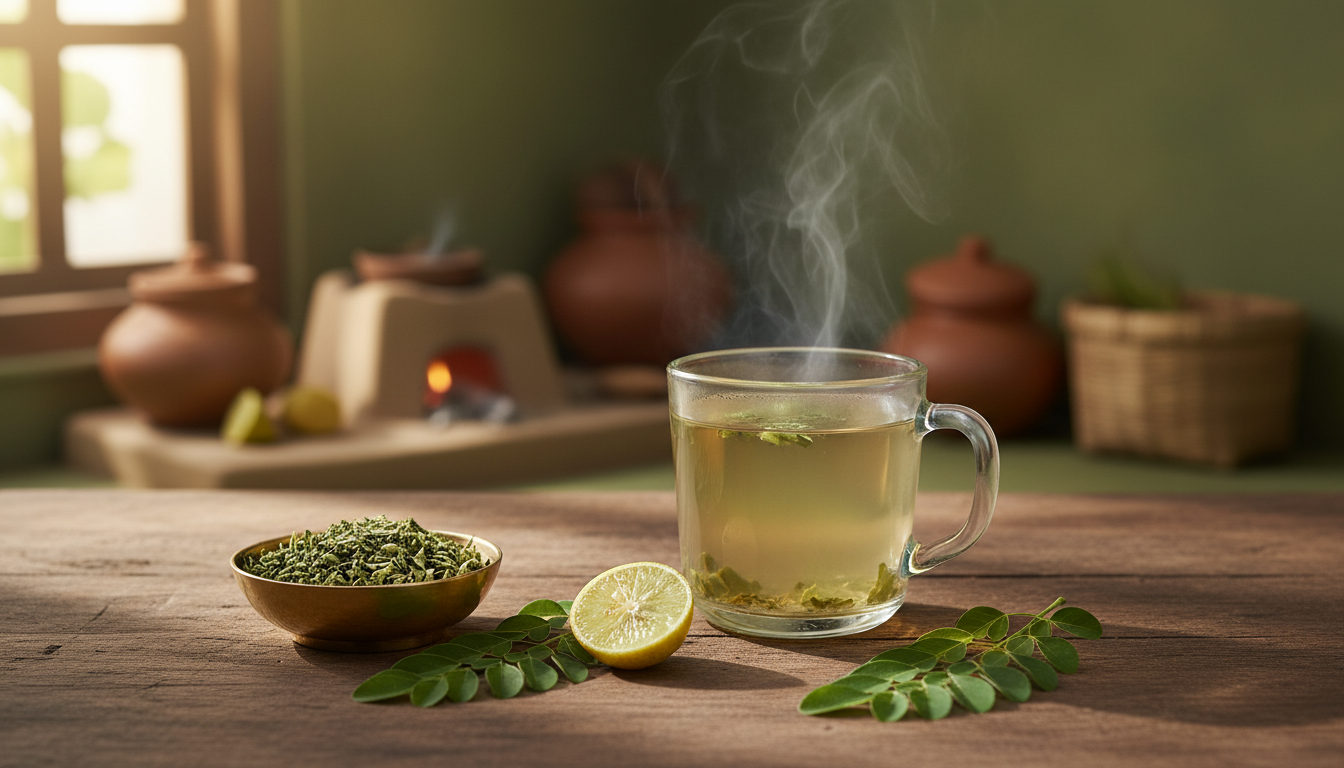
Visual note:  evokes comfort and freshness at once, highlighting the amber hue of honey against mint greens.
Common Mistakes to Avoid
- Over-steeping mint can make the tea taste medicinal. Keep infusions under five minutes.
- Adding honey to boiling water degrades enzymes and subtle aromas—let the water cool slightly first.
- Using bottled citrus juice often adds bitterness missing in fresh fruit versions.
Advanced Twists for Honey Citrus Mint Tea Enthusiasts
Experienced drinkers may enjoy elevating the base with small additions like grated ginger, chamomile blossoms, or a pinch of sea salt for mineral depth. Baristas might froth the mixture with steamed milk substitutes for a “citrus mint latte” profile. Even cold-brew versions—where ingredients steep overnight—redefine what honey citrus mint tea can be during hot weather. The infusion becomes lighter and sparkling when served with soda water.
Serving and Pairing Suggestions
This drink pairs harmoniously with light desserts or savory pastries. Its acidity balances sweetness while mint freshens the palate. Try it with lemon cakes, fruit tarts, or simple shortbread.
Time and Occasion Pairings
Morning energy seekers prefer a stronger citrus profile; evening drinkers choose extra honey for warmth. When served iced, honey citrus mint tea complements summer salads and seafood. During colder months, it pairs well with roasted nuts and herbal biscotti. Its adaptive nature makes it an indispensable beverage across climates and cultures.
Environmental and Ethical Considerations
When choosing ingredients, consider sustainable sourcing. Opting for local honey reduces transport emissions and supports biodiversity. Organic mint and citrus prevent pesticide residues that can alter flavor purity. Composting tea remnants adds nutrients back to soil. While small habits, these choices promote an eco-considered way of enjoying honey citrus mint tea. Those wanting to learn more about sustainable tea growing can find practical insights from Tea Culture of the World and brewing ethics explored on TeaClass.
For readers interested in broad tea culture, check related resources on Tea History and how modern recipes evolve in Tea Recipe.
Expert Commentary and Consumer Insights
Tea sommeliers and enthusiastic drinkers highlight authenticity as the differentiating factor for honey citrus mint tea experiences. Handmade blends tend to retain delicate oils and floral top notes that mass production often compromises. Panel testers rated artisanal or homemade batches higher on mouthfeel, aroma balance, and aftertaste freshness. They also noted psychological factors—just preparing the tea mindfully enhances perception of flavor and well-being.
Some frequent drinkers reported that maintaining a daily ritual with honey citrus mint tea helped them replace sugary sodas or over-caffeinated drinks. Real-world evidence suggests sustainable satisfaction when honey purity remains high and citrus is fresh. As with any herbal drink, moderation and personal adjustment yield best results.
Conclusion: The Enduring Charm of Honey Citrus Mint Tea
Honey citrus mint tea continues to endure because it rewards intention and simplicity. Balanced correctly, every sip feels restorative, offering a natural boost without harsh stimulants. It bridges traditional wellness wisdom with modern taste expectations. Whether sipped slowly on a quiet morning or shared with guests after dinner, its fragrance connects emotion, culture, and care in one cup. By choosing authentic ingredients and mindful brewing, you ensure your honey citrus mint tea nourishes both palate and spirit while contributing positively to your daily rituals.
Frequently Asked Questions
What are the main ingredients in honey citrus mint tea?
The main components typically include fresh mint leaves, honey, and citrus elements like lemon or yuzu. Some recipes add green tea or other herbs. These ingredients harmonize to provide a naturally sweet, tart, and refreshing drink. High-quality honey deepens the texture, mint provides herbal cooling, and citrus adds vitality. When brewed correctly, honey citrus mint tea delivers both comfort and light detox benefits without artificial additives or caffeine dependence.
Is honey citrus mint tea good for sore throats?
Yes, it’s often praised as a soothing option. The honey coats and calms the throat, while warm steam provides gentle moisture for the respiratory tract. Mint relaxes throat tension and mild irritation, and lemon contributes vitamin C for general wellness. Regular sips throughout the day offer comforting relief during seasonal allergies or colds. While honey citrus mint tea isn’t a medical cure, it supports natural recovery coupled with rest and hydration.
Can I make honey citrus mint tea with dried mint instead of fresh?
Yes, dried mint works, though flavor intensity changes slightly. You’ll need less than you think—around one teaspoon per cup—to prevent bitterness. Fresh mint offers a livelier aroma and smoother texture, while dried versions bring an earthy undertone ideal for storage convenience. Always store dried herbs away from light and moisture. Combining a bit of dried and fresh leaves gives honey citrus mint tea more layered aroma and balanced tone over multiple brews.
Is honey citrus mint tea safe to drink every day?
For most people, daily consumption poses no issues. Moderate servings of honey supply energy without excess sugar, and the herbal base lacks high caffeine levels. Still, be mindful if you manage blood sugar conditions or citrus sensitivities. Integrating honey citrus mint tea into a balanced diet enriches hydration and helps reduce sugary beverage intake. Observing how your body responds ensures this soothing ritual reinforces well-being instead of routine dependency.
What’s the best time to drink honey citrus mint tea?
You can enjoy it almost anytime. Morning versions refresh with bright citrus notes, giving gentle energy. Afternoon cups help digestion after meals, and evening blends with more honey foster relaxation before rest. During harsh weather, a warm mug comforts, while iced honey citrus mint tea cools beautifully under heat. Adapt proportions based on mood and temperature. The tea’s adaptiveness makes it suitable from sunrise till night, fitting seamlessly with natural rhythms.
Can I serve honey citrus mint tea cold?
Absolutely. Cold-brew or chilled honey citrus mint tea has a crisp, rejuvenating quality. Freeze lemon slices into ice cubes for visual flair, then pour freshly brewed tea over them. Add extra honey while the liquid is lukewarm to ensure proper dissolution, then refrigerate for at least an hour. The resulting drink is a healthier option to sweetened bottled teas—fragrant, tangy, and lightly cooling. It’s ideal for outdoor gatherings, summer picnics, or casual lunches.
How can I enhance the flavor of honey citrus mint tea naturally?
Small touches make noticeable changes. A pinch of grated ginger adds warmth, while crushed basil provides a spicy layer. For dessert lovers, a cinnamon stick infuses depth during brewing. Replacing part of the lemon with orange or lime adjusts tone from sharp to mellow. A few drops of floral extract, like orange blossom, transform the aroma. Honey citrus mint tea is remarkably flexible—each tweak expresses personality while staying true to its calming signature.




Leave a Reply