
Across centuries and continents, few drinks have traveled as gracefully as tea. The tea culture of the world reflects a fascinating intersection of tradition, ritual, and taste. From the misty mountains of China to the bustling tea houses of London, the world’s diversity in tea-making and tea-drinking habits tells a story of human connection and comfort. In this guide, we take an honest look at how tea is perceived, enjoyed, and revered globally, offering authentic insights and balanced reviews that will help any tea lover appreciate the spirit behind every cup.
Tea means different things to different societies—ceremony, refreshment, medicine, or even art. Exploring the tea culture of the world is like embarking on a sensory journey that combines geography, history, and personal reflection. Whether it’s the matcha whisked in Japan or the sweet chai brewed in India, tea serves as both a window and a bridge between cultures. Let’s sip slowly and explore how people across the planet express their identity through tea.
The Origins and Evolution of Tea Drinking
The story of tea began thousands of years ago in China, and since then, its influence has poured across borders, giving rise to intricate customs that define the tea culture of the world today. Legends attribute the discovery of tea to Emperor Shen Nong, who accidentally discovered the properties of tea leaves when they fell into boiling water. From that moment, civilizations developed their own unique interpretations of tea, transforming its use from medicinal to social.
China’s Ancient Connection to Tea
In China, tea is more than a drink—it’s a philosophy. The Gongfu tea ceremony, for example, embodies patience, mindfulness, and hospitality. Delicately prepared oolong and pu-erh teas tell stories of local terroir and time-honored craftsmanship. The reverence for simplicity and refinement in Chinese tea practices offers a key insight into the broader tea culture of the world, where ritual elevates an everyday act into an art form.
Japan’s Spiritual Rituals
Japan took the idea of tea from China and shaped it into the meditative art known as Chanoyu, the Japanese tea ceremony. This ritual centers around matcha—powdered green tea—and emphasizes respect, purity, and serenity. Each gesture, from pouring water to folding a cloth, has meaning. Observing or participating in such a ceremony helps tea enthusiasts grasp how the tea culture of the world connects body, mind, and community.
India’s Social Tea Story
No exploration of global tea history could omit India, where tea is integral to daily life. Chai—the sweet, spiced milk tea—was initially introduced during the British colonial period, but Indians redefined it into their national beverage. Street vendors, known as chaiwalas, serve millions of cups every day, symbolizing hospitality and warmth. This example from India highlights the social nature of the tea culture of the world, where tea becomes an equalizer, transcending status and background.
Regional Traditions and Modern Interpretations
Regional flavors, brewing methods, and cultural etiquette shape how tea is experienced. Understanding these elements allows tea lovers to appreciate the diversity in the tea culture of the world. Let’s explore how different continents express themselves through this timeless beverage.
British Elegance and Afternoon Tea
Britain’s devotion to tea transformed it into a symbol of refinement. Afternoon tea, popularized in the 19th century, reflects balance, conversation, and indulgence. Served with pastries, clotted cream, and delicate sandwiches, tea becomes the centerpiece of leisurely sophistication. The British custom underscores etiquette and good company—values echoed across other parts of the tea culture of the world.
Morocco’s Mint Tea Tradition
In Morocco, green tea blended with mint is more than refreshment; it’s a demonstration of respect. Hosts pour tea from an elevated height into small glasses, creating a frothy top—a sign of skill. The flavor is both sweet and refreshing, ideal for desert climates. This unique blend illustrates how geography and climate mold the tea culture of the world into diverse expressions suited to local needs and identity.
Russia’s Samovar and Hospitality
Traditional Russian tea, brewed in a samovar, offers a glimpse into the social side of tea drinking. The samovar, an iconic metal urn, keeps tea hot during long conversations. Accompanying sweets and preserves further enhance the communal atmosphere. Russian tea practices mirror many aspects of the tea culture of the world by blending practicality and cordiality.
Middle Eastern Spice and Ritual
Across the Middle East, tea often joins social gatherings and business discussions alike. In countries like Iran, Turkey, and Egypt, tea is steeped lightly but served strong, often sweetened or flavored with cinnamon and cloves. This regional flair epitomizes how the tea culture of the world evolves symbiotically with culinary traditions.
The Modern Resurgence of Global Tea Appreciation
As lifestyles shift, many people are rediscovering tea’s depth and authenticity. Premium loose-leaf teas, specialty stores, and cultural festivals have revived appreciation for the intricate practices underpinning the tea culture of the world. Younger generations value both ancient ritual and contemporary innovation, embracing sustainable sourcing and creative blends.
Tea and Wellness Trends
Modern consumers associate tea with mindfulness, detox, and wellbeing. Herbal infusions like chamomile, ginger, and rooibos attract health-conscious drinkers globally. This trend expands the definition of the tea culture of the world beyond caffeine-based beverages, linking it to self-care and therapeutic living. Yet authenticity remains crucial—genuine tea appreciation comes from understanding where the leaves come from and how they’re treated.
Technology and Tea Education
Tea lovers now connect digitally through virtual tastings, podcasts, and educational platforms. Technology bridges distances, allowing global tea communities to share brewing techniques and cultural stories. Blogs such as teastory.blog/tea-history enrich understanding by contextualizing tea in historical narratives, reflecting the interconnectedness that defines the tea culture of the world.
Eco-conscious Tea Practices
As concerns about environmental sustainability grow, tea producers emphasize ethical cultivation. From regenerative farming to biodegradable packaging, eco-conscious innovation preserves both nature and tradition. This green movement ensures that the tea culture of the world continues to thrive responsibly for future generations. For more on growing practices, see teastory.blog/tea-cultivation.
Tasting and Reviewing Tea Across Cultures
Tasting tea is both science and art. Understanding flavor nuances helps us appreciate the diversity of the tea culture of the world. Below are concise reviews of cherished teas from several regions, offering both honest impressions and cultural context.
Chinese Oolong and Pu-erh
Oolong offers a balance between green and black teas, known for floral, toasty notes and a clean finish. Pu-erh, fermented and aged, delivers deep, earthy tones that develop complexity over time. Both showcase mastery in tea-making craftsmanship—symbols of the disciplined artistry central to the tea culture of the world.
Japanese Matcha
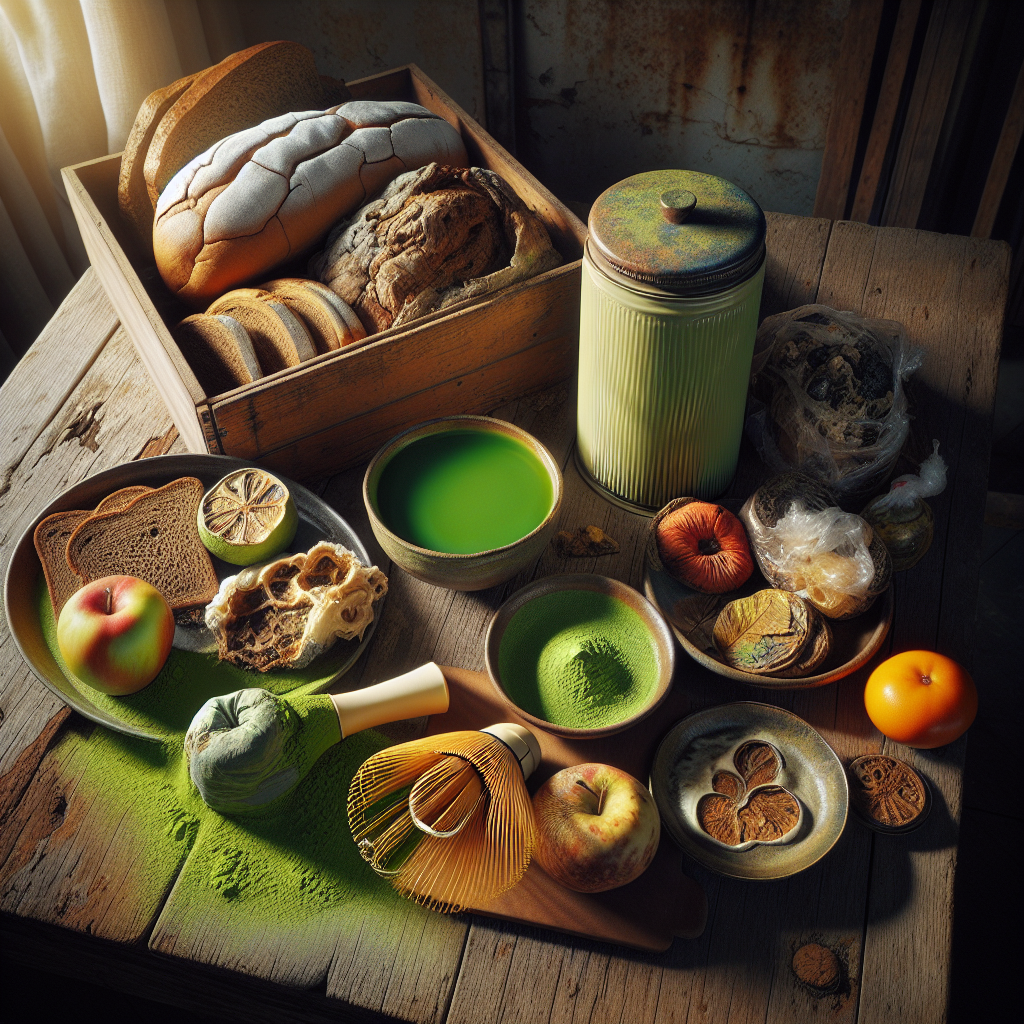
Matcha’s bright green hue and umami depth make it an emblem of mindfulness and ceremony. Best enjoyed whisked to a froth, the experience engages multiple senses: sight, smell, touch, and taste. This integrative experience exemplifies the purity sought throughout the tea culture of the world.
Indian Chai
Blended spices—ginger, cardamom, and cloves—give Indian chai its distinctive warmth. Honest reviews often highlight its comforting aroma and invigorating kick. Chai embodies inclusivity, offering comfort at roadside stalls and five-star hotels alike. Within the tea culture of the world, chai remains one of the most approachable gateways into tea appreciation.
British Black Tea
Earl Grey and English Breakfast stand as the UK’s most iconic teas. Reviewers frequently praise their robust flavor and adaptability to milk and sugar. This accessibility, combined with centuries of tradition, cements their role in the global tea culture of the world.
Moroccan Mint Tea
Combining bold green tea with cooling mint and sugar creates an uplifting sensory balance. Reviewers love its social symbolism—it invites guest and host alike into a moment of connection. Its light effervescence captures the refreshing side of the tea culture of the world.
Russian Caravan Tea
Smoky and rich, Russian Caravan traces back to Silk Road trade routes. Often blended from Chinese black teas, it honors history’s complex trade relationships. Honest impressions highlight its nostalgia and warmth, hallmarks of the story-driven tea culture of the world.
Tea Etiquette and Cultural Sensitivity
Understanding etiquette deepens appreciation for the tea culture of the world. Every region upholds customs reflecting values of respect, timing, and identity. Researchers and casual drinkers alike benefit from practicing cultural awareness when participating in foreign tea rituals.
Social Signals and Hospitality
In most Asian countries, declining or mishandling tea can appear discourteous. Meanwhile, in Western contexts, tea invitations often carry personal or professional significance. Being mindful of these nuances nurtures cross-cultural empathy—a core element of the global tea culture of the world.
The Balance Between Tradition and Adaptation in Tea Culture of the World
In contemporary settings, flexibility defines how tea culture evolves. Younger enthusiasts reinterpret rituals through modern cafés, pairing tradition with creativity. While purists may resist change, adaptability ensures continuity. Balancing preservation and innovation keeps the tea culture of the world dynamic and relevant for future generations.
Visual Storytelling in Tea Presentation
An image of tea being poured, leaves unfolding, or vibrant matcha froth conveys emotions beyond words. These visuals capture the spirit of the tea culture of the world.

Visual media strengthens global connectivity around tea by sparking curiosity and compassion, promoting deeper understanding across borders.
Emotional and Spiritual Aspects of Tea Drinking
Beyond taste, tea evokes reflection and serenity. Many cultures link tea with mindfulness, gratitude, and clarity. These inner dimensions expand how we perceive the tea culture of the world—not just as a social practice but as a contemplative one.
Tea and Mindfulness
In both Eastern and Western perspectives, mindful tea drinking fosters presence. The ritual of boiling water, measuring leaves, and waiting patiently becomes a form of meditation. Through such practices, the tea culture of the world transcends beverages—it becomes a philosophy of awareness.
Tea as a Connector of Generations
Family tea traditions, whether passing down a heirloom teapot or a signature brewing style, carry heritage forward. In this way, the tea culture of the world links the past with the future, reminding us that sharing tea is also sharing memory.
Authentic Ways to Experience Global Tea
For those hoping to deepen their understanding of the tea culture of the world, genuine exposure matters more than luxury branding. Here are authentic ways to engage across cultures:
- Attend a traditional tea ceremony or workshop in your region.
- Sample teas from local importers focusing on single-origin leaves.
- Keep a tea journal noting aromas, flavor evolution, and mood.
- Travel to plantations or cultural festivals dedicated to tea.
- Support fair-trade initiatives—ethical choices enhance sustainability within the tea culture of the world.
Recommended Resources and Travel Inspiration
Curious travelers might explore tea heartlands through focused itineraries. Visiting estates in Sri Lanka, tea museums in Taiwan, or British tea salons helps contextualize learning. For reliable global research on tea, see the Tea Drinkers Association and World Tea News. These external resources provide credible updates about the evolving tea culture of the world.
Conclusion: Embracing the Tea Culture of the World
Exploring the tea culture of the world reveals more than the flavors steeping in our cups. It uncovers stories, philosophies, and emotions woven across human history. From sacred ceremonies to street-side stalls, tea remains an emblem of patience and community. Honest reviews and reflections show that while brewing styles differ, the essence is universal: connection, calm, and care. Appreciating this global heritage encourages us to slow down, taste thoughtfully, and respect every culture’s interpretation of what it means to share tea.
Frequently Asked Questions
What defines the uniqueness of the tea culture of the world?
The tea culture of the world encompasses countless customs and rituals developed independently by nations over centuries. While methods vary—from Japanese whisking to British steeping—the essence is shared reverence for hospitality and comfort. Each region transforms tea into an expression of identity and artistry. Recognizing this variety enhances appreciation for the values of patience and mindfulness underlying global tea traditions.
How has modern lifestyle influenced the tea culture of the world?
In recent years, changing lifestyles have redefined how people experience tea. Compact brewing devices, digital workshops, and health-oriented blends integrate tea into daily life more seamlessly. The core values of the tea culture of the world—community and reflection—remain intact, but modern settings have encouraged innovation and sustainability, making tea accessible and exciting for new generations seeking both convenience and authenticity.
Which countries are central to studying the tea culture of the world?
China, Japan, India, the United Kingdom, and Morocco are often cited as pillars of the tea culture of the world. Each contributes unique techniques: China’s intricate craftsmanship, Japan’s meditative precision, India’s flavorful inclusivity, Britain’s refined etiquette, and Morocco’s hospitality through mint. Exploring these centers offers a comprehensive understanding of how tea rituals evolved alongside history and geography.
What role does sustainability play in preserving the tea culture of the world?
Sustainability ensures that the cultural and ecological pillars of tea endure. Ethical sourcing, fair wages, and organic farming protect both ecosystems and artisans. By supporting eco-conscious policies, consumers guarantee that the tea culture of the world will thrive responsibly. Sustainable practices also appeal to mindful drinkers who want every sip to honor humanity and nature equally.
How can one authentically experience the tea culture of the world at home?
Creating an authentic home experience involves more than buying exotic blends. Focus on technique—water temperature, timing, and presentation. Use traditional utensils when possible and learn the story behind each tea type. Incorporating small meditative pauses in your tea routine mirrors global rituals and deepens respect for the broader tea culture of the world right within your kitchen.
Why is ceremony so important in the global tea experience?
Ritual adds meaning and elegance to the act of drinking tea. Whether it’s the formal gestures in a Japanese tea room or the familial sharing of Moroccan mint tea, ceremony establishes connection and intention. Through ritual, the tea culture of the world transcends functionality—it becomes a therapeutic and social anchor fostering mindfulness, gratitude, and shared presence among participants.
How can travelers best engage with the tea culture of the world responsibly?
Responsible engagement means traveling with curiosity and respect. Visit local tea farms, join cultural workshops, and support small producers practicing sustainable cultivation. Purchase directly from cooperatives to ensure fair compensation for growers. Most importantly, observe without imposing—let local hosts guide your experience. This mindful approach ensures that every traveler contributes positively to preserving the authentic spirit of the tea culture of the world.


Leave a Reply