
When people talk about curious coffeehouse creations, few drinks spark such strong reactions as dirty chai. For some, it’s an invigorating fusion that bridges two morning rituals: the spicy warmth of chai and the deep, roasted punch of espresso. For others, dirty chai feels like a confused hybrid that loses the charm of both its parent beverages. Inside every cup lies a conversation—spices mingle with caffeine, sweetness wrestles with bitterness, and enthusiasts debate endlessly about balance and identity. Dirty chai has traveled far from its café novelty phase into a mainstream cultural staple, celebrated and criticized in equal measure.
The fascination with dirty chai lies not just in its flavor profile but also in the emotions it stirs. It is controversial because it dares to mix traditions—ancient tea craft meets modern coffee culture. This combination divides loyalties but also births loyalty of its own, forming communities of fans and skeptics alike. From city coffeehouses to remote mountaintop cafés, dirty chai has gained a following that tells the story of how globalized tastes evolve in unexpected, delicious ways.
The Origins of Dirty Chai and Its Polarizing Journey
Few realize that the drink’s story began accidentally. Legend says that a barista in England added a shot of espresso to a chai latte by mistake, and instead of discarding it, handed it to the customer. That moment created dirty chai—a name both cheeky and descriptive. “Dirty” because it adds the dark “dirtiness” of espresso to the clean spice of chai, and “chai” because the drink’s foundation remains rooted in spiced tea. This serendipitous blend spread rapidly, capturing imaginations across continents.
How the Dirty Chai Crossed Cultural Lines
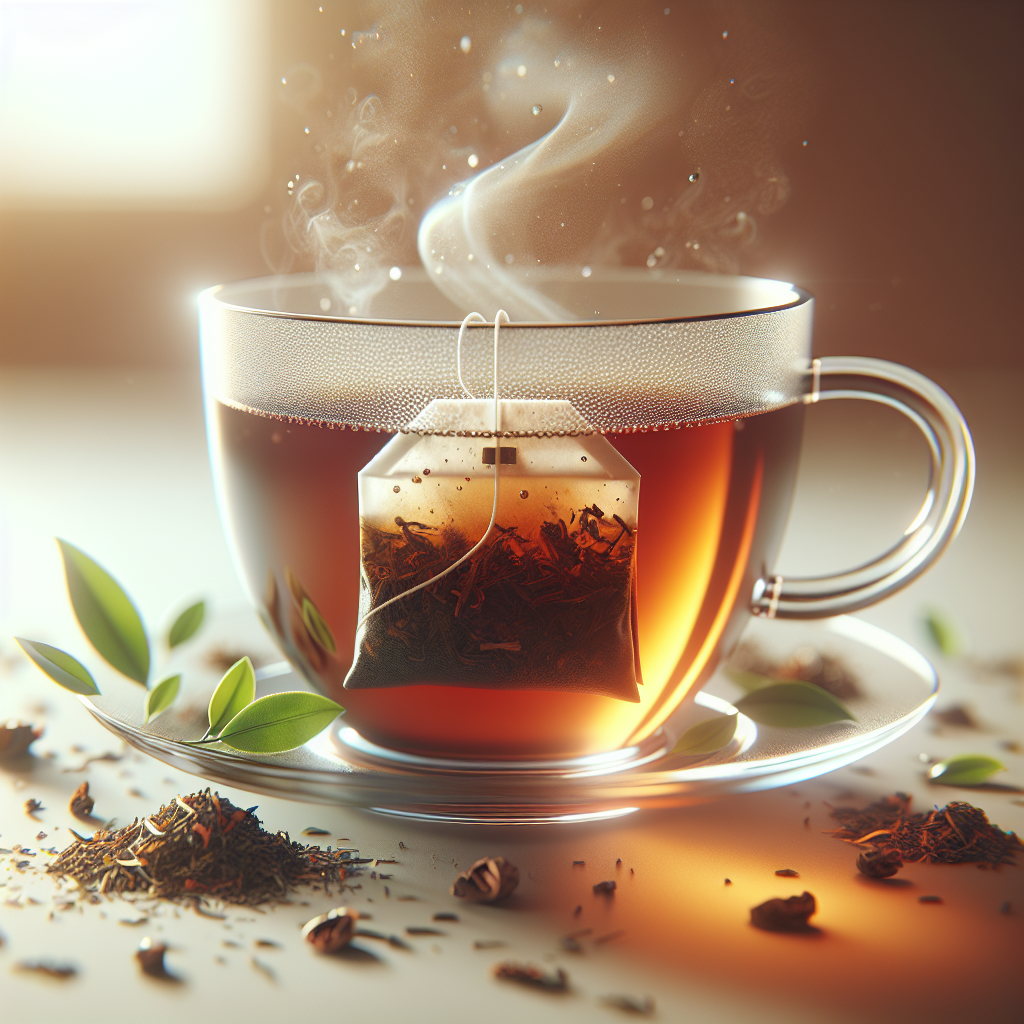
Chai lattes themselves are based on Indian masala chai—a centuries-old beverage prepared with black tea, cardamom, clove, ginger, cinnamon, and milk. Adding espresso was nearly sacrilegious to traditionalists, yet it symbolized a shift toward fusion foods. The dirty chai became the perfect metaphor for globalization: East meets West in a single cup. It delivered something comfortingly familiar yet thrillingly new, leading major coffee chains to adopt it as a seasonal or permanent offering. But with fame came scrutiny.
The Split Opinion: Love or Hate?
To some palates, dirty chai tastes like discovery—an energy lift surrounded by cozy spices. To others, it’s an overload, like two songs clashing in one set of headphones. Fans adore its versatility: hot or iced, sweetened or bold, made with oat or dairy milk. Critics resent that it dilutes authenticity, arguing that true chai should remain unmarred by coffee. Despite the divide, café menus swell with variations, proving that debate doesn’t hinder success. Dirty chai thrives precisely because it challenges preconceptions.
The Taste Profile: What Makes Dirty Chai Unique?
At first sip, the beverage teases the senses differently depending on where it’s brewed. Some baristas favor heavy espresso dominance; others highlight the spices. There’s a sensory sequence to dirty chai—starting with warmth and sweetness, finishing with that unmistakable bite of coffee bitterness. In between lies creaminess, perfume, and texture.
Ingredients That Shape the Character
The essence of dirty chai comes from five pillars: black tea, milk, spices, espresso, and sweetener. The brewing ratios alter everything:
- Black tea: often Assam or Darjeeling, bringing tannic backbone.
- Espresso: a single or double shot, deciding caffeine and intensity.
- Spices: cinnamon, cardamom, ginger, and cloves shape complexity.
- Milk: cow, almond, oat, or soy adjust mouthfeel and sweetness.
- Sweeteners: honey, raw sugar, or syrup provide balance.
Each variable pushes dirty chai toward a different personality. A barista experiment in Melbourne, for instance, used smoked cardamom and hazelnut milk to create an earthy tone. In Seattle, a rendition favored micro-foam and unsweetened spice syrup for sharper sophistication.
Temperature and Texture: The Hidden Influencers
Warm dirty chai comforts and satisfies those who love spice-forward beverages, while iced versions highlight espresso’s bitterness. The milk’s steaming technique affects thickness—micro-foamed milk feels airy and delicate, while flat steamed milk delivers density. These details might sound minute, but to habitual drinkers, they define loyalty to a particular shop or recipe.
The Dirty Chai Experience Across Cafés
Travelers often find that every café interprets dirty chai differently. In London, the drink leans creamy and sweet; in Delhi, the spice dominates; in Los Angeles, baristas may spike it with vanilla for trend appeal. This variability fuels debate but also showcases local preference and creativity. When comparing versions side by side, enthusiasts note that regional palates influence even global drinks. A photo from a café review might depict this variation— —reminding observers that no single recipe owns the label.
Why People Love Dirty Chai
Supporters of dirty chai describe its charm as emotional as much as gustatory. The mixture feels indulgent but not decadent. It provides caffeine strength without the harshness of straight coffee. Moreover, the familiar spice bouquet triggers nostalgia for comforting warmth during colder months. For those avoiding over-sweetened drinks, dirty chai strikes balance—a warm, aromatic jolt that reinvents routine.
An Energizing Bridge Between Coffee and Tea
Many fans admit that they never fully embraced coffee before discovering dirty chai. The beverage becomes a gateway—introducing espresso bitterness masked softly by chai spices. It’s also a flexible work or study companion, less acidic than espresso yet more invigorating than tea alone. The hybrid nature supports both slow sippers and caffeine chasers, fitting multiple moods in one mug.
Health and Comfort Factors
Because it contains spices like ginger and cardamom, some appreciate dirty chai for potential anti-inflammatory properties. Mix this with moderate caffeine and warm dairy or plant milk, and it offers a psychological comfort often associated with rituals. Still, health experts caution about added sugars or syrup-based pre-mixes. A mindful preparation—using unsweetened chai concentrate and natural spices—brings out benefits without the calorie overload. The key is moderation: two shots of espresso can elevate energy but cross into restlessness when consumed too late in the day.
Why Others Dislike Dirty Chai
The opposing camp lists authenticity and balance as their main objections. Traditional chai drinkers find espresso intrusion disrespectful to cultural recipes passed down generations. The mix, they argue, mutes spice subtleties beneath roasted bitterness. Coffee lovers meanwhile claim it’s neither bold nor clean enough—too milky, too perfumed. Such purist critics make strong points reminding enthusiasts that fusion doesn’t always equal improvement.
Textural and Temperature Concerns
Critics often mention clashing sensations: the heaviness of milk with lingering spice grit or burnt espresso residue. If the chai base isn’t brewed robustly, wateriness sets in. If the espresso is over-extracted, bitterness overwhelms. Baristas must walk a fine line, crafting dirty chai with precision so ingredients enhance rather than fight each other. The drink’s polarizing character stems directly from that fragile balance.
When Dirty Chai Misses the Mark
Real-world café reviews show how easily this drink disappoints. A New York blogger described one version tasting like “unwashed spice with coffee perfume,” while another reported an underwhelming lukewarm concoction at a chain store. Such inconsistencies underline why dirty chai earns mixed reviews: it’s delicate art disguised as a quick beverage. Only when components are prepared mindfully can it shine as intended.
Mastering the Dirty Chai at Home
Creating your own dirty chai gives control and deeper understanding of its layered flavor. You’ll grasp immediately why balance determines love or hate.
Essential Tools
- Espresso machine or Moka pot
- Teapot or saucepan for chai base
- Milk frother or steamer
- Fine strainer for spices
Steps for the Perfect Brew
- Brew a strong spiced tea using black tea leaves and ground or whole spices.
- Prepare a single espresso shot.
- Steam or froth milk of your choice to a silky texture.
- Combine tea and espresso in equal ratios.
- Pour in milk, adjusting sweetness to taste.
Experiment by adjusting proportions. Want more kick? Double the espresso. Prefer lighter notes? Add extra chai base. This freedom means every home barista can discover their personal dirty chai definition. You can explore more authentic tea preparation guides via teastory.blog/tea-preparation-techniques where baristas share domestic brewing wisdom informed by tradition and science.
Comparing Dirty Chai with Similar Drinks
Dirty chai sometimes confuses customers who say, “Isn’t that just a chai latte?” The answer: not quite. While both share chai as a base, the added espresso transforms complexity, caffeine content, and aroma.
Chai Latte vs. Dirty Chai
- Caffeine: Dirty chai is stronger due to espresso addition.
- Flavor: Chai latte leans fully on spices; dirty chai adds bitterness and roast.
- Color: Dirty chai appears deeper brown.
- Occasion: The latter suits workdays; the former suits relaxation.
This distinction explains why customers order differently depending on mood. Coffee-lovers switching to tea sometimes use dirty chai as a compromise beverage during caffeine rebalancing stages.
Other Fusion Relatives
The beverage world features many crossovers: matcha lattes with espresso (known as “dirty matcha”), teas mixed with tonic, or cascara-based drinks that reuse coffee cherry skins. Dirty chai arguably paved the way for these hybrids by proving that boundary-breaking drinks can succeed when executed thoughtfully. You can discover the historical arc of such innovations at teastory.blog/tea-history, an article exploring the evolution of tea adaptations worldwide.
Global Popularity and Market Appeal
Dirty chai’s popularity parallels the third-wave coffee movement. As people began valuing artisanal preparation, cafés experimented more boldly. Today, customers see it as an artisanal statement—comfort paired with craft. Specialty shops customize their dirty chai recipes to showcase single-origin espresso or heirloom spice blends. Even mainstream chains offer this beverage to cater to younger audiences seeking both novelty and caffeine reliability.
Influence of Social Media
Instagram and TikTok turned dirty chai into an aesthetic commodity. The swirling of espresso and milk, the speckles of froth carrying spice dust, and the hashtag #dirtychai generate millions of posts. Visual storytelling amplified the drink’s fame, encouraging experimentation. This online virality helped normalize ordering a hybrid beverage in cultures that once separated tea and coffee consumption strictly.
How to Judge a Great Dirty Chai
Knowing what defines excellence helps consumers avoid disappointment. These markers matter:
- Aroma balance: Spice should rise first, roasted coffee notes second.
- Temperature: Warm enough to preserve foam but not scorch milk.
- Texture: Smooth, harmonized milk body without grit or heaviness.
- Aftertaste: Gentle, lingering mix of clove and cocoa, not bitterness.
Visiting coffee competitions or tea festivals such as those hosted by organizations like World Tea News showcases how professionals assess flavor harmony. Even critics find common ground there: when made right, dirty chai can be elegant, refined, and balanced.
A Balanced Perspective: Beyond the Debate
It’s easy to pick sides, but analyzing dirty chai as a phenomenon reveals more than taste preference—it reflects how global consumers merge traditions. Fusion often provokes discomfort at first; over time, it defines new normal. What was once an accident becomes a legitimate style. Whether you view dirty chai as art or anomaly, it undeniably broadens appreciation for experimentation within beverage culture. Perhaps that’s its most lasting contribution.
Impact on Sustainable Practices
Interestingly, the growth of dirty chai coincides with discussions of ethical sourcing. Specialty cafés now emphasize fair-trade teas and responsibly grown coffee beans. Some shops even feature local partnerships showcasing organic spices. By focusing on transparent origins, dirty chai production aligns with global consumer values around sustainability—transforming what might have been a guilty pleasure into an ethical indulgence.
Frequently Asked Questions
Why is dirty chai called “dirty”?
The drink earns its name from the addition of espresso, which darkens the otherwise pale chai latte. The “dirty” label humorously refers to this deeper color and the way coffee “contaminates” the tea. Early baristas coined it casually, and the nickname stuck. Over time, customers began using dirty chai specifically to mean a chai latte spiked with one or more espresso shots—a tasty twist born out of improvisation.
Does dirty chai have more caffeine than coffee?
Typically yes. A standard dirty chai combines caffeine from black tea with one espresso shot, producing a total higher than plain tea and sometimes comparable to a strong cup of brewed coffee. If two shots are added, caffeine content can rival a large latte. For those sensitive to caffeine, ordering a single-shot or decaf version provides control while enjoying the same aromatic experience.
How does dirty chai taste compared to a regular chai latte?
Dirty chai brings roasted, bitter undertones layered over chai’s sweetness and spice. A regular chai latte feels more milky and mild, while dirty chai carries a sharper backbone. The first sip offers creamy spice, followed by espresso bite. People either adore this complexity or find it chaotic—reflecting the drink’s love-it-or-hate-it reputation.
Can I make dirty chai without an espresso machine?
Absolutely. You can use any strong coffee source—Moka pot, Aeropress, or concentrated brew. The aim is intensity, not equipment. Combine your homemade chai base with that concentrated coffee and frothed milk. While café-grade pressure extraction improves flavor clarity, most home methods produce satisfying results. Adjust spice and sweetness until harmony is reached.
Is dirty chai healthy?
It can be, depending on preparation. Unsweetened chai, low-fat or plant-based milk, and minimal syrup form a balanced beverage rich in antioxidants from tea and beneficial compounds from spices. However, store-bought versions often include sugary concentrates. Opting for self-brewed or café-customized dirty chai keeps nutritional values in check while retaining flavor depth. Moderation matters, especially concerning caffeine and sugar load.
What’s the best milk for dirty chai?
Milk choice determines texture and taste. Whole milk results in creamy richness that cradles the spices, while oat milk lends subtle sweetness and vegan appeal. Almond milk provides nutty undertones but can separate with high heat. Baristas often test blends until flavors align. The best milk for dirty chai is whichever harmonizes spice, espresso, and personal dietary comfort.
Where did dirty chai originate?
Most sources trace it back to the 1990s in England when a barista accidentally mixed espresso into chai latte. Rather than waste it, the customer enjoyed it, inspiring replication. From there, the creation traveled globally through café culture. While not rooted in traditional Indian recipes, dirty chai pays homage to chai’s lineage by keeping its spiced core intact while adding Western espresso flair.
Can dirty chai be served cold?
Yes. Iced dirty chai refreshes with contrast between chill and spice. The espresso shot is usually cooled before mixing to avoid curdling milk. Poured over ice, it maintains complexity but feels brisk. Some coffeehouses pre-brew concentrated chai tea for cold versions. This style has soared in popularity during summer months, appealing to those wanting vibrancy without warmth.

Leave a Reply