
For drink enthusiasts who straddle the line between the bold strength of coffee and the calming ritual of tea, there’s a hybrid experience worth tasting: coffee tea. This unique beverage trend draws from both worlds—the comforting aroma of roasted beans and the delicate herbal depth of tea leaves. In this guide, we’ll explore what coffee tea really is, how it’s made, honest reviews from daily drinkers, and insights into its growing popularity worldwide. Whether you’re looking to reduce caffeine or find a balanced brew, you’ll discover how coffee tea fits perfectly into both wellness and indulgence.
The popularity of coffee tea demonstrates a broader trend toward mindful consumption. People want beverages that not only taste good but also support focus, energy, and relaxation at once. By learning about the origins, methods of preparation, and variations across cultures, you’ll understand why this drink bridges two global traditions more seamlessly than you might expect. With every cup, coffee tea delivers a moment of quiet balance—neither one extreme nor the other, but something comfortably in between.
Understanding Coffee Tea: Origins and Composition
To understand coffee tea, imagine combining the earthiness of coffee beans with the soothing nature of tea leaves. Traditionally, this beverage emerges either from mixing roasted coffee grounds with tea leaves or steeping the dried leaves of the coffee plant itself, known as coffee leaf tea. These two interpretations produce subtly different flavors, caffeine levels, and health properties.
The Two Main Types of Coffee Tea
There are two primary ways coffee tea appears on the market:
- Coffee-leaf tea: Brewed from the naturally dried leaves of the coffee plant. It’s mild and slightly sweet, with less acidity than roasted coffee.
- Hybrid blends: Created by infusing coffee grounds or beans with tea varieties like black, oolong, or green teas, offering a more complex layered experience.
Both versions share a similar philosophy: capturing the richness of one beverage but the gentleness of the other. Many drinkers describe coffee tea as smoother than coffee but bolder than tea.
Where Coffee Tea Originated
The idea of combining coffee and tea dates back centuries. Historical records point to African and Asian farmers who brewed coffee leaves long before the beans themselves were roasted for export. In Ethiopia and Indonesia, locals sipped coffee leaf infusions as low-caffeine alternatives to traditional roasts. Meanwhile, in modern wellness culture, brands have reimagined this tradition through carefully blended coffee tea beverages that highlight the sustainability of using the entire coffee plant.
Flavor, Aroma, and Brewing Process
Flavor is everything when it comes to coffee tea. Unlike pure coffee’s deep bitterness or black tea’s tannic finish, this hybrid beverage offers a harmonious taste that adapts across brewing styles. Learning how to brew the perfect cup can make a decisive difference in your enjoyment.
Brewing Methods for Coffee Tea
There’s no single best method—the preparation depends on whether your coffee tea comes from leaves or from coffee-tea blends.
- For coffee-leaf tea: Use hot water just below boiling (around 90°C). Steep for 4–6 minutes to draw out a sweet, smooth flavor with hints of herbs and wood.
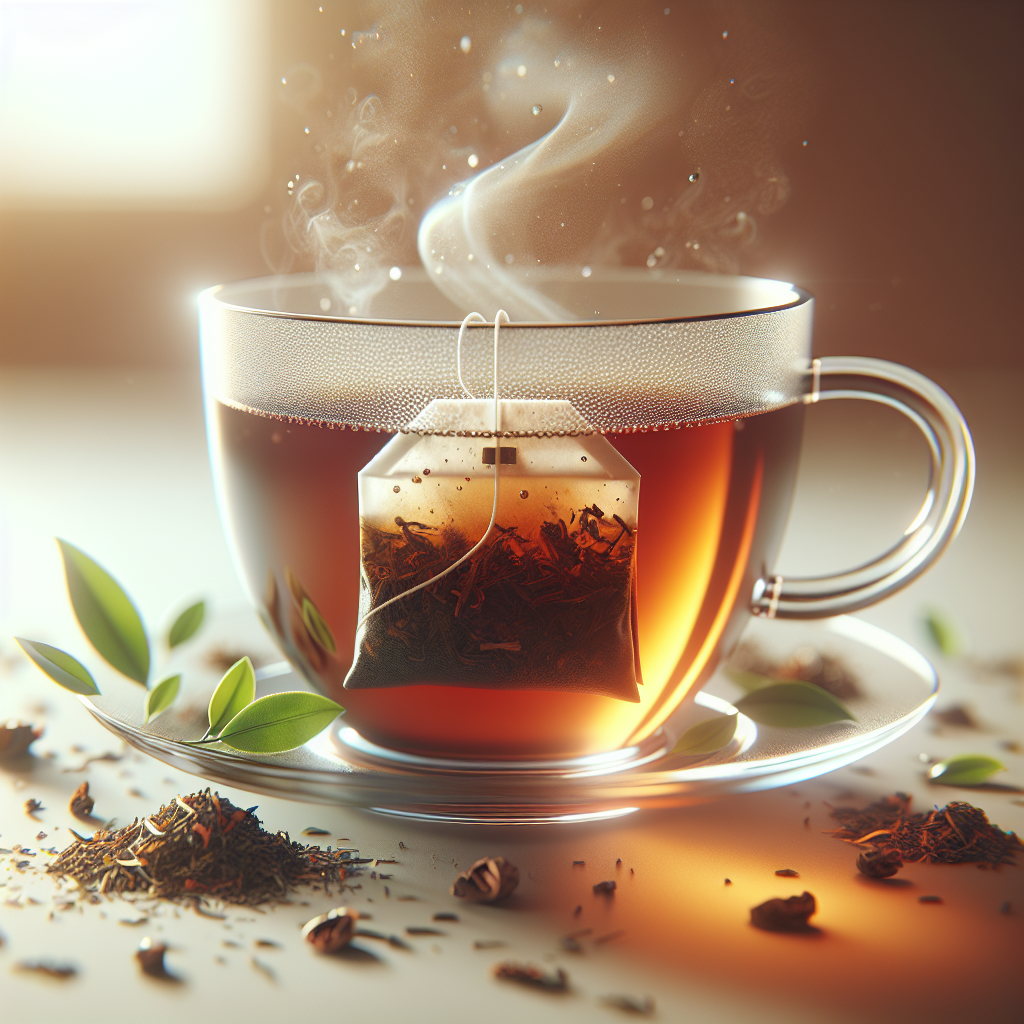
- For blended coffee-tea infusions: Treat it like a loose-leaf tea. Combine a teaspoon of the mixture per cup, steep for 3–5 minutes, and adjust sweetness or milk according to preference.
Some enthusiasts brew coffee tea in French presses to maximize flavor balance, while others prefer cold brewing overnight for a refreshing, lightly caffeinated alternative. The adaptability of coffee tea makes it suitable for nearly any palate.
Balancing Aroma and Body
What sets coffee tea apart is its aroma balance—the roasted nut fragrance complements the herbal or floral scent of tea leaves. Depending on the ratio and tea type, the finished brew can lean toward chocolate, caramel, or even jasmine tones. Tasting panels often remark that coffee tea has a rounded mouthfeel and low bitterness compared to traditional espresso, making it appealing to those sensitive to acidity.
Enhancing the Coffee Tea Experience
For a richer experience, pair this beverage with light snacks such as biscotti, honey biscuits, or fruit slices. Many fans also experiment with add-ins like oat milk or cardamom. The relatively neutral flavor of coffee tea allows for personalization without overwhelming its base notes. Creative users even craft lattes or sparkling cold brews from it, showing how flexible the drink can be for both home baristas and culinary professionals.
Health Benefits and Nutritional Insights
Health-conscious drinkers appreciate that coffee tea typically has lower caffeine than coffee but more antioxidants than standard tea. The composition depends on how it’s processed, yet studies suggest the drink supports moderate alertness and reduces the caffeine crash associated with strong coffee.
Antioxidants and Nutrients
Coffee leaf tea is naturally rich in antioxidants such as chlorogenic acid and mangiferin—compounds linked to anti-inflammatory properties and metabolism support. These natural elements help regulate blood sugar levels and protect cells from oxidative stress.
When brewed as a coffee-tea mix, it retains polyphenols from the tea and caffeine compounds from coffee, creating a synergistic effect. This combination may improve focus while minimizing jitters, making coffee tea an ideal mid-afternoon beverage.
Sustainability and Ethical Production
Another notable benefit of coffee tea is sustainability. Using the leaves of the coffee plant offers farmers an additional income stream beyond the harvest of berries, reducing agricultural waste. International ethical brands have begun to support this model, ensuring fair pay and community reinvestment in coffee-growing regions.
To learn more about sustainable tea initiatives, visit Tea Association of the USA or explore TeaTime Magazine for in-depth global tea insights.
Honest Reviews: What Drinkers Are Saying About Coffee Tea
Authentic feedback from tea and coffee lovers tells a lot about how well coffee tea fits into everyday routines. Reviews often highlight its versatility, mild energy effect, and ability to replace sugary coffee drinks. Let’s look at what consumers and experts are genuinely saying.
Flavor Reviews from Everyday Drinkers
Most reviewers describe coffee tea as pleasantly aromatic with mellow bitterness and smooth texture. Coffee drinkers who wanted to reduce caffeine without sacrificing depth found this drink surprisingly satisfying. Tea drinkers who usually avoid coffee enjoyed discovering that coffee tea gave them a more grounded sensation, without heaviness or acid reflux. Taste tests from specialty cafés reported high satisfaction among first-time customers who appreciated its layered profile.
Professional Tastings and Comparison Panels
Expert panels from beverage expos in Singapore and London compared multiple brands of coffee tea, ranking them for flavor clarity, aroma retention, and aftertaste length. The top-rated blends came from organically grown coffee leaves mixed with Darjeeling or Ceylon tea. Cup notes included “gentle roast,” “dried fruit,” and “clean finish.” Interestingly, participants mentioned that coffee tea works especially well as a breakfast drink because it bridges the gap between strong espresso and lighter black teas.
User Feedback and Lifestyle Adjustments
Many switching from high-caffeine jobs to balanced lifestyles found that including coffee tea reduced their dependency on constant coffee refills. Athletes reported improved hydration and fewer stomach issues when replacing pre-workout coffee with a moderate cup of coffee tea. Desk professionals noted a smooth energy rise that lasted longer through the day, helping concentration without the post-caffeine crash.
Brewing Equipment and Preparation Tips
Getting the right equipment enhances your overall experience. Fortunately, preparing coffee tea doesn’t demand complex tools.
Essentials for Brewing Coffee Tea
- Kettle or temperature-controlled water boiler: For precise heating between 85°C and 95°C.
- French press or infuser pot: Helps separate grounds or leaves efficiently.
- Fine strainer: Ideal for homemade infused blends using both coffee and tea components.
- Storage tins: Keep your coffee tea in airtight, cool containers away from moisture.
Maintaining ingredients in good condition matters because oxidation can alter flavor. For that reason, small-batch brewing ensures freshness and consistency.
Serving Styles Around the World
In Western countries, coffee tea often appears as iced beverages in wellness cafés. In African cultures such as Ethiopia, coffee leaf tea has long been a morning or midday refreshment served with snacks. Some Japanese baristas infuse coffee powders with hojicha, producing a nutty, fragrant drink. This global adaptability has helped coffee tea find followers everywhere from Paris to Seoul.
Pairing Coffee Tea with Food
Coffee tea shines when paired with lightly flavored dishes. Try breakfast pastries, oatmeal, or light seafood. Its mild acidity complements desserts such as tiramisu or rice pudding too. Food experts note the drink’s versatility helps balance sweet and savory meals alike, making it an excellent choice for menus that blend Asian and Western influences.
Scientific and Cultural Insights
The cultural significance of coffee tea goes beyond flavor. It reflects the modern search for balance and sustainability—two values gaining importance globally.
Scientific Backing and Studies
Preliminary studies from agricultural institutes suggest coffee leaf infusions contain lower chlorogenic acid than roasted coffee, making them easier on digestion. Nutritional data also show antioxidant strength equivalent to green tea, reinforcing potential benefits for cognitive health. Polyphenol synergy from coffee and tea elements helps support metabolism regulation, though research on long-term effects continues.
Cultural Symbolism of Coffee Tea
In societies where coffee dominates social rituals, introducing tea-driven variations demonstrates curiosity and openness. The beverage invites discussions about slowing down while staying energized—an idea aligned with contemporary mindfulness trends. For example, in many wellness retreats, coffee tea is served during morning meditations as a symbol of balanced living.
Learning More About Tea Culture
If you’re interested in the broader world of tea traditions, explore teastory.blog’s feature on Tea Ceremonies for insights into rituals that celebrate mindfulness. You can also expand your knowledge about plant cultivation through Tea Cultivation at teastory.blog, which provides excellent context for understanding how ingredients in coffee tea evolve from soil to cup.
Choosing the Right Coffee Tea Brand
Since quality varies widely, choosing a good brand matters. Some prioritize fair trade sourcing, while others focus on innovative blends. When evaluating brands, consider these criteria:
- Transparency: Does the company clearly state whether it uses coffee leaves or blended beans and tea?
- Certifications: Organic or Rainforest Alliance certifications assure responsible practices.
- Taste profile: Seek sample packs that let you explore flavors before committing to a large purchase.
- Packaging sustainability: Recyclable or compostable packaging shows environmental awareness.
Smaller boutique producers may provide higher quality because they roast and blend on demand, whereas mass-market brands often rely on stock flavors. Checking reviews and sampling can help you find the coffee tea that resonates with your taste.
Conclusion: Finding Balance in Every Cup
Ultimately, coffee tea captures the best of two beverage worlds. It’s a drink that respects tradition while embracing innovation—ideal for anyone seeking mindful energy and refined flavor. By experimenting with brewing times and styles, you’ll find a blend that perfectly meets your lifestyle. Whether you value lower caffeine, sustainability, or simply variety, coffee tea offers a satisfying journey worth exploring cup after cup.

Frequently Asked Questions
What exactly is coffee tea and how is it different from regular coffee or tea?
Coffee tea generally refers to either an infusion made from the leaves of the coffee plant or a blended beverage combining coffee and tea. Unlike regular coffee, it has gentler acidity and lower caffeine. Compared to standard tea, coffee tea brings deeper roasted undertones and a fuller body. Its uniqueness lies in harmonizing energizing richness with smooth drinkability, offering an alternative for those reducing coffee intake without moving completely to tea. The experience appeals both to coffee fans seeking balance and tea lovers looking for more robust flavor options.
How much caffeine does coffee tea contain on average?
The caffeine content of coffee tea depends on preparation. Coffee leaf tea typically has 20–30 mg per cup, while blended versions may reach 50–70 mg. That makes it significantly lower than brewed coffee (90–120 mg) but somewhat higher than many green teas. Most drinkers find its caffeine level moderate enough to enjoy multiple cups without the anxiety or jitteriness linked to heavy coffee consumption. It provides gentle, sustained energy without the dramatic spike and crash commonly associated with espresso shots or overly strong black teas.
What are the main health benefits of drinking coffee tea?
Coffee tea offers antioxidant support through chlorogenic acids and polyphenols, which can help manage inflammation and metabolic function. It’s also gentler on the stomach, supporting smooth digestion compared to strong coffee. Some research indicates it may promote mental clarity and reduce fatigue levels. Regular consumption of coffee tea fits well within balanced wellness routines due to its lower acidity and gradual caffeine release. As a result, many enjoy it as a rejuvenating alternative beverage that contributes positively to daily hydration habits and mindful consumption choices.
Can I prepare coffee tea at home using my existing equipment?
Absolutely. You can make coffee tea right at home using standard kitchen tools. For leaf versions, steep dried coffee leaves in hot water for about five minutes. If using a coffee-tea blend, combine a teaspoon of the mixture in a teapot or infuser and pour heated water just below boiling. Let it rest for a few minutes according to taste preference. Equipment like French presses, tea strainers, or even single-serve infusers all work beautifully. Employers of homemade beverage rituals find coffee tea convenient and affordable to craft daily.
What does coffee tea taste like and how can I enhance it?
Most describe the taste of coffee tea as slightly roasted, smooth, and subtly herbal. Those preferring stronger notes can steep longer or add a touch of raw sugar, milk, or oat cream. Fruit-based syrups add playful accents. The beverage delivers a rounded mouthfeel and clean aftertaste comparable to soft-roast coffee mixed with earthy black tea. Experimenting with temperatures and blend ratios lets you fine-tune intensity. For iced versions, cold-brew coffee tea overnight in the fridge—ideal for summer mornings or afternoon refreshment breaks without excess acidity.
Is coffee tea environmentally friendly?
Yes. When sourced from coffee leaves, the product supports eco-friendly farming by utilizing plant materials that would otherwise go unused. This additional revenue helps small-scale farmers maintain sustainable production throughout the year, not only during bean harvest seasons. Many coffee tea companies also prioritize minimal packaging and fair-trade certifications. Choosing such brands supports environmental stewardship and reduces waste footprints across coffee-growing communities. Therefore, switching to coffee tea isn’t just a health or flavor choice—it’s also a conscious environmental decision aligned with modern sustainability ethics.
Where can I buy high-quality coffee tea online?
High-quality coffee tea can be found through specialty retailers, fair-trade marketplaces, and artisanal beverage brands that highlight transparency in sourcing. Look for companies that disclose plant origins and drying methods. Reputable sellers often offer sampler packs, allowing you to compare flavor profiles easily. Many wellness and fair-trade online stores now include coffee tea under their low-caffeine selections. Checking verified customer reviews provides insight into freshness and authenticity. Additionally, following blogs and tea communities helps discover emerging brands recognized for exceptional quality and ethical supply chains.
Can coffee tea blend well with other herbs or teas?
Absolutely. Many enthusiasts mix coffee tea with complementary herbs like cinnamon, lemongrass, or peppermint. Combining it with oolong or green tea brings out delicate sweetness, while rooibos softens its roasted edges. Experimenting with these combinations creates exciting layered profiles appealing to both tea connoisseurs and coffee drinkers. Start small—use equal parts until you learn which balance aligns with your taste preference. Blending traditions extend creativity beyond standard beverages, making coffee tea a versatile foundation for your own signature infusions.

Leave a Reply