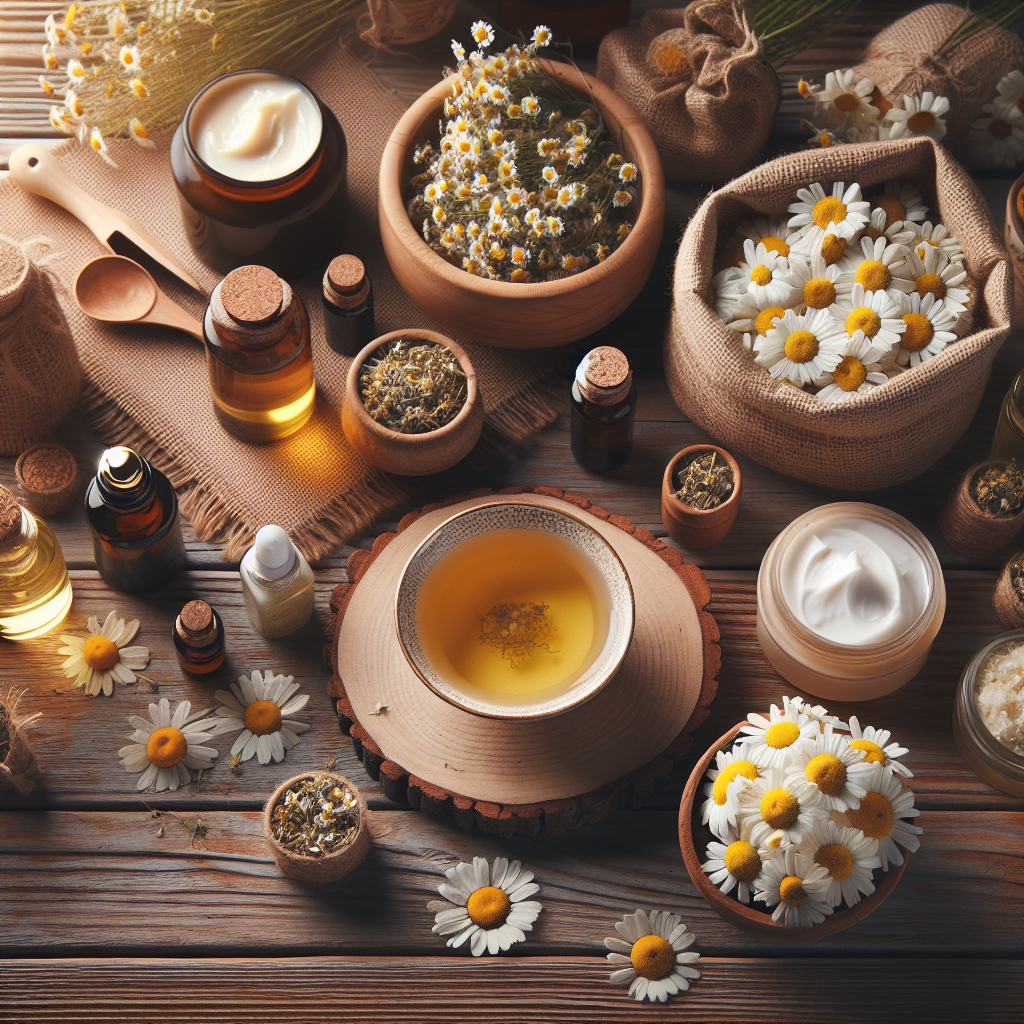
Chamomile has been cherished for centuries as both a calming herb and a versatile natural remedy. Often enjoyed as a soothing tea or used in essential oils and skincare, its popularity continues to grow as more people explore holistic wellness. In this comprehensive guide, we’ll take an honest look at chamomile — its history, health benefits, side effects, uses, and real-world applications — helping you discover whether it deserves a place in your daily routine. Whether you’re seeking better sleep, stress relief, or natural skincare, chamomile might just be your gentle ally.
Before diving into specifics, it’s important to understand that chamomile isn’t a one-size-fits-all solution. While it’s widely praised for its calming qualities, individual responses vary. Some people notice remarkable relaxation after drinking chamomile tea, while others find modest effects. This article examines its use from different perspectives — herbal medicine traditions, modern science, and everyday experience — to give you an honest, balanced view. Let’s explore what makes chamomile both timeless and relevant in today’s wellness world.
The Origins and History of Chamomile
Chamomile has deep roots in ancient civilizations. The Egyptians revered it as a sacred herb for honoring their sun gods. Romans used it in incense and healing ointments, while medieval monks grew it in monastery gardens for treating ailments. The word itself comes from the Greek “chamaimēlon,” meaning “earth apple,” referencing the gentle apple-like aroma of the flowers. For centuries, chamomile has represented calm, purity, and modest power in herbal traditions.
Different Species of Chamomile
There are mainly two recognized species: German chamomile (Matricaria chamomilla) and Roman chamomile (Chamaemelum nobile). Although they share similar therapeutic profiles, they have distinct botanical characteristics and preferred growing conditions. German chamomile is annual, thrives in cooler climates, and is commonly used in teas. Roman chamomile is perennial with a stronger, earthier scent, often favored for aromatherapy and topical formulas. When purchasing chamomile, checking the botanical label helps ensure you choose the right type for your intended use.
Traditional Uses Across Cultures
Throughout Europe, Asia, and the Middle East, chamomile has featured prominently in folk medicine. It was traditionally used to relieve digestive discomfort, calm nerves, and support wound healing. In Turkish baths, chamomile infusions were part of self-care rituals. In India, it found a place among Ayurvedic herbs for promoting restful sleep and balanced emotions. These age-old practices highlight how chamomile transcends cultures as a symbol of comfort and healing.
Health Benefits of Chamomile
The wellness appeal of chamomile today largely revolves around its calming and anti-inflammatory properties. While anecdotal testimonies abound, modern scientific studies also support several of the traditional claims. Below are the key potential benefits based on both evidence and practical experience.
Stress Reduction and Better Sleep
Chamomile tea is one of the world’s most tried-and-true bedtime beverages. It contains apigenin, a flavonoid that binds to certain brain receptors, potentially reducing anxiety and promoting sleep. Many studies report that drinking chamomile tea before bed can help reduce mild insomnia and enhance sleep quality. However, effects vary — consistent use seems to yield the best results. Some individuals combine chamomile with routines like soft music and breath exercises to create a personalized sleep ritual.
Digestive and Anti-inflammatory Support
In traditional European medicine, chamomile was prescribed for stomach upset, bloating, and mild nausea. Recent insights suggest that its anti-inflammatory compounds may soothe intestinal muscles and support the gut lining. Drinking warm chamomile tea or using diluted chamomile extract may help with mild digestive discomfort caused by stress or a heavy meal. As with any herb, moderation is key, especially for those sensitive to plant-based compounds.
Skin and Topical Applications
Chamomile is a staple ingredient in creams, serums, and herbal compresses. Its gentle anti-inflammatory and antibacterial attributes make it useful for calming sensitive skin or mild irritation. People with eczema, rosacea, or acne often seek chamomile-based products due to their minimal risk and soothing nature. However, genuine chamomile extract should be used instead of synthetic fragrances labeled merely “chamomile-scented.” Patch tests are advisable to prevent possible allergic reactions.
How to Use Chamomile Effectively
Chamomile can be incorporated into your lifestyle in numerous forms — as a beverage, oil, capsule, or even culinary ingredient. Understanding the best ways to use it ensures safe and effective results.
Preparing Chamomile Tea
To brew the perfect cup, steep 2 teaspoons of dried chamomile flowers (or one tea bag) in hot water for 5–10 minutes. Covering the cup during brewing helps preserve aromatic oils. Longer steeping increases both intensity and potential bitterness. Many blend chamomile with mint, lavender, or lemon balm for balanced flavor and enhanced relaxation. Drink 30–60 minutes before sleeping for optimal results. You can also check reputable resources like Tea Association of the USA for professional brewing recommendations.
Chamomile Essential Oil and Aromatherapy
Chamomile oil is cherished in aromatherapy for promoting emotional calmness. Diffusing a few drops in a room or blending it with carrier oils for massage can have a grounding effect. Roman chamomile oil, in particular, is prized for its sweet aroma that alleviates stress and irritability. Always ensure essential oils are pure and high-quality, ideally from transparent, tested sources. If applied topically, chamomile oil should be diluted properly to reduce the risk of irritation or contact dermatitis.
Chamomile in Cooking and Beverages
Chamomile isn’t limited to tea — it appears in desserts, syrups, and cocktails. Its soft floral flavor complements honey, citrus, and vanilla. For example, chamomile-infused syrup adds a botanical twist to iced drinks or cakes. Slowly simmer dried chamomile with sugar and water, then strain. Culinary experimentation shows how chamomile blends comfort with creativity, offering deeper appreciation for this humble flower.
Product Reviews: Honest Insights Into Chamomile
To provide an honest overview, we evaluated several popular chamomile-based products spanning teas, skincare, and essential oils. These reviews highlight both strengths and drawbacks to support informed choices.
Chamomile Herbal Tea Brands Reviewed
Among leading options, organic loose-leaf chamomile from small farms offers the freshest flavor and strongest aroma. Bagged teas from large brands are convenient but often milder. Some products mix chamomile with lemon or hibiscus, which can enhance taste yet lessen the pure herbal effect. Based on user feedback, brands that clearly specify sourcing and use minimal packaging tend to provide higher satisfaction. Choose non-bleached tea bags and steer away from artificial additives.
Skincare Products Containing Chamomile
Modern skincare companies use chamomile extract to soothe irritation. Honest user reviews emphasize that creams with genuine chamomile essential oil (rather than synthetic fragrance) perform better for sensitive skin. Look for formulations with visible plant extract percentages. While chamomile is gentle, high concentrations of alcohol or other harsh ingredients may counter its calming effect. Consistency, not quick results, yields the best skin improvement over time.
Essential Oils and Blends
Chamomile essential oils can vary significantly in purity. Authentic Roman chamomile oil has a rich, fruity scent that stands out. Lower-quality products sometimes contain diluted mixtures or added fillers. Investing in lab-tested oils ensures safety, particularly when using for infants or in aromatherapy diffusers. Remember, a few authentic drops accomplish more than excessive use of inexpensive blends.
Best Practices When Buying Chamomile Products
Buying chamomile smartly means reading ingredient lists carefully. Verify botanical names to distinguish real chamomile from substitutes. Look for certifications indicating organic or pesticide-free cultivation. Avoid exaggerated “miracle cure” claims — chamomile is supportive, not medicinally curative. Combine customer reviews with verified sources like Healthline to cross-check information. Small, transparent tea brands and ethical cosmetic producers generally score higher for quality and authenticity.
Scientific Evidence and Safety Profile
Modern research continues exploring the compounds responsible for chamomile’s effects. Apigenin, bisabolol, and matricin contribute to anti-inflammatory and antioxidant actions. Some studies link chamomile tea to mild anxiolytic benefits, although large-scale research remains ongoing. Importantly, chamomile is generally safe for most adults but can trigger allergies, especially in those sensitive to plants in the Asteraceae family (such as ragweed). Pregnant individuals should consult healthcare professionals before use since concentrated extracts may not be suitable during certain trimesters.
Possible Side Effects
Despite its gentle reputation, chamomile may cause mild allergic reactions or drowsiness in some cases. When consumed excessively, it might interact with sedatives or anticoagulants. Moderation and professional advice are key when adding chamomile to a wellness plan. Always introduce it slowly to observe tolerance. Its interaction with medications remains a valid concern for those managing chronic conditions.
Chamomile in Modern Wellness Trends
The current wellness industry often markets chamomile through teas, supplements, or natural skincare. Products range from caffeine-free relaxation blends to organic chamomile baths. Honest evaluation shows that quality greatly depends on agricultural practices, drying processes, and packaging. Locally sourced chamomile with minimal industrial handling often retains stronger aroma and potency than mass-produced versions.
Growing and Harvesting Chamomile at Home
For those interested in cultivating chamomile, home gardening offers a rewarding, sustainable experience. Chamomile thrives in full sun and well-drained soil. Seeds should be lightly scattered over the surface and gently pressed into the soil rather than buried. With moderate watering, flowers begin to appear within 6–8 weeks. Gentle harvesting and drying preserve essential oils for homemade teas or bath sachets. Read more about sustainable growing methods at teastory.blog’s Tea Cultivation post.
Storage and Preservation
Dried chamomile blossoms should be stored in airtight containers away from direct sunlight. Properly dehydrated flowers can retain potency for up to a year. Label each batch with harvest date and origin. For skin or tea use, check aroma quality — a faint apple-like scent signals freshness. Moldy or faded material should be discarded immediately to avoid irritants.
Practical Home Uses
Homemade sachets, room sprays, or calm-time tea blends using chamomile create relaxation rituals without chemical additives. It pairs beautifully with lavender and rose petals for soothing bedtime teas. Such DIY projects deepen connection with natural ingredients while promoting mindful consumption. Explore creative uses in another related read from teastory.blog’s Tea Recipe guide.
Conclusion: Why Chamomile Continues to Matter
Chamomile endures because it bridges nostalgia and science. Its calming scent, gentle effect, and overall versatility make it ideal for both traditional healers and modern minimalists. While it isn’t a miracle herb, evidence points toward authentic relaxation and anti-inflammatory support. Honest feedback from users aligns with historical appreciation — chamomile helps nurture balance, especially amid daily stress. Whether you drink it, diffuse it, or grow it, chamomile stands as a timeless companion in the pursuit of well-being.
Frequently Asked Questions
What is chamomile and how does it work in the body?
Chamomile is a small daisy-like flower known for calming properties. Its bioactive compounds, such as apigenin, interact with receptors in the brain that contribute to relaxation. When consumed as tea or used topically, chamomile helps promote rest, reduce mild inflammation, and support digestive comfort. The herb works gradually, requiring consistent use to maintain effects. Although natural, it should be approached with care like any botanical supplement. Those allergic to related plants should avoid it, and medical advice is wise before long-term use, especially for those on medications.
Is daily consumption of chamomile tea safe?
For most people, drinking one or two cups of chamomile tea daily is considered safe. This gentle herbal infusion is naturally caffeine-free and rarely causes side effects. However, moderation remains important. Some people may experience mild allergic responses, especially if sensitive to ragweed or similar plants. Pregnant and breastfeeding individuals should seek professional guidance first. If consumed regularly, chamomile can help maintain calmness and provide a better nightly rhythm. Balancing it with other herbal teas ensures variety and reduces potential for overreliance on a single remedy.
Can chamomile help with anxiety or stress?
Several studies and countless anecdotal experiences suggest chamomile has mild anxiolytic effects. While not a replacement for prescribed treatments, it can serve as a useful complementary aid for daily stress. Drinking chamomile tea or using chamomile oil in aromatherapy may help steady the nervous system. Its natural compounds promote a gentle sense of relaxation rather than sedation. Best results come when chamomile is integrated into a healthy lifestyle with adequate rest, exercise, and mindfulness. Users appreciate its comforting simplicity compared to complex formulas or heavy synthetic supplements.
What are the benefits of Roman versus German chamomile?
Roman chamomile has a stronger scent and is primarily used in aromatherapy and topical lotions. German chamomile is more common for teas due to its delicate flavor and robust anti-inflammatory properties. Both species contain valuable components like bisabolol and matricin, but they differ in concentration. Roman chamomile oil is a favorite among massage therapists, while German chamomile extract often features in digestive remedies. Your choice depends on the purpose — emotional support through inhalation or physical comfort via beverage or cream. Knowing this distinction ensures optimal chamomile experience.
Can chamomile cause allergic reactions?
Though uncommon, chamomile can trigger allergies in those sensitive to daisies or ragweed plants. Reactions include mild itching, skin redness, or watery eyes. To test safety, perform a patch test when using chamomile topically. When drinking tea, start with smaller portions. Chamomile’s natural pollen may also elicit mild sinus symptoms for sensitive users. Anyone experiencing severe difficulties, such as swelling or shortness of breath, should discontinue use and seek medical care. Always verify product purity and authenticity to minimize contamination risks associated with low-quality chamomile sources.
How does chamomile compare with other herbal teas?
Chamomile stands out for its mild yet effective calming nature. Compared to green or black tea, chamomile contains no caffeine and promotes relaxation rather than alertness. Peppermint aids digestion, hibiscus offers tangy antioxidants, but chamomile shines as a bedtime favorite. Its flexibility allows blending with herbs like valerian or lemon balm for added depth. Reviews suggest customers value chamomile’s balance between fragrance and subtle sweetness. It remains a timeless choice for individuals wanting warmth, simplicity, and self-care through a natural herbal infusion unmatched in gentle elegance.
What is the best way to store dried chamomile flowers?
To preserve potency, store dried chamomile in a dark, airtight glass jar away from humidity and sunlight. When properly kept, the scent remains fresh and sweet for up to a year. Avoid metal containers which may affect flavor. Check the blossoms periodically for signs of dampness or discoloration. Storing chamomile near strong spices may compromise its aroma. Many enthusiasts label each jar with harvest date and source, promoting mindful herbal organization. Proper storage supports both safety and quality for teas, compresses, and DIY chamomile-based skincare applications all year round.
Does chamomile oil work as well as chamomile tea?
Chamomile oil and chamomile tea serve distinct purposes but complement each other beautifully. Tea targets internal relaxation and digestion, while oil focuses on external calm and mood balance through scent or massage. Some prefer combining both for an immersive experience. Chamomile oil’s strength varies based on extraction quality and plant species. Aromatherapy diffusers release subtle vapors that help unwind tension. Though effects differ, both formats share the same natural foundation, encouraging serenity and mindful tranquility in daily life or wellness routines without relying on synthetic fragrances or chemicals.




Leave a Reply