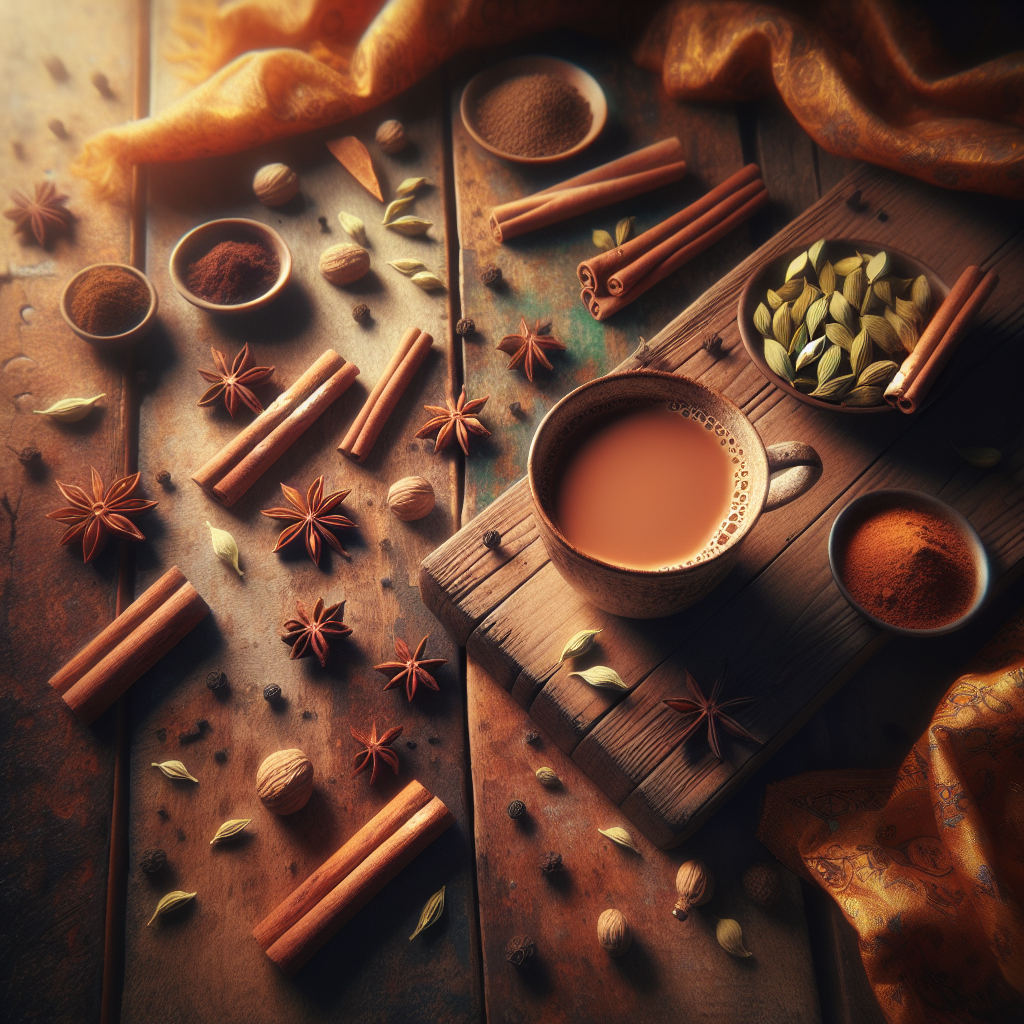
There are few aromas as instantly comforting as that of chai spice—a warm, eclectic blend of earthiness, sweetness, and a hint of fire. The moment you smell it steeping in a mug, it awakens a sense of ritual and rest. Yet, as universally adored as it seems, chai spice also divides people. Some find its perfume intoxicating and soothing, others find it overwhelming, reminiscent of potpourri or overly sweet candles. This contrast has made chai spice one of those intriguing flavors that truly embodies a love-it-or-hate-it experience.
Exploring chai spice means diving into centuries of cultural fusion, ancient trade routes, and evolving recipes that adapted to regional taste preferences across the globe. Today, chai spice is everywhere—found in teas, desserts, lattes, candles, and even skincare. But does it truly live up to its romantic reputation, or is it overrated nostalgia packaged with cinnamon and hype? This taste review takes an honest look at why chai spice fascinates many yet repels others, how it engages your senses, and what you can learn from its global journey of taste.
Understanding chai spice is about more than just flavor; it’s about texture, memory, and sensory complexity. Whether you sip it during a quiet morning ritual, stir it into warm milk on a winter night, or bake it into cookies for holiday gatherings, chai spice manages to tell a story through taste. The challenge lies in how each individual interprets that story. Let’s explore the balance between the loved and the loathed—between the sweetness of nostalgia and the punch of authenticity.
The Essence and Composition of Chai Spice
Before we understand why people feel so strongly about chai spice, it helps to break down what it actually is. Traditionally, chai spice refers to a blend of ingredients added to black tea. Its foundation typically includes cardamom, cinnamon, cloves, ginger, and black pepper. Each ingredient contributes differently: cardamom lends floral sweetness, cinnamon gives warmth, ginger offers freshness and slight heat, while black pepper and cloves anchor the blend with earthy pungency.
In India, the term “chai” simply means “tea,” and “masala chai” means spiced tea. However, in Western culture, chai spice has evolved into its own concept, often independent of tea, represented as a dry spice blend for baking, beverages, and aromatherapy. This transformation has led to a divergence between authentic and commercialized interpretations of chai spice.
Why Chai Spice Inspires Passionate Opinions
Some swear that chai spice is a form of comfort in a cup. It evokes the feeling of warmth and familiarity—perfect for cozy mornings, quiet book reading sessions, or rainy afternoons. Others, however, find its aroma exaggerated or the clove-cinnamon pairing too intrusive. This duality makes chai spice fascinating: while it’s globally loved, it also polarizes taste buds in surprising ways.
- For the lovers: Chai spice is sophisticated yet approachable. Its complexity changes with every sip, making it delightful for those who enjoy layered flavors.
- For the skeptics: Some believe chai spice is too strong, too sweet, or tries too hard to be comforting. They prefer cleaner tea varieties like green or oolong, which feel lighter and less constraining.
The intensity of opinion surrounding chai spice mirrors that of foods like cilantro or licorice: unmistakably distinctive, undeniably powerful, and impossible to enjoy passively. You either crave it—or you don’t.
The Sensory Experience of Chai Spice
Smell a jar of chai spice and you instantly understand its bold personality. The nose picks up on cinnamon first, followed by the zing of ginger, the brightness of cardamom, and the subtle sharpness of pepper. When added to hot tea, milk, or baked goods, the aroma deepens. This complex scent has become one of the main reasons chai spice dominates cafés and home kitchens alike.
The Taste Profile of Chai Spice
On the palate, chai spice is layered: spicy, sweet, fragrant, slightly bitter at the edges, with a finish that lingers. Much depends on the balance of spices in the mix. For instance, a cinnamon-heavy blend produces warmth and sweetness. A clove-forward profile offers intensity verging on medicinal. The trick to appreciating chai spice is balance—the art of making no single element overtake the others.
Chai Spice and Texture in Beverages
While often explored for aroma and taste, texture plays a surprising role in chai spice appreciation. The tiny particles of powdered spice can change how smooth or gritty a beverage feels. Traditional methods in India involve brewing the spices whole, which gives a clear yet deeply infused drink. Western adaptations often rely on ground powders, quick syrups, or pre-made sachets. Each brings a different textural result, influencing how chai spice is perceived—either as authentic or artificial.
Regional Interpretations of Chai Spice
In India, chai spice isn’t fixed; it morphs from one region to another. For example, in the north, the blend may feature pronounced cardamom and ginger. In Kolkata, black pepper sometimes leads. Down south, nutmeg or even fennel is introduced. These variations show chai spice as a living tradition rather than a frozen recipe. By contrast, Western mass-market chai spice often follows a standard template, emphasizing cinnamon and sweetness—characteristics that not all purists appreciate.
Modern Adaptations and Global Influence
Today, chai spice appears in places far beyond traditional tea houses. From Starbucks lattes to gourmet desserts, the flavor is reshaped for different palates. Chefs experiment with chia puddings, ice creams, and cocktails infused with chai spice. While this popularity has helped introduce many to its pleasures, purists argue that commercial versions dilute the soul of the blend, replacing spice depth with sugar and artificial flavors.
Examples of Creative Uses of Chai Spice
- Chai spice cookies that pair perfectly with afternoon coffee.
- Infused syrups for pancakes or cocktails.
- Chai spice roasted carrots or pumpkin soup for savory adventure.
- Homemade candles carrying the scent of chai spice rather than vanilla.
Each adaptation expands the global story of chai spice, but the more it travels, the more its meaning changes. Authentic fans seek balance and restraint, while casual consumers chase comfort and sweetness.
Health and Mindful Enjoyment of Chai Spice
Aside from taste, chai spice carries a rich tradition of wellness. Ancient Ayurvedic principles considered its core spices therapeutic—warming the body, improving digestion, and enhancing vitality. Modern nutrition science backs some of these claims. Ginger supports anti-inflammatory response, cinnamon helps manage blood sugar levels, and cardamom promotes good digestion. Together, they create not just flavor but an experience that aligns comfort with holistic benefit.
Chai Spice for Modern Lifestyles
In wellness-oriented circles, chai spice has become an alternative to coffee. The caffeine from black tea pairs with the calming warmth of spices, providing alertness without jitteriness. Many fitness advocates and meditation practitioners enjoy chai spice tea as a pre-ritual beverage, blending grounding aroma with mindful sipping. This intersection of health and ritual continues to drive its modern popularity.
Responsible Sourcing of Chai Spice Ingredients
Today’s consumers care not only about flavor but also ethics. Sustainable cultivation of cinnamon, black pepper, and cardamom protects both environment and farmer livelihoods. When shopping for chai spice, seek blends sourced from transparent suppliers or fair-trade certified farms. This ensures the social impact matches the sensory pleasure. For further insight into ethical tea cultivation, visit Tea Geek and Tea Class, which detail supply chains and sustainability practices in tea-producing regions.
Common Mistakes When Preparing Chai Spice Drinks
Chai spice tea may sound simple, but preparation errors can turn it from aromatic bliss to overpowering bitterness. The trick lies in proportion, steeping duration, and liquid balance. Many beginners add too much spice blend or steep the tea for too long, resulting in overwhelming tannins.
How To Brew Chai Spice Properly
To master the art of chai spice brewing, begin with fresh spices and black tea leaves. Boil water with the whole spices for two to three minutes, then add the tea leaves, simmer briefly, and add milk to mellow heat. Sweeten only as needed. The layering method ensures the final brew retains both the vibrancy and the soothing warmth unique to chai spice.
Enhancing Everyday Drinks with Chai Spice
If you’re not into traditional tea, try chai spice in other ways:
- Stir a pinch into hot chocolate for depth.
- Add it to smoothie bowls for spicy complexity.
- Sprinkle over oatmeal with honey and sliced pear.
Even coffee lovers can experiment; a dash of chai spice powder into espresso drinks adds aromatic contrast, cutting sweetness with zest.
Cultural and Emotional Associations with Chai Spice
Every sip of chai spice carries emotional weight. In India, it symbolizes community—a cup shared at every street corner. Abroad, it symbolizes warmth, nostalgia, and mindfulness. Its sensory identity has transcended beverage status, becoming almost a season unto itself—much like pumpkin spice in autumn. Yet, unlike pumpkin, chai spice maintains a year-round relevance grounded in heritage.
The Love and Hate Cycle of Chai Spice
Why such polarizing emotion? Because chai spice taps deeply into personal thresholds for intensity. Sweet lovers relish its dessert-like coziness; minimalists feel assaulted by its assertiveness. No other spice blend produces such vivid alignment of memory and mood. When someone says they love chai spice, they may mean they love its warmth, depth, and vintage soul. When someone disagrees, they often crave clarity, simplicity, and gentler flavors. Both experiences are valid—and together they define the cultural phenomenon.
Visual and Sensory Appeal of Chai Spice

Its visual charisma—rich brown hues, powdered textures, and flecks of vibrant pods—reinforces the sensory power of chai spice. Seeing it feels like comfort, smelling it intensifies expectation, and tasting it completes the ritual. It’s not just a drink; it’s experience encapsulated.
Final Review: Why Chai Spice Remains Timeless
Despite divided opinions, chai spice earns its iconic status because it evokes emotion. It’s both bold and gentle, ancient and modern. Whether you adore or disdain it, chai spice forces you to pay attention. That’s its flavor power—demanding presence in a world of quick sips. As trends shift, chai spice remains rooted in history and adaptability. Its greatest gift is how it invites conversation, one cup at a time. For readers interested in deeper tea tradition, explore related stories at Tea History and Tea Recipe.
Frequently Asked Questions
What makes chai spice different from other tea blends?
Chai spice stands out because it’s more than flavored tea—it’s an aromatic symphony of ginger, cardamom, cinnamon, cloves, and black pepper layered on robust black tea leaves. Each cup carries warming complexity that most other teas don’t achieve. Unlike infused teas that highlight single notes like vanilla or mint, chai spice embraces tension between sweet and spicy, creating balance within contrast. Its signature taste intensity and heritage make it both exotic and comforting, offering a combination of depth and warmth that defines its enduring appeal worldwide.
Why do some people dislike the flavor of chai spice?
The dislike often comes from overstimulation. Chai spice can be powerful—too much cinnamon or clove turns it bitter or perfumed. Others simply prefer subtler teas without that pungent edge. Cultural conditioning also matters; if someone isn’t used to highly spiced drinks, chai spice may feel harsh. Overly sweet commercial versions make the problem worse. Properly balanced blends, however, tone down harshness while preserving aromatic charm, converting many skeptics over time. The key is moderation: let chai spice express itself, but don’t allow it to dominate every sip.
Is chai spice healthy to drink daily?
Yes, when moderately consumed, chai spice offers gentle health advantages. The constituent spices—ginger, cinnamon, and cardamom—are known to aid digestion, circulation, and calmness. However, health benefits depend on how you prepare it. Avoid excessive sugar or cream in chai spice lattes; opt for unsweetened brews or natural honey sweeteners. Drinking authentic chai spice daily can warm the body, improve focus, and subtly energize. Still, individuals sensitive to caffeine or strong spices should monitor quantity and timing to ensure balance within their wellness routine.
How can I make my own chai spice blend at home?
You can make your own chai spice blend by combining ground cinnamon, cardamom, ginger, cloves, and black pepper. Optional additions include nutmeg or star anise for extra depth. Store in a sealed jar to preserve freshness. Homemade chai spice ensures quality and allows you to control intensity. To brew, use one teaspoon per cup of water or milk. Adjust ratios based on strength preference. This DIY approach empowers experimentation and reconnects you with the authentic craft of chai spice preparation—something prepackaged blends often miss entirely.
Which desserts pair best with chai spice tea?
Chai spice tea pairs beautifully with simple, buttery desserts like shortbread, pound cake, or almond biscotti. The spices cut through richness and highlight caramel or nutty notes. It also complements fruit-based dishes—apple pie or poached pears gain depth from chai spice’s warmth. To enhance both dessert and drink, pair mildly sweet snacks rather than frosted or syrup-heavy treats. This allows chai spice’s complexity to shine without overwhelming the palate. The harmony between spice and sweetness transforms a simple tea break into a layered experience.
Does chai spice originate from India?
Yes, chai spice originates from India, where tea culture evolved through centuries of trade and adaptation. Spices such as cardamom, cinnamon, and cloves were used not only for flavor but for their medicinal qualities in Ayurveda. What began as “masala chai” turned into a daily ritual symbolizing hospitality. Over time, chai spice traveled globally, embraced and modified across countries. Western cafés popularized sweetened, creamy versions, but the authentic heart of chai spice remains tied to Indian tradition, celebrating warmth, balance, and communal connection over a shared cup.
Can chai spice be used in cooking beyond tea?
Absolutely. Chai spice is incredibly versatile—ideal for baking muffins, infusing syrups, flavoring granola, or seasoning roasted vegetables. Its blend harmonizes with sweet and savory dishes alike. You can rub it on poultry before grilling or fold it into pancake batter for inventive brunches. Mixed with honey, it creates aromatic glazes. Using chai spice in cooking bridges cultures by adding exotic dimension without overwhelming natural flavors. With creativity and balance, chai spice can elevate everyday meals into fragrant, memorable experiences extending beyond traditional tea-time rituals.
What’s the best way to store chai spice?
To keep chai spice fresh, store it away from moisture, light, and air exposure. Use a glass or metal airtight container. Whole spices maintain potency far longer than ground powders—sometimes up to a year. If you grind your own mix, make small batches to preserve aroma. Avoid refrigeration, as humidity dulls vibrancy. Label each batch with date to track freshness. Proper storage ensures chai spice maintains its lively fragrance and balanced intensity, so every brew, cookie, or latte delivers full-bodied flavor true to tradition and taste memory.
Why does chai spice work so well during colder months?
Chai spice provides warming comfort in cooler seasons because its aromatic oils gently increase body warmth. Cinnamon, ginger, and clove naturally stimulate circulation, while fragrant cardamom lifts mood. When temperatures drop, these elements soothe both body and mind. Drinking chai spice tea feels like wrapping yourself in a blanket of scent and heat. This instinctive comfort explains its winter popularity across continents. Though perfect year-round, the cozy allure of chai spice reaches its emotional peak amid shorter days and chilly evenings, when warmth becomes ritual.

Leave a Reply