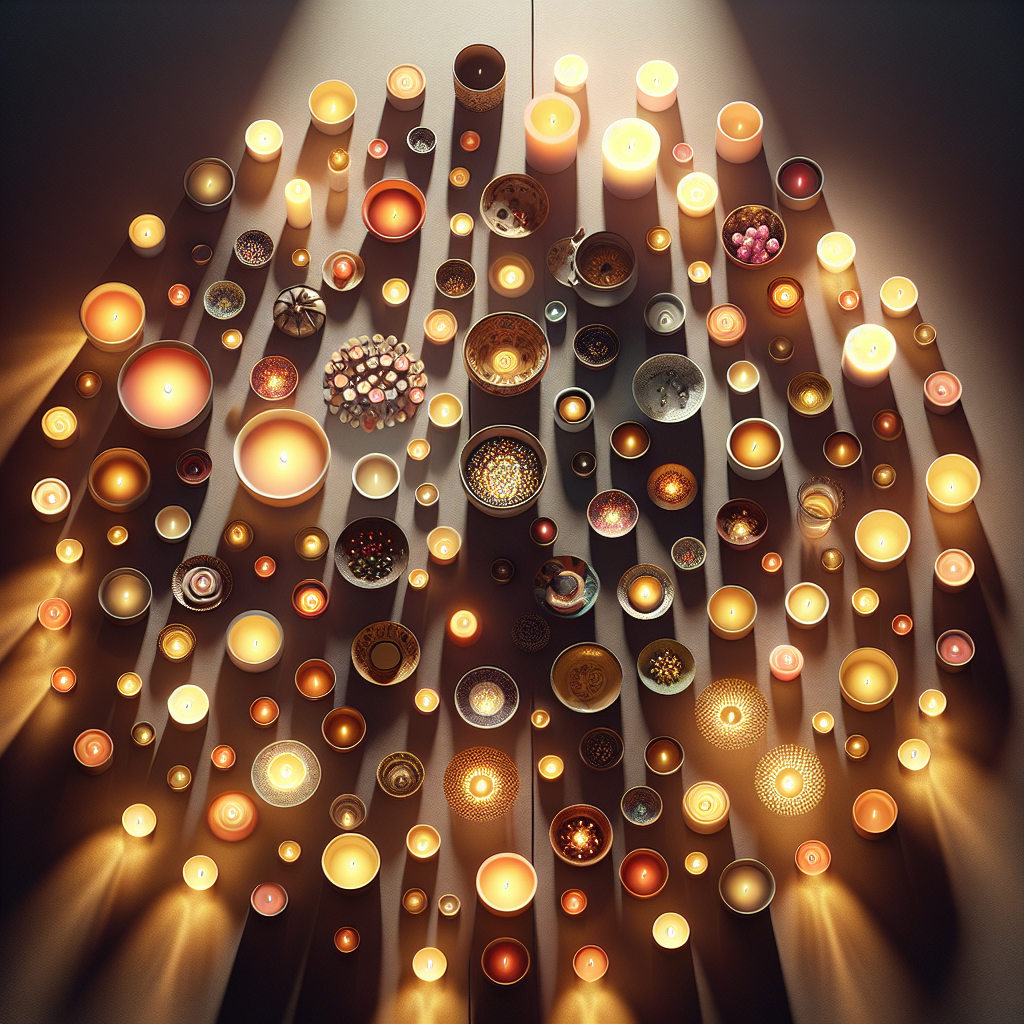
The gentle glow of a tea light can transform a moment. Whether arranged in a minimalist lantern, scattered along a dinner table, or used to warm a ceramic oil diffuser, a tea light offers both function and atmosphere. Through its small, steady flame, it connects practicality and serenity in everyday living. In this detailed guide, you’ll find authentic reviews, practical insights, and thoughtful advice on how to choose, use, and enjoy every type of tea light—so that every flicker becomes a moment of subtle beauty and purpose.
Many people do not think twice before picking up a pack of tea lights from a grocery or décor store, but the difference in burn quality, material composition, and scent impact can vary widely. The goal here is not to romanticize candles but to help you understand what’s inside that simple metal or plastic cup, how to select eco-friendlier options, and how to use them effectively for ambient design and aromatherapy. A properly chosen tea light can enhance your experience in a way that feels mindful and sustainable.
Understanding What Makes a Tea Light Unique
A tea light is typically a small, circular candle, housed in a thin cup of aluminum or sometimes clear polycarbonate plastic. It burns for about two to six hours, depending on wax quality and wick efficiency. Despite its small size, this candle type has long been a favorite for ritual, mood-setting, and fragrance diffusion.
The Origins of the Tea Light
The term “tea light” comes from its original use: to keep teapots warm during extended gatherings or ceremonies. It was designed to sit under a teapot or food warmer, radiating just enough heat to maintain temperature. Over time, the humble candle evolved into a décor essential, present in both casual dinners and luxury spas. Modern manufacturing allows for soy, beeswax, or paraffin-based tea lights in an array of scent options.
Physical Characteristics to Notice
Every detail in a tea light matters. The diameter—usually around 38 mm—the wick material, and the type of wax all influence how evenly it burns. Aluminum cups are stable and cost-effective, while plastic varieties showcase the glow more vividly in transparent holders. If safety is your priority, opt for self-extinguishing models with a lower melt point to prevent overheating. Always inspect packaging for burn-time testing and safety certifications.
Reviewing Different Types of Tea Lights
Before spending money, understanding the different varieties of tea lights can help you make a thoughtful purchase. Here’s a breakdown of the most popular categories and their honest performance feedback.
Paraffin-Based Tea Lights
Affordable and widely available, paraffin tea lights provide a bright, steady flame. Their drawback is that paraffin is a petroleum by-product, which can emit soot and carbon residue. However, for short-term events or outdoor use, these tea lights perform consistently with minimal odor interference. Choose them if economy outweighs environmental concern—but ensure proper ventilation.
Soy Wax Tea Lights
Soy wax tea lights have become the eco-conscious standard. They burn cleaner, last longer, and usually come in biodegradable cups. Users appreciate their mild scent throw and minimal smoke production. Several artisan brands now produce refillable soy tea lights to cut down on waste. When reviewing these, look for 100% soy content—some blends mix paraffin to reduce cost, which can compromise their benefits.
Beeswax Tea Lights
Beeswax tea lights emit a gentle honey aroma and naturally purify the air by releasing negative ions. Though pricier, they are a favorite for people sensitive to synthetic fragrances. They also burn with a distinctive golden hue, adding rich warmth to the space. Because pure beeswax is denser, expect slower melting and extended burn times. A small pack often lasts as long as double the number of conventional candles.
Honest Performance Reviews
Below are practical experiences and data-based comparisons among tea light brands, gathered from real-world evaluations under consistent conditions of ventilation, room temperature, and holder design.
Burn Consistency
Brands with cotton wicks and soy wax demonstrated the best uniformity. Paraffin-based tea lights, although stable, often pooled unevenly toward the end. The shape of the holder also makes a difference: flat-bottom cups produce steady flame height, while concave cups can shorten wick exposure too soon. Consistency is essential if you use a tea light to heat fragrance oil or food warmers, where uneven burning can affect efficiency.
Fragrance Strength
A scented tea light should release aroma without overwhelming. Tests showed that mild essential oil blends work best for small rooms, while paraffin-based scented ones sometimes gave off a synthetic after-smell. Beeswax versions released the subtlest, most natural fragrance, ideal for intimate environments like spas or meditation corners. If you prefer strong throw, combine multiple tea lights together; the cumulative scent is gentler than a single large candle but still noticeable.
Environmental Factors
Carbon footprint is a growing concern. Soy and beeswax options outperform paraffin across metrics: renewable sourcing, biodegradability, and lower soot emission. Plastic cups, though visually appealing, can warp under heat and are rarely recyclable. A better option is tea lights sold without cups—intended for reuse with your own holders. Eco-friendly packaging, like paper pulp rather than shrink wrap, is becoming a key differentiator among premium brands.
Setting the Mood with Tea Lights
The placement and number of tea lights can change the energy of a room. Their soft, flickering light mimics natural firelight, improving relaxation and focus. Let’s explore creative but practical ways to use them without compromising safety or aesthetics.
Dining and Celebrations
Set three to five tea lights along the center of a dinner table. Alternate heights using glass holders for light layering. Opt for unscented ones during meals to prevent fragrance clashes with food. In open-air gatherings, use lids or hurricane covers to protect the flame from breeze while maintaining ambience.
Bath and Wellness Spaces
For a meditative bath, cluster soy or beeswax tea lights around the tub’s edge. Their gentle illumination works better than bright electrical light when your goal is tranquility. Combine with a few drops of eucalyptus or lavender oil nearby—not added directly to the wax—to create a spa-like atmosphere. Always keep flames away from towels or curtains.
Outdoor and Garden Use
Place tea lights in lanterns or carved-out glass jars with sand at the base for stability. The result is an enchanting glow path across your garden or balcony. Choose citronella-scented tea lights to repel insects during summer evenings. For sustainability, use refillable holders compatible with biodegradable wax inserts.
Choosing the Best Tea Light for Your Needs
Not all tea lights serve the same purpose. To make an informed choice, reflect on your usage context—decorative, functional, or aromatic—and then match product characteristics accordingly.
For Long Burn Duration
If your events often extend over several hours, select a tea light labeled for six-hour burns. Verify with reviews, as packaging labels can exaggerate. Denser wax types and thicker wicks generally prolong performance. Placing the holder on a temperature-stable surface also avoids early extinction caused by drafts or heat loss.
For Clean Air and Minimal Residue
Homes with sensitive occupants benefit most from soy or beeswax tea lights. Avoid dyed or heavily perfumed options, as their additives release more particles when burning. Proper trimming of the wick to about six millimeters before each lighting reduces soot significantly. Be wary of extremely cheap packs—they often cut corners on wick threading or purity.
For Decorative Accent
Transparent cups help distribute more visible light, creating crystalline effects under glass holders. Colored wax adds artistic flair, especially in weddings or festive décor. Just note that pigment concentrates may produce a slightly different melt pattern compared to natural tones.
Safe Handling and Fire Precautions
Because tea lights are open-flame items, careful use is vital. Although their size seems harmless, unattended burning can lead to damage. Simple awareness ensures beauty doesn’t become hazard.
Smart Placement
Keep tea lights at least five centimeters apart, ensuring proper oxygen flow and preventing excessive heating of surfaces. Avoid placing them directly on wood or cloth. Metallic or ceramic holders with heat-resistant bases are best. When extinguishing, use a snuffer instead of blowing; this minimizes splatter and preserves wick integrity.
Storage Tips
Store unused tea lights in a cool, dry space away from direct sunlight. Beeswax may develop a whitish film called “bloom,” which disappears when gently polished with a cloth. If you live in a warmer climate, refrigerating them briefly before events can delay early melting when exposed to heat. Always label your storage container with type and burn time.
Eco-Friendly Purchasing and Sustainability Insights
Sustainability today drives consumer value. The materials used in making tea lights—from wax to cup—play a significant role in environmental balance.
Wax Source Matters
Beeswax supports beekeeping ecosystems when sourced responsibly, while soy cultivation supports agricultural diversity. However, ensure your chosen brand uses non-GMO soy and ethical bee farming. Look for third-party eco-certifications that confirm transparency. Some companies transparently disclose full supply chains, showing exactly where wax originates.
Packaging and Refilling Trends
Packaging innovation is revitalizing the market. Refillable tea light systems encourage waste reduction. Customers buy wax inserts separately, avoiding single-use aluminum or plastic cups. Compostable wrappers and minimalist labeling further cut waste. **Example:** a leading artisan brand from Scandinavia now provides multi-use glass cups with refill pucks—an approach likely to become mainstream.
Fair Pricing vs. Quality
While cheaper packs may tempt budget buyers, remember that responsible brands reflect true production costs, including fair wages and eco compliance. Since tea lights are small, even the premium versions remain affordable relative to other decorative lighting. Spending slightly more leads to cleaner burning and aligns your choice with sustainable values.
Expert Tips from Long-Term Users
Over years of use, candle enthusiasts have developed small but valuable habits. These ensure each tea light delivers full value and beauty.
- Trim wicks before every lighting session for consistent flame height.
- Avoid moving burning candles; liquid wax easily spills.
- Recycle used aluminum cups if local facilities accept them.
- Rotate stock—older tea lights may lose scent or accumulate dust.
- Group tea lights in odd numbers for more organic lighting layouts.
Enhancing Aroma Diffusion
Place tea lights under ceramic diffusers carefully. One candle suffices for small bowls; using too many can overheat oils. If scents fade, adjust distance between flame and reservoir instead of adding more wax. Natural essential oils pair best with unscented tea lights to prevent mixed fragrance results.
Comparing Brands and Product Recommendations
We’ve reviewed multiple brands across different price tiers to give authentic insight. Ratings consider burn consistency, scent, eco metrics, and safety design.
Premium Segment
Brands specializing in beeswax and refillable systems lead this category. Customers report nearly smokeless flames and stable holders. These are ideal for yoga instructors, cafes, or interior stylists seeking elegance with environmental consciousness.
Midrange Segment
Soy-based mass-market tea lights offer solid reliability and accessible pricing. Look for brands that clarify wax source. Extras like recyclable packaging and neutral fragrances give better long-term value. Regular home users often favor this tier because it balances affordability and quality.
Budget Segment
Economy packs—usually paraffin—serve fast décor needs like outdoor parties. Use them with metal trays to manage residue. While not sustainable, their availability and price appeal to large-event organizers where quantity outweighs longevity.
Top-Rated Tea Light Comparison Overview

A typical comparison shows beeswax outperforming others in air quality and scent authenticity, while soy scores higher in burn duration. Paraffin excels in brightness but lags environmentally. Matching your priorities to this matrix optimizes satisfaction and cost efficiency.
Integrating Tea Lights into Daily Rituals
For many people, lighting a tea light marks a mindful beginning—an invitation to slow down. Use it as visual meditation: focus on the flame’s rhythm as you breathe deeply. Interior designers also integrate clusters within textured nooks for elevated aesthetics during evening hours.
Mindful Practices
Pairing a tea light with soft music or gentle tea brewing can create a multilayer sensory ritual. The simplicity of striking a match and watching initial flicker has grounding power. For more cultural context, explore historical tea ceremonies explained on teastory.blog/tea-ceremonies, where lighting patterns once symbolized respect and balance.
Historical and Cultural Context
Across Asian and European traditions, tea lights (or their equivalents) appear as symbols of calm focus. Their presence in modern interior design continues that legacy. If you’re curious about the evolution of delicate light sources over centuries, see in-depth background on teastory.blog/tea-history.
Additional Resources and Research Links
To further your understanding of sustainable wax sources and responsible candle making, explore organizations advocating transparent manufacturing. The Sustainable Candles Alliance outlines global eco standards. Another reference is Good Housekeeping’s testing lab, offering verified performance benchmarks for various candle products.
Frequently Asked Questions
What is a tea light and how is it different from other candles?
A tea light is a compact candle contained in a small metal or plastic cup, designed for limited burn time and low heat output. Unlike taper or pillar candles, it is mostly used for ambiance, heating small items, or scent diffusion. Its circular shape makes it stable and practical for multiple arrangements. While larger candles provide longer burn, a tea light excels at creating targeted zones of warmth or light without dominating a space. Its simplicity, portability, and affordability make it a versatile household essential.
How long does a typical tea light burn?
Burn time depends on wax density and cup design. Standard paraffin versions last about four hours, while soy and beeswax may extend beyond six hours. Lower-quality wicks may self-extinguish sooner due to uneven melting. Keeping the flame away from drafts and placing on heat-stable surfaces preserves duration. Some premium refillable tea light systems advertise up to nine hours due to optimized wick placement. Always check product details and test one before large events if timing matters for your lighting setup.
What is the safest way to use tea lights indoors?
Always use holders designed for heat resistance. Place tea lights at least five centimeters apart and away from flammable materials. Avoid leaving them unattended, especially near curtains or wooden furniture. Extinguish with a snuffer instead of blowing to reduce wax splatter. Doing so helps preserve wick shape for reuse. Children and pets should never be left in rooms with active flames. Ventilate slightly to prevent accumulation of fumes from scented waxes. These simple habits make indoor tea light use reliably safe.
Which type of tea light is most eco-friendly?
Among all varieties, beeswax and soy tea lights stand out as the most eco-conscious. They originate from renewable resources, burn cleaner, and biodegrade naturally. Selecting those in compostable paper or glass cups further minimizes plastic waste. Some companies now offer refill systems that let you keep holders indefinitely. Avoid heavily dyed or mixed-wax versions that counteract ecological benefits. Ethical labeling—showing certified wax origin—makes a big difference in verifying genuine sustainability claims behind every tea light purchase.
How do I reuse or recycle empty tea light cups?
After cooling, remove residual wax using warm water and a gentle scraper. Aluminum cups can go into metal recycling if cleaned. Plastic holders, however, are often non-recyclable depending on local rules. Some creative users convert them into mini seed planters or craft molds. With refillable soy or beeswax inserts becoming available, you can significantly lower waste by reusing the same holders. Check your municipality’s recycling code to confirm proper category before disposal or reuse of tea light cups.
Can I make homemade tea lights?
Yes, crafting tea lights at home is satisfying and enables full ingredient control. Melt natural waxes like soy or beeswax, set wicks in aluminum or silicone molds, and pour slowly at steady temperature. Homemade variants allow custom scents and reduced packaging waste. Always measure wick size accurately—too short leads to tunneling, too long increases smoke. Online tutorials from reputable sources guide temperature control and safety practices, ensuring your DIY tea light batch burns evenly and cleanly while reflecting personal style.
Where should I place tea lights for the best aesthetic effect?
Strategic placement enhances any interior. Arrange clusters of three or five in reflective trays to amplify light. Corners or wall niches gain instant depth when softly lit. For larger gatherings, line walkways or balconies evenly with spaced tea lights in protective lanterns. Combine with mirrors or crystal holders for extra luminosity. Avoid busy areas where heat could damage surfaces. Since subtlety defines elegance, fewer tea lights positioned with intention often deliver a richer visual effect than mass placements.
Are scented tea lights suitable for meditation or yoga?
Gentle, naturally derived scents can enhance mindfulness, but overpowering artificial fragrance may distract. Choose unscented or lightly infused soy or beeswax tea lights when meditating. Essential oils like sandalwood, lavender, or chamomile maintain balance between aroma and tranquility. Keep the count low—two or three are enough for mood setting. Also check ventilation to prevent headaches. The flame itself symbolizes focus and renewal, which aligns perfectly with yoga breathing practices and conscious presence during silent reflection.

Leave a Reply