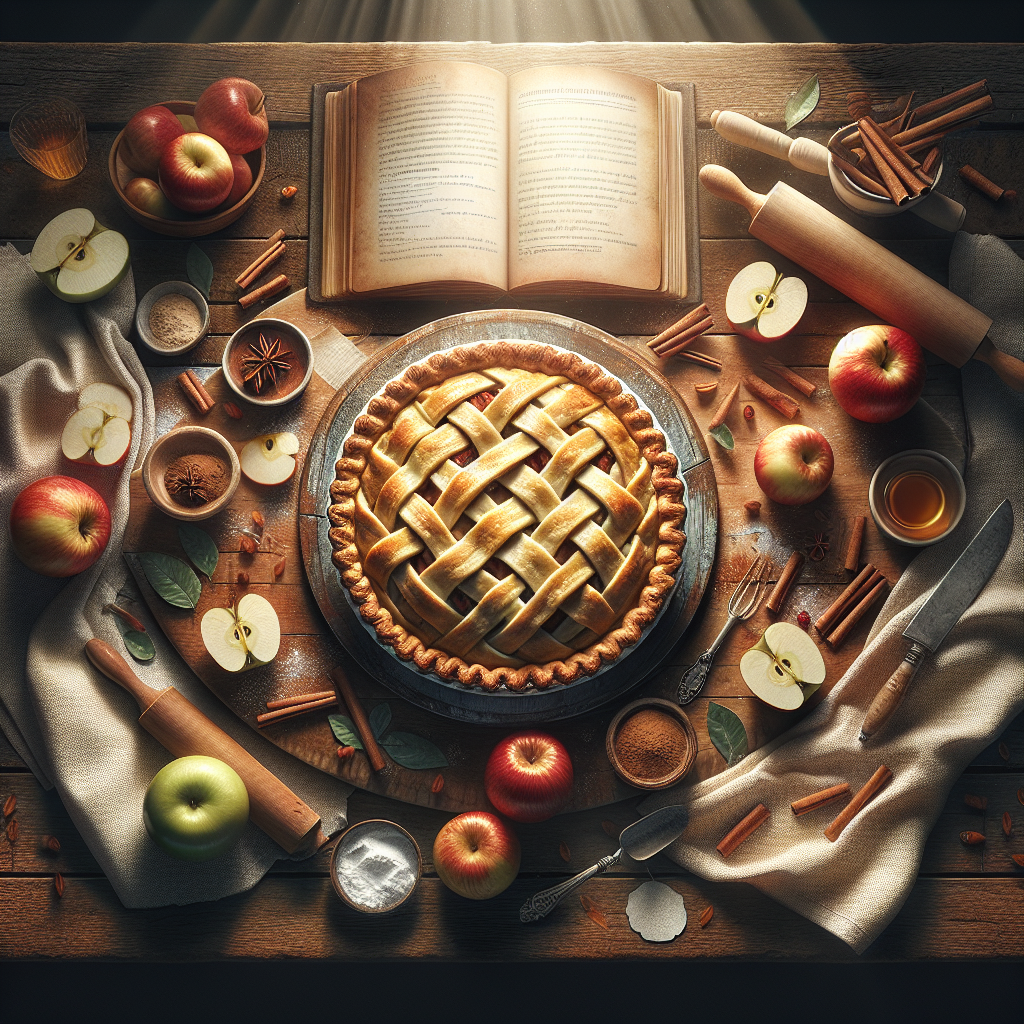
The aroma of a freshly baked apple pie recipe has a nostalgic charm that feels both homely and luxurious. Whether it’s the flakiness of the crust, the caramel-tinted softness of spiced apples, or the rustic beauty of the golden lattice top, this dessert embodies comfort. Yet, the apple pie recipe revealed here isn’t just another traditional baking guide — it hides a few shocking secrets that separate a good pie from a show-stopping masterpiece. This article dives deeply into techniques, ingredient selection, and step-by-step craftsmanship, ensuring that every slice tells a delicious story worth sharing.
Before we uncover the secrets, it’s essential to appreciate how a true apple pie recipe has evolved. From humble farmhouse kitchens to high-end patisseries, bakers have long experimented with fruit varieties, spice formats, and crust hydration levels to produce the perfect balance of sweetness, acidity, and texture. Here, you’ll not only follow a proven apple pie recipe but also gain an understanding of why each step matters. Get ready to transform your baking with insight, science, and creativity — one flaky crust at a time.
The History and Heart Behind the Classic Apple Pie Recipe
Every apple pie recipe carries with it a narrative. Although often associated with American tradition, the dish’s roots extend far deeper — tracing to early English pies filled with figs or pears. When European settlers brought these concepts to the New World, they substituted local apples, giving rise to what we now consider the quintessential apple pie recipe. Over centuries, baking styles changed, but the principle stayed: simplicity combined with seasonal ingredients.
Old-World Inspirations Meet Modern Adjustments
Historically, pie crusts weren’t even meant to be eaten; they served as containers to preserve fillings. The transformation into flaky, buttery shells marks one of the great culinary revolutions. In today’s apple pie recipe, achieving that signature texture requires cold butter, strategic folding, and patience. But here’s a secret: a teaspoon of apple cider vinegar in your dough stabilizes gluten development, preventing toughness. This small twist creates a tender bite that perfectly complements the soft filling.
Why Tart Apples Define the True Character
Ask any expert baker, and they’ll insist: your apple choice defines your pie’s identity. For a refined apple pie recipe, balancing tart and sweet apple varieties yields depth. Granny Smith and Honeycrisp, for instance, form a reliable pair. The former keeps its structure through baking, while the latter infuses natural juiciness and sugar. A stunning secret? A small ratio (10%) of dried apple pieces soaked in spiced rum enhances the filling’s complexity without introducing extra liquid. It’s these curated tweaks that set apart an amateur pie from a professional artisan’s creation.
The Science of Crust Perfection
The crust is where most bakers falter. A pie crust that’s soggy or chewy can ruin even the best apple pie recipe. To create a foolproof crust, consider the balance of fat and flour. Too much butter, and you risk spreading; too little, and you’ll end up dense. The golden ratio is roughly two parts flour to one part butter, with occasional substitution of shortening for shape stability.
Temperature Control
Cold is the guardian of texture. Butter must stay solid when incorporated; it later melts during baking, releasing steam that forms delicate layers. For the ideal apple pie recipe, chill your dough for at least an hour, preferably overnight. Then, roll gently from the center outwards, rotating the dough each turn to prevent sticking. A parchment-lined surface adds convenience and minimizes stress.
The Hidden Ingredient That Changes Everything
What’s the shocking secret behind a consistently crisp crust? Cornmeal dusting. Before placing your filling, sprinkle a tablespoon of fine cornmeal on the base crust. This subtle step absorbs excess juices without altering flavor. Many pastry chefs swear by it, yet few home bakers know this trick. In your next apple pie recipe, consider it your stealth advantage — a professional touch disguised as simplicity.
Crafting the Perfect Apple Filling
The filling isn’t just about tossing sliced apples with sugar. It deserves structure, seasoning, and balance. In the most refined apple pie recipe, every fruit slice should remain distinct while blending harmoniously under a glossy, caramelized mixture. Achieving this requires understanding the science of pectin and starch.
Balancing Sugar and Spices
Sugar caramelizes, spices build warmth, and acidity binds them together. A robust apple pie recipe typically includes cinnamon, nutmeg, and clove. However, less conventional bakers now integrate cardamom for floral complexity. Each 2 pounds of apples should be paired with about ¾ cup of sugar. Whether you use light brown sugar for deeper molasses undertones or granulated sugar for neutrality depends on your flavor vision. Add a touch of lemon zest to brighten the palate; it lifts the sweetness beautifully.
Pre-Cooking the Filling: A Controversial Twist
One of the most divisive debates in the apple pie recipe world is whether to pre-cook the filling. Purists bake fresh apples directly, arguing it preserves integrity. Others, including pastry instructors, suggest lightly sautéing apples with butter and spices for 5–7 minutes before layering them. This pre-cooking releases excess moisture and prevents gaps between filling and crust after baking. For many, this single adjustment signals a shift from homemade charm to restaurant precision.
Baking Strategy That Guarantees Success
No matter how refined your apple pie recipe becomes, execution matters most in the oven. Baking isn’t simply temperature control — it’s heat choreography. The first stage sets the crust structure, while the second ensures even cooking and caramelization. Begin at 425°F (220°C) for 15 minutes, then drop to 375°F (190°C) for another 35–40 minutes. Always position your pie on the lower third of the oven to encourage a crisp base.
The Importance of Venting and Steam Balancing
Throughout any apple pie recipe, air circulation determines filling density. Without adequate vent holes or lattice openings, your pie may trap moisture, leading to a gummy center. If you experiment with solid tops, use decorative slits or leaf cuts to release steam artistically. These aren’t merely visual accents — they’re structural necessities.
Brushing Techniques for a Professional Finish
The secret ingredient to a glowing surface is an egg wash mixed with a tablespoon of cream. Brush liberally over your crust before baking and sprinkle a pinch of sugar for crystalline sparkle. This gives your apple pie recipe both texture and magazine-worthy beauty.
Presentation and Serving Secrets
A pie is sensory theatre — aroma, sound, and visual grandeur. Cooling is vital; cutting too soon will let steam collapse your layers. Let an apple pie recipe rest for at least 2 hours after baking. Once ready, serve with vanilla bean ice cream or a drizzle of spiced Chantilly cream.
Pairing with Teas for a Complete Experience
Tea enhances the aromatic balance of a apple pie recipe. A mellow Darjeeling or lightly oxidized oolong works beautifully, cutting through the pie’s sweetness. To deepen your knowledge of pairing desserts and tea, visit an authoritative source such as Tea Association of the USA or TeaTime Magazine. They provide extensive insights into tea culture and blends for gourmet pairings.
Continuing Your Culinary Tea Journey
Complement your apple pie recipe presentation with stories and rituals from tea culture. Explore Tea History to uncover centuries-old brewing traditions or learn flavor balance from Tea Recipe guides that help integrate tea aromatics into desserts. These experiences can turn ordinary meals into layered sensory events that invite conversation and connection.
Modern Variations on the Apple Pie Recipe
Innovation in baking stays alive when recipes evolve. Different regional styles infuse personality into the apple pie recipe — some adopt puff pastry lids, others ground almond bases. You can even make deconstructed versions in glass jars for portion control and portability.
Healthy Reinterpretations
If you’re health-conscious but still crave indulgence, replace refined sugar with honey or coconut sugar. Whole wheat pastry flour adds nuttiness, while ghee imparts depth without heaviness. Bakers returning to ancient grains, like spelt or einkorn, find they lend complexity and digestibility to any apple pie recipe.
Mini Pies and Hand Pies
Perfect for parties or traveling, smaller formats keep the spirit of the apple pie recipe intact while changing the experience. Use muffin tins for consistent size or craft semicircular hand pies folded over fillings. They freeze well, reheat crisply, and make thoughtful edible gifts for festive gatherings.
Vegan and Gluten-Free Adjustments
Many believe gluten-free crusts can’t achieve flaky perfection, but blending oat flour, rice flour, and almond flour with chilled coconut oil creates a rich crumb. Combine this with maple syrup-sweetened filling, and you’ll offer a modernized apple pie recipe suitable for diverse dietary needs. Always let gluten-free dough rest longer (up to 2 hours chilled) to stabilize structure before rolling.
Common Mistakes and How to Avoid Them
Even confident bakers can stumble. Understanding pitfalls sharpens your intuition. If your apple pie recipe results in a soggy bottom, your filling likely released too much liquid — pre-cook slightly or add thickener such as tapioca starch. A bland flavor indicates under-seasoning; never underestimate the synergy between salt and spice. And if your crust over-browns while your filling lags behind, simply tent foil around the edges midway through baking.
Master Baker’s Checklist
- Use cold, unsalted butter for maximum flakiness.
- Mix dough lightly — overworking inhibits layering.
- Pair apples of different textures for nuanced mouthfeel.
- Maintain precise oven temperatures with a thermometer.
- Allow proper resting time between baking and slicing.
Embracing Imperfection
The shocking truth? Even expert bakers craft imperfect pies sometimes. Lattice off-center, crust mildly cracked — yet flavor redeems everything. An apple pie recipe communicates intent, warmth, and patience. Unlike industrial sweets, each handmade pie holds character. Learn to enjoy these idiosyncrasies, as they tell your kitchen’s story.
Serving and Storage Recommendations
Store your pie at room temperature for up to two days, then refrigerate after. To revive leftovers, warm slices in an oven (not microwave) to restore crispness. Wrapped properly in foil and frozen, a baked apple pie recipe can last up to three months without losing quality. Reheat straight from frozen at 350°F (175°C) for 25 minutes.
Creative Second-Day Uses
Leftover apple pie rarely stays untouched, but if it does, transform it. Chop up chilled pie and layer with granola and yogurt for breakfast parfaits. Blend small chunks with vanilla milkshakes for a decadent twist. The beauty of a versatile apple pie recipe lies not just in its serving moment but its ability to inspire reinvention.
Conclusion: The True Soul of the Apple Pie Recipe
In the end, technique and science matter — yet the best apple pie recipe transcends its method. It’s an act of connection, often bridging generations. Whether shared warm after dinner or gifted during holidays, each slice carries tradition flavored with personal discovery. When you next bake, remember that your hands contribute history, art, and care into something far beyond sweetness on a plate.
Frequently Asked Questions
What makes this apple pie recipe different from others online?
This apple pie recipe distinguishes itself with layered insights: a cornmeal base secret for crispness, pre-cooked spiced apples for texture control, and balanced apple pairings. Its design merges old-fashioned ancestry with modern science, offering reliability and creativity simultaneously. Moreover, contextual links to tea resources promote holistic serving. Rather than being a mere list of steps, it’s a culinary framework that builds understanding, empowering bakers to improvise confidently while maintaining consistent results.
Which apple varieties yield the best texture in an apple pie recipe?
For a balanced texture, blend firm tart apples such as Granny Smith with juicier sweet ones like Honeycrisp. This mix ensures the pie holds structure without becoming soggy. Some bakers include Braeburn for crisp tang or Jazz for aromatic sweetness. Diversity prevents monotony. It’s the harmony between apple firmness and sugar content that elevates the apple pie recipe from predictable to artful. Avoid overly soft apples like Red Delicious which collapse under heat and leak excessive juice.
Can I make this apple pie recipe ahead of time for events?
Yes, conveniently so. Prepare crust and filling a day in advance. Store dough refrigerated in wrapped discs and filling sealed in airtight containers. On event day, assemble fresh and bake. Alternatively, fully bake and freeze; reheat before serving. This apple pie recipe maintains flavor stability due to balanced moisture control, ensuring each slice retains its integrity and crumble-worthy flakiness. Proper timing and temperature temper stress when entertaining guests, yielding professional-level consistency every time.
How do I adapt the apple pie recipe for dietary restrictions?
Reformulating doesn’t mean sacrificing taste. Replace butter with chilled coconut oil for vegan versions; choose gluten-free flours like almond, oat, or rice for celiac-friendly adaptations. Sweeteners such as maple syrup or agave harmonize beautifully with the natural fruitiness of apples. This flexible apple pie recipe invites variation without compromising structure. Always monitor moisture when altering ingredients, as alternative fats and flours absorb differently. The key is to preserve proportional relationships between crust, liquid, and fat.
Why does my apple pie recipe sometimes turn out watery?
Excess liquid stems from apples releasing juice faster than starch can bind it. Counteract by adding 1–2 tablespoons of tapioca flour or cornstarch during filling prep. Another solution is pre-sautéing apples briefly to evaporate moisture before baking. In this apple pie recipe method, any remaining juices thicken naturally into a luscious caramel-like layer. Proper venting through lattice or slit tops also encourages evaporation, ensuring a firm slice that holds beautifully while remaining moist but never watery.
Can I experiment with spices in my apple pie recipe?
Absolutely. The beauty of the apple pie recipe lies in its adaptability. Beyond cinnamon and nutmeg, consider infusions like cardamom for sophistication or ginger for brightness. Even black pepper enhances depth subtly. Tailor spice intensity depending on audience preference and regional tastes. Just maintain balance; overly aggressive spice can overwhelm delicate apple nuances. Mix small test portions first to calibrate your blend. Innovation thrives through curiosity — your kitchen becomes both laboratory and art studio combined.
What beverages complement an apple pie recipe best?
Whether pairing with tea or something stronger, the goal is harmony. Light to medium teas such as Darjeeling or Earl Grey complement sweetness with subtle astringency. A crisp sparkling cider adds nostalgic delight, while dessert wines like Moscato or ice wine deepen complexity. Many enthusiasts enjoy reading pairing guides at reputable tea resources like the Tea Association’s website, where flavor profiles assist bakers seeking balance. Ultimately, the ideal match reflects personal taste and seasonal occasion elegance.
How can I decorate the crust of my apple pie recipe creatively?
Beyond simple lattices, use leaf-shaped pastry cutouts, braided rims, or embossed designs. Sprinkle demerara sugar for rustic shine, or brush with cream for gentle gloss. Always contrast texture through pattern layering — even alternating strip widths adds sophistication. Creativity meets function; each decorative choice should double as a vent outlet. This apple pie recipe proves art and practicality easily coexist on the same golden surface, creating an impression long before the first bite lands.

Leave a Reply