
Among the many varieties of tea loved worldwide, jasmine green tea stands out for its delicate fragrance, soothing aroma, and graceful flavor profile. Combining the freshness of green tea leaves with the enchanting essence of jasmine blossoms, this tea offers not only a delightful sensory experience but also an array of potential health benefits. For centuries, enthusiasts and traditional healers have praised jasmine green tea for its holistic influences on mood, metabolism, and overall wellness.
When you sip a cup of jasmine green tea, you’re enjoying more than just a beverage—it’s a marriage of culture, craftsmanship, and natural science. Its origin story merges ancient Chinese tea artistry with aromatic blossoms that heighten the tea’s flavor and therapeutic potential. Whether you drink it for relaxation, mindfulness, or simply to savor a fragrant journey, jasmine green tea has a unique charm that transcends time and borders.
The Origins and Story of Jasmine Green Tea
The tradition of scenting green tea with jasmine flowers began over 1,000 years ago in China, during the Song dynasty. Artisans mastered the process of layering green tea leaves with freshly picked jasmine blooms, allowing the tea to absorb the floral aroma overnight. This delicate method required precision—too much exposure and the tea would turn bitter; too little, and the essence would fade.
Today, jasmine green tea production is centered in Fujian Province, known for its lush gardens and ideal climate. Modern producers preserve the ancient scenting technique while also experimenting with sustainable farming practices. It’s a fascinating intersection of heritage and innovation, ensuring that every cup connects drinkers to history.
How Jasmine Blossoms Transform Green Tea
The scenting process is an art form in itself. Fresh jasmine flowers are placed atop green tea leaves in multiple rounds. Each batch can undergo five to seven scenting sessions to achieve the desired intensity. The blossoms are then removed, but their fragrance remains locked within the tea leaves, creating a smooth fusion that defines high-grade jasmine green tea.
The Symbolism Behind Jasmine Green Tea
Across Asian cultures, jasmine represents purity and grace. The symbolism fits perfectly with the tranquil nature of tea drinking rituals. In many homes, offering jasmine green tea to guests conveys hospitality and respect. This tea also plays a meaningful role in mindfulness practices—each sip reminding drinkers to slow down and appreciate subtlety and presence.
Health Benefits of Jasmine Green Tea
Modern research continues to validate traditional beliefs about jasmine green tea’s advantages. It beautifully bridges ancient wisdom and contemporary wellness science, offering benefits that influence physical vitality, cognitive well-being, and emotional balance.
Powerful Antioxidants and Anti-Aging Potential
Jasmine green tea is rich in catechins, especially EGCG (epigallocatechin gallate), which helps neutralize free radicals. Regular consumption supports skin health, helps reduce oxidative stress, and may promote longevity. In some laboratory studies, EGCG has shown promise in protecting cells from premature aging and environmental damage.
Inner Radiance: Skin and Beauty Enhancement
Many tea lovers notice that over time, jasmine green tea contributes to a more radiant complexion. Its antioxidants support collagen health, giving skin a natural glow. Drinking a cup daily can complement topical skincare, supporting beauty from within. A warm jasmine green tea rinse can also be used as a facial toner, offering a gentle, refreshing cleanse.
Mental Clarity and Emotional Support
Beyond its flavor, jasmine green tea’s aroma plays a powerful role in mood regulation. In aromatherapy, jasmine is known for its uplifting, anti-anxiety properties. The combination of green tea’s caffeine and L-theanine produces alert calmness—helping improve focus while reducing stress and fatigue. Students, professionals, and mindfulness practitioners alike appreciate this synergy.
Real-Life Example: Midday Mindfulness Ritual
Consider an office worker who incorporates a daily jasmine green tea break into her routine. Pouring boiling water over the scented leaves releases a calming perfume that resets her focus. Over time, the ritual becomes a mindful pause, reducing tension and enhancing overall work performance.
Supports Weight Management and Metabolism
Studies suggest that jasmine green tea may help accelerate metabolism through thermogenesis—the body’s process of generating heat from digesting food. Combined with balanced nutrition and physical activity, regular consumption can gently support weight control. It’s a subtle but sustainable approach to wellness rather than a quick fix.
Comparative Analysis: Jasmine Green Tea vs. Plain Green Tea
While both types share core antioxidants, jasmine green tea adds the bonus of aromatherapeutic benefits. Plain green tea is more earthy while jasmine green tea offers floral notes that elevate the drinking experience. Some studies also suggest jasmine helps ease palpitations and fosters relaxation, distinguishing it as a holistic beverage.
Brewing the Perfect Cup of Jasmine Green Tea
Brewing jasmine green tea properly brings out its delicate balance of grassy tones and floral fragrance. Too-hot water can destroy the subtle aromatics; too-cool water may underextract the flavor. Mastering the right technique ensures each brew offers harmony.
Step-by-Step Brewing Guide
- Water temperature: 75–80°C (170–175°F) is ideal.
- Tea quantity: Use one teaspoon per cup.
- Steeping time: Brew for 2–3 minutes. Oversteeping may create bitterness.
- Teaware: Choose glass or porcelain to enjoy its color and fragrance fully.
Experimenting with time and water ratios helps tailor the experience. Some prefer brewing jasmine green tea multiple times, as high-quality leaves can release layered flavors with each steep.
Cold Brew Method
For warmer days, a cold brew version of jasmine green tea creates a refreshing drink. Steep leaves in cold water for 6–8 hours in the refrigerator. This gentle extraction minimizes bitterness and unveils floral sweetness. It’s a perfect summer option for hydration and mindfulness.
Pairing Jasmine Green Tea with Food
Its balanced profile harmonizes with light dishes. Try it with sushi, fruit salads, or steamed vegetables. Desserts such as almond cookies or citrus sorbet also complement its refined notes without overpowering the tea’s gentle aroma.
Cultural Practices and Modern Adaptations
From traditional Chinese tea ceremonies to modern cafes, jasmine green tea bridges cultures and generations. Its symbolism has traveled far—adopted in wellness spas, artisanal blends, and even perfume compositions inspired by tea aromatics.
Jasmine Green Tea in Ceremonies
In Chinese tea ceremonies, jasmine green tea is often served to promote peace and goodwill. The act of brewing it slowly symbolizes patience and respect. Ceremonial practitioners often describe the gentle fragrance as an embodiment of emotional purity.
Global Influence
Western culture has embraced jasmine green tea not just as a drink but as a holistic lifestyle element. Cafés infuse it in desserts, cosmetics brands use its extract in skincare, and wellness retreats serve it as part of mindfulness sessions. Its fusion of beauty and balance has universal appeal.
Sourcing and Quality Considerations
Quality matters because lower-grade jasmine green tea can taste artificial or lose aroma quickly. When choosing your tea, evaluate its appearance, scent, and sustainability background.
Choosing Authentic Jasmine Green Tea
- Look for teas scented with real jasmine flowers, not artificial flavoring.
- Buy whole-leaf versions; broken leaves release bitterness faster.
- Organic certification ensures chemical-free cultivation.
Be mindful of storage too. Keep jasmine green tea in an airtight container away from light and moisture to preserve its freshness.
Recommended Sources and Authenticity Checks
You can refer to educational resources such as the Tea Association of the USA for understanding quality standards. Another helpful source is National Geographic Food, which often highlights sustainable farming practices globally.
For deeper insights into preparation, check tea recipes or explore tea history resources that cover the evolution of jasmine green tea across cultures.
The Science Behind Aroma and Chemistry
Scientists have studied how jasmine scent influences mood and neural activity. The volatile compounds in jasmine—such as benzyl acetate and linalool—stimulate relaxation without sedation. Combined with green tea’s amino acids, these compounds create a chemical symphony that benefits both body and mind.
Antimicrobial and Detoxifying Properties
Research suggests regular intake of jasmine green tea can help maintain gut health by supporting beneficial bacteria. It may also assist liver function and detoxification processes, helping the body eliminate toxins efficiently.
Long-Term Health Impact
Habitual consumption correlates with lower cardiovascular risk and improved lipid profiles. Green tea’s polyphenols support healthy blood vessels, and the jasmine scent indirectly reduces stress-induced blood pressure spikes. Many nutritionists recommend one to two cups a day for preventive wellness.
Jasmine Green Tea as a Lifestyle Choice
Beyond its scientific aspects, jasmine green tea inspires mindfulness. In a world of fast consumption, preparing this tea slowly cultivates patience and sensory awareness. Many wellness coaches integrate jasmine green tea into daily gratitude or meditation practices.
Integrating Jasmine Green Tea into a Healthy Routine
Morning: Start with a gentle hot cup to awaken the senses.
Afternoon: Drink a second brew to maintain energy without overstimulation.
Evening: Opt for a decaffeinated variety or lighter steep for relaxation.
Eco-Friendly Perspective
Ethical sourcing of jasmine green tea contributes to sustainable agriculture. Supporting small-scale farmers helps conserve biodiversity and reduce chemical dependence in plantations. Reusing spent leaves as compost or natural deodorizer also promotes zero-waste living.
Visual Appreciation
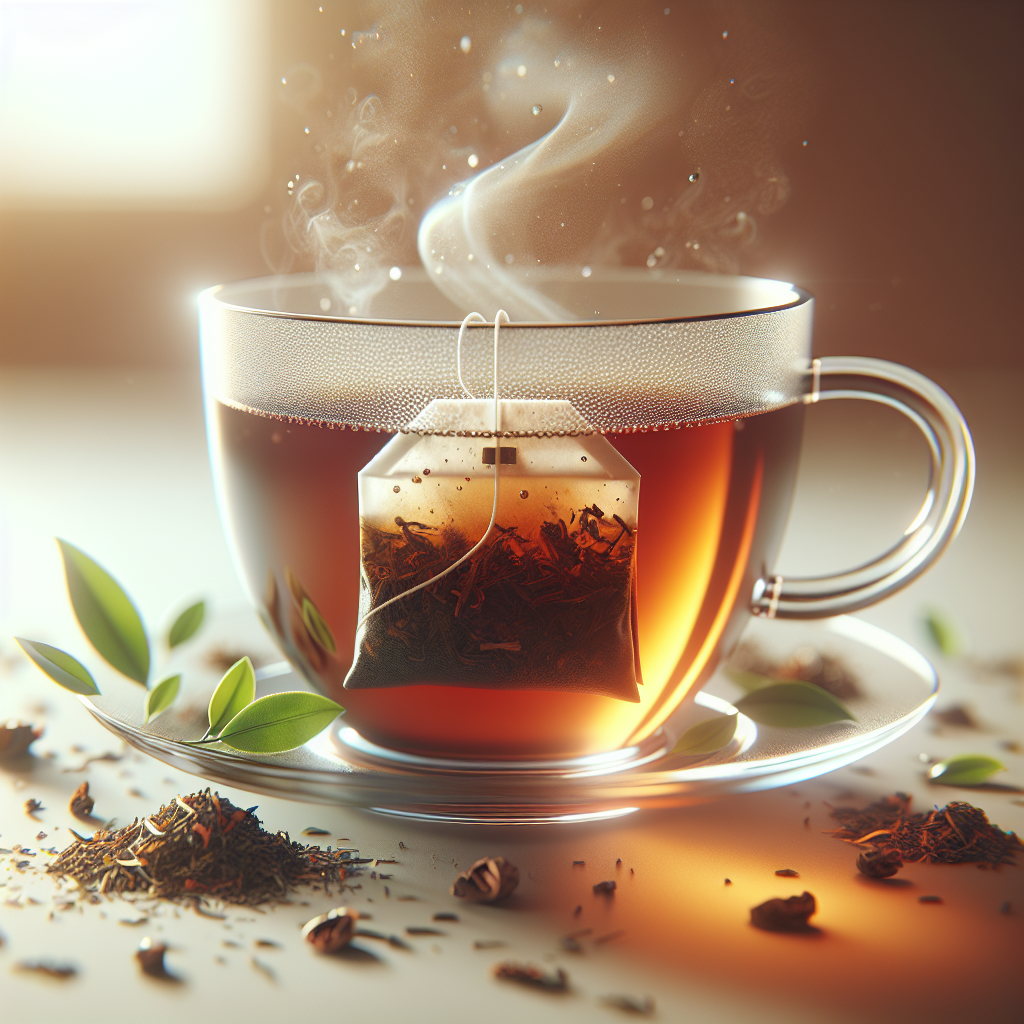
 The aesthetic factor adds to the experience. Watching the leaves unfurl and inhaling their perfume enhances mindfulness. In photography and design, jasmine green tea often symbolizes serenity and balance, making it a favorite subject for lifestyle brands.
Conclusion: Why Jasmine Green Tea Deserves a Place in Your Cup
In every aspect—from aroma to antioxidants—jasmine green tea is more than a drink; it’s a holistic habit. Its floral scent elevates mood, its catechins protect the body, and its history connects us with centuries of tradition. Whether you seek calm, beauty, or balance, jasmine green tea offers a simple, elegant path to wellbeing.
Frequently Asked Questions
What makes jasmine green tea different from regular green tea?
Regular green tea has a grassy, vegetal taste, whereas jasmine green tea is infused with the scent of jasmine blossoms, resulting in a floral aroma and smoother flavor. The scenting process also adds an aromatherapeutic effect. Both share similar antioxidants, but jasmine green tea often feels more relaxing due to the extra fragrance, which can reduce stress and enhance mindfulness during tea drinking rituals.
Can drinking jasmine green tea daily improve skin health?
Yes, jasmine green tea’s antioxidants help combat oxidative stress, supporting smoother and healthier skin over time. Polyphenols protect collagen, while hydration from regular tea drinking promotes an even tone. While it’s not a replacement for skincare routines, consistent intake works complementarily with healthy nutrition and sun protection. Jasmine’s floral compounds may also ease inflammation that contributes to dull skin.
How much caffeine does jasmine green tea contain?
On average, jasmine green tea contains 20–30 mg of caffeine per cup, depending on the brewing time and leaf quality. This amount offers a gentle energy boost without causing jitteriness. The presence of L-theanine modulates caffeine’s effect, supporting calm alertness rather than overstimulation, making it suitable for mindful work sessions or study time even for caffeine-sensitive individuals.
Does jasmine green tea help with stress and anxiety?
Yes, jasmine green tea promotes relaxation through both scent and chemistry. The fragrance triggers neurotransmitters associated with well-being, and L-theanine helps balance mood and attention. Many drinkers report improved calmness and focus after enjoying a cup. Using it during meditation or after a stressful day can become a soothing routine that anchors mental balance naturally.
Is it safe to drink jasmine green tea during pregnancy?
Moderate consumption of jasmine green tea is generally safe, but pregnant individuals should monitor caffeine intake. Limiting to one or two cups daily is often recommended. The floral aroma can help with nausea relief for some, but consulting a healthcare provider ensures safety. Choosing decaffeinated jasmine green tea may offer aromatic pleasure and hydration without caffeine-related concerns.
Can jasmine green tea aid in weight management?
Research indicates that jasmine green tea may boost metabolism and fat oxidation slightly due to catechins and mild caffeine. While not a miracle solution, integrating it into a balanced routine can help maintain a healthy weight over time. Its satisfying flavor can also curb sugary beverage cravings, providing a pleasant, low-calorie alternative that complements mindful eating habits.
How should jasmine green tea be stored at home?
To preserve flavor and aroma, store jasmine green tea in an airtight container away from sunlight, heat, and moisture. A cool, dark cupboard is ideal. Avoid placing it near spices or strong odors because it easily absorbs scents. Proper storage ensures your tea retains its floral fragrance for several months, delivering consistent quality with each brew.
Is cold jasmine green tea as beneficial as hot?
Cold-brewed jasmine green tea preserves catechins and offers a smoother taste. Nutritionally, both hot and cold versions provide antioxidants and hydration, but hot tea may release compounds more quickly. Cold jasmine green tea is refreshing and ideal for warmer climates. It delivers the same wellness essence, allowing flexibility for personal preference and seasonal enjoyment.


Leave a Reply