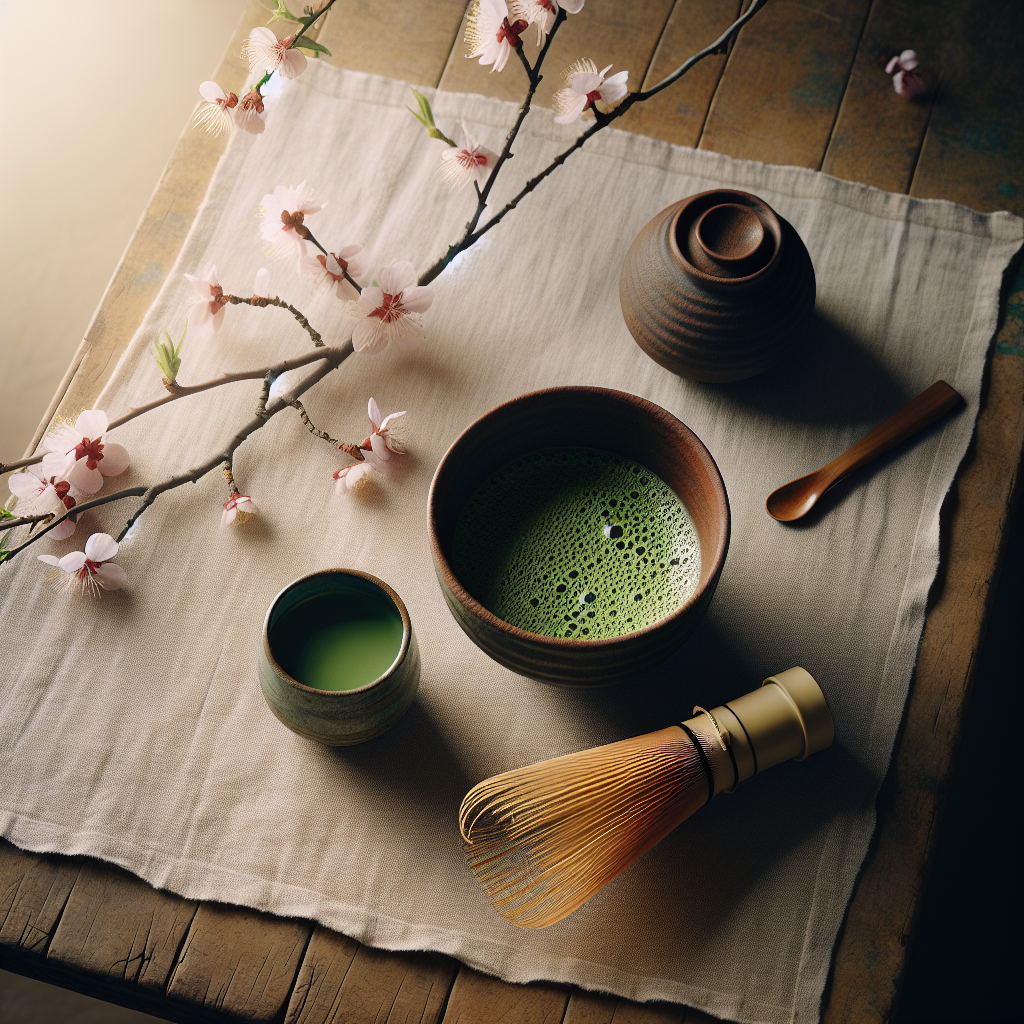
Among the world’s most treasured teas, japanese matcha tea stands apart. Its distinctive green hue, velvety texture, and deep cultural lineage make it more than a simple beverage—it’s an experience etched into Japanese tradition. The story of japanese matcha tea extends nearly a millennium, connecting meditative rituals, artistic ceremonies, and a philosophy that celebrates calm awareness in every sip. Today, its popularity has spread globally, turning an ancient monastic drink into a modern lifestyle choice that bridges mindfulness with taste.
In its most traditional form, japanese matcha tea is hand-crafted through patient cultivation, precise stone-grinding, and ceremonial preparation. What fascinates enthusiasts and nutritionists alike is that this luminous powder isn’t merely brewed; it’s consumed in full, making it richer in flavor and health benefits than most teas. From Kyoto’s misty tea gardens to elegant matcha cafés in New York and London, its reputation continues to grow. Understanding its origins, its subtleties of taste, and the reasons behind its widespread devotion reveals why japanese matcha tea deserves its celebrated place in both history and modern wellness culture.
Origins of Japanese Matcha Tea
The origins of japanese matcha tea trace back to ancient China’s Tang and Song dynasties, where powdered tea preparation first emerged. Buddhist monks carried these early tea-making techniques to Japan around the 12th century. In Japan, the practice evolved into a refined art form under Zen influence. The distinguished monk Eisai is often credited with introducing tea seeds and advocating the beverage’s medicinal and spiritual value. From there, cultivation methods took root in regions such as Uji, which remains Japan’s premier matcha-producing area today.
By the 16th century, matcha drinking evolved into **chadō**—the Japanese tea ceremony—embodying respect, harmony, purity, and tranquility. Unlike other teas, japanese matcha tea became directly associated with spiritual focus. Samurai warriors used it to center their minds before battle, while monks drank it to maintain alertness in meditation. This seamless blend of ritual, aesthetics, and functionality ensured that matcha remained an enduring part of Japanese identity.
How Historical Practices Shaped Modern Japanese Matcha Tea
Today’s japanese matcha tea continues to follow age-old traditions. Specialized shading techniques, introduced during the Muromachi period, enhance chlorophyll production in the leaves. Farmers cover tea bushes for several weeks before harvest to concentrate amino acids, producing that signature bright green color and umami depth. When the leaves are steamed, dried, and stone-ground, the result is a fine, vibrant powder that yields both potency and subtle sweetness.
This balance of flavor mirrors historical sensibilities—discipline, patience, and precision. The craft resonates among modern producers who still regard matcha not as a product, but as a living cultural expression. Japan carefully protects its matcha appellations, emphasizing that authentic japanese matcha tea must be cultivated and processed domestically to preserve its centuries-old heritage.
Flavor Profile and Experience
Describing the taste of japanese matcha tea involves layers of nuance. The first sip offers a full-bodied, vegetal rush balanced by a natural sweetness. Beneath that lies subtle bitterness and a lingering smoothness that feels both invigorating and grounded. Its umami quality—rare in most teas—delivers a savory edge highly prized among connoisseurs. Unlike steeped tea leaves, matcha’s powdered form allows drinkers to consume every component, creating incomparable intensity and texture.
Grades and Qualities of Japanese Matcha Tea
There are various grades of japanese matcha tea, each serving different purposes:
- Ceremonial grade: Finest quality, made from the youngest leaves, used for formal tea ceremonies.
- Premium grade: Slightly stronger flavor profile, ideal for everyday drinking and whisking.
- Culinary grade: Earthier, suitable for cooking, smoothies, and desserts.
The grade determines not just taste, but also mouthfeel and color vibrancy. Genuine ceremonial-grade japanese matcha tea glows with jade brilliance and froths easily into a creamy layer when whisked.
The Art of Whisking and Serving
Preparing japanese matcha tea is ritualistic. A bamboo whisk, or *chasen*, is used with hot—but never boiling—water. Circular motions blend the powder into a uniform brew without lumps. This whisking introduces air that creates the signature foam and enhances aroma release. Serving bowls (*chawan*) vary in style depending on season, reflecting Japanese aesthetics that honor impermanence and harmony. These traditions draw drinkers into mindfulness, where each movement and breath highlights respect for the moment.
Comparing Japanese Matcha Tea to Other Teas
Compared with black or green teas, japanese matcha tea offers a full-spectrum experience. Since the powdered leaves are ingested entirely, nutritional uptake is significantly higher. It contains catechins, chlorophyll, and amino acids like L-theanine in concentrated amounts. The taste contrasts sharply with Chinese powdered teas, which are often roasted and less vibrant. Matcha’s cultivation under shade creates its iconic complexity — grassy brightness with mellow undertones. Other teas are brewed, meaning their infusion discards most leaves’ antioxidant potential, a distinction that makes matcha highly unique.
Health Benefits and the Science Behind Japanese Matcha Tea
For wellness seekers, japanese matcha tea offers both instant and long-term benefits. Studies link it to improved focus, calm alertness, and reduced stress levels due to L-theanine, which moderates caffeine absorption. This synergy yields steady energy without crashes, allowing for mental clarity ideal for creative or meditative tasks.
Antioxidant density is another key factor. Matcha’s catechins support cellular protection and metabolism regulation. Its chlorophyll content aids detoxification, while polyphenols may support heart health. A serving of japanese matcha tea can contain up to ten times more antioxidants than regular green tea, elevating it from a beverage to a functional food in modern nutrition discussions.
Psychological and Cultural Health Dimensions
Health in Japanese culture extends beyond the physical. Drinking japanese matcha tea encourages a meditative mindset—a pause amid chaos. The deliberate preparation cultivates mindfulness similar to meditation practices, reinforcing mental rest and social connection. Being present in the act of sipping harmonizes internal balance, an essential aspect of wellness philosophy embedded in Japanese culture for centuries.
Scientific Evidence Supporting Japanese Matcha Tea
Clinical trials suggest regular matcha consumption can moderate cholesterol levels, enhance fat oxidation, and improve concentration. Its combination of caffeine and amino acids acts as a “clean energy” source for cognitive performance. For instance, one study from the National Institute of Health illustrated increased reaction time and relaxation among participants. Such studies reinforce the time-tested intuition that japanese matcha tea benefits both mind and body through balanced stimulation and calm awareness.
Japanese Matcha Tea in Modern Lifestyles
From corporate boardrooms to yoga studios, japanese matcha tea now replaces coffee for many seeking smoother energy and reduced anxiety. Beyond health trends, its artistic preparation has captivated baristas, chefs, and wellness experts worldwide. It’s integrated into ice creams, smoothies, pastries, and even craft cocktails, proof of matcha’s culinary versatility.
Innovative Uses and Global Appeal
International chefs leverage japanese matcha tea as both ingredient and aesthetic accent. Michelin-starred restaurants have incorporated powdered matcha dust into desserts for color and complexity. Modern cafés craft “matcha lattes,” merging ancient ritual with Western convenience. Influencers share homemade recipes across social platforms, inspiring people to try traditional whisking or simplified methods at home. Its stunning green tone, flavor punch, and perceived purity fuel continuing popularity.
Role of Japanese Matcha Tea in Mindful Living
Amidst digital saturation, many revive analog rituals like preparing japanese matcha tea to disconnect and refocus. Whether enjoyed in a peaceful kitchen corner or tranquil garden, its preparation encourages slowing down. The ceremony reminds people to appreciate craftsmanship, aroma, and silence. That moment of presence is why countless devotees speak emotionally of how japanese matcha tea reconnected them to small joys—the scent of freshly whisked foam or the gentle sound of water meeting powder.
Buying and Storing Japanese Matcha Tea
Purchasing quality japanese matcha tea requires awareness of origin, color, aroma, and freshness. Look for vacuum-sealed tins labeled “Uji,” “Nishio,” or “Yame,” which guarantee authentic Japanese production. The powder should appear bright, not dull, indicating minimal oxidation. Always check for stone-ground production details and harvest dates for maximum flavor integrity.
Storage and Longevity
Store your japanese matcha tea away from light, moisture, and heat. Once opened, refrigerate in an airtight container. Since exposure to air quickly dulls its character, consume within 60 days for optimal taste. Experienced tea collectors even divide large batches into smaller tins to maintain freshness.
Trusted Sources for Authentic Matcha
To ensure authenticity, buy from specialized Japanese suppliers or certified grocers. Online vendors often list cultivar and region. Reputable sources like the Tea How Journal provide detailed guides. Additionally, for deeper cultural insights, explore teastory.blog’s history section and its recipe collection to learn traditional preparation methods.
Why People Love Japanese Matcha Tea
The devotion surrounding japanese matcha tea isn’t accidental—it’s experiential. Enthusiasts describe their connection as emotional and intellectual. Each stage, from sifting powder to whisking froth, feels meditative. The earthy aroma and vivid color inspire serenity, while its taste balances bittersweet beauty. These sensory moments resonate with all who value authenticity and ritual in modern life.
Social Connections and Community
Workshops, matcha bars, and online groups form around appreciation of japanese matcha tea. Sharing techniques and cultural background fosters global connection. For many urban dwellers, drinking matcha signifies reclaiming slow living—something rare yet deeply needed. Events that combine art, ceremony, and mindful hospitality ensure that traditions survive even as lifestyles evolve rapidly.
Emotional Appeal of Japanese Matcha Tea
Beyond taste, japanese matcha tea represents a celebration of balance—between energy and calm, modernity and tradition. The deep green hue evokes renewal, while its rich aroma creates comfort. This duality makes it both an energizing morning ritual and a peaceful evening recentering tool. It transforms a beverage into a daily meditation, capturing hearts across continents.
Frequently Asked Questions
What makes japanese matcha tea different from regular green tea?
Unlike ordinary green tea, japanese matcha tea uses entire ground leaves instead of steeped infusion, meaning consumers ingest the full nutritional value. Its cultivation in shade boosts chlorophyll and L-theanine, creating a vivid color and smoother energy curve. The method of preparation—whisking, not brewing—enhances its frothy texture and umami finish, embodying centuries of craftsmanship. The difference is not simply technical; it’s sensory and philosophical, merging ritual, mindfulness, and superior nutrient density.
Is japanese matcha tea healthier than coffee?
Many find japanese matcha tea gentler on the body than coffee. While both contain caffeine, matcha’s L-theanine slows absorption, avoiding spikes and crashes. It delivers focused alertness and calm energy rather than quick stimulation. Matcha’s antioxidants also provide liver and heart support. Over time, regular consumption may reduce stress indicators and improve cognitive endurance, offering sustained clarity instead of dependency-driven alertness. It’s an invigorating yet serene alternative to the harsh buzz associated with coffee.
How can I prepare japanese matcha tea at home?
To make authentic japanese matcha tea, sift one teaspoon of powder into a bowl to avoid lumps. Add about 70 milliliters of hot water (80°C), then whisk swiftly with a bamboo whisk until frothy. Drink immediately. Beginners can use an electric frother if needed, but the traditional method enhances flavor and mindfulness. Use soft, filtered water for best results. Over time, perfecting the ritual becomes rewarding, making every preparation a small ceremony in itself.
Why does japanese matcha tea have a unique flavor?
The uniqueness stems from shaded cultivation. Restricting sunlight increases amino acids and sweetness while reducing bitterness. This technique amplifies umami—a savory note rarely found in teas. During grinding, natural oils remain intact, adding creaminess. As a result, japanese matcha tea tastes vegetal yet smooth, slightly grassy yet sweet, with impressive depth. The powder’s freshness also influences flavor; recently ground batches deliver more vibrant experience compared to older stock.
What are good foods to pair with japanese matcha tea?
Japanese sweets (*wagashi*), light pastries, or savory rice snacks complement japanese matcha tea beautifully. The tea’s balanced bitterness offsets sweet delicacies, while its texture enhances creamy desserts like panna cotta or cheesecake. Western cafés now feature matcha macarons and tiramisu variants. For health enthusiasts, pairing matcha with fruits or oats adds a natural antioxidant boost. The pairing principle mirrors harmony—contrasting flavors enhance each other without overpowering delicacy of the matcha taste.
How should I store my japanese matcha tea powder?
Light, heat, and air quickly degrade matcha. Store japanese matcha tea in an opaque, airtight tin refrigerated after opening. Keep a spoon dedicated for scooping to avoid contamination. Avoid glass jars unless they are UV-protected. For optimal flavor, use within two months. If you purchase in bulk, divide into small sealed portions. Proper storage ensures fresher taste, vivid color, and retained aroma, preserving the soul of authentic Japanese craftsmanship in every sip.
Can children drink japanese matcha tea?
In controlled amounts, japanese matcha tea can be enjoyed by older children, but moderation is key due to caffeine content. Parents in Japan sometimes serve diluted versions during cultural lessons, introducing the values of patience and gratitude embodied in the tea ceremony. For younger ages, occasional tasting under adult supervision is safe. Alternatively, caffeine-free matcha-flavored treats offer the aroma and experience without stimulating effects. Always consult pediatric guidance if regular intake is considered.
Does japanese matcha tea provide sustainable farming opportunities?
Yes. Cultivating japanese matcha tea often involves small family farms maintaining biodiverse environments. Traditional shade growing supports soil health and minimizes chemical use. Modern consumers’ growing demand fosters fair partnerships between rural producers and global distributors. By purchasing authentic brands, buyers sustain heritage agriculture that balances environmental respect with socioeconomic continuity. Thus, every cup of japanese matcha tea can be part of a larger commitment to eco-conscious, culturally respectful living.


Leave a Reply