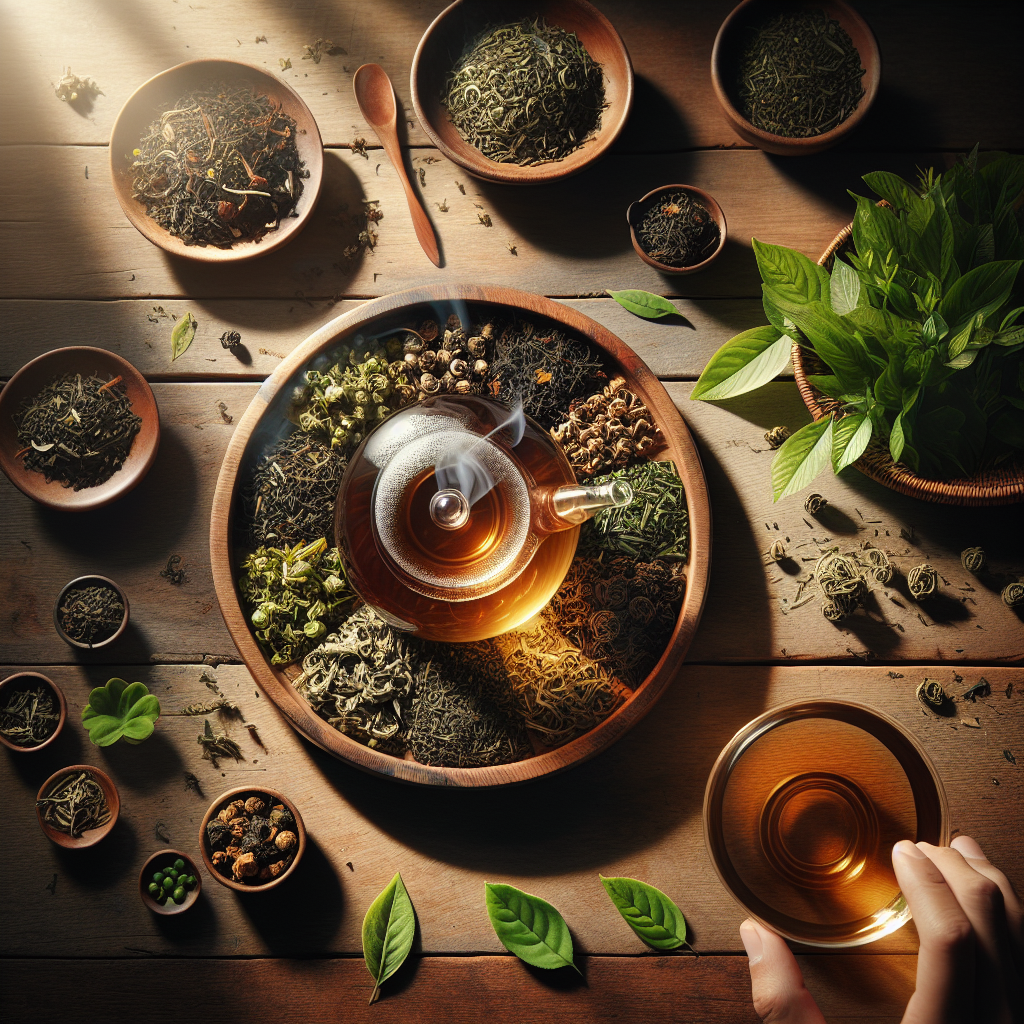
There’s something special about a quiet moment shared with a warm cup of single tea. Beyond its aroma and taste, this simple beverage offers a reflection of craftsmanship, culture, and health awareness. Whether you are a seasoned drinker or just beginning to explore, understanding single tea can deepen appreciation for every sip. In this article, we will take a thoughtful look at how single tea differs from blended teas, what benefits it brings to your daily routine, and the variety of single-origin types available worldwide.
To enjoy tea in its purest form, exploring single tea allows you to trace each leaf’s origin, soil type, altitude, and unique story. This approach appeals to those who value authenticity and natural taste balance. Tea enthusiasts often compare this to single-origin coffee: sourced from a specific region or even one estate, single tea emphasizes terroir and craftsmanship more than mass blends ever can. From the delicate notes of a spring-picked green to the smoky body of a mountain-grown black, every variation speaks for itself.
Understanding Single Tea
Single tea refers to tea crafted exclusively from a single region, garden, or cultivar. Unlike blends that mix leaves from various origins, single-origin tea captures the essence of one environment, highlighting distinctive flavors influenced by soil minerals, humidity, and altitude. Enthusiasts consider single tea not just a drink but an experience of place. It’s an unfiltered conversation between nature and the cup.
How Single Tea Differs from Blends
In blended teas, multiple origins are combined to achieve a consistent flavor year-round. Brands design these mixes for predictability. However, single tea evolves with each harvest. A spring batch might taste floral and crisp, while a summer one may show a richer mouthfeel. This variation attracts connoisseurs who seek authenticity and connection through sensory discovery.
For instance, a Darjeeling single tea may carry muscatel sweetness, while a Japanese Sencha single tea expresses fresh sea breeze aromas. Blends offer familiarity; single tea offers discovery. Appreciating this difference shapes how we choose and enjoy our daily brew.
Varieties and Expressions of Single Tea
Every region’s single tea tells a different story. China’s Longjing green tea presents toasted nut notes, while India’s Assam boasts strong, malty depth. Sri Lanka’s Ceylon teas often dance between brightness and body. Japan’s Gyokuro single tea, grown under shade, concentrates sweetness through amino acids. These subtle contrasts reveal how geography influences taste.
- Green Single Tea – Quick steaming or pan-firing preserves antioxidants and grassy freshness.
- Oolong Single Tea – Semi-oxidized and often limited to small estates showcasing fruity or floral tones.
- Black Single Tea – Fully oxidized, known for deep amber color and brisk aroma.
- White Single Tea – Simply sun-dried, offering a delicate sweetness and subtle complexity.
Health Benefits of Single Tea
Single tea offers holistic wellness benefits beyond refreshment. Free from synthetic flavoring or added blends, its nutrients remain intact, often reflecting the growing environment. Regular consumption may aid digestion, enhance metabolism, and support mental clarity. These potential gains make single tea a mindful choice for well-being enthusiasts.
Rich in Antioxidants
Because single tea retains natural polyphenols, it can combat cell oxidation. These compounds help protect the body from oxidative stress, contributing to a youthful glow and improved internal balance. For a daily antioxidant boost, many drinkers start mornings with a cup of single-origin green or oolong tea.
Mindfulness and Relaxation
Preparing single tea invites mindfulness. Observing leaves unfurl and breathing in its natural aroma establishes calm. This aligns with tea ceremonies’ spiritual roots, emphasizing presence and gratitude. On quiet afternoons, a personal single tea ritual can work as gentle meditation.
Support for Digestion
The catechins and mild caffeine in single tea stimulate digestion. Sipping after meals can ease heaviness and promote nutrient absorption. Those pursuing balanced lifestyles often replace sugary beverages with single tea for hydration and digestive comfort.
Heart and Metabolic Wellness
Studies suggest that natural compounds in single tea might help maintain cholesterol levels and boost fat metabolism. Especially for individuals combining balanced diets with movement, drinking two cups daily supports cardiovascular health. It’s not a magic cure but a sustainable ritual aiding overall vitality.
Best Practices for Brewing Single Tea
To unlock the intricate flavors of single tea, proper brewing techniques matter. Because it’s not blended to mask inconsistencies, water temperature, timing, and leaf quantity influence how the tea reveals itself. Investing care in brewing honors the leaf’s journey from harvest to cup.
Water Quality and Temperature
Use filtered water free from chlorine or mineral overload. Each single tea variety has an ideal temperature: greens thrive between 70–80°C, oolongs around 85–90°C, and blacks near boiling. Overheating can burn delicate leaves, while cooler water might mute aroma.
Leaf-to-Water Ratio
A standard rule is one teaspoon of single tea per cup, though this can vary. Lighter teas may need more leaves, and dense rolled teas slightly less. Adjusting allows you to personalize taste intensity.
Steeping Time Tips for Perfect Single Tea
Steeping too long can create bitterness; too short can dilute complexity. Generally, green single tea needs 1–2 minutes, oolong 2–4 minutes, and black 3–5. Reusing leaves adds depth—subsequent infusions expose distinct flavor layers, a trademark of premium single tea.
Origins and Terroir Influence
Terroir—climate, elevation, soil, and weather—defines single tea identity. Just as grapes in winemaking reflect location, tea leaves express geography. Regions like Fujian, Darjeeling, and Uji are renowned for distinctive single teas, appreciated globally by collectors and cafés for their signature aromas.
Example: Chinese Mountains and Japanese Plains
Chinese Longjing single tea gains toasty complexity from pan-firing methods perfected in Hangzhou’s humid air. Meanwhile, Japanese Sencha achieves savory freshness through rapid steaming and fertile volcanic soils. Both highlight how traditional techniques amplify natural terrain expression.
Emerging Trends in Single Tea Sourcing
More small estates are marketing directly to consumers, sharing transparent sourcing stories. This transparency helps tea lovers trace each single tea batch to its garden. Eco-minded buyers increasingly value traceability over mass-market branding, fostering sustainable cultivation and fair relationships between farmers and drinkers.
Pairing Food with Single Tea
Culinary pairings magnify single tea enjoyment. When chosen carefully, tea enhances food flavors while balancing palate sensations. From light pastries to spicy cuisines, each single tea type complements different textures and tastes.
- Green Single Tea – Excellent with sushi, steamed vegetables, or citrus desserts.
- Black Single Tea – Pairs beautifully with chocolate, cheese, and roasts.
- Oolong Single Tea – Best with dim sum, seafood, or caramel treats.
- White Single Tea – Matches delicate flavors such as melon, almonds, or goat cheese.
Storage and Preservation Tips
Preserving single tea requires mindful care. Because it absorbs moisture and odors easily, proper storage keeps its purity intact. Always protect it from sunlight, heat, and humidity.
Ideal Conditions
Store single tea in tins or dark glass jars with airtight lids. Avoid plastic containers that may transfer unwanted scents. Keep jars in a cool cupboard—refrigeration isn’t necessary unless climate conditions are extreme. Rotation within six months ensures the freshest experience.
Signs of Stale Tea
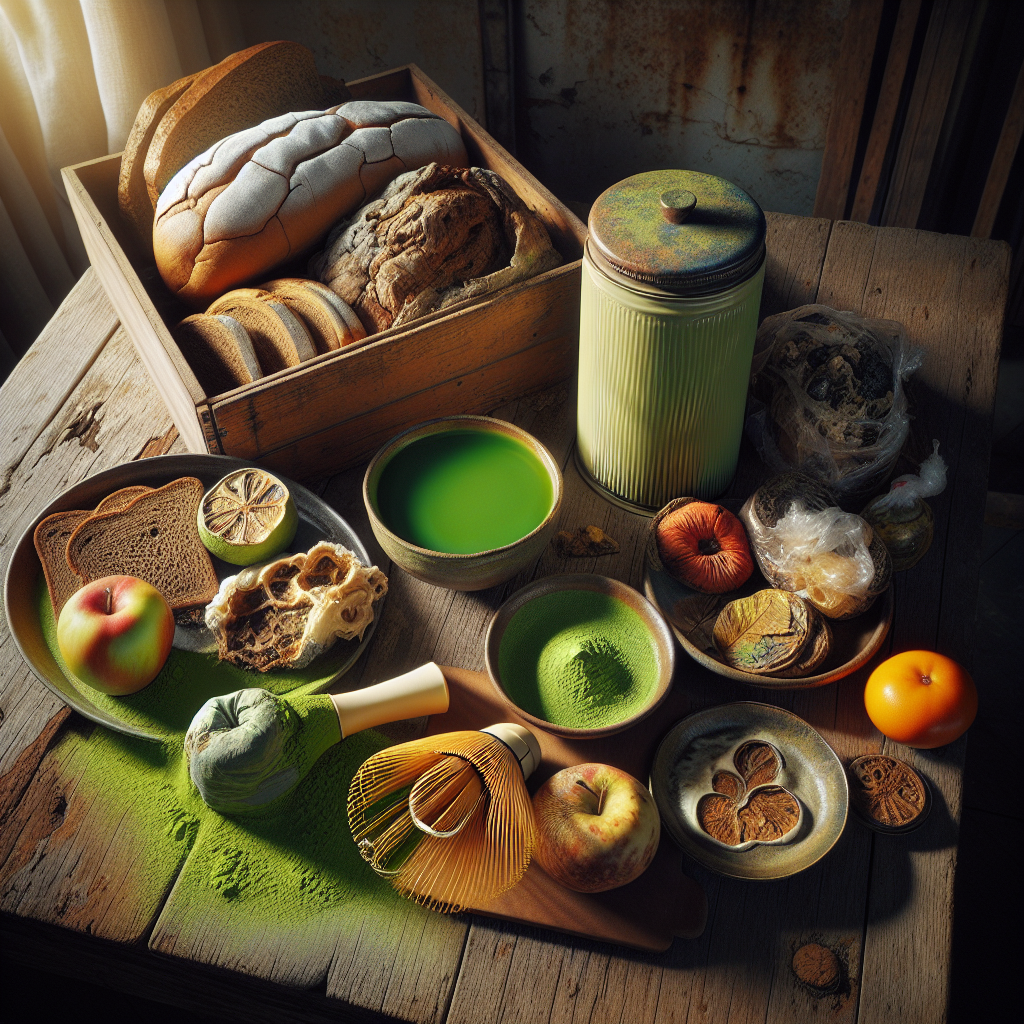
If your single tea loses aroma, darkens irregularly, or tastes flat, it may be stale. Though safe, it lacks vibrancy. Fresh tea emits crisp, clarifying fragrance upon opening, symbolizing energetic life force within every leaf.
Image Example

Buying Authentic Single Tea
Finding quality single tea involves more than price tags. Factors such as certification, vendor credibility, and harvest details matter. Trustworthy suppliers highlight estate names, batch numbers, and harvest seasons—information usually absent in mass blends.
Where to Shop
Look for specialty tea houses or verified online stores. Many estates partner with certified vendors who disclose origin transparently. Two informative resources worth visiting include Tea Association of the USA and National Tea Board—they offer guidance about standards and ethical production. Internal readers may also enjoy exploring tea history or learning creative brews at tea recipe articles on teastory.blog for extended knowledge.
Environmental Impact and Sustainability
Single tea farming connects deeply to the environment. Responsible growers often adopt organic or biodynamic methods that sustain soil fertility and biodiversity. These practices not only preserve flavor quality but also support farmer well-being. Choosing sustainably sourced single tea reflects ethical appreciation for nature’s harmony.
Fair Trade and Smallholder Support
Direct trade models are helping smaller farms survive in competitive markets. By buying directly from growers, consumers reward craftsmanship while minimizing exploitation. In this sense, sipping single tea becomes an act of conscious participation in global fairness and sustainability.
Single Tea in Modern Culture
From tea bars to digital shops, single tea has regained attention among younger generations seeking authentic flavors. It fits naturally into wellness lifestyles and slow-living movements emphasizing quality over quantity. In many cafés, menus proudly list tea gardens alongside origin stories—mirroring how coffee culture highlights farms.
Art and Design Influence
Packaging aesthetics often draw from serene, minimalist forms reflecting purity. Artists collaborate with tea makers to design containers echoing geography or season. The result: collectible tins that merge artistry and sustainability, extending the resonance of single tea culture into visual appreciation.
Economic Value and Global Trade
On economic grounds, single tea holds growing significance. Premium markets value small-batch authenticity, allowing farms to command higher prices than blended bulk exports. Nations like India, China, Japan, and Kenya benefit from rising niche demand for artisan teas that promote regional identity.
Export Examples
Darjeeling’s certified single tea fetches international recognition, contributing substantially to India’s tea revenue. Similarly, Taiwan’s oolong industry thrives on single-estate branding, emphasizing altitude labeling to justify quality premiums. This global trade transparency continues to empower rural tea communities.
Conclusion: Embracing the World of Single Tea
Choosing single tea means embracing authenticity, sustainability, and sensory discovery. Each cup tells a story that connects soil, climate, farmer, and drinker. Beyond health benefits, the experience enriches lifestyle by inspiring calm and mindful appreciation. Whether you prefer grassy brightness or earthy complexity, your exploration of single tea will deepen your understanding of nature’s subtleties while contributing to a fairer global tea economy.
Frequently Asked Questions
What exactly is single tea and how is it produced?
Single tea is made from leaves sourced from one geographic area or a single tea estate. The process involves careful cultivation, picking, and minimal blending to preserve the plant’s regional character. Farmers often hand-pick only the top buds and tender leaves before they undergo specific oxidation or drying methods aligned with tradition. This keeps the flavor profile true to origin, allowing drinkers to savor pure terroir notes without dilution. It is the opposite of mass-market tea blends that mix sources for uniformity. Enthusiasts value it for authenticity and traceable quality.
Why is single tea considered healthier than blended types?
Single tea tends to retain its natural composition because there are no added flavor enhancers or preservatives. It offers unaltered levels of catechins, amino acids, and subtle caffeine for mild stimulation. Additionally, its antioxidants promote wellness by neutralizing free radicals, supporting skin vitality, and contributing to heart and digestive health. Regular drinkers believe single tea harmonizes the body through gentler energy release than coffee or strong blends. However, its benefits depend on leaf freshness, brewing technique, and quality of origin rather than marketing claims.
Which regions produce the highest-quality single tea?
Some of the most acclaimed single tea regions include India’s Darjeeling for its muscatel black teas, China’s Fujian for delicate greens and oolongs, Japan’s Uji for ceremonial-grade matcha, and Taiwan for complex oolong profiles. Each region showcases distinctive microclimates and soil conditions influencing cup character. Elevated altitudes often yield fragrant and nuanced leaves, particularly in Himalayan estates. When selecting single tea, examining the estate’s reputation, altitude, and harvest period helps ensure authenticity and quality consistency from origin to palate.
How should I store my single tea to maintain freshness?
To keep your single tea aromatic and flavorful, store it in an airtight tin away from light, moisture, and strong odors. Heat accelerates flavor degradation, so choose a cool dark cupboard instead of refrigeration. Never use paper or plastic bags that may absorb oils or scents. Label harvest dates and consume within six months for best enjoyment. When cared for properly, single tea maintains its lively essence and avoids turning stale or flat. The storage ritual mirrors the discipline and respect inherent in tea culture worldwide.
Can single tea be re-steeped for multiple infusions?
Yes, high-quality single tea leaves can be infused several times, each steep releasing different layers of flavor and aroma. The key is to slightly increase steeping time with each round while maintaining water temperature within the recommended range. Premium Chinese oolongs and some green teas provide three or more enjoyable brews. This re-steeping tradition not only maximizes value but also deepens sensory engagement, letting drinkers observe how the leaf gradually opens and transforms. Reuse is a hallmark of authentic single tea culture, balancing mindfulness with sustainability.
Is there a difference between single tea and single-origin tea?
In most contexts, “single tea” and “single-origin tea” are interchangeable, yet subtle differences exist in marketing language. The term single tea emphasizes purity and unblended sourcing, while single-origin tea explicitly points to geographic provenance. Some producers use “single garden” or “single estate” to reinforce traceability. Regardless of terminology, the philosophy remains identical—celebrating locality, craftsmanship, and environmental expression within each cup. For consumers, understanding these nuances enriches shopping experiences and reinforces appreciation of authenticity behind your favorite single tea purchase.
How can beginners start exploring single tea?
If new to single tea, begin with accessible varieties like Chinese Longjing green, Japanese Sencha, or Indian Darjeeling first flush. Purchase small sample packs to compare aroma, taste, and body. Keep a simple tasting journal noting water temperature and steeping time. Visit specialty shops offering brewing demonstrations, or consult educational platforms from industry associations for detailed guidance. Gradually you’ll discern your flavor preferences and appreciation for leaf craftsmanship. The exploration itself becomes meditative and educational—each pot of single tea encouraging patience, mindfulness, and lasting enjoyment.

Leave a Reply