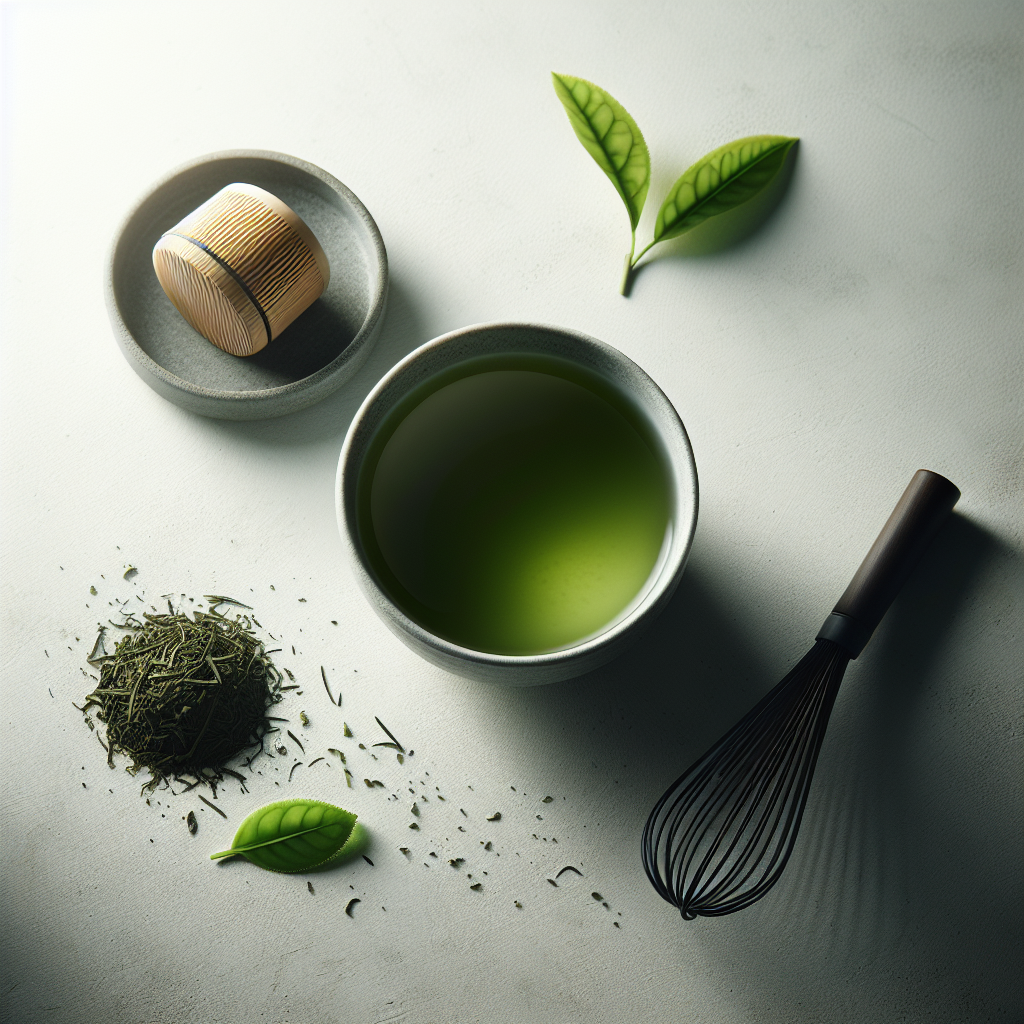
Across centuries and continents, tea has captivated drinkers with its range of aromas, flavors, and rituals. Among all varieties, delicious green tea stands out as a daily comfort and source of vitality. Whether sipped in the calm of morning or shared among friends, it’s more than just a beverage—it’s a tradition shaped by health benefits, history, and culture. More people today are discovering that delicious green tea delivers both refreshing taste and well-documented wellness advantages, from its antioxidant strength to its mindful brewing practices. Let’s explore the proven benefits, curious facts, and modern insights surrounding this remarkable drink.
Delicious green tea comes from the same Camellia sinensis plant as black and oolong teas, yet its delicate handling creates distinctive notes and nutrients. Appreciated for its gentle sweetness, this tea is often the centerpiece of wellness routines, pairing perfectly with nutritious meals or moments of calm. Scientists, tea sommeliers, and lifestyle experts all agree: understanding the subtleties of delicious green tea deepens appreciation for what’s in your cup and how it contributes to a balanced life.
Origins and Cultural Significance of Delicious Green Tea
Before we consider its health properties, it helps to trace how delicious green tea became so revered. Asian civilizations, particularly in China and Japan, valued it as both daily sustenance and a spiritual symbol. From Tang dynasty scholars refining tea arts to Zen monks cultivating mindfulness, each era added wisdom and ritual around its practice. The artistry of whisking, pouring, and tasting reflects centuries of observation and respect for nature’s balance.
Early Production and Global Expansion
The cultivation of delicious green tea began thousands of years ago in the lush mountain valleys of China’s provinces. Originally prepared as compressed leaves or powdered paste, it evolved through regional innovation. Japanese growers later refined steaming techniques that lock in fresh flavors and vivid hues. Over time, global trade routes spread its aroma across Europe and North America, inspiring diverse brewing traditions and creative pairings. The global journey of delicious green tea left its imprint on wellness culture worldwide.
Modern Rituals and Appreciation
Today, delicious green tea connects generations and lifestyles. Millennials steep ceremonial matcha before meditation; business professionals take mindful tea breaks during long workdays. From Tokyo cafés to London tea rooms, the ritual remains simple yet profound. It’s a small act of balance amid daily bustle, reminding drinkers of nature’s quiet generosity. As more people integrate delicious green tea into modern living, it becomes an anchor between heritage and contemporary wellness culture.
The Science Behind the Benefits of Delicious Green Tea
Science consistently validates what traditional healers recognized long ago—that delicious green tea contributes to physical vitality and mental clarity. Researchers attribute its power to a potent blend of antioxidants, catechins, and amino acids. Together, these compounds influence everything from heart health to cognitive function, promoting harmony within the body’s systems.
Key Nutrients and Active Compounds
The most famous constituent of delicious green tea is epigallocatechin gallate (EGCG), a catechin with strong antioxidant properties. EGCG supports cellular health by reducing oxidative stress and free radicals. Combined with other bioactive molecules like L-theanine and caffeine, the synergy results in gentle stimulation without the jitteriness associated with coffee. Regular consumption of delicious green tea can enhance energy while improving focus and calmness simultaneously.
How Delicious Green Tea Supports Longevity
Longitudinal studies associate daily delicious green tea intake with reduced risk of chronic illnesses. Regions where it’s a cultural norm, such as Okinawa and parts of rural China, consistently report longer life expectancy. The tea’s polyphenols appear to assist cardiovascular resilience by moderating cholesterol and supporting vascular flexibility. It also promotes healthy metabolic activity, potentially lowering the risk of diabetes and obesity. For those embracing preventive care, delicious green tea represents an easy, natural, and effective ally.
Digestive and Detoxifying Advantages
Many nutritionists recommend delicious green tea as part of a detox plan. Its subtle astringency aids digestion, while bioactive compounds stimulate liver function. Unlike harsh cleanses, this tea cleanses gently through hydration and metabolic efficiency rather than depletion.
Improving Gut Health Naturally
Polyphenols found in delicious green tea act as prebiotics, nurturing beneficial gut bacteria. A balanced microbiome translates into better nutrient absorption and decreased bloating. People sensitive to heavy meals find relief after sipping a warm cup. Over time, their gut flora realigns toward healthier function, minimizing inflammation and strengthening immunity. This intrinsic balancing effect explains why so many traditional diets pair meals with tea instead of sugar-laden drinks.
Practical Ways to Include Delicious Green Tea in Meals
Creative cooks infuse delicious green tea into soups, desserts, and smoothies. A chilled matcha latte complements plant-based breakfasts, while jasmine-infused rice elevates lunch. Culinary integration allows steady intake without monotony. Even marinating fish or tofu in steeped tea enhances umami and aroma. By combining flexibility with function, delicious green tea adapts easily to modern diets.
Weight Management and Metabolism Support
Fitness experts often call delicious green tea a metabolic companion. While not a magic cure, consistent consumption amplifies exercise performance by supporting fat oxidation. Its bioscience is logic-driven: thermogenic compounds mildly raise body temperature, naturally assisting calorie utilization.
Timing Matters for Maximum Benefit
For individuals managing weight, drinking delicious green tea about half an hour before physical activity optimizes energy use. Morning intake jumpstarts alertness; afternoon cups replace sugary alternatives that spike and crash. Nighttime blends with roasted brown rice (genmaicha) reduce caffeine impact yet continue metabolic support, sustaining gentle recovery. These strategic choices help build sustainable routines around delicious green tea rather than abrupt diets.
Comparing Delicious Green Tea with Other Popular Beverages
Compared to sugary soft drinks or high-caffeine stimulants, delicious green tea delivers refreshment with fewer calories and more nutrients. Its flavor complexity bridges the warmth of coffee and the subtlety of herbal infusions. Athletes appreciate post-workout rehydration, while office workers value its low-acid smoothness. This balance, both physiological and sensory, explains why delicious green tea consistently holds a timeless appeal among discerning drinkers across professions and cultures.
Mental Clarity and Emotional Wellness
Another widely celebrated advantage of delicious green tea is its role in cognitive and emotional balance. Because it blends caffeine’s alertness with L-theanine’s calm, it cultivates a focused mindset ideal for study, work, or meditation.
The Mind–Body Connection Enhanced by Delicious Green Tea
Modern neuroscience notes how delicious green tea influences brainwave patterns toward the alpha range—an alert yet relaxed state. This pattern correlates with creativity and learning. Many knowledge workers sip their tea before deep focus sessions. It steadies mood without the crash common with other stimulants. Such balance nurtures consistent productivity and emotional steadiness, hallmarks of sustainable performance.
Reducing Stress and Supporting Rest
Drinking delicious green tea in the evening can signal the brain to shift from work to rest. Decaffeinated varieties maintain flavor and nutrients while minimizing stimulation. The gentle ritual, accompanied by slow breathing or soft music, becomes a cue for decompression. It’s a micro-practice reinforcing mental wellness in a fast-paced world. Over weeks of repetition, this mindful pairing of aroma and stillness cultivates genuine calm.
How to Choose and Brew Delicious Green Tea
Quality makes all the difference. To experience full aroma and benefit, sourcing and preparation matter significantly. With countless varieties available—sencha, matcha, dragon well, or gyokuro—understanding their traits ensures that each cup is not only healthy but genuinely enjoyable.
Recognizing Quality Leaf Characteristics
Premium delicious green tea exhibits vibrancy in color and vegetal aroma, free from dull or stale notes. Leaves should feel springy when touched and appear consistent in size. Avoid overly broken pieces or powder unless buying intentional matcha. Purchasing from reputable growers, including those who follow organic or fair-trade standards, ensures safety and taste integrity. Reliable sources remain transparent about harvesting time and processing methods.
Perfecting the Brewing Technique for Delicious Green Tea
Water temperature determines flavor success. Too hot, and bitterness overshadows natural sweetness. Ideally, steep at around 75–80°C for one to three minutes, depending on variety. Use filtered water and glass or ceramic teapots to preserve purity. A short steep highlights subtle grassy notes, while longer infusions produce deeper body. Experiment until sensory harmony is found—that’s where the soul of delicious green tea truly reveals itself.
Environmental and Ethical Considerations
Drinking delicious green tea also means participating in agricultural ecosystems. Sustainable farms emphasize biodiversity and fair labor practices. Supporting such producers directly influences soil health and community growth. Ethical sourcing respects both planet and people who bring this tea to your table.
Organic Farming and Climate Responsibility
Organic cultivation of delicious green tea avoids chemical pesticides, reducing waterway toxicity and preserving pollinators. Climate-focused farmers use shading and natural compost to sustain soil fertility. Consumers can help by checking certifications and origin labels. Choosing consciously encourages better agricultural futures while ensuring every sip reflects environmental integrity.
Fair Trade and Community Impact
Small family farms often rely on steady buyers for stability. By purchasing fair trade delicious green tea, consumers support education, medical access, and infrastructure improvements within tea-growing communities. It transforms commerce into collaboration, making each purchase a gesture of solidarity as much as self-care.
Fun Facts and Cultural Curiosities About Delicious Green Tea
Beyond science and ethics, delightful trivia enriches appreciation too. Did you know the world’s oldest tea tree, over 3,000 years old, still grows in Yunnan? Or that samurai once performed specific rituals before battle using matcha? Every fact connects a thread of human experience to this ancient infusion.
Art, Literature, and Delicious Green Tea
Poets across Asia referenced delicious green tea as both muse and metaphor. Its steam represented ephemerality; its color, renewal. In Japanese haiku, the sound of pouring water symbolized mindfulness. Modern artists continue reinterpreting this imagery through minimalist photographs and installation art, blending heritage and innovation. Visit Tea Facts Organization or Tea Association USA for in-depth cultural resources. For historical timelines, explore internal posts like Tea History or discover creative culinary twists via Tea Recipe.
Festivals and Global Celebrations
Annual festivals in Kyoto, Hangzhou, and Seoul celebrate the continued heritage of delicious green tea. Traditional dances, farmer exchanges, and brewing workshops attract thousands. The shared enthusiasm creates a global network of admirers, proving how one humble leaf bridges language and culture.
Conclusion: The Everlasting Allure of Delicious Green Tea
In a world filled with instant choices, the simple act of preparing delicious green tea reminds us to slow down. It’s simultaneously ancient and modern, practical yet poetic. From heart health to mindful living, its contributions span body and spirit. Every steeped leaf embodies centuries of wisdom and nature’s generosity. Whether your intention is wellness, productivity, or peace, this timeless infusion quietly supports a life in balance.
Frequently Asked Questions
Is drinking delicious green tea every day safe?
Yes, moderate daily intake is considered safe for most adults. Typically, two to four cups of delicious green tea supply antioxidants without excessive caffeine. Sensitive people may opt for lower-caffeine or decaffeinated blends. Drinking consistently supports metabolic health and hydration. However, always monitor body response and consult your healthcare provider if on medication, as compounds in delicious green tea can influence absorption of some drugs or iron levels.
Does delicious green tea help with weight loss?
Scientific findings indicate that L-theanine and catechins in delicious green tea may gently boost metabolism and fat oxidation. While it’s not a rapid fixer, consistent use alongside balanced diet and physical activity can support sustainable weight goals. Replacing sugary beverages with this tea lowers calorie intake significantly. Thus, the indirect yet meaningful impact of delicious green tea contributes to gradual, natural weight management over time.
How should I store delicious green tea to keep it fresh?
Exposure to light, moisture, and air quickly dulls the fragrance and nutrition of delicious green tea. Store it in opaque, airtight containers at room temperature away from strong odors. For long-term storage, refrigeration in sealed tins helps preserve color and flavor, though condensation must be avoided. Properly stored, delicious green tea maintains quality up to six months, offering consistent aroma and taste with each brew.
Can children or elderly people drink delicious green tea?
Both children and seniors may enjoy mild forms of delicious green tea when caffeine levels are carefully managed. Lightly brewed or decaffeinated varieties provide antioxidants and hydration benefits safely. Avoid serving very hot or concentrated versions to sensitive stomachs. As always, moderation ensures the comfort and wellness of each age group. Many families now include gentle delicious green tea rituals as cross-generational wellness habits.
What differences exist between delicious green tea and matcha?
Matcha is a powdered style of delicious green tea made from shade-grown leaves ground into fine powder, resulting in higher concentration of nutrients and caffeine. Regular brews infuse leaves, while matcha involves consuming the entire leaf particles. Both share similar antioxidants but differ in texture, preparation, and strength. Lovers of delicate flavor might prefer standard delicious green tea, whereas energy seekers often choose ceremonial-grade matcha.
Does delicious green tea contain caffeine and will it affect my sleep?
Yes, delicious green tea naturally contains mild caffeine—typically one-third of that in coffee. When consumed early in the day or mid-afternoon, it enhances clarity and alertness. Sensitive individuals should avoid late-night cups, choosing roasted or decaf alternatives instead. Interestingly, the presence of L-theanine balances stimulation, reducing anxiety and promoting relaxation even in caffeinated forms. Understanding timing and tolerance ensures restful sleep and optimal benefits.
What are the best times and methods to drink delicious green tea for maximum results?
The ideal times are mid-morning or about 30 minutes before meals, supporting metabolism and digestion. For energizing, choose breakfast blends containing sencha or gyokuro. In the evening, lighter varieties like hojicha maintain flavor without disrupting rest. Always steep properly—hot water slightly below boiling and shorter steeping minimize bitterness. Following such routines helps derive maximum wellness and enjoyment from each cup of delicious green tea, fostering a mindful daily rhythm.
Can delicious green tea improve skin health?
Absolutely. Antioxidants within delicious green tea combat free radicals that contribute to premature aging. Regular consumption and topical use (seen in skincare products) may enhance elasticity and clarity. Polyphenols help reduce inflammation and protect from environmental stressors. Many dermatologists support its use as part of a holistic skincare regimen. Drinking two cups daily creates inner balance that reflects outwardly, reinforcing beauty through wellness rather than external quick fixes.





Leave a Reply