
When you first try bubble tea, the experience can be surprising — part drink, part dessert, and all fun. The bubble tea taste is a mix of creamy milk, aromatic tea, and the chewy pearls that make it famous. Its complex blend of textures and subtle sweetness have made it a much-loved beverage around the world. Whether you prefer it smooth and classic or with fruit-flavored twists, understanding what defines the bubble tea taste helps you appreciate its charm even more.
Over the past few decades, bubble tea has evolved into a global phenomenon, from its origins in Taiwan’s tea shops to cafés in every major city. Its rise isn’t just about novelty; it’s about how gripping the flavor experience can be. This article serves as a complete guide to the bubble tea taste — exploring flavor layers, popular varieties, nutritional benefits, and interesting facts that reveal why it has captured so many palates.
Understanding the Unique Bubble Tea Taste
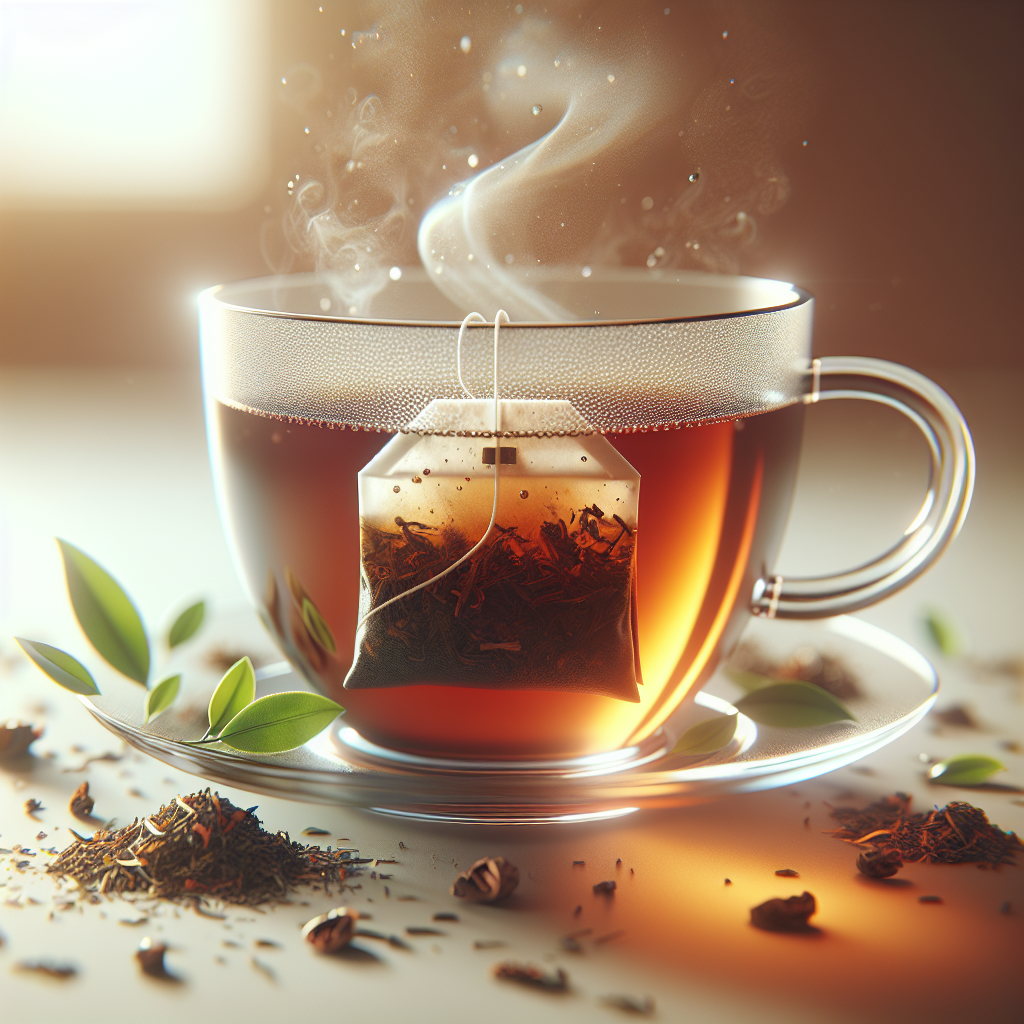
The bubble tea taste begins with the balance between the tea base and the add-ons that define its texture. The classic version combines black tea with milk and tapioca pearls, yet each sip reveals something different depending on the choices made during preparation. From earthy green teas to roasted oolongs, bubble tea takes on multiple personalities, but always circles back to a comforting, slightly sweet core.
Main Elements Defining Bubble Tea Taste
The secret to an irresistible bubble tea taste lies in the components used. These individual elements come together in harmony to build the recognizable flavor structure of this beverage.
- Tea Base: Black, green, oolong, or jasmine teas anchor the drink. The depth of the leaf base impacts both bitterness and aroma.
- Milk or Creamer: Adds body, balancing any tannins from the tea with smoothness.
- Sweetener: Syrups, brown sugar, or fruit purees adjust sweetness level and tone down any strong notes from the tea itself.
- Tapioca Pearls: Known as “boba,” they add a glutinous chew that contrasts with the liquid elements.
- Ice and Texture: The cold temperature enhances freshness and crispness, making the bubble tea taste refreshing and dynamic.
How the Bubble Tea Taste Changes with Tea Choices
Tea selection plays a huge role in shaping the bubble tea taste. A robust black tea gives a malty, roasted nuance — the backbone of the traditional profile. Green tea versions highlight grassier and lighter tones, while oolong brings floral or buttery characteristics. For example, a jasmine green base produces delicate florals that soften with milk, creating a taste reminiscent of soft vanilla and spring flowers. Meanwhile, roasted oolong-based versions envelop you with a toasted aroma that stands strong against sweetness. Each combination rewrites what the bubble tea taste can be.
Exploring Popular Flavor Profiles
Diversity defines the world of bubble tea. There isn’t one single bubble tea taste — there are countless interpretations, each echoing regional preferences and creativity behind the counter. To understand why this drink stays relevant, let’s explore its most beloved taste directions.
Classic Milk Tea Varieties
The original bubble tea taste comes from milk tea bases that blend robust flavor with smooth sweetness. Typical combinations include:
- Black Milk Tea: The foundation of it all — strong, fragrant, lightly bitter, and softened with creamy notes.
- Oolong Milk Tea: More layered and aromatic, offering mild roasted undertones and an earthy sweetness.
- Jasmine Green Milk Tea: Floral and refreshing; often preferred for its gentle scent and bright finish.
- Taro Milk Tea: A purple-hued favorite with a nutty sweetness and playful fragrance.
While these all share the core bubble tea taste, their nuances vary based on tea leaves, processing, and steeping time. Even small changes—like shifting steeping temperature or switching to honey sweetener—create meaningful differences in taste delivery.
Fruit Tea Flavors and How They Influence Bubble Tea Taste
Not all versions need milk. Fruit teas present a lighter and juicier side of the bubble tea taste—a refreshing choice for hot climates or anyone preferring tang over cream. Mango, lychee, and passionfruit infuse tropical notes, balancing tartness against the chew of boba pearls. Certain shops even add aloe bits or fruit jelly, increasing texture play. These fruit-forward variations are great introductions for new drinkers unfamiliar with milk teas, presenting a clean and crisp taste structure without heaviness.
Regional Flavors Across the Globe
As bubble tea traveled across continents, it acquired local influences. In Japan, matcha green tea combined with red beans adds cultural authenticity and depth. In Thailand, condensed milk and black tea merge into a caramel sweetness known as Thai milk tea. European and North American shops often feature innovative combinations like salted cheese foams or brown sugar pearls. These adaptations modify the bubble tea taste spectrum, ensuring it remains versatile and open to experimentation.
Bubble Tea Taste and Texture Interaction
The magic of bubble tea lies not just in flavor but in how texture interacts with it. The sip-and-chew experience differentiates it from any other drink. Let’s unpack how those contrasting sensations contribute to the complete bubble tea taste experience.
Tapioca Pearls: The Signature Touch
Freshly cooked tapioca pearls are soft but resilient, providing a chewy rhythm as you drink. Their subtly caramel flavor enhances sweetness without overtaking the tea base. Brown sugar versions intensify that depth, producing burnt sugar undertones that complement the creamy textures around them. Without the pearls, the bubble tea taste can feel thin — with them, it becomes engaging and multisensory.
Alternative Toppings That Redefine Bubble Tea Taste
Beyond tapioca, other toppings shape the bubble tea taste and texture matrix. Pudding adds smoothness, grass jelly contributes herbal tones, and popping boba releases bursts of juice mid-sip. These options are key tools for customizing drinks. The balance lies in matching these toppings with appropriate tea bases so that neither texture nor flavor overwhelms the other. A light fruit tea with lychee popping pearls feels bright and summery. A deep, roasted milk tea with pudding feels like a dessert in a cup. Every combination tells a sensory story.
Benefits Behind the Bubble Tea Taste
Though often considered indulgent, bubble tea can be a mindful treat when consumed responsibly. Its benefits extend beyond flavor enjoyment into convenience, cultural appreciation, and even nutritional elements when thoughtfully prepared.
Energy and Hydration
Since the base is tea, the beverage provides hydration along with gentle caffeine stimulation. Depending on the leaf choice, it may offer antioxidant compounds like catechins or polyphenols. Choosing less sugar and light milk lets you enjoy the signature bubble tea taste while also maintaining balance in calorie intake.
Relaxation and Cultural Connection
Bubbling tea moments often carry relaxation rituals. The act of sipping slowly while chewing pearls slows you down — a small mindfulness exercise amidst busy routines. Moreover, experiencing the bubble tea taste connects you to its Taiwanese roots, uniting people worldwide through shared appreciation of artistry and creativity in the everyday cup.
Social Value and Creative Expression
Bubble tea’s influence reaches beyond nutritional appeal. Customizing flavor, toppings, and temperature fosters creativity. Many cafés encourage customers to explore unconventional combinations, reinforcing individuality and fun. The colorful aesthetics of the drink, often captured and shared online, further widened its popularity.
Quick Facts About Bubble Tea Taste
Here are concise yet crucial insights that round out your understanding of this drink’s dynamic personality:
- The original bubble tea emerged in Taiwan during the 1980s.
- The average serving contains between 300–500 calories depending on ingredients.
- Freshly brewed tea ensures authenticity and prevents artificial bitterness in the final bubble tea taste.
- Ice level dramatically changes flavor intensity; less ice concentrates aroma.
- Boba pearls must be consumed within four hours of cooking to maintain ideal texture.
- The drink’s name comes from the frothy bubbles formed during shaking, not just the tapioca pearls.
For further reading about tea origins and traditions, visit National Geographic or explore the tea library from Tea Association of the USA. For internal insights about tea crafting, browse articles on Tea History and Tea Cultivation.
How to Enhance Your Bubble Tea Taste Experience
Perfecting your home-brewed bubble tea requires careful measurement of ingredients and attention to timing. To refine the bubble tea taste, consider your brewing method and flavor layering.
Balancing Sweetness and Creaminess
Adjust sugar syrup portions gradually rather than all at once. Many people find that 50% sweetness still delivers the authentic bubble tea taste. Additionally, experimenting with oat, almond, or non-dairy milk alternatives modifies the mouthfeel and aroma — particularly fruitful for lactose-sensitive drinkers.
Brewing Temperature and Leaf Strength
Brewing time strongly dictates how fermented or grassy your tea base feels. Too long leads to bitterness; too short, and it lacks backbone. Aim for 3–5 minutes for black tea and 2–3 minutes for green. This tuning sharpens the balance of flavors without muting subtleties, letting the bubble tea taste stay harmonized and fresh.
Flavor Pairing Examples
Here are some creative pairing ideas to elevate your bubble tea taste repertoire:
- Brown Sugar Black Tea: Comfortingly decadent, highlighting molasses sweetness.
- Matcha Latte Boba: Bright, grassy, and slightly savory — loved for its memorable hue.
- Peach Oolong: Fruity scent layered on smoky oolong body, delicate yet vibrant.
- Coconut Milk Tea: Exotic aroma with creamy tropical tones.
Visual and Sensory Appeal
A drink’s appearance adds to perception, and bubble tea masters play with color gradients and toppings to amplify the experience. The bubble tea taste starts in the eyes — the presentation primes expectations. Vibrant taro violet, bright mango yellow, or dark caramel streaks from brown sugar pearls all contribute to anticipation.

Temperature and Freshness
Temperature management greatly impacts flavor release. Cold bubble tea amplifies creaminess, while warm versions heighten aroma intensity. Always use recently brewed tea and fresh tapioca pearls to avoid staleness that dulls the bubble tea taste.
Serving Rituals
In some contemporary cafés, tea experts treat bubble tea preparation as a ritual—aligning steeping precision and shaking rhythm. It’s a moment of craftsmanship where tea, milk, and toppings join in lively equilibrium. The resulting beverage tells its own sensory story through its layered bubble tea taste.
Frequently Asked Questions
What defines the bubble tea taste experience?
It’s defined by a balance of tea flavor, sweetness, milk richness, and chewy pearl texture. The sensation blends fragrant aroma with tactile satisfaction, far beyond simple beverages. Choosing fresh tea leaves and quality tapioca pearls ensures authenticity in the bubble tea taste you experience.
Why do different teas change the bubble tea taste?
Each tea type contributes different base notes. Black tea offers depth and malt, green tea gives brightness, while oolong provides roasted florals. These core differences appear clearly once milk and sugar are added, altering the final bubble tea taste to fit personal preferences.
How can I reduce sugar but keep authentic bubble tea taste?
Lower sweetness can still preserve character if you balance textures. Use honey or light brown sugar, add more robust tea, and focus on steeping precision. This technique keeps the signature bubble tea taste intact but more refined for wellness-oriented drinkers.
Is bubble tea vegan, and how does that affect its taste?
When prepared with plant-based milk alternatives, bubble tea can be fully vegan. Almond, soy, or oat milk changes the profile by adding nutty or cereal notes. The resulting bubble tea taste remains rich but lighter, fitting diverse dietary needs.
What toppings most influence the bubble tea taste?
Tapioca pearls give chew, but alternatives like grass jelly or popping boba drastically shift the drink’s tone. Some add freshness, others creamy texture. Selecting complementary toppings creates harmony and expands the range of what one might identify as classic bubble tea taste.
How long should tea steep to perfect the bubble tea taste?
A typical steep time is 3–5 minutes for black tea bases and shorter for green teas. Over-steeping leads to bitterness, while under-steeping delivers a weak cup. Maintaining consistency ensures that the final bubble tea taste is full-bodied yet smooth with no harshness.
What makes homemade bubble tea taste different from café versions?
Commercial shops use precise brewing equipment and syrups, while home recipes rely more on personal adjustment. The difference lies in ratio control and ingredient freshness. Proper shaking and correct pearl cooking are key steps to reproducing that signature bubble tea taste accurately at home.
Does temperature affect bubble tea taste significantly?
Yes, cooler drinks emphasize texture and milkiness, while warm versions strengthen tea aroma. Serving temperature influences perceived sweetness and mouthfeel, subtly redefining the bubble tea taste even when ingredients remain unchanged.
Are there cultural meanings behind bubble tea taste preferences?
Indeed, regional preferences reveal cultural values: sweetness levels in Taiwan differ from those in Europe, for instance. Understanding these contexts deepens appreciation for the bubble tea taste as an evolving cultural expression that adapts to each society’s palate and lifestyle.

Leave a Reply