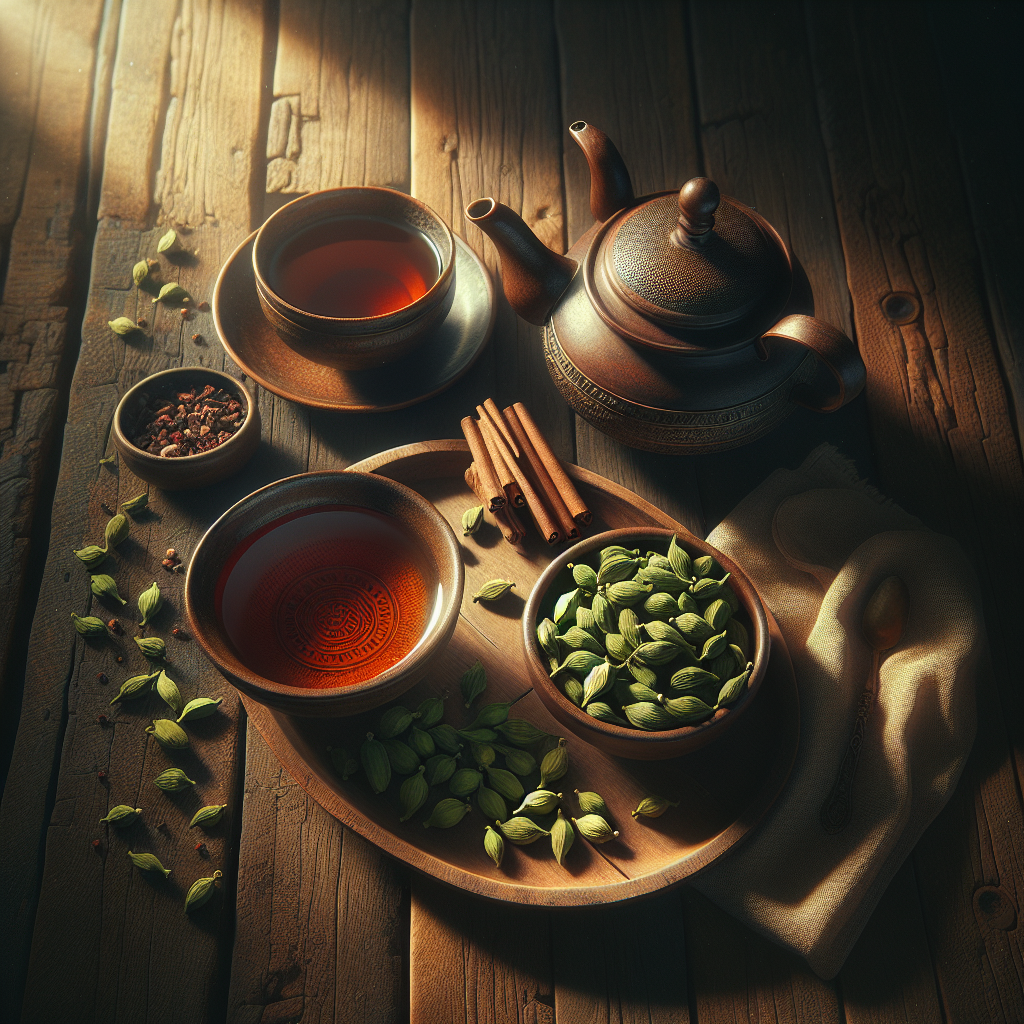
Among the world’s most aromatic brews, cardamom tea has established itself as a fragrant, invigorating, and culturally rich drink. Whether enjoyed for its refreshing flavor or the wealth of health benefits it offers, it combines centuries-old tradition with modern wellness appeal. The unmistakable warmth of this spiced infusion makes it a cherished ritual, especially in regions where spices represent hospitality and connection. Today, health-conscious drinkers around the globe are rediscovering the allure of cardamom tea, transforming it from a simple household remedy into a holistic lifestyle beverage.
Historically linked with Ayurvedic healing practices and Middle Eastern hospitality, cardamom tea embodies a legacy of wellness. As more people shift toward natural beverages, its significance has evolved from traditional medicine to a mindful daily ritual. The rich aroma, slightly sweet undertone, and cooling aftertaste make it a versatile option—enjoyed both as a stand-alone tea or blended with black or green tea leaves. Beyond its captivating taste, the combination of antioxidants and essential oils found in cardamom tea offers numerous potential health benefits—from aiding digestion to reducing stress. This guide explores its fascinating journey, benefits, brewing methods, and essential quick facts that every tea enthusiast should know.
Understanding Cardamom Tea
At its core, cardamom tea is an infusion made from the seeds or pods of the cardamom plant, scientifically known as *Elettaria cardamomum*. This plant is native to India and Sri Lanka and now widely cultivated in several tropical regions. When steeped, the pods release natural essential oils such as cineole and limonene, contributing to its distinctive fragrance. The result is a soothing, mildly spicy brew that feels both exotic and familiar. What makes cardamom tea unique isn’t only its taste—it’s also a sensory experience, merging warmth, comfort, and health-enhancing compounds in one sip.
Varieties and Flavor Profiles
There are mainly two recognized types of cardamom used in tea: green and black. Green cardamom produces a lighter, slightly citrusy taste, ideal for daily drinking. Black cardamom, on the other hand, lends a deeper, smokier flavor perfect for cold-weather infusions. Some people even experiment with both, creating layered blends. The beauty of cardamom tea lies in its adaptability—it can be subtle or bold depending on how the spice is brewed and what it’s paired with, such as cinnamon, ginger, or cloves.
The Health Benefits of Cardamom Tea
Beyond its delightful aroma, cardamom tea is sought after for its varied wellness advantages. Traditional herbalists have valued it for digestive support, while modern studies attribute its properties to antioxidants, anti-inflammatory compounds, and the supportive roles of vitamins and minerals.
Digestive Wellness
For centuries, one of the most celebrated benefits of cardamom tea is its ability to soothe the digestive system. Its essential oils can help stimulate digestive enzymes, reduce bloating, and counteract acidity. For instance, a cup after a heavy meal can ease discomfort and foster a natural detox process. Some traditional households also blend cardamom tea with a pinch of fennel or ginger to boost this effect naturally.
Antioxidant and Anti-inflammatory Properties
The antioxidant content in cardamom tea may combat oxidative stress, which is a leading contributor to premature aging and chronic disease. The spice’s anti-inflammatory compounds support balanced body functions, particularly by reducing metabolic and cellular inflammation. These effects can promote better skin clarity and joint mobility over time, making cardamom tea a natural option for maintaining youthful vitality.
Respiratory Support and Detoxification
The menthol-like coolness of cardamom’s essential oils can help open airways and provide mild relief for congestion. Drinking cardamom tea when experiencing seasonal allergies or mild colds may assist in clearing sinuses. Additionally, cardamom acts as a gentle detoxifier, supporting liver function and natural body cleansing. Many detox programs consider cardamom tea a reliable companion beverage due to its gentle purifying qualities.
Mental Clarity and Emotional Balance
In Ayurvedic practice, cardamom tea is known for bringing calm without causing drowsiness. Its soothing aroma has mild mood-lifting properties that may ease anxiety. Some nutritionists recommend a warm cup of cardamom tea during work breaks to refresh concentration and stabilize mood naturally. Unlike caffeine-laden drinks, this option helps maintain energy without inducing jitters.
How to Prepare the Perfect Cup
Making cardamom tea is straightforward. Yet, a few subtle choices can dramatically change the flavor and quality of the brew. Whether you prefer it delicate or strong, following proper blending methods ensures the perfect balance between aromatic depth and taste clarity.
Basic Brewing Method
To prepare, lightly crush two cardamom pods per cup to expose the seeds. Add them to boiling water and simmer for 3–5 minutes. Strain and enjoy plain or with natural sweeteners like honey. For a more robust cup, add black tea leaves and simmer again for two minutes before straining. This dual-step brewing releases optimal flavor and color.
Enhancing with Other Ingredients
Cardamom tea pairs well with a range of natural add-ons. Common mix-ins include milk for a creamy texture or a pinch of saffron for added richness. Some cultures combine cardamom tea with loose green tea leaves, yielding a unique fusion of spice and vegetal notes. For a cooling variation, chill brewed tea and serve over ice with lemon. This creates a refreshing summer version packed with aroma and health benefits.
Regional and Cultural Significance
Cardamom tea transcends borders, appearing in Indian kitchens, Middle Eastern coffee houses, and Nordic baking routines. Its versatility has allowed each culture to mold the preparation around local habits. In India, cardamom is part of *masala chai*, a spiced milk tea enjoyed at dawn and dusk. In the Arab world, it is brewed lighter, offered as a gesture of friendship. This cultural role of cardamom tea symbolizes warmth and conversation as much as health and comfort.
In Ayurveda and Traditional Medicine
Ayurveda regards cardamom tea as a tridoshic beverage, meaning it balances all body types by promoting digestive harmony and mental alertness. Practitioners often prescribe it as part of detox rituals and morning routines. The belief persists that cardamom’s aromatic compounds help “cleanse the breath” and lighten energy.
Cardamom Tea in Modern Wellness Culture
The global wellness movement has welcomed cardamom tea as a functional drink, often highlighted in detox retreats and spa menus. Alongside green tea and turmeric blends, it represents a shift toward mindful consumption. Nutritionists note that using minimally processed, organic cardamom yields stronger antioxidant results. The growing demand for sustainable sourcing also means many small farms are finding an international market for their crops.
Scientific Insights and Research
Emerging research indicates that cardamom tea might play meaningful roles in supporting metabolic and cardiovascular health. Studies highlight its potential in regulating blood pressure, improving circulation, and assisting lipid balance. Researchers attribute this to polyphenols and terpenes that encourage vasodilation and enhance blood flow. While still under study, early findings reinforce traditional claims.
Effect on Blood Sugar and Metabolism
Cardamom tea’s mild sweetness makes it a practical option for people managing blood sugar. It naturally complements a balanced diet, particularly when paired with protein-rich snacks. By stimulating metabolism, it can support gradual weight management efforts. More human studies are needed, yet anecdotal reports suggest measurable impacts when combined with healthy routines.
Immune System and Antimicrobial Strength
The antimicrobial oils in cardamom tea may help reduce bacterial accumulation in the mouth and throat. Regular consumption supports oral hygiene and fresh breath. Some healthcare practitioners promote it as a daily immune booster, particularly during colder months. This mild but consistent defense mechanism contributes to overall resilience.
Practical Tips for Daily Enjoyment
Consistency matters when developing a cardamom tea habit. Start by sipping a small cup each morning or after lunch. Most drinkers report noticeable digestive improvement after a few weeks. To retain potency, always store cardamom pods in airtight containers away from sunlight and grind them fresh when possible.
Pairings and Serving Suggestions
Cardamom tea pairs exceptionally well with light pastries, fruit salads, and Mediterranean-style breakfasts. When taken unsweetened, it complements savory dishes like couscous or lentil soup. Its role extends beyond refreshment—it becomes a bridge between meals and relaxation time. For elegant gatherings, serve in small glass cups to let guests appreciate its golden hue and enticing aroma.
Cardamom Tea for Self-care Rituals
Sipping cardamom tea can form part of a mindful self-care routine. Start the morning brew while focusing on aroma and warmth. This sensory awareness aligns the drink with intentional living. Evening herbal variations (without caffeine additions) serve as ideal bedtime companions, especially when combined with lavender or chamomile.
Quick Facts About Cardamom Tea
- Native Region: South India and Sri Lanka
- Main Components: Cineole, Terpinyl acetate, and flavonoids
- Primary Benefits: Digestive aid, antioxidant support, relaxation
- Average Brewing Time: 3–5 minutes
- Serving Temperature: Hot or iced
- Best Pairings: Light desserts, Indian snacks, fresh fruits
- Storage: Airtight, away from moisture
Expert Views and Lifestyle Integration
Naturopaths and nutritionists commonly include cardamom tea in regimens designed for balance. Chef-led wellness programs feature it as part of flavor re-education—helping individuals appreciate natural sweetness without sugar dependence. This beverage provides a low-calorie substitute for soft drinks and flavored lattes, supporting sustainable wellness habits.
Incorporating into Work and Study Routines
Replaced as a coffee alternative, a mid-afternoon cup of cardamom tea maintains alertness. The aroma refreshes mental focus, ideal for creative tasks or reading sessions. Some companies introduce spiced tea breaks to inspire calm collaboration among staff, reflecting how traditional brews can enhance productivity in modern settings.
Buying and Ethical Considerations
Select **fair-trade** and **organic** cardamom whenever possible. High-quality cardamom pods are bright green and firm to touch. Ethical sourcing ensures economic fairness for cultivators and higher nutritional integrity for consumers. Reputable marketplaces such as Tea Association of the USA and National Tea Board provide further insights into sustainable tea production methods. To learn how different teas are grown, explore our in-depth post on Tea Cultivation. You can also discover how aromatic traditions evolved through our article on Tea History.
Conclusion
Cardamom tea stands at a beautiful intersection of flavor, wellness, and storytelling. More than a drink, it reflects mindfulness and centuries of herbal wisdom. Regular consumption can gently nurture digestion, mental balance, and immunity while enriching daily rituals. Whether brewed in a kitchen near the Himalayas or in an urban café, its soothing character invites introspection and connection. Abundant in fragrance and health potential, cardamom tea continues to be a timeless treasure that nourishes both body and spirit.
Frequently Asked Questions
What are the main health benefits of cardamom tea?
Cardamom tea supports digestion, boosts metabolism, and provides antioxidant protection. The natural essential oils in cardamom relax the stomach muscles, preventing gas and bloating. Regular intake helps the body fight oxidative stress, potentially enhancing skin tone and cellular health. Many drinkers also experience mild respiratory comfort due to the aromatic compounds in each pod. It’s a multi-purpose beverage that contributes to internal balance, making it an appealing choice for wellness enthusiasts worldwide who value holistic nutrition in daily life.
Can I drink cardamom tea every day?
Yes, cardamom tea can safely be consumed daily in moderate amounts. Around one to two cups per day works well for most adults. Its active compounds are gentle and don’t accumulate harmfully. However, because it has mild diuretic properties, regular hydration is recommended. Drinking cardamom tea daily encourages steady digestion and a refreshed mind. People managing medical conditions should consult healthcare professionals to tailor intake. Its versatility and fragrance make daily inclusion effortless—especially as a calming pause between meals or as a nighttime relaxant.
How should I prepare authentic cardamom tea at home?
Begin by lightly crushing two green cardamom pods per cup and boiling them in water for about five minutes. For flavor depth, add black tea leaves, simmer briefly, and strain. Sweeteners like honey or jaggery can enhance taste naturally. To create a traditional version, simmer equal parts milk and water, blending with spices like ginger or cinnamon. Authentic cardamom tea depends on fresh pods and precise timing. Serve hot to showcase its aromatics, or chill it over ice for a soothing summer beverage variation.
Does cardamom tea contain caffeine?
Pure cardamom tea made only from pods and hot water is naturally caffeine-free. However, blends that include black or green tea will contain varying caffeine amounts depending on the brew strength. If you’re sensitive to caffeine, choose pure herbal forms of cardamom tea. Though free of stimulants, it still provides a rejuvenating effect due to its fragrant oils. Herbal variations make it an excellent choice for evening relaxation without compromising a good night’s sleep, blending health benefits with gentle refreshment.
Is cardamom tea good for weight management?
Cardamom tea may indirectly assist weight management through its digestive-boosting and metabolism-supporting properties. When consumed before meals, it can help regulate appetite and reduce cravings for sugary beverages. It also supports the body’s natural fat metabolism. Yet, it should complement, not replace, balanced nutrition and routine exercise. Using cardamom tea alongside mindful eating practices fosters consistent results. For those who find it challenging to cut back on sweetened drinks, switching to this spice-infused alternative is both satisfying and beneficial for long-term wellness objectives.
What makes cardamom tea different from other spiced teas?
Unlike heavier spice blends, cardamom tea delivers a distinctive balance between sweetness and cool freshness. The aromatic flavor comes from terpenes like cineole, giving each sip a lively, uplifting sensation. Compared with masala chai, cardamom tea can be lighter, gentler, and caffeine-optional. It harmonizes with nearly any diet type and pairs beautifully with herbs such as mint or lemongrass. This unique balance of taste and function differentiates cardamom tea from more intense spiced brews while maintaining cultural authenticity and universal appeal for tea lovers.
How should cardamom tea be stored for best flavor?
Keep whole cardamom pods in airtight containers away from heat and light to preserve essential oils. Once exposed to moisture or air, flavor intensity fades quickly. It’s best to crush pods only before brewing to release freshness. If using blended cardamom tea bags, store them in cool, dark areas and seal after each use. Proper storage not only extends shelf life but also ensures consistent therapeutic and aromatic quality. Paying attention to these simple habits keeps every cup of cardamom tea fragrant and effective for months.
Can I mix cardamom tea with milk?
Yes, you can. Adding milk to cardamom tea creates a creamy and soothing drink often known as *Elaichi chai* in Indian households. It balances spice warmth with soft texture, ideal for breakfast or an afternoon break. To prepare, simmer milk and water equally with crushed pods, add tea leaves if desired, then strain and sweeten. The milk variation brings comfort and energy, ideal for colder days. This versatility makes cardamom tea more enjoyable while retaining its key digestive and aromatic benefits in each serving.
Are there any side effects to drinking cardamom tea?
Generally, cardamom tea is considered safe for most people when consumed in moderate portions. However, excessive intake might lead to mild stomach sensitivity or diuretic effects. Those with gallstone conditions should consult their physician, as strong spice concentrations could cause discomfort. Pregnant or breastfeeding individuals are advised to moderate use. For the majority, cardamom tea supports overall wellness, offering health benefits without significant risk. Balanced, mindful consumption and high-quality sourcing ensure that this fragrant beverage remains a gentle, everyday pleasure for everyone seeking holistic nourishment.




Leave a Reply