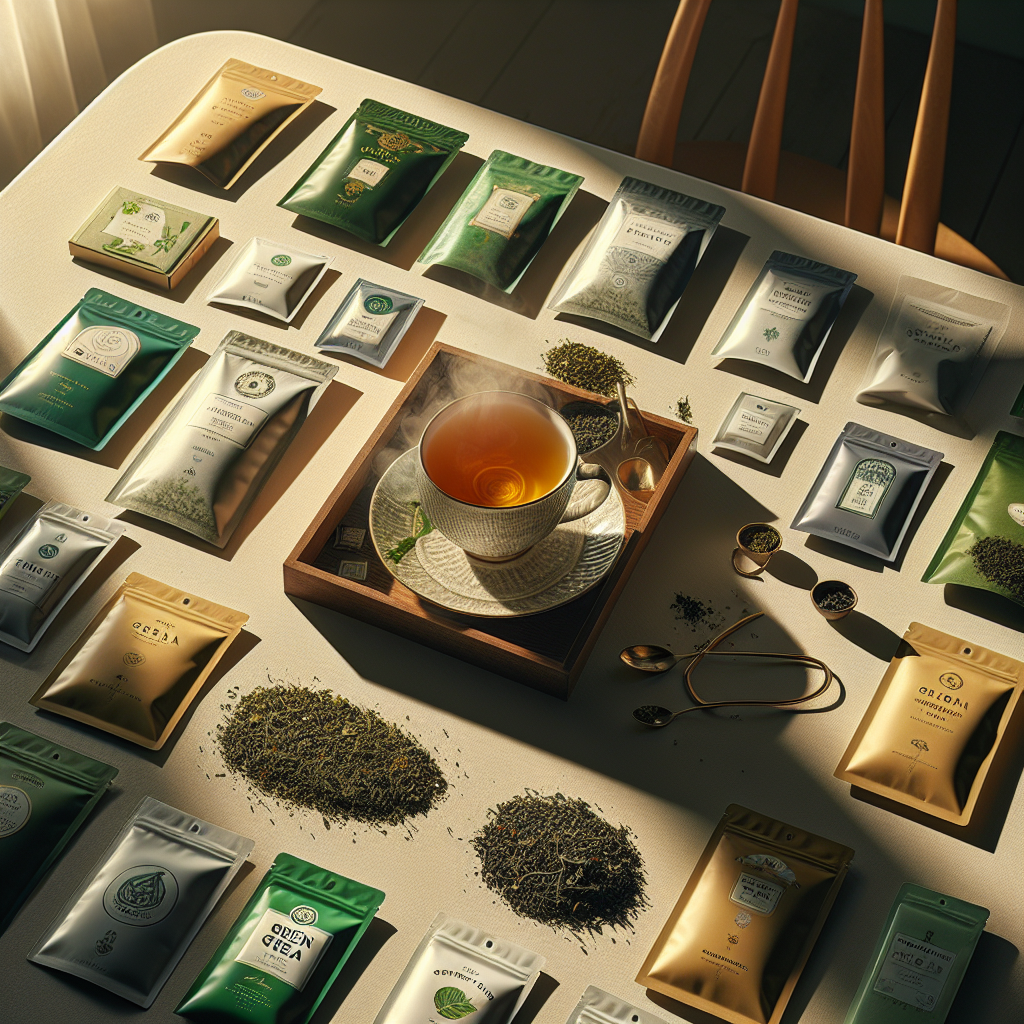
For many tea enthusiasts and wellness seekers, green tea bags have become a daily essential—a quick, reliable way to enjoy the benefits of green tea without complication. Whether it’s the calming aroma, the potential antioxidants, or simply the ritual of steeping a cup, choosing the right green tea bags can transform your daily routine from mundane to mindful. With so many brands, flavors, and brewing styles available, understanding how to choose the best option for your lifestyle is key. This detailed guide explores the world of green tea bags, reviewing quality differences and providing practical tips for smart, long-term buying decisions.
The popularity of green tea bags has risen as people look for accessible ways to enjoy the drink’s reputed health benefits. While loose-leaf tea often dominates connoisseur discussions, modern tea producers have significantly improved the quality of bagged options. Today’s top green tea bags can offer impressive freshness, minimal bitterness, and responsibly sourced leaves. This article will help you evaluate them like an experienced taster—without needing special equipment or extensive knowledge.
Understanding What Makes Green Tea Bags Different
Not all green tea bags are created equal. Some prioritize convenience over quality, while others preserve the nuance and aroma of traditional loose tea. To make informed choices, it helps to know how processing, packaging, and sourcing influence flavor and nutritional value.
How Processing Affects Flavor
Processing plays a critical role in how your green tea bags will taste. Japanese varieties like Sencha or Matcha tend to be steamed to preserve a vegetal, grassy flavor. In contrast, Chinese green teas are often pan-fired for a nuttier aroma. Depending on where you buy your green tea bags, you might notice distinct profiles even among the same “green tea” label. Premium brands often list their processing method, an indicator of quality and authenticity.
Packaging Types and Their Role in Freshness
Tea bags come in several forms—standard paper sachets, nylon pyramids, or biodegradable silk-like mesh. The pyramid-style green tea bags usually allow more room for whole or partially broken leaves to expand, yielding a richer cup. Airtight packaging is essential too, as exposure to oxygen quickly dulls the delicate green notes. Transparent wrapping might look appealing but can actually compromise quality if not properly sealed against light and moisture.
Sourcing and Sustainability
Ethical sourcing is becoming a benchmark for discerning tea drinkers. High-grade green tea bags often state the region of origin, such as Uji in Japan or Anhui in China. The sourcing conditions—altitude, soil composition, and shade exposure—impact taste subtleties. Supporting sustainably farmed tea not only protects the planet but often ensures better-tasting tea. Certification logos such as FAIRTRADE or Rainforest Alliance are solid indicators that your purchase supports responsible agricultural practices.
Evaluating Green Tea Bags by Quality Indicators
Evaluating quality goes beyond brand perception. By focusing on aroma, color, leaf appearance, and brewing consistency, you can select green tea bags that suit your needs and expectations.
Appearance and Aroma
Before brewing, inspect the tea bags. Are the leaves finely powdered, or can you see small, dried pieces? The latter generally indicates better preservation of natural oils and nutrients. Aroma provides another clue—fresh, high-quality green tea bags should smell grassy or lightly marine, never musty or overly artificial.
Color and Clarity After Brewing
When you steep premium green tea bags, the liquor should appear clear with a light yellow-green hue. Cloudiness might indicate dust particles or over-processing. Consistency in color across different batches is often a good sign of quality control by the manufacturer.
Flavor Consistency and Mouthfeel
Green tea should maintain a delicate balance between sweetness and astringency. If one feels overwhelmingly bitter, it could be due to over-brewing or poor-quality leaves. The best green tea bags yield clean, layered notes, leaving a refreshing aftertaste rather than dryness.
Types of Green Tea Bags Worth Trying
From classic blends to modern infusions, green tea bags come in numerous varieties suited for various palates and purposes. Here’s a well-rounded selection to consider.
Pure Leaf Green Tea Bags
These highlight single-origin teas without added flavorings. Options like Gyokuro from Japan or Dragonwell from China exemplify how terroir influences taste. Such green tea bags are ideal for traditionalists wanting clarity in every sip.
Blended or Flavored Green Tea Bags
Flavored variations—like lemon, jasmine, or matcha blends—offer aromatic diversity. The key is moderation; the best flavored green tea bags enhance rather than mask the natural green profile. Jasmine green tea bags, for instance, create a calming floral cup suitable for evening relaxation.
Functional and Wellness Green Tea Bags
Some brands add ingredients such as ginger, turmeric, or moringa for added wellness appeal. When selecting these, read the ingredient list carefully—look for natural extracts rather than artificial essences. These versatile green tea bags are great for those combining flavor exploration with health intentions.
Matcha-Infused Green Tea Bags
Matcha-infused blends combine fine matcha powder with green tea leaves inside a bag, increasing brightness and creaminess. Although they can be pricier, the umami depth makes them a worthwhile indulgence for people looking to elevate their daily ritual.
Top Green Tea Bag Brands to Consider
To simplify your choice, here’s an overview of widely trusted brands. Each offers different strengths depending on what you value most—flavor purity, affordability, or ethical sourcing.
- Sencha Naturals: Focuses on organic Japanese teas in biodegradable packaging.
- Twinings Green Tea Bags: A long-standing brand renowned for accessibility and variety.
- Clipper Teas: Certified organic, emphasizing fair trade sourcing.
- Pukka Herbs: Blends herbal infusions with green tea for holistic wellness.
- Yogi Tea: Combines traditional botanicals with subtle green tea bases for health-oriented consumers.
For deeper insight into traditional brewing influences, visit TeaClass.com—an external educational resource offering insights on tea categories and preparation science. For verified data about green tea’s nutritional properties, Tea Association of the USA provides comprehensive research summaries.
Practical Tips for Choosing Green Tea Bags for Daily Use
Daily tea drinkers often focus on convenience, consistency, and gentle caffeine effects. Here are steps to ensure your everyday green tea bags stay satisfying and sustainable over time.
Check the Ingredient Label
Whenever possible, seek minimal ingredient lists: just green tea leaves and perhaps natural flavoring. Avoid artificial coloring or excessive additives. Brands disclosing harvest year and region showcase transparency and elevate trustworthiness—a clear reflection of EEAT principles.
Mind Steeping Time and Temperature
Over-steeping leads to bitterness and nutrient degradation. For most green tea bags, two minutes in water around 80°C (175°F) works best. This consistent routine saves both time and taste quality. Use filtered water to prevent unwanted mineral interference with flavor clarity.
Storage Habits Matter
Keep green tea bags away from moisture, direct sunlight, and strong-smelling foods. An airtight tin can extend freshness up to six months. Refrigeration is not advised unless specifically mentioned by the brand label, as condensation can spoil delicate leaves.
Price Versus Value
Premium does not always mean better. Sometimes mid-range green tea bags perform just as well as luxury ones in taste and freshness. Conduct side-by-side tastings with small packs before committing to larger boxes—a mindful, no-waste approach that saves money too.
Brewing and Pairing Ideas
Experimenting with brewing techniques and complementary foods can take your green tea experience up a notch. Thoughtful pairings enrich flavor and encourage mindful consumption.
Brewing Experiments with Green Tea Bags
Try cold brewing—steep the bag in cool water overnight for a soft, sweet taste. Alternatively, double the tea bags for a richer iced base during summer. Reusing a gently brewed bag for a second cup is acceptable if done immediately; the second infusion often tastes milder but smoother.
Culinary Pairing Ideas with Green Tea Bags
Green tea pairs well with sushi, roasted nuts, or citrus desserts. The mild tannins balance umami foods beautifully. Some creative chefs also use brewed tea liquor as a stock base for soups or marinades. Explore recipes at Teastory Blog Tea Recipes for more inspiration.
Health Benefits and Myths About Green Tea Bags
Green tea has earned a reputation for supporting well-being, but it’s wise to separate verified benefits from marketing exaggerations. Science supports several positive outcomes associated with regular consumption.
Proven Benefits
- Antioxidant intake: Green tea bags typically contain catechins that may help combat oxidative stress.
- Caffeine balance: Provides moderate energy without coffee’s jittery effect.
- Metabolic support: Some studies link green tea drinking to mild calorie oxidation and improved digestion.
Common Misconceptions
Green tea bags alone will not cause drastic weight loss or completely detoxify the body. Health benefits depend on diet, hydration, and lifestyle. Moderation remains key—three cups a day suffice for most adults.
Responsible Consumption Advice
Those with caffeine sensitivity should select decaffeinated varieties. Pregnant individuals or those on specific medications should consult healthcare providers before substantially increasing consumption. Learn about cultural drinking practices and safety perspectives at Teastory Blog Tea History.
Environmental Aspect of Green Tea Bags
With sustainability in focus, packaging waste and sourcing methods deserve scrutiny. Many forward-thinking companies are redesigning production to minimize environmental harm.
Plastic-Free and Compostable Materials
Opt for plastic-free green tea bags made from cornstarch or PLA bioplastics. Compostable packaging ensures lower landfill contribution. Transparent labeling helps verify eco claims—avoid vague “eco-friendly” terms lacking certification.
Company Accountability and Certifications
Brands that publish sustainability reports display stronger commitment to ethical conduct. Certificates like USDA Organic or Carbon Neutral seal provide credible assurance that environmental targets align with action.
How Consumers Can Make a Difference
Small decisions accumulate meaning. Supporting brands that package responsibly encourages industry-wide change. Recycle cardboard boxes and compost biodegradable sachets where local facilities allow. Responsible choices strengthen community health beyond personal wellness.
Image Representation Example

This illustrative photograph of steeped green tea bags symbolizes purity, freshness, and mindful enjoyment—key attributes every tea lover values.
Conclusion
Green tea bags offer a perfect blend of convenience and tradition for modern living. By understanding quality indicators, brewing methods, and sustainability aspects, anyone can refine their daily tea ritual. The best selection depends on personal preference—some chase energizing brightness, others serenity in each sip. Whatever your choice, mind storage, steeping precision, and responsible consumption. Embrace this humble yet sophisticated beverage with intention; your cup of green tea bags can be a small, daily luxury that promotes wellness inside and out.
Frequently Asked Questions
Are green tea bags as healthy as loose-leaf tea?
While loose-leaf teas often contain slightly higher-grade leaves, modern green tea bags have significantly improved. Many now include whole or partially broken leaves preserved under oxygen-free conditions. The difference is minimal for most daily drinkers. The main factor is freshness, not form—beyond the bag, proper storage and careful brewing ensure meaningful antioxidant retention and a rich taste. If convenience fuels consistency in your routine, green tea bags remain a genuinely healthy choice supported by both tradition and modern nutrition standards.
Can I reuse my green tea bags for a second brew?
Yes, you can. The second steep tends to offer a subtler flavor, often less astringent but still aromatic. If you plan to reuse, do so right after the first infusion; allowing a bag to sit at room temperature for hours could introduce bacteria. Discard immediately if you notice a stale smell. Many green tea bags—especially pyramid types—can deliver two satisfying cups without losing too much flavor depth. For lighter Japanese teas, expect slightly more delicate notes on the second brew.
Which water temperature works best for green tea bags?
A balanced temperature ensures clarity and prevents bitterness. Around 80°C (175°F) is generally ideal for most green tea bags. Boiling water scalds delicate leaves, stripping sweetness and essential oils. Use filtered water for the best results; tap water high in minerals can dull taste. If your brand recommends a specific range, follow that closely. The small difference in heat dramatically shifts flavor expression, giving a smoother cup every time, whether you’re steeping Sencha, Matcha, or floral-infused green tea bags.
How many cups of green tea bags should I drink daily?
In moderation, two to three cups of green tea bags per day offer balance—enough antioxidants without risking caffeine overload. Depending on sensitivity, you might safely enjoy up to five cups split throughout your day. More isn’t necessarily better, as excessive intake can impact iron absorption or upset sensitive stomachs. Hydration overall matters more than sheer quantity. Listen to your body’s cues and enjoy each brew as a mindful pause, not merely a habit.
Do green tea bags expire or lose flavor over time?
Yes, like all natural products, green tea bags degrade. Ideally, consume them within six to eight months of opening. Airtight containers protect against humidity and light—two primary enemies of freshness. Over time, oxidation reduces aroma and depletes beneficial compounds. Unlike black tea, green tea bags are delicate, making regular rotation essential. Always check packaging for “best before” dates, and note any musty or faded scent as a clear indication of aged tea.
What’s the difference between decaffeinated and caffeine-free green tea bags?
Decaffeinated green tea bags undergo a process to remove most caffeine, often via CO₂ or water extraction. “Caffeine-free,” however, generally refers to herbal blends that contain no tea leaves at all—like chamomile or rooibos paired with green tea essence. If you wish to lower caffeine intake while keeping authentic tea flavor, decaffeinated versions are your best bet. Always read the label carefully and ensure the process used doesn’t strip too many antioxidants from the leaves.
Should I choose organic green tea bags?
Organic certification ensures that farms avoid synthetic pesticides and fertilizers, often resulting in cleaner taste and more sustainable agriculture. Although not a strict necessity for enjoyment, organic green tea bags can align with a wellness-focused lifestyle. Price differences exist but often reflect real agricultural effort and certification costs. For anyone sensitive to chemicals or striving toward greener choices, investing in organic options delivers both peace of mind and quality assurance in every comforting cup.
Can I use green tea bags for skincare routines?
Absolutely. Many people reuse brewed green tea bags as natural compresses for puffy eyes or mild skin discomfort. The antioxidants and tannins may help soothe inflammation and refresh tired skin. After brewing, let the bag cool before application. However, use only clean, freshly brewed green tea bags to prevent contamination. While these DIY treatments aren’t a replacement for dermatological care, they provide an eco-friendly, cost-effective supplement to personal skincare rituals.



Leave a Reply