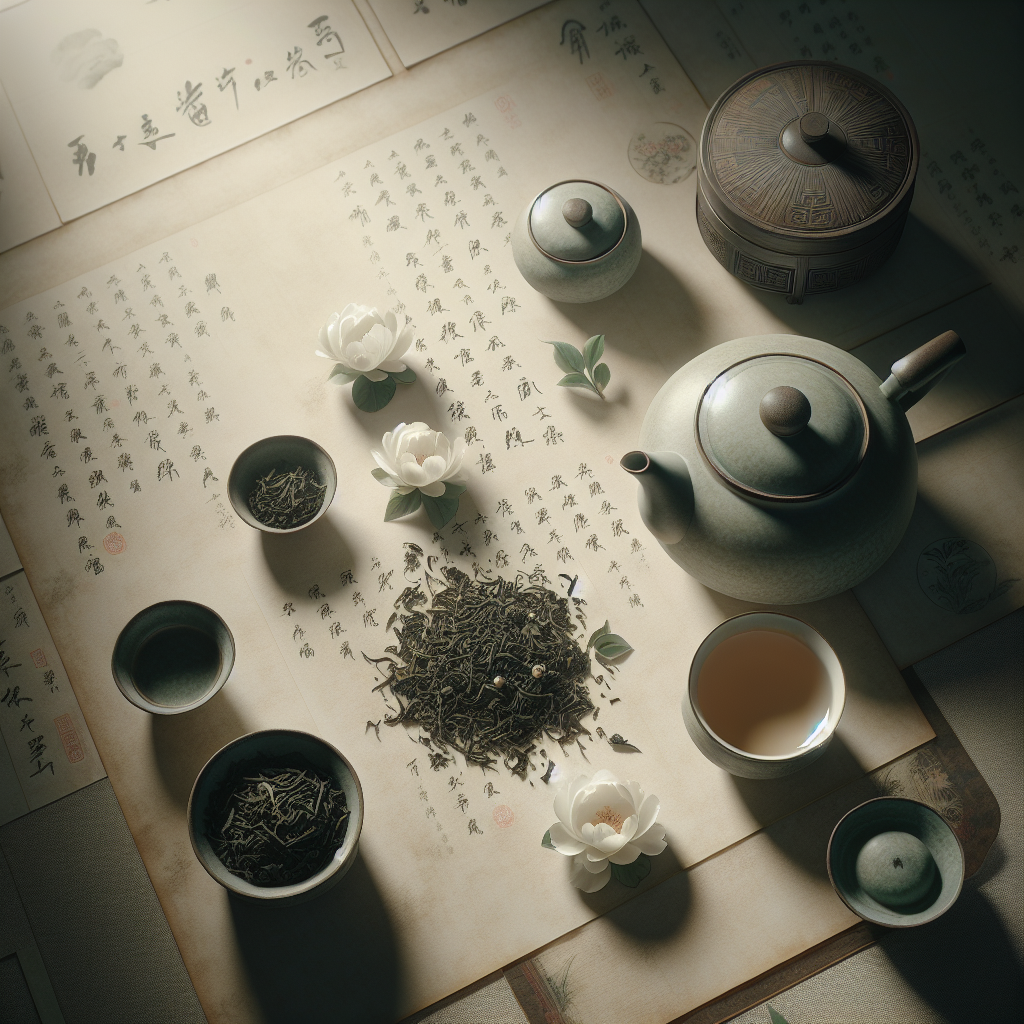
Bai mu dan, often known as White Peony tea, provides an elegant bridge between pure white teas and the more oxidized styles of Chinese green teas. Originating in Fujian province, this delicate tea carries both aromatic grace and nutritional depth, capturing centuries of tradition in every cup. Those exploring the tea world often start with bai mu dan due to its natural sweetness, gentle floral notes, and smooth finish that appeals equally to beginners and enthusiasts. The guiding aim of this article is to explore how to understand, prepare, and benefit from bai mu dan, along with key quick facts to enhance daily wellness practices.
Unlike the heavily processed black teas or roasted oolongs, bai mu dan offers a unique lightness and complexity refined by minimal oxidation and careful leaf selection. Made from young tea leaves and buds, this variety contains subtle energy that relaxes while refreshing the senses. Studying bai mu dan offers insight into centuries-old cultivation, ecological sensitivity, and the artistry behind Chinese tea culture. The story of this white tea extends beyond taste—it’s a testament to balance, patience, and respect for nature’s rhythm.
Understanding Bai Mu Dan
The foundation of appreciating bai mu dan lies in comprehending its origin, harvest, and classification. The name “White Peony” symbolizes purity and nobility, echoing its refined aroma and layered taste. It represents the intermediate point between Silver Needle and more oxidized whites. Although often simple in appearance, each harvest depends on precise picking times, weather conditions, and drying techniques handed down over centuries.
Origins and Historical Roots of Bai Mu Dan
Bai mu dan emerged in the late 19th and early 20th centuries within China’s Fujian province, particularly in the Zhenghe and Fuding regions. These areas boast unique microclimates—misty mornings followed by bright sunlight—offering ideal conditions for white tea processing. Traditional farmers picked one bud and two leaves, drying them under natural sun or using gentle indoor withering to maintain fine aromas. Over decades, bai mu dan became the emblematic white tea recognized globally for its clarity of flavor and minimal processing.
Cultivation and Harvest Practices
High-quality bai mu dan begins in the garden. Cultivators employ natural farming techniques, avoiding synthetic fertilizers and relying on compost from tea pruning and organic materials. Harvest typically occurs in early spring when tender buds are at their peak. Farmers handpick young leaves, ensuring soft hairs remain intact on the buds. The delicate appearance contributes to both flavor and antioxidant richness. Processing involves gentle withering and slow drying rather than mechanical rolling, maintaining enzymes and catechins.
Environmental Role of Bai Mu Dan Production
Since many bai mu dan plantations depend on ecological balance, they serve as small biodiversity hubs. Local producers integrate tea shrubs with shade trees that encourage birdlife and insects. Rainwater harvesting systems channel moisture efficiently, preventing soil erosion. This sustainable approach benefits the ecosystem and preserves the subtle floral characteristics that define authentic bai mu dan tea.
The Culture and Aesthetics Behind Bai Mu Dan
Chinese tea artistry views bai mu dan not merely as a beverage but as an expression of mindfulness. It invites patience, awareness, and dialogue with nature. Whether prepared in traditional gaiwan or glass pot, each infusion reveals distinct color gradients and evolving fragrance. Artists and scholars historically admired white tea’s simplicity, associating it with poetic purity.
Symbolism and Poetry in White Tea Traditions
In Chinese aesthetics, white represents neutrality, openness, and tranquility. Bai mu dan embodies this symbolism with subtle complexity hidden beneath apparent simplicity. Historical records suggest poets praised the calming clarity it offers, linking it to Zen reflection and scholarly pursuits. White Peony leaves, unfurling gracefully in hot water, symbolize the opening of one’s heart toward serenity.
Modern Lifestyle Integration
Today, bai mu dan fits seamlessly into wellness routines emphasizing balance and authenticity. Health-conscious drinkers appreciate that it contains caffeine levels lower than many green or black teas, making it suitable for afternoon refreshment. Offices, yoga studios, and modern cafes often highlight this tea for those seeking natural relaxation without heaviness. Its mild sweetness pairs beautifully with fruits, light pastries, or meditation sessions. In global contexts, bai mu dan tea ceremonies fuse tradition with minimalistic aesthetics.
Health Benefits of Bai Mu Dan
The increasing global focus on wellness has elevated interest in natural tea compounds. Studies show that bai mu dan offers a blend of antioxidants including polyphenols, flavonoids, and catechins, offering multiple health impacts. Let’s explore what makes this tea a consistent recommendation by wellness experts.
Rich Source of Antioxidants
One of the standout traits of bai mu dan is the high concentration of polyphenols that protect cells from oxidative stress. These components, especially EGCG, promote cardiovascular health and immune resilience. Regular consumption helps neutralize free radicals, slowing apparent aging and enhancing skin vitality. With consistent intake, drinkers often report improved energy stability compared to stimulants like coffee.
Supports Heart and Metabolic Health
Scientific studies affirm that white teas like bai mu dan play a supportive role in reducing cholesterol accumulation and promoting better circulation. The catechins present help maintain clear arterial walls while enhancing fat metabolism. For individuals seeking gentle metabolic stimulation, switching daily black tea or sugary beverages for bai mu dan can have measurable benefits over a few weeks.
Hydration and Skin Well-Being
Because bai mu dan is refreshing without diuretic overload, it assists hydration. The amino acids and antioxidants collaborate in improving skin tone and elasticity. Some spa programs now integrate white tea facials or rinse solutions inspired by traditional Chinese wisdom. The internal cleansing properties also contribute indirectly to clear, even skin complexion.
Quick Facts About Bai Mu Dan
Before one selects a batch or begins brewing, understanding a few key facts enhances appreciation:
- Origin: Primarily Fujian, China (Fuding and Zhenghe districts)
- Type: White tea; partially oxidized minimally
- Flavor: Floral, nutty, lightly sweet
- Caffeine: Low to medium compared to green teas
- Ideal Water Temperature: 80°C–85°C (176–185°F)
- Steeping Time: 2–4 minutes
- Storage: Airtight, away from light and moisture
Identifying Authentic Bai Mu Dan
Genuine bai mu dan shows a mix of silver-tipped buds and larger green-brown leaves. When steeped, the infusion appears pale amber with a soft floral scent. If the liquor is overly dark or harsh, it may indicate improper storage or over-oxidation. Sellers with transparent sourcing and harvest-year labeling demonstrate reputable practices. Check for certifications such as “Fuding White Tea geographical indication.”
Taste and Aroma Profile
The sensory delight of bai mu dan depends largely on harvest quality and brewing method. Characteristic notes include fresh peony, melon sweetness, and sometimes hints of apricot or hay. Its finish is long yet smooth, leaving an elegant aftertaste. Experienced drinkers find that cooler water temperatures retain aroma complexity better than boiling water.
Pairing and Culinary Uses of Bai Mu Dan
Although most people enjoy it plain, culinary professionals incorporate bai mu dan into syrups, ice creams, and even light sauces for seafood. Its floral undertones enhance delicate dishes rather than overpower them. For dessert pairing, try it alongside almond cookies or poached pears. Some mixologists create bai mu dan infusions as bases for low-alcohol cocktails. For additional recipe inspiration, visit Tea Recipe on teastory.blog.
How to Prepare the Perfect Cup
Mastering bai mu dan preparation involves attention to temperature, timing, and vessel choice. While modern devices simplify brewing, understanding the basics preserves tradition and optimizes flavor extraction.
Traditional Gaiwan Method
Use roughly two grams of bai mu dan per 150ml of water heated around 80–85°C. Rinse the leaves quickly for about five seconds, discarding that initial water to awaken the leaves. Then steep for 1½ to 2 minutes for the first infusion, adjusting time with each subsequent brew. You can enjoy up to three or four infusions, each unveiling new layers of sweetness. Observe how the liquor transitions from light golden to pale peach tones.
Western Teapot Technique
If brewing in a larger pot, slightly increase leaf quantity but maintain gentle temperatures. Because bai mu dan expands significantly, give the leaves enough space to open. Avoid oversteeping to prevent bitterness; the target flavor should remain mellow and clean. A glass teapot visually enhances appreciation, revealing the unfolding leaf structure resembling peony blossoms.
Enhancing Flavor Through Water Quality
Soft, low-mineral water accentuates bai mu dan’s delicate bouquet. Filtered or spring sources work best since tap water may dull fragrance. Pouring styles also influence infusion: a slow, circular pour ensures even contact. Dedicated tea drinkers mark steeping temperatures with thermometers for precision. For photographic presentation, display the leaves briefly under soft natural light—ideal for sharing tea moments online. 
Scientific Perspective and Nutritional Composition
Beyond culture, bai mu dan has captured attention in nutrition and human physiology research. Analytical studies show it retains about twice the antioxidant level of lightly steamed green teas, partly because of gentle sun-withering. Besides caffeine, it offers L-theanine, a calming amino acid linked with improved concentration.
Bioactive Compounds and Cognitive Impact
Those seeking mental alertness without anxiety find bai mu dan well-suited. L-theanine promotes alpha brain waves, leading to sustainable focus rather than jittery stimulation. This makes it an ideal accompaniment to reading or creative work sessions. Combined with antioxidants, the compound helps protect neurons, ensuring long-term support for cognitive clarity.
Digestive and Detoxifying Properties
Digestive practitioners in traditional Chinese medicine often recommend bai mu dan to balance internal heat and harmonize the stomach. Its mild astringency encourages smooth digestion after oily meals. Because it is non-fermented, the tea conserves plant enzymes beneficial to metabolic cleansing. Drinking one cup midway through the day helps maintain gentle hydration and detox function.
Synergy With a Balanced Diet
Integrating bai mu dan into balanced diet plans enhances overall nutrition. Combined with fruits rich in vitamin C or basic breakfasts featuring oatmeal, it supports antioxidant synergy. It also replaces artificially sweetened beverages, cutting empty calories. White tea’s chemical neutrality prevents interference with mineral absorption, making it a versatile daily drink.
Storage and Longevity
Storage practices influence bai mu dan’s character over time. While freshly produced lots offer crisp floral tones, aged white teas develop honey-like sweetness and body. Traditionalists recommend storing tightly sealed tea in dark clay or porcelain containers away from moisture. If humidity is controlled below 65%, bai mu dan can mature elegantly for years, enhancing fragrance complexity. Some collectors monitor oxidation progress yearly, recording color transitions as part of tea journaling.
Common Storage Mistakes
Exposing bai mu dan to strong odors or sunlight quickly erodes its aroma. Avoid refrigeration unless necessary, because fluctuating temperatures cause condensation. Transparent jars look attractive but can degrade leaf integrity through light exposure. Instead, wrap packets in neutral parchment and place them within wooden chests. Fragrance retention directly correlates with density of packaging materials.
Transforming Storage Time Into Value
Over time, the mellowing of bai mu dan becomes its attraction. Older batches often trade at higher prices in local markets. Connoisseurs host tasting sessions comparing vintages—these gatherings emphasize patience and respect for aging processes. For readers interested in preservation methods, consult Tea History for deeper exploration of traditional Chinese techniques.
Ethical and Economic Perspectives
Farmers producing bai mu dan often face economic pressures from climate variability and fluctuating export demand. Fair-trade cooperatives and global tea houses have recently focused on direct sourcing arrangements to guarantee livable wages. Consumers who support certified growers contribute to sustainability while ensuring product integrity. White tea’s delicate production process mandates minimal intervention, giving small-scale farmers economic leverage through quality storytelling.
Global Market Trends
Bai mu dan competes in world markets alongside other specialty teas. Its popularity in Europe and North America stems from wellness marketing combined with authentic narratives of purity. Premium retailers emphasize traceability and artisanal methods, helping differentiate this tea from mass-produced alternatives. The expansion of specialty tea cafes signals modern revival of tea connoisseurship. Learn more about global tea trade structures at World Tea News.
Sustainable Future for Bai Mu Dan
Advancements in eco-packaging and solar-powered drying demonstrate the next stage of sustainability within the bai mu dan industry. Investment in renewable energy and community-led training reinforces environmental stability. By promoting environmentally responsible cultivation, drinkers indirectly support rural biodiversity. For further perspectives, visit TeaClass, an authority on sustainable tea education.
Conclusion: The Lasting Allure of Bai Mu Dan
While the global tea landscape continuously evolves, bai mu dan remains a pillar of refinement and subtle strength. Its power lies not in intensity but in depth and balance—qualities valued by both ancient scholars and contemporary enthusiasts. Whether enjoyed during quiet mornings or cultural gatherings, it brings clarity and calm. Mastering its appreciation cultivates mindfulness, patience, and respect for natural simplicity. Every sip of bai mu dan reminds us that true sophistication often resides in gentleness and authenticity.
Frequently Asked Questions
What makes bai mu dan different from other white teas?
Bai mu dan distinguishes itself through its composition of one bud and two leaves, creating a balance between sweetness and body. In contrast, Silver Needle uses buds only, providing lighter notes. The combined leaves give bai mu dan more depth and complexity, often preferred by those looking for a substantial yet delicate infusion. Its flexibility across brewing methods also sets it apart, allowing multiple infusions that reveal layers of flavor without losing subtlety.
How should bai mu dan be stored to retain freshness?
Keep bai mu dan sealed in opaque, airtight containers away from light, heat, and moisture. A porcelain or clay jar works best for stable humidity control. Avoid refrigeration unless your environment is overly humid. Line containers with parchment to absorb residual moisture. By maintaining consistent temperature and avoiding odor absorption, the tea will stay vibrant for at least twelve months and may mature beautifully if aged under controlled conditions.
Can bai mu dan be mixed with other ingredients like herbs or fruits?
While bai mu dan stands elegantly on its own, gentle blending with jasmine blossoms, rose petals, or dried pear slices can create enjoyment without overpowering its natural tone. Infusing with subtle herbs such as melissa or lemongrass accentuates its refreshing qualities. However, balance matters—use modest portions so that the intricate aroma of the tea still dominates. Many artisan blenders prefer mixing during cooler infusions to preserve antioxidant integrity.
Is bai mu dan suitable for people sensitive to caffeine?
Yes, bai mu dan contains remarkably lower caffeine compared to black or green teas. This makes it a smart option for afternoon or evening enjoyment. Individuals sensitive to caffeine often find it non-disruptive because the L-theanine present counterbalances potential overstimulation. Still, caffeine levels vary by harvest; using cooler water and shorter steep times reduces caffeine extraction even further while retaining soothing flavor.
What brewing temperature is ideal for bai mu dan?
A water temperature of 80–85°C is ideal. Too-hot water can burn leaves and deepen bitterness. Start with two grams of leaves per 150ml of water, experiment with steeping duration between two and four minutes, and adjust by taste. Bai mu dan rewards precision: lower temperatures highlight freshness, while slightly warmer water brings out honey-like undertones. Always use freshly boiled, cooled water to ensure vibrant aromatics throughout infusions.
Can aged bai mu dan offer different health benefits?
Aged bai mu dan indeed develops altered biochemical profiles. As it matures, oxidation levels rise mildly, producing new antioxidants related to fermented teas. Drinkers report smoother taste and deeper relaxation properties. Although scientific data remain limited, traditional belief attributes enhanced digestive comfort and warming energy to aged white teas. Collectors often store them across years to observe this transformation both nutritionally and aesthetically.
Where can I learn more about the cultural background of bai mu dan?
To learn about bai mu dan culture, explore museum collections, regional exhibitions, and high-authority online resources. The National Tea Museum of China regularly shares materials explaining Fujian’s white tea history. Specialized blogs and educational platforms like teastory.blog’s culture articles elaborate on traditional serving methods, symbolism, and poetry. Experiencing authentic tea ceremonies in small Chinese towns or global festivals remains the most direct immersion into the living heritage behind every delicate cup.

Leave a Reply