
There is something timeless and serene about pouring a cup of jasmine green tea. The floral aroma mingles with the grassy sweetness of green tea leaves, creating an experience that calms both mind and body. In a world often craving mindfulness, jasmine green tea stands out as one of the most delicate yet powerful beverages available, bridging centuries of tradition from Chinese gardens to modern wellness circles.
At first sip, jasmine green tea greets you with a bouquet of blossoms and a soft astringency that lingers lightly on the palate. Whether you are new to tea tasting or already navigating its intricate flavor spectrum, understanding the nuances of jasmine green tea—from its farming practices to its aroma layering—can deepen your appreciation. This guide explores expert flavor notes, brewing science, and ways to savor its beauty daily.
Understanding the Essence of Jasmine Green Tea
Every cup of jasmine green tea begins with two elements of harmony: the selected green tea base and fresh jasmine blossoms. What makes this pairing unique is the scenting process, where tea leaves absorb aroma naturally during multiple overnight infusions. Historically, Chinese artisans mastered this technique centuries ago in Fujian Province. The goal wasn’t to mask the tea, but to enhance its complexity while preserving the leaf’s freshness.
As a beverage, jasmine green tea exemplifies balance between fragrance and taste. Unlike artificial flavoring, true jasmine scenting uses carefully layered blooms over still-warm tea leaves. In every round, the blossoms are replaced with fresh ones to ensure continuity of natural oils. The process is time-consuming and highly sensory—each trigger of fragrance signals readiness.
Flavor Depth and Olfactory Harmony
The primary attraction of jasmine green tea lies in its scent profile. You can describe its fragrance as bright, honeyed, yet distinctly floral with an undertone of sweet hay. When properly brewed, its color presents as light gold, and the taste moves between vegetal freshness and light sweetness. It’s neither too sharp nor too floral—an equilibrium that experts call “scent balance.”
Professional tasters evaluate jasmine green tea much like sommeliers assess wine. They inhale deeply to capture volatile oils before the first sip. The layered aroma reveals whether the tea has been scented once, thrice, or up to seven times—a mark of high craftsmanship. The more scenting rounds, the smoother and cleaner the finish will be. This makes premium varieties like Jasmine Dragon Pearl and Jasmine Silver Needle prized for sessions that emphasize contemplative sipping.
Jasmine Green Tea in Traditional and Modern Contexts
In ancient China, jasmine green tea was a luxury tribute served to nobility. Its elegance came not only from fragrance but also balance between yin-cooling properties of green tea and soothing nature of jasmine. Today, it has become a bridge between tradition and modern wellness lifestyle. Office workers use it for gentle caffeine, while others steep it for comfort during meditation or reading sessions.
Modern cultivation in regions including Guangxi and Fujian continues to respect traditional methods but has introduced sustainability practices, such as organic farming and renewable drying techniques. This has ensured that jasmine green tea remains both environmentally responsible and accessible to global consumers seeking authenticity.
The Art and Science Behind Brewing Jasmine Green Tea
Brewing determines the real expression of jasmine green tea. Even premium leaves can lose brilliance if steeped in overly hot water or for excessive duration. To appreciate its layered fragrance, attention to temperature, quantity, and water purity is critical.
Brewing Temperatures and Techniques
For best results, water between 75°C and 80°C allows jasmine green tea to unfold its full character without releasing bitterness. Use filtered water to avoid mineral interference. Experts often recommend preheating the teapot to maintain steady warmth during infusion. A typical ratio is one teaspoon per 150 ml of water, steeped for 2–3 minutes. This creates a clear, fragrant liquor.
Longer steeping may extract heavier green tea tannins, overshadowing the jasmine notes. On the other hand, extremely short infusions produce lighter but less satisfying results. The key lies in observing aroma evolution—smell the cup during brewing to sense how floral notes rise and recede. This responsiveness helps personalize your brewing approach over time.
Teaware Choices for Jasmine Green Tea
The experience of drinking jasmine green tea improves with the right teaware. Glass teapots allow visual appreciation of unfolding leaves and pearl varieties, while porcelain preserves delicate fragrance without metallic interference. Gaiwans—small lidded cups often used in Chinese tea ceremonies—offer optimal control for fragrance testing since they retain steam inside, heightening jasmine essence. Serving the tea in smaller cups also extends the sensory rhythm, giving the drinker time to observe cooling aroma transitions.
Expert Flavor Notes: Reading the Tea’s Profile
Tasting jasmine green tea is as much about perception as palate. Professionals describe several stages when analyzing this fragrant infusion: aroma impression, initial taste, mid-palate bloom, and aftertaste duration. Each reveals quality and craftsmanship level.
Understanding Aroma Layers
Freshly brewed jasmine green tea opens with a burst of floral mist, followed by subtle vegetal sweetness. The transition to warm honey-like notes marks a well-scented batch. If the scent feels sharp or artificial, it indicates over-scenting or lower-grade blossoms. A good rule of thumb is to identify how long aroma lingers after the first sip—the longer it persists, the higher the scent retention quality.
Texture and Mouthfeel Observations in Jasmine Green Tea
The texture of jasmine green tea should feel silk-like. Smooth without greasiness, light without thinning. Many seasoned drinkers talk about its “floating flavor,” meaning that floral perception seems to drift above the vegetal base. Temperature also affects texture; slightly cooled tea can reveal new notes such as almond or pear skin. As a result, tasting sessions often involve multiple infusions, allowing the same leaves to display evolving depth.
Health Benefits and Mindful Enjoyment
Beyond its sensory pleasures, jasmine green tea supports health in a gentle yet consistent way. Rich in catechins and antioxidants, it can improve metabolism and reduce oxidative stress. The jasmine scent induces calmness, helping modulate mood and stress hormones. Drinking jasmine green tea regularly aligns well with mindful living and balanced hydration.
Scientific Insights Into Jasmine Compounds
Jasmine flowers contain linalool and benzyl acetate—natural compounds linked with relaxation and improved focus. Combined with amino acids like L-theanine in green tea, they help promote alert calmness. Researchers studying psychophysiological effects have found that participants exposed to jasmine aromas experience lower heart rates and quicker recovery from mild stressors. Therefore, jasmine green tea is often recommended between work sessions or during creative hours for gentle stimulation without jitteriness.
Cultural Symbolism of Jasmine Green Tea
In both Eastern and Western contexts, jasmine symbolizes purity, affection, and elegance. Enjoying jasmine green tea reflects these values. In traditional ceremonies, presenting jasmine tea to guests signifies warmth and respect. In contemporary culture, it inspires perfumers, wellness retreats, and artistic expressions centered on serenity. The delicate synergy of scent and taste continues to represent refinement and mindful presence.
Pairing Jasmine Green Tea With Foods
Jasmine green tea’s floral tone pairs beautifully with light to medium-flavored dishes. Consider seafood, white rice, or spring rolls for a balanced experience. For sweets, it complements lemon tarts, almond cookies, and custard desserts. The gentle aroma prevents palate fatigue and enhances digestion.
Experimenting With Seasonal Pairings
During warmer months, serve iced jasmine green tea with citrus fruit or fresh mint. The cold brew version tends to carry sweeter fragrance, accentuated by cooling texture. In winter, pair hot jasmine green tea with roasted chestnuts or simple honey biscuits to highlight cozy floral warmth. By alternating preparations, you adapt the tea to reflect seasonal moods.
Cooking With Jasmine Green Tea
Creative cooks use jasmine green tea as a culinary ingredient. Its infusion adds subtle floral undertones to rice, sorbets, and sauces. For example, steeping rice in lightly brewed jasmine green tea gives earthy meals a delicate fragrance. Similarly, blending the tea into cake batters introduces understated complexity. Chefs often celebrate its versatility for achieving sophistication without overpowering flavors.
Storage, Quality, and Sourcing Tips
Maintaining quality of jasmine green tea involves proper storage. Light, moisture, and air can diminish its aroma quickly. Use airtight containers kept in cool, dark places. Avoid refrigeration as condensation can dull the scenting oils. Ideally, consume sealed packages within six months for optimal freshness.
Recognizing Authentic Sources
Authenticity matters when selecting jasmine green tea. Look for producers in Fujian or Guangxi known for natural scenting methods. Some global sellers blend mechanical or synthetic yields which lack nuanced floral tones. Transparently sourced teas with certified origins guarantee both ethical and sensory integrity. For additional resources on tea authenticity, you can consult TeaClass.com or detailed agricultural insights at TeaSource.
Internal Learning and Tea Knowledge
If you wish to deepen understanding, read dedicated posts on tea history or discover preparing art through tea ceremonies. These topics reinforce appreciation for jasmine green tea by connecting craftsmanship with living heritage. The more you study, the more you perceive small sensory differences and brewing artistry.
Modern Lifestyle Applications of Jasmine Green Tea
Beyond traditional enjoyment, jasmine green tea fits seamlessly into modern habits—from workplace hydration rituals to skincare use. Some wellness enthusiasts apply cooled infusions to skin as toners due to antioxidant properties, while others utilize its aroma during meditation to trigger relaxation microstates. Marketing research suggests that younger generations are drawn to its combination of authenticity and health symbolism.
Emotional and Social Contexts
Drinking jasmine green tea can be a shared ritual. Tea gatherings create sociability built around gentle sensory focus, encouraging slower conversations and appreciation of present moments. Serving this tea at events signals sophistication and mindfulness. Social media communities now celebrate jasmine green tea photography, capturing golden hues and peaceful moments as artistic affirmations of calm living.
Environmental Impact Awareness
Modern producers of jasmine green tea often emphasize eco-friendly packaging and reduced carbon footprints. Some use biodegradable pouches or refill systems. Such awareness fosters sustainability in tea culture. Choosing ethically cultivated jasmine green tea not only elevates your tasting experience but also supports farmers preserving biodiversity. Consumer mindfulness contributes meaningfully to tea’s future ecosystem.
Tasting Exercises for Enhanced Appreciation
To truly know jasmine green tea, practice comparative tastings. Set two cups side by side—perhaps a single-scented and a triple-scented variant. Observe color, inhale aroma, note aftertaste. Record sensations systematically: floral persistence, balance between grassiness and sweetness, and mouth coating. Over time you’ll develop sensory literacy that transcends casual enjoyment into expertise.
Structured Tasting Notes
- Aroma: Pure jasmine bloom, honeyed, clean.
- Liquor: Pale gold to emerald tint, high clarity.
- Taste: Light vegetal body with floral lift.
- Aftertaste: Smooth, lingering fragrance.
- Energy: Gentle yet refreshing.
Train your senses by expanding vocabulary: “delicate,” “evanescent,” “crisp,” and “sweet-grassy” describe common jasmine green tea impressions. Document changes across infusions for holistic understanding.
Visual Appreciation and Photography
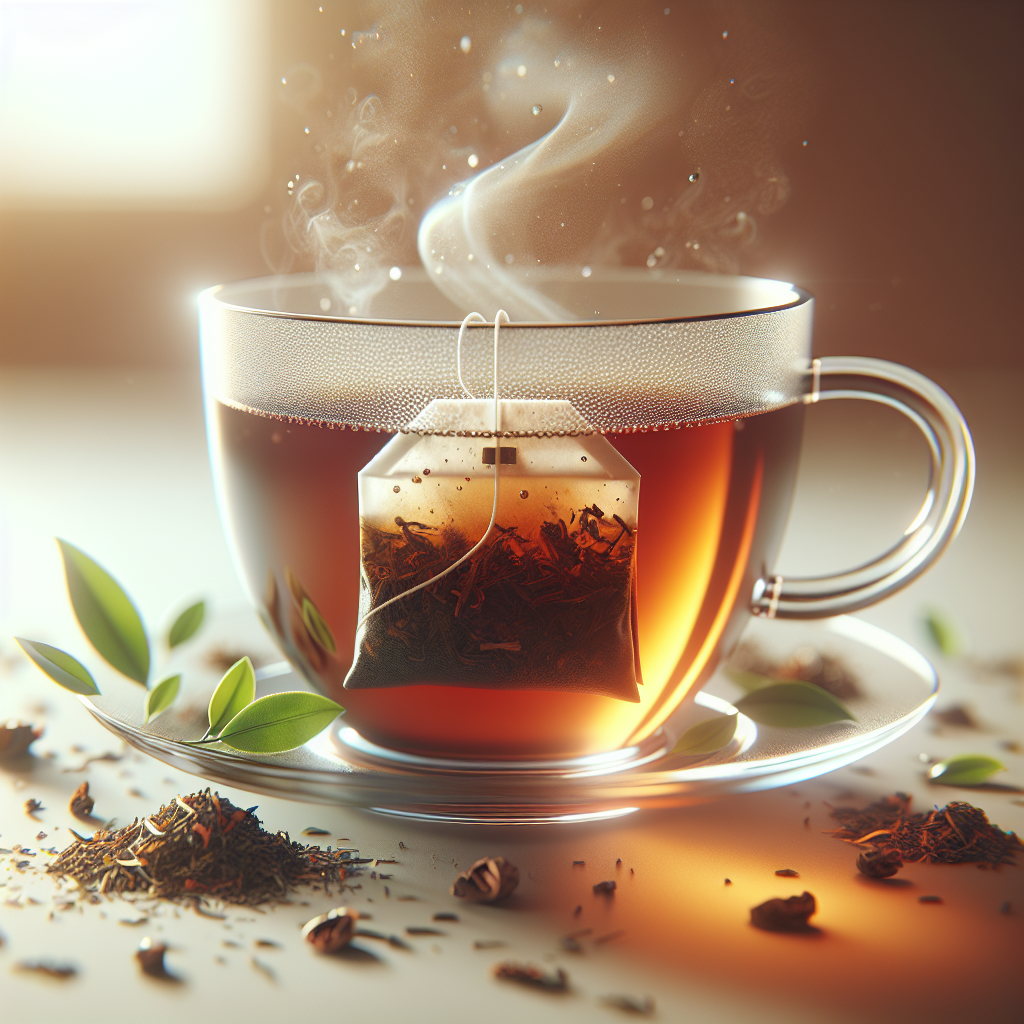
 Visual appeal forms another dimension. Watching unfurling leaves in transparent glass vessels marks meditative pleasure. Many enthusiasts photograph the amber hues and steam trails, highlighting purification themes. In cultural storytelling and branding, imagery of jasmine green tea symbolizes natural balance, tranquility, and refined wellness lifestyle.
Conclusion: Embrace the Art of Aroma and Essence
Enjoying jasmine green tea engages every sense—sight, smell, taste, touch, and even hearing when leaves awaken under soft pour. Beyond being just a beverage, it becomes a mindful daily ritual. The expert flavor notes—floral topmarks, smooth vegetal base, and graceful finish—invite you into centuries of craftsmanship. When you sip slowly, you connect with generations of artisans who perfected scenting under moonlit blossoms. Each cup reminds you how beauty can be both simple and intricate, fleeting yet memorable.
Frequently Asked Questions
What is the difference between jasmine green tea and regular green tea?
Regular green tea offers clean, grassy freshness, while jasmine green tea combines that purity with floral aroma from jasmine blossoms. The scenting process layers natural fragrance over heated tea leaves through multiple infusions, enhancing aroma complexity. This does not alter caffeine drastically but shifts sensory emphasis—floral rather than earthy. Choosing jasmine green tea means enjoying lush notes suited for stress relief and reflection, whereas plain green tea emphasizes vegetal clarity. Both share antioxidants, yet jasmine versions add an emotional dimension of calm and sophistication. Aromatic harmony defines their difference.
How should I store jasmine green tea to keep its scent fresh?
Store jasmine green tea away from light, air, and moisture in airtight containers. Keep at stable, cool temperature—preferably in a dark pantry rather than refrigerator to avoid condensation. Exposure to sunlight or humidity can degrade jasmine oils. Label date of purchase because aroma peaks within six months if sealed. Avoid storing near spices or strong-smelling herbs. Proper protection keeps jasmine green tea lively, preserving its signature floral grace. Regularly check scent intensity; if fragrance dulls, try consuming within a week to appreciate its gentle perfume at best.
Can I drink jasmine green tea every day?
Yes, jasmine green tea suits daily routines for most individuals. Its softened caffeine content provides alert focus without overstimulation. Regular intake supports antioxidant protection and aids mild digestion. Still, moderation matters: two to four cups suffice. Consuming very strong brews or late-night servings might disturb sensitive sleepers. Combining daily jasmine green tea with hydration balance and nutrient-rich meals complements sustainable wellness. Because it offers flavor diversity across batches, you can enjoy different sources weekly to expand taste horizons while maintaining comfort and well-being daily.
Does jasmine green tea help with relaxation or anxiety?
Many drinkers find jasmine green tea naturally soothing. The floral aroma contains compounds like linalool that relate to relaxation and mood upliftment. Coupled with L-theanine in green tea, it encourages calm attentiveness—an ideal blend for easing tension without drowsiness. Aromatherapy research supports how jasmine vapors lower heart rate and promote tranquility. Preparing jasmine green tea slowly, focusing on scent and temperature, amplifies mindfulness benefits. Turning such rituals into evening practice can reduce daily anxiety cycles by embedding peaceful sensory anchors connected to fragrance and breath rhythm.
Is cold-brewed jasmine green tea different from hot-brewed?
Cold-brewed jasmine green tea accentuates sweetness and delays bitterness usually released by higher temperatures. When steeped for 4–6 hours in cold water, it produces smooth floral infusion perfect for summer refreshment. Hot versions, conversely, highlight immediate aroma and warmth. Both preserve antioxidants but express different texture qualities—the cold brew feels silkier and tastes mellow. Experimenting with both methods broadens appreciation for jasmine green tea’s versatile personality. You might notice how aroma lingers longer in chilled infusions, making it a subtle, revitalizing companion on warm days.
What foods go best with jasmine green tea?
Light foods complement jasmine green tea beautifully. Think steamed fish, mild dumplings, or cucumber sandwiches for savory choices. Desserts such as almond cookies, vanilla sponge, and fruit tarts enhance its perfumed tone. Pairing should highlight—not overpower—the floral sweetness. Avoid highly spiced or smoky dishes since they mask subtle notes. Seasonal pairings also matter: serve iced jasmine green tea with citrus salad in summer or warm infusions with buttery pastries during cold months. The contrast emphasizes tea’s fragrance and keeps tasting experiences memorable and balanced.
Why is jasmine green tea often made with pearls?
Jasmine pearls are hand-rolled balls of green tea leaves scented repeatedly with jasmine blossoms. Their tight curls protect aromatic oils until steeping time. When added to hot water, they slowly unfurl, releasing fragrance gracefully. This aesthetic transformation defines premium jasmine green tea such as Jasmine Dragon Pearl. The method preserves freshness over storage and ensures consistent flavor release. Because craftsmanship determines uniform scent infusion, pearl forms often yield balanced, luxurious cups. Watching them bloom visually enhances mindfulness, transforming simple brewing into contemplative enjoyment of artistry and patience.
Can jasmine green tea assist with weight management?
Jasmine green tea, like other quality green teas, supports metabolic activity through catechin content, particularly EGCG (epigallocatechin gallate). While it’s not a magic slimming solution, regular moderate intake combined with balanced nutrition may assist weight management. Its mild caffeine helps stimulate energy usage, and its aromatic ritual can reduce unnecessary snacking by promoting satiety. Replacing sugary drinks with lightly sweetened jasmine green tea cuts calorie intake naturally. For lasting effects, pair consistent drinking with active lifestyle choices—steady movement, hydration, and mindful eating habits rooted in equilibrium.

Leave a Reply