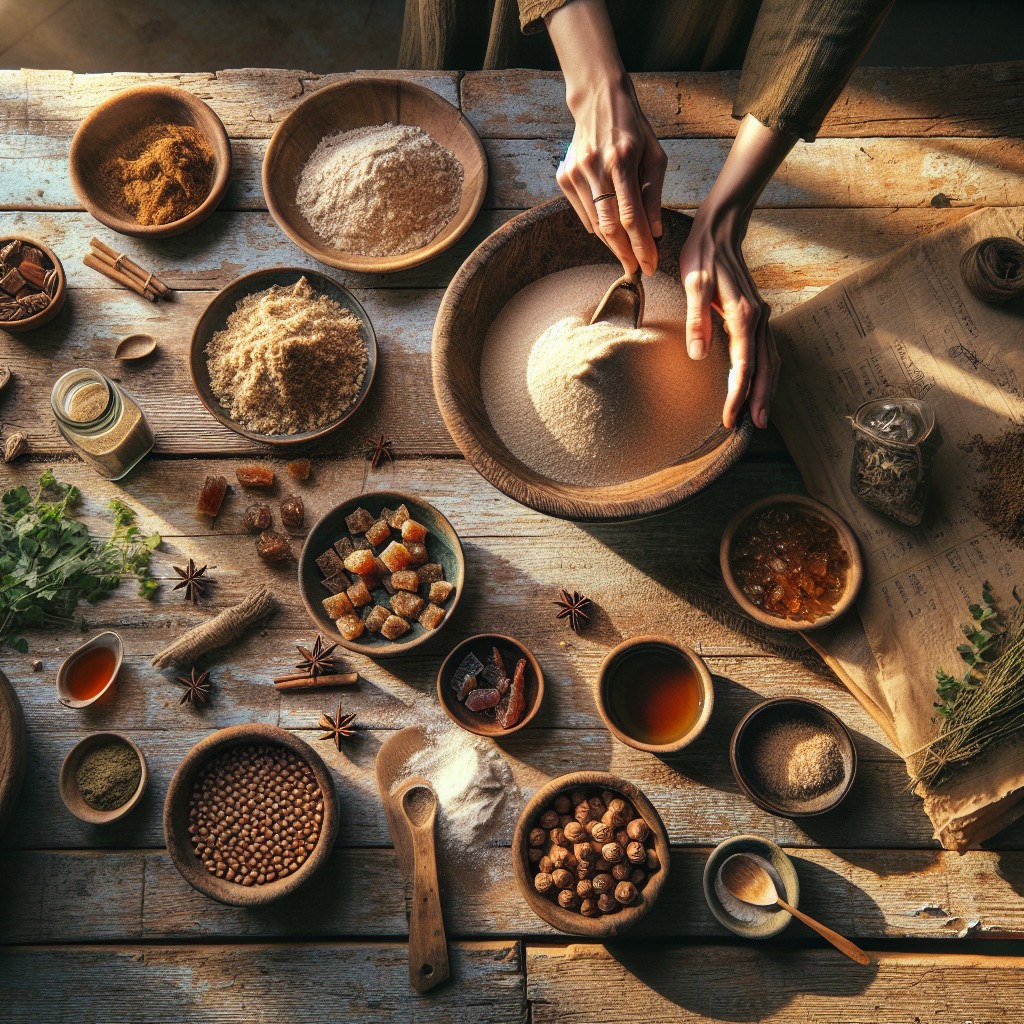
Sattu, a humble yet powerful ingredient, carries centuries of tradition and nourishment in every spoonful. If you’ve ever wondered how to make sattu at home, you’re not alone. From cooling summer drinks to hearty parathas, this roasted flour is a cornerstone of many Indian kitchens, especially in Bihar, Jharkhand, and eastern Uttar Pradesh. Learning how to make sattu at home allows you to control the flavor, freshness, and nutrition while connecting with an old-world wisdom that values simplicity and sustainability. Making sattu at home is remarkably easy once you understand the right grains, roasting technique, and grinding finesse.
Unlike packaged options, homemade sattu ensures purity—free from preservatives and commercial flavoring. This guide walks you step-by-step through the complete process: choosing ingredients, preparing them, roasting with precision, grinding to perfect consistency, and storing sattu for long-term use. You’ll also find insights into its regional adaptations, practical kitchen experiments, and expert-backed nutritional perspectives. By the end, you’ll master how to make sattu at home with confidence, turning everyday pulses and grains into a wholesome, versatile food that fits effortlessly in modern diets.
Understanding What Sattu Is
Sattu is essentially a roasted flour made from grains or legumes, most commonly roasted Bengal gram (chana). Its appeal lies in its natural, earthy profile and high nutrient density. While chana is the base ingredient in many regions, others use wheat, barley, maize, or even millets. The goal when studying how to make sattu at home is to preserve both the nutrients and flavor compounds formed during roasting.
Origins and Traditional Role of Sattu
Historically, sattu was the original “instant food.” Laborers, farmers, and travelers carried roasted gram flour because it didn’t spoil easily and required no cooking. They would simply mix it with water, salt, and lemon to recharge during long days. From the royal kitchens of Magadh to local dhabas on highways, understanding how to make sattu at home connects you with rustic culinary roots that valued nourishment and convenience long before fast food emerged.
Nutritional Value and Health Benefits
Sattu is often called the “protein powerhouse of the poor.” Each spoonful provides fiber, plant-based protein, iron, and electrolytes. It helps in balancing digestion and provides sustained energy. By mastering how to make sattu at home, you not only ensure freshness but also maintain the integrity of the nutrients that can easily be lost in mass-processed varieties. Sattu is gluten-free if made from gram flour alone, making it suitable for people with wheat intolerance.
Ingredients and Material Required
Before you begin, gather everything you need to achieve the clean, traditional taste of homemade sattu.
- Whole Bengal gram (chana) – about 2 cups
- Optional: Wheat grains, barley, or corn kernels if you wish to make multi-grain sattu
- Heavy-bottomed pan or iron wok for roasting
- Spatula or ladle for stirring uniformly
- Grinder or high-power blender
- Fine-mesh sieve for even texture
- Airtight container for storage
Choosing the Right Ingredients
Freshly harvested gram produces a deeper flavor when roasted. While learning how to make sattu at home, pay attention to grain quality—avoid split or old pulses that roast unevenly. For multi-grain versions, equal portions of each grain can be mixed post-roasting, allowing you to customize nutrition balance and taste profiles.
Step-by-Step Guide: The Process Of Making Sattu
This section outlines every practical step needed to prepare your own sattu using ingredients available in most Indian kitchens. Think of it as a balance between precision and instinct, allowing you to adapt how to make sattu at home to your tools and taste.
Step 1: Cleaning and Drying the Grains
First, rinse the legumes or grains quickly in water to remove impurities, stones, or dust. Spread them out on a clean muslin cloth and allow them to dry completely in the sun or under a fan. Moisture is the enemy of proper roasting—knowing this helps significantly when learning how to make sattu at home.
Step 2: Roasting With Precision
Heat a heavy-bottomed pan over medium flame. Add the dried chana and stir continuously to ensure even roasting. You’ll notice a nutty aroma emerging, and the skin begins to slightly darken. Reducing flame during this process can prevent bitterness. Proper roasting is pivotal in how to make sattu at home because it enhances digestibility and sweetness through Maillard reactions—natural browning and caramelization that develop depth of flavor.
How to Make Sattu at Home: Achieving Perfect Roast
Every grain should be evenly browned but not burnt. The color can range from golden to light brown depending on your preference. You can test readiness by biting a grain—it should be crunchy yet not overly hard. Once done, remove from heat and allow it to cool fully before grinding. This step defines success in how to make sattu at home.
Step 3: Grinding and Sieving
After cooling, transfer the roasted grains to a grinder. Pulse until they form a coarse powder. For a fine texture, run it longer, pausing intermittently. Use a sieve to filter large particles, and regrind any coarse bits. This two-step grinding ensures even consistency. Sifting is a traditional step that many skip but remains integral when truly understanding how to make sattu at home.
Step 4: Cooling and Storing
Once ground, allow the sattu to cool again before storing. Moisture may condense inside containers if sealed while warm. Store in airtight jars or tins and keep in a dry place. When following how to make sattu at home guidelines, always label your jars with the making date since freshness influences flavor and aroma.
How to Make Sattu at Home in Different Regional Styles
India’s cultural diversity brings countless variations to this seemingly simple flour. Understanding these regional nuances enriches your appreciation of how to make sattu at home.
Bihari-Style Sattu
In Bihar, sattu is a summer essential—used both as a drink and stuffing in parathas. Locals usually mix roasted gram, a pinch of salt, cumin, lemon juice, and water. The roasted flavor is carefully controlled to maintain a delicate balance between smoky and nutty notes, a hallmark of the perfect recipe for how to make sattu at home.
Punjabi and Rajasthani Versions
In Punjab and Rajasthan, sattu often includes roasted barley for an extra malty depth. These regions favor slightly coarser textures for use in laddoos or as meal replacements. Experimenting with grains such as barley can help diversify your routine while exploring how to make sattu at home through grain blending.
Urban Healthy Twist
Urban homes have adapted sattu into smoothies and energy bars. When you experiment with modern applications of how to make sattu at home, consider pairing it with almond milk, honey, or even coffee for functional drinks that combine ancient nutrition with modern wellness trends.
Practical Uses of Homemade Sattu
Once you learn how to make sattu at home, the real fun begins—experimenting with its many uses. Sattu is one of the few ingredients that bridge breakfast, snacks, and complete meals.
- Sattu Drink: Add 2 tablespoons sattu, 1 cup cold water, salt or jaggery, and a squeeze of lemon. Stir well and serve chilled.
- Sattu Paratha: Mix sattu with spices, water, and onion for stuffing. Roll inside whole wheat dough and roast on a tawa.
- Sattu Ladoo: Combine sattu with ghee and powdered sugar to make quick protein-rich sweets.
- Energy Mix: Blend sattu with dried fruits and honey to create on-the-go nutrition balls.
These recipes show the versatility offered by the knowledge of how to make sattu at home. You can adjust ratios and flavors based on personal tastes or seasonal requirements. Once prepared, it replaces synthetic protein powders and complements tea, coffee, or homemade drinks.
Pairing Sattu with Tea and Healthy Beverages
For those who enjoy thoughtful sipping, sattu goes surprisingly well with herbal teas. A tall glass of chilled sattu drink paired with refreshing green tea can provide both energy and detox support. To explore more about tea traditions, you can visit Tea Association of the USA or dive into Tea History on our internal blog.
Common Mistakes to Avoid
Mistakes often occur when rushing through the preparation. Here are some key lessons that reinforce your understanding of how to make sattu at home effectively.
- Under-roasting: Leaves raw smell and reduces digestibility.
- Over-roasting: Causes bitterness.
- Grinding hot grains: Creates moisture and lumps.
- Inadequate storage: Leads to rancidity or pest infestation.
Patience and precision make a world of difference. Seasoned home cooks compare roasting to the art of brewing tea—temperature and timing matter. To further explore such mindful culinary parallels, check Tea Ceremonies Around the World.
Expert Insights and Analysis
When evaluating how to make sattu at home, dietitians often highlight its nutrient density and cost-effectiveness. Compared to popular protein supplements, homemade sattu offers roughly 20 grams of protein per 100 grams, along with minerals like magnesium, calcium, and zinc. Nutritionists recommend consuming homemade sattu as part of breakfast or mid-morning snacks for steady energy levels. Ayurvedic practitioners also praise sattu for its cooling properties, especially during hot months when it reduces internal heat (“pitta”).
Environmental and Economic Perspective
Homemade sattu resonates with sustainable living. The process of how to make sattu at home uses minimal energy, produces no waste, and encourages local sourcing of pulses. Unlike processed protein mixes, its carbon footprint is negligible, and it supports small farmers. Every batch you make strengthens local food ecosystems.
Storage Duration and Shelf Life
When dry and sealed properly, homemade sattu can last up to six months. If you live in humid regions, adding a small dry neem leaf or storing in the refrigerator helps prevent moisture absorption. Consistent monitoring is key when applying how to make sattu at home practices long-term.
Conclusion
Learning how to make sattu at home empowers you to embrace wholesome living—an ancient tradition meeting modern convenience. Each step, from selecting fresh grains to roasting and grinding, reveals how accessible traditional nutrition can be. Whether you sip sattu drinks under the summer sun or knead it into parathas for a nourishing lunch, the satisfaction of homemade sattu stands unmatched. Now that you know how to make sattu at home, experiment with blends, share tastes with your community, and preserve this timeless technique for future generations.
Frequently Asked Questions
What are the essential steps in how to make sattu at home?
The essential steps include cleaning, drying, roasting, grinding, sieving, and storing the grains. When mastering how to make sattu at home, focus on achieving an even roast for deep flavor and long shelf life. Cooling grains before grinding avoids moisture buildup, ensuring smooth texture and fresh taste. Always store in airtight jars to preserve the roasted aroma and nutrition. Over time, practice helps you gauge ideal roasting color and fine-tune textures suited to individual recipes or preferences.
Can I use different pulses when learning how to make sattu at home?
Absolutely. Traditional versions use roasted chana, but you can mix wheat, barley, or millets for variation. Experimenting with multiple grains expands both nutrition and flavor. When you try different pulses for how to make sattu at home, adjust roasting time because each grain type browns differently. Multi-grain sattu is popular among health-conscious individuals seeking wholesome protein blends while maintaining authentic taste profiles connected to regional cooking traditions.
How long does homemade sattu stay fresh when following how to make sattu at home?
If kept airtight and dry, sattu stays fresh up to six months. Humidity shortens its shelf life, while direct sunlight may fade its aroma. To extend freshness when implementing how to make sattu at home, use glass jars with tight lids and store in cool cupboards. Regularly shake the container to prevent clumping. For warm climates, refrigerating sattu helps retain its crisp flavor and slightly roasted fragrance without altering taste.
Are there any quick recipes using how to make sattu at home as a base?
Yes. You can instantly make a cooling sattu drink by mixing two spoons of sattu, water, lemon juice, and salt or jaggery. Another quick recipe after you learn how to make sattu at home is sattu porridge—combine sattu with warm milk, honey, and bananas. It’s ideal for breakfast or post-workout nutrition. Including sattu in rotis or laddoos adds flavor, texture, and wellness in minimal time, all thanks to the convenience of homemade sattu.
What equipment do I need for how to make sattu at home?
The process is simple and uses everyday tools. You’ll need a heavy-based pan or wok for roasting, a grinder or blender for pulverizing, and a sieve for uniform texture. To store the final product, airtight glass containers work best. Mastering setup helps in refining your whole experience of how to make sattu at home, balancing tradition with minimal equipment for practical, repeatable results in any kitchen space.
Can kids and elderly people safely consume sattu made at home?
Yes, sattu is suitable for almost all age groups unless someone has legume sensitivities. When families practice how to make sattu at home, they usually serve lighter drinks for children and denser parathas or laddoos for adults. For the elderly, combining sattu with buttermilk eases digestion while delivering protein. Always use freshly roasted ingredients and moderate seasoning so it remains gentle on the stomach and highly nutritious.
How to make sattu at home for commercial or large-scale use?
For bulk preparation, scaling how to make sattu at home involves batch roasting using larger iron vessels or ovens to maintain consistency. Industrial grinders can handle higher quantities efficiently, but traditional principles remain unchanged: proper roast, complete cooling, fine grinding, and airtight storage. Many small businesses base their local food productions on homemade sattu, offering authentic flavor with community-based sourcing and mindful manufacturing ethics.
Does sattu pair well with tea or herbal infusions?
Indeed. A chilled glass of sattu blended with lemon and honey makes a refreshing companion to traditional Indian tea. It’s hydrating and light, giving balanced nourishment on hot days. You can explore ideas at TeaClass Educational Portal for how to complement different teas with snacks inspired by how to make sattu at home. The duo harmonizes energy and relaxation beautifully.


Leave a Reply