
For tea lovers who crave something distinctive yet comforting, few blends capture the essence of Indian tea heritage like darjeeling assam. This exquisite pairing blends the floral subtlety of Darjeeling with the malty depth of Assam, producing a cup that is both complex and fulfilling. Whether enjoyed in the soft morning light or as an afternoon ritual, savoring darjeeling assam can transform your tea habit into an art grounded in patience, technique, and appreciation of terroir.
In India, both Darjeeling and Assam regions are world-renowned for their unique tea characteristics—one light and muscatel, the other bold and brisk. When the two meet in a single cup, the result embodies the best of both worlds. Learning to brew darjeeling assam properly is not just about following steps; it is about understanding leaf oxidation, water temperature, infusion timing, and how to bring out complex flavor harmonies. In this guide, we’ll explore expert brewing tips, pairing ideas, storage strategies, and ways to elevate your everyday tea experience.
The Origins and Character of Darjeeling Assam
Before mastering the brew, it helps to understand what makes darjeeling assam tea so distinctive. Both tea varieties originate from high-quality Camellia sinensis leaves, but their growing conditions and processing differ dramatically. Darjeeling, often grown at elevations above 2000 meters in the misty Himalayan foothills, produces a light-bodied tea with fragrant, fruity notes and a slight astringency known as “muscatel.” Assam, by contrast, is cultivated in the humid lowlands of India’s Brahmaputra Valley, yielding robust teas with a malty, full-bodied flavor profile.
Combining them in the right proportion offers a velvet balance—Darjeeling provides the aromatic high notes, while Assam brings structure and depth. For a smooth, well-rounded blend, master blenders typically choose first-flush or second-flush Darjeeling with premium broken-leaf Assam. The fusion delivers a balanced liquor that pairs beautifully with breakfast pastries or a quiet evening by the fire.
Understanding the Dual Terroir
The concept of terroir—how soil, climate, and elevation shape taste—is crucial to appreciating darjeeling assam. The Himalayan mist in Darjeeling slows plant metabolism, enhancing aromatic compounds, whereas Assam’s warm monsoon climate accelerates leaf growth, concentrating tannins. This dual terroir interplay produces a layered flavor structure that no single-origin tea can achieve on its own.
Some sommeliers describe darjeeling assam as ‘symphonic’: each region contributes a note that builds harmony. The blend is increasingly sought after in global specialty tea circles, where connoisseurs value traceability and the craftsmanship of hand-rolled leaves.
Essential Equipment for Brewing Darjeeling Assam
Great tea demands simple but purposeful tools. Your equipment need not be elaborate; precision and cleanliness matter more. Having the right setup ensures the stylish fusion of Darjeeling fragrance and Assam depth shines fully.
- Teapot or gaiwan: Porcelain or glass teapots allow you to observe color progression during steeping.
- Kettle with temperature control: For darjeeling assam, aim for around 90–95°C. Too hot can scorch delicate Darjeeling leaves; too cool will mute Assam’s strength.
- Fine-mesh infuser: To hold smaller leaves or broken blends effectively.
- Scale and timer: For consistency, weigh your leaves and monitor steeping time precisely.
Making thoughtful equipment choices is part of respecting the process. Even a simple bamboo tray can add grace to your brewing space, grounding your tea ritual in mindfulness.
Expert Brewing Techniques for Darjeeling Assam
Brewing the perfect cup of darjeeling assam is both science and art. Each parameter—leaf ratio, temperature, steeping time—affects the final aroma and complexity. Let’s delve deeper into steps recommended by tea masters who work with hundreds of micro-lots yearly.
The Ideal Leaf-to-Water Ratio
Use approximately 2 grams of loose tea per 200 ml of water. If you prefer a stronger body, increase the ratio slightly but avoid exceeding 3 grams unless you enjoy pronounced bitterness. When combining the two tea types manually, a 60% Assam to 40% Darjeeling ratio yields balanced results. The higher Assam proportion provides structure without overpowering Darjeeling’s elegance.
Temperature and Steeping Duration
Water between 90°C and 95°C allows both tea varieties to release their flavor gradually. Use freshly boiled, filtered water for purity. Brew for 3–4 minutes; shorter infusions highlight Darjeeling’s brightness, while slightly longer ones bring richer Malt notes from Assam. Always taste midway—darjeeling assam responds dynamically to time. When re-steeping, reduce the infusion duration slightly, as flavor extracts faster from moist leaves.
How Vessel Material Affects Taste
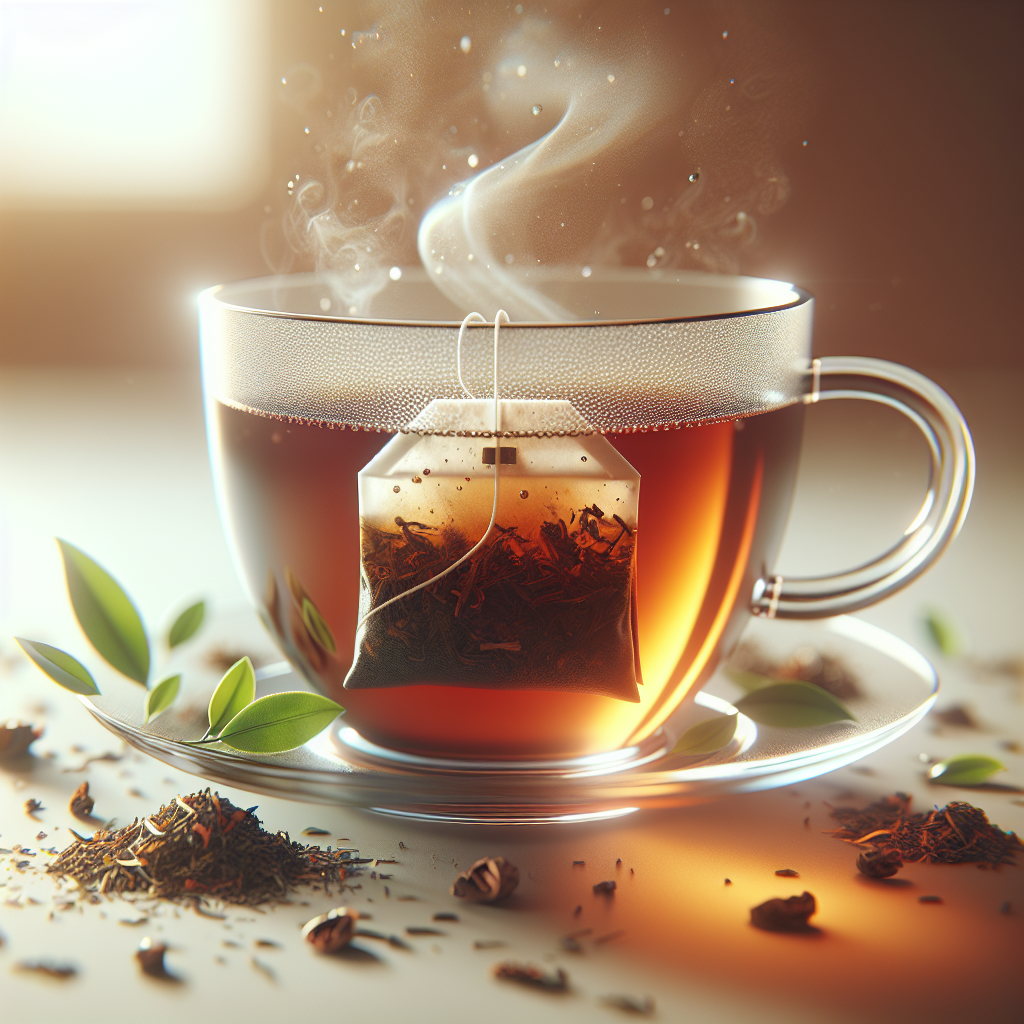
The interaction between tea and teaware matters. Porcelain teapots preserve aroma by reflecting heat evenly. Clay teapots, however, slightly absorb tannins, softening Assam’s intensity. If you enjoy layered fragrance, glass teapots beautifully display the amber hue of freshly brewed darjeeling assam, enhancing optical pleasure as part of the experience.
Flavor Balancing Techniques for Darjeeling Assam
Once you master basic brewing, experiment with minor tweaks to personalize your cup. To emphasize the floral tone, reduce steeping temperature slightly. For a bolder profile, extend brewing by 30 seconds. If the brew feels astringent, try cooler water and shorter steps, adjusting leaf grade accordingly. Many tea artisans mix in second-flush Darjeeling for added briskness while pairing with golden-tip Assam for honey depth.
Artful Pairings and Culinary Harmony
Darjeeling assam’s complexity makes it a versatile partner for both delicate and hearty foods. Pairing enhances the sensory storyline between aroma, taste, and texture. In boutique tearooms, sommeliers often curate tasting menus to demonstrate how a cup can highlight and contrast culinary notes.
- Breakfasts: Pair darjeeling assam with buttery croissants or oat scones; the malty side complements warm grains elegantly.
- Desserts: Its balanced tannin cuts through sweetness in lemon cake or chocolate mousse.
- Savory Meals: Light curries or smoked cheeses pair well when the Assam element anchors the flavor richness.
Milk, Honey, or Pure?
Traditionally, darjeeling assam is enjoyed plain to appreciate its layers. However, small amounts of milk can soften Assam’s body, while honey adds a gentle floral lift echoing Darjeeling notes. Try a spoonful of unrefined cane sugar for an old-fashioned Anglo-Indian touch. The goal is enhancement, not masking complexity.
Storage and Preservation
Proper storage ensures your darjeeling assam retains its aromatics for months. Always keep in an airtight container away from light, moisture, and strong odors. Avoid the refrigerator—temperature fluctuations cause condensation. Store small portions separately if possible. For collectors, vacuum-sealed tins with nitrogen flushing preserve freshness remarkably well.
Recognizing Freshness
Fresh darjeeling assam should emit a lively floral-spice scent. Dull fragrance or faded color indicates oxidation or humidity exposure. When purchasing, favor vendors who list harvest dates and lot numbers; transparency signals quality stewardship.
Cultural and Historical Perspective
The darjeeling assam blend mirrors India’s colonial tea legacy and its reinvention into a modern artisanal beverage. British planters in the 19th century introduced hybrids, aiming to replicate China’s elegance with India’s productivity. Today, Indian tea entrepreneurs revive heritage gardens and sustainable plucking methods, giving global prominence to authentic estate teas.
For additional context on the evolution of tea in India, explore Tea History on teastory.blog, which examines how regional cultivation shaped contemporary styles. You can also visit the Tea Cultivation guide to learn how varied terroirs influence flavor chemistry.
Health Insights and Scientific Findings
Modern nutritionists highlight darjeeling assam as both invigorating and balancing. Assam tea’s higher polyphenol content supports cardiovascular health by reducing oxidative stress, while Darjeeling’s antioxidants promote cellular renewal. Together, they make an ideal beverage for mental alertness and digestive comfort.
Mindful Consumption Rituals
Many tea practitioners view tea preparation as meditation. The slow rhythm of brewing darjeeling assam creates a contemplative pause in daily life. Aligning breath with pour motion or savoring aroma before sipping enhances well-being. Even five mindful minutes can reduce stress and sharpen focus.
Scientific Validation of Benefits
Research by global institutions such as Tea Association of the U.S.A. and India’s Tea Board confirms numerous phytochemical benefits of premium black teas, including darjeeling assam blends. Studies indicate they provide catechins, theaflavins, and L-theanine, all promoting steady energy and calm alertness without caffeine crash.
Modern Brewing Trends
Contemporary tea culture celebrates experimentation. Cold brewing and nitro-infused tea taps are now common in specialty cafes. Darjeeling assam performs beautifully in these innovations: cold steeping for 8 to 10 hours in filtered water yields a naturally sweet, amber drink perfect for summer refreshment. Adding citrus zest or rose petals infuses aromatic depth while honoring tradition in a new form.
Eco-Responsibility and Ethics
Demand for sustainable sourcing is rising. Many estates in Darjeeling and Assam now operate under Rainforest Alliance or Fair Trade certifications. When purchasing darjeeling assam, check ethical labels; they ensure fair wages and biodiversity preservation. Supporting such practices reinforces a responsible tea ecosystem that values both growers and drinkers.
Visual Appreciation of the Blend
 The beauty of darjeeling assam extends beyond flavor. Observe its copper-gold infusion and mixed leaf textures: twisted Darjeeling leaves speckled with golden Assam tips. Visual harmony reflects flavor synergy, reminding us that each element exists in deliberate balance.
Serving Inspiration at Home
Entertaining with darjeeling assam can elevate your gatherings. Serve in simple white cups to highlight liquor color. Offer two pots—one slightly stronger, one lighter—so guests can experience spectrum variation. Accompany with citrus slices or cinnamon sticks for a festive touch. The aroma immediately creates a welcoming atmosphere.
Signature Infusion Example
Here’s a refined brewing demonstration often used by tea sommeliers:
- 3 grams of tea per 250 ml water.
- Temperature: 92°C.
- Steep time: 3 minutes 45 seconds.
- Serve without milk to appreciate distinction between floral and malt notes.
This configuration highlights both origins—Darjeeling’s muscatel top and Assam’s smooth undertone—yielding a delicately strong cup.
Conclusion: The Lasting Charm of Darjeeling Assam
To savor darjeeling assam is to participate in centuries of craftsmanship and cultural exchange. Each cup bridges elevation and valley, subtlety and strength. Brewing becomes a sensory art that rewards attention to detail and respect for heritage. Whether you follow traditional steeping or adapt to modern variations, the key is awareness of your leaves, your water, and your moment. When done mindfully, darjeeling assam offers not just flavor but perspective—a daily reminder that balance and depth often come from union of contrasts.
Frequently Asked Questions
What is the ideal water temperature when brewing darjeeling assam?
For darjeeling assam, the ideal temperature ranges between 90°C and 95°C. This balance allows the Darjeeling portion to release fine floral notes while letting Assam contribute body and boldness. Using water that is too hot can destroy delicate aromas; too cool will leave the cup weak. Consistency is vital, so use a thermally calibrated kettle or thermometer. When experimenting with different flushes or leaf grades, keep records so the perfect balance can be repeated effortlessly each time.
Can I drink darjeeling assam with milk, or should it always be plain?
Traditionally, pure tasting is preferred, but darjeeling assam’s structure handles small additions of milk gracefully. Assam’s malt tones integrate with creaminess, while Darjeeling maintains fragrance. Ensure the brew is slightly stronger before adding milk to avoid dilution. Non-dairy options like oat or almond milk also work if heated separately. The choice ultimately depends on your texture and taste preference; there is no strict rule except enjoying balance. Many aficionados alternate styles for seasonal variety and mood alignment.
How should I store darjeeling assam for maximum freshness?
Store darjeeling assam in opaque, airtight tins away from sunlight and moisture. The goal is to prevent oxygen exposure that dulls aroma and flavor. Avoid glass jars unless they’re placed in dark cupboards. If you buy in bulk, divide into smaller batches to limit frequent air contact. Never refrigerate unless sealed perfectly airtight. By preserving stable temperature and dryness, you can comfortably maintain premium character for several months, experiencing full-bodied smoothness with every cup.
What foods pair best with darjeeling assam during meals?
Darjeeling assam matches diverse foods—croissants, buttered toast, semi-sweet desserts, or even mild curries. Its floral top lifts lighter dishes while the malt depth balances savory elements. A midday pairing might include smoked salmon with dill or goat cheese bruschetta, echoing its layered tones. In sweeter contexts, chocolate truffles or fruit pastries work elegantly. Serving this blend during brunch bridges breakfast heartiness and afternoon relaxation, bringing harmony through complementary contrasts on the palate.
Is darjeeling assam suitable for cold brewing?
Yes. Darjeeling assam cold brew yields a naturally sweet, low-acid refreshment. Use 8–10 grams of leaves per liter of chilled, filtered water, steeping for about 8 hours in the fridge. Strain and serve with lemon slices or rose petals for aromatic uplift. This method minimizes bitterness and accentuates muscatel undertones. The result: a crisp, amber-hued tea perfect for summer hydration. Cold brewing also preserves antioxidants, providing healthful refreshment without caffeine jitters typical of iced coffee.
How does caffeine content in darjeeling assam compare to coffee?
Darjeeling assam typically contains about half the caffeine of a similar-sized cup of coffee. The exact level varies by flush, oxidation, and brew time. Assam contributes more caffeine than Darjeeling, producing a stimulating yet smooth alertness. Unlike coffee’s quick spike, tea’s L-theanine balances energy release, promoting mental focus and sustained calm. For those sensitive to caffeine, shorter steeping or afternoon serving limits intensity while preserving flavor richness. Thus, darjeeling assam remains an energizing but gentle option.
What sustainability certifications should I look for when buying darjeeling assam?
When shopping for darjeeling assam, seek certified labels such as Fair Trade, Rainforest Alliance, or Ethical Tea Partnership. These standards ensure growers receive equitable wages and that ecosystems remain protected. Ethical sourcing supports smallholder communities and preserves tea biodiversity. Reputable vendors disclose estate origins, harvest dates, and certification bodies. Buying responsibly makes each sip meaningful—an act of wellness not just for yourself but for the planet that nurtures your tea. Awareness enhances every brew.

Leave a Reply