
There’s something soothing and grounding about preparing a fresh cup of tea, especially when it’s done intentionally and with care. This guide walks you through a simple green tea recipe that you can follow at home, no matter your level of experience. Whether you’re exploring the calming aroma and gentle bitterness of Japanese sencha or savoring the toasty notes of Chinese longjing, the process of creating your own perfect green tea begins with understanding the leaves, water, and brewing technique. In the next sections, you’ll learn everything from step-by-step preparation to expert variations, so that each sip captures the balance of flavor and wellness that makes green tea timeless.
Before you start brewing, it’s important to know that a good green tea recipe isn’t just about instructions—it’s about awareness. The water temperature, steeping time, and tea-to-water ratio all influence the outcome. Too hot, and the brew becomes bitter; too cold, and it loses character. By following this detailed guide, you’ll unlock how to personalize your cup, whether you prefer a delicate or robust taste. Let’s begin by breaking down what makes this delightful herbal infusion so intriguing and versatile in the world of tea craftsmanship.
Understanding the Essentials of a Green Tea Recipe
Every well-made green tea recipe relies on a few fundamentals. These elements—quality leaves, clean water, proper temperature, and precise timing—set the tone for the final drink. Master these basics, and you can tweak the result to your liking while maintaining consistency.
Choosing the Right Tea Leaves
Leaf quality is the most significant factor when it comes to any green tea recipe. Always select whole, unbroken leaves rather than tea dust or fannings found in mass-produced tea bags. Loose-leaf varieties such as Gyokuro, Dragon Well, or Sencha offer deeper flavors and allow for nuanced control of steeping. Look for vibrant green leaves with a fresh, grassy aroma; dull or faded leaves often signal age and loss of essential oils.
Water Quality and Temperature
Water plays an equally vital role in your green tea recipe. Ideally, use filtered or spring water free from chlorine or heavy minerals. Temperature precision matters—boiling water can scorch the leaves, leading to astringency. Aim for around 75°C to 85°C (167°F to 185°F) depending on the type of green tea you use. Japanese green teas tend to prefer cooler water, while Chinese greens often thrive slightly hotter.
Measuring Tea-to-Water Ratio
Getting the ratio right in a green tea recipe prevents waste and enhances flavor. A general rule: use 2 grams (about one teaspoon) of leaves for every 150 ml of water. If you like stronger tea, increase the leaves rather than steeping longer. Oversteeping releases tannins, resulting in bitterness. A digital scale helps ensure accuracy, especially for those who frequently brew.
Step-by-Step Guide: Your Simple Green Tea Recipe
Now that you understand the essentials, let’s move into the brewing process itself. This section outlines each stage of creating a balanced and aromatic cup using a basic green tea recipe suitable for daily preparation.
Step 1: Preheat the Teapot or Cup
Before adding the tea leaves, preheat your vessel. Pour hot water into the teapot or cup, swirl it around for a few seconds, and then discard. This helps maintain temperature stability, ensuring even extraction when brewing.
Step 2: Measure and Add Tea Leaves
Use your preferred loose-leaf variety based on flavor preference. The measured leaves should be placed directly into the warmed teapot or an infuser basket. Remember, quality leaves expand significantly during steeping, allowing their aroma to unfold fully.
Step 3: Adjust Water Temperature
In a kettle or saucepan, bring water to the right range—between 75°C and 85°C. If you don’t have a thermometer, boil the water, then let it cool for a minute or two before using. The degree of cooling influences the color and flavor intensity of your green tea recipe.
Step 4: Pour and Steep
Pour hot water gently over the leaves and let them steep for around 1–3 minutes. Timing variations exist depending on the tea’s origin, cut, and desired strength. Experiment to discover your preferred balance. For example, delicate Japanese Sencha may only need 60 seconds, while robust Chinese Gunpowder green tea might tolerate up to three minutes.
Step 5: Strain and Serve
Once the brewing time is complete, pour your tea through a strainer into a cup or serving pot. Observe the color—it should appear light green to yellow, never dark or cloudy. Sip and assess the aroma, noting how the flavor sharpens slightly as it cools.
Enhancing Flavor in Your Green Tea Recipe
When you master the basics, consider fine-tuning your green tea recipe with easy upgrades. From incorporating spices to pairing it with complementary snacks, these small changes can elevate your daily tea ritual into a rich sensory experience.
Natural Add-Ins to Experiment With
While purists favor plain tea, adding subtle elements can diversify taste profiles:
- Lemon slices enhance brightness and add vitamin C.
- A drizzle of honey balances mild bitterness with floral sweetness.
- Fresh mint or basil adds cooling herbal depth.
- A few ginger slices offer warmth and digestion support.
- For an indulgent touch, a pinch of matcha powder intensifies the flavor.
Perfect Pairings for Meals and Snacks
A refined green tea recipe pairs wonderfully with light meals and snacks. Try serving with sushi, steamed dumplings, nutty rice crackers, or roasted vegetables. For a sweet pairing, choose almond cookies or delicate fruit tarts. The mild tannins cleanse the palate, improving your dining experience.
Green Tea Recipe Variations Around the World
Cultural variations add richness to how a green tea recipe is interpreted globally. For example, in Japan, cold-brewed green tea, or Mizudashi, relies on long steeping in cold water to create a silky, low-caffeine beverage perfect for warm afternoons. In China, pan-fired green teas emphasize briskness and chestnut-like profiles. Meanwhile, Moroccan mint tea combines gunpowder green tea with sugar and fresh mint, delivering a vibrant hospitality staple. Each cultural technique preserves authenticity while highlighting unique local expressions.
Health Benefits of Following a Green Tea Recipe
Besides its flavor appeal, a consistent green tea recipe promotes numerous health benefits when consumed regularly and mindfully. Scientific studies link green tea’s catechins and antioxidants to improved metabolism, reduced oxidative stress, and enhanced focus.
Physical Health Boosts
Green tea’s antioxidant compounds, especially EGCG (epigallocatechin gallate), support cardiovascular health by protecting blood vessels and regulating cholesterol levels. Regular consumption may also aid weight management and improve skin elasticity through detoxification. Controlled brewing temperature in your green tea recipe helps retain these beneficial compounds.
Mental and Emotional Balance
Beyond physical well-being, brewing and drinking green tea introduces calm focus, partly due to L‑theanine, an amino acid that promotes relaxation without drowsiness. When you engage in a mindful green tea recipe routine, it becomes both a meditative exercise and a gentle caffeine ritual that sharpens attention while reducing stress.
Practical Tips for Perfecting Your Green Tea Recipe
Even seasoned tea drinkers occasionally struggle with balance. Here are professional strategies for consistency and long-term flavor improvement, ensuring your green tea recipe always delivers satisfaction.
Storage and Freshness
Keep tea leaves in airtight containers, away from light and moisture. Oxygen exposure dulls aroma; sunlight fades chlorophyll, leading to stale taste. Ideally, store in opaque tins in a cool place. Avoid the refrigerator since condensation can damage delicate leaves.
Re-Steeping Techniques
Unlike most teas, a green tea recipe can yield multiple steeps. After your first brew, reuse the leaves up to two more times. Each steep reveals new layers—light bitterness fades, replaced by smoother sweetness. Shorten steep time slightly with each round to prevent over-extraction.
Brewing Equipment Options
From sleek glass teapots to clay Kyusu, equipment choice influences flavor tone. Glass vessels let you monitor color; porcelain retains neutral flavor; traditional clay pots slightly season future brews for richer complexity. Regardless of material, always rinse after use to prevent residue buildup.
Green Tea Recipe and Sustainability
Ethical sourcing matters. When selecting tea, support producers focused on sustainable farming and fair trade. High-quality estates often publish harvesting details and origin data. By prioritizing such transparency, your green tea recipe becomes part of a broader story of environmental care. For reliable sourcing information, explore organizations like Tea Association of the USA and World Tea News.
Examples of Customized Green Tea Recipes
Experimentation opens creative paths. Below are distinctive ways to adapt your green tea recipe to different lifestyles or seasons, showing flexibility while retaining nutritional benefits.
Morning Energizer Blend
Mix sencha with a small amount of roasted brown rice (genmai). This version offers toasty aroma and soft caffeine release—ideal before work or study. Brew using 80°C water for two minutes for balance. Pair with light breakfast options such as oats or yogurt.
Cooling Summer Infusion
Prepare a cold-steep version by letting leaves soak in chilled filtered water overnight. The resulting liquor is smooth, sweet, and low in bitterness. Serve over ice with slices of cucumber or citrus peel for visual appeal and subtle complexity.
Evening Relaxation Tea
Opt for low-caffeine green teas like kukicha (twig tea). Add chamomile flowers or lemongrass for relaxing notes. Steep briefly in water below 80°C. Enjoy before bedtime to unwind with gentle aroma and restorative calm.
Advanced Green Tea Recipe: Matcha Whisking
Matcha preparation is both art and mindfulness practice. Use a bamboo whisk (chasen) to blend fine powder with hot water until frothy. The result is vibrant, full-bodied, and nutrient-rich. This particular green tea recipe differs from steeped methods but shares the same calming ritual. To learn more about preparation techniques, visit Tea Story’s tea ceremonies page where tradition meets modern wellness practices.
Serving, Presentation, and Culture
Presentation completes the experience. Serving your green tea with grace transforms a simple drink into a cultural statement. Focus on clean lines, minimalist trays, and calm lighting to enhance the visual perception of aroma and shade.
Hospitality and Ceremony
In Japanese and Korean traditions, offering green tea reflects respect and humility. Even casual tea sharing builds connection. Use your green tea recipe to create moments of hospitality, reinforcing presence rather than hurried consumption. Such experiences cultivate appreciation far deeper than a beverage—it becomes a ritual of gratitude.
Modern Aesthetic Touches
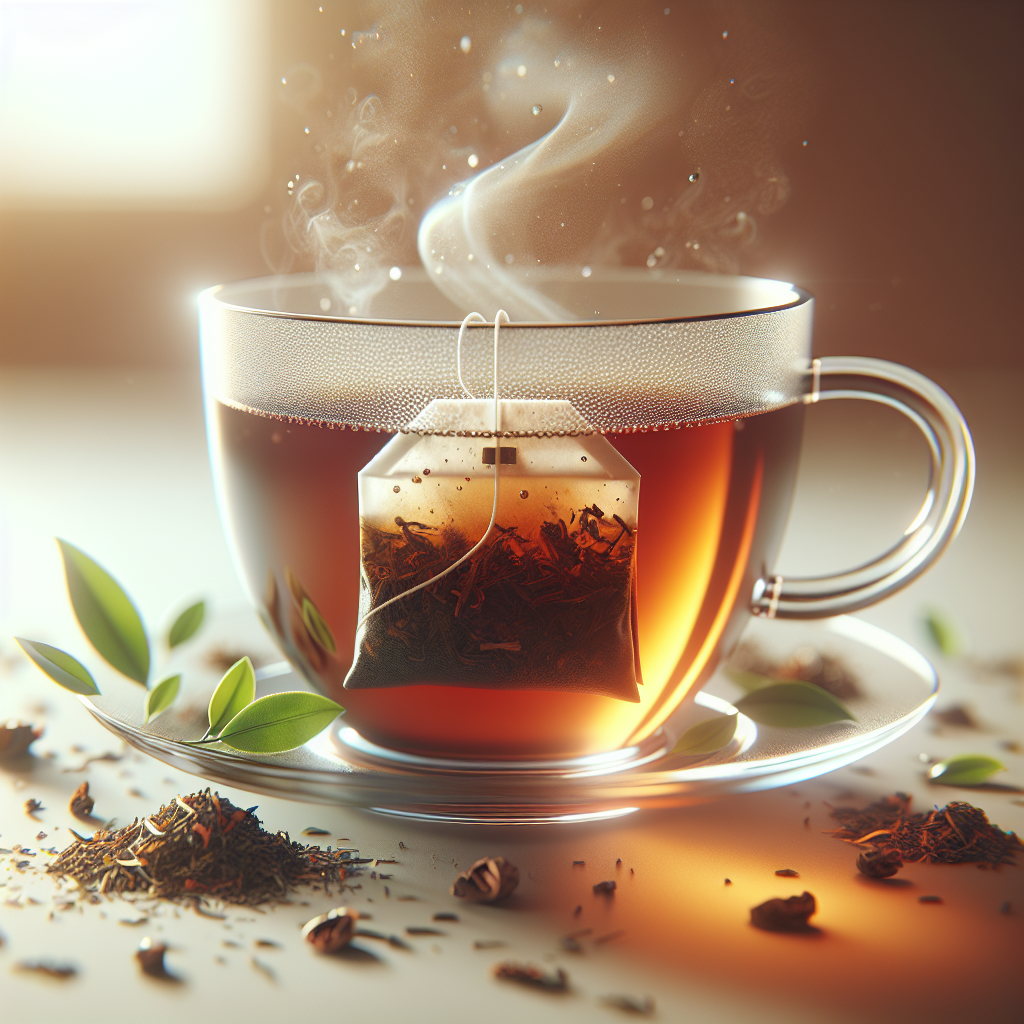
For contemporary style, transparent glass cups show the tea’s clarity. Pair with small plates and simple ceramics for visual harmony. A sprig of mint or a floating jasmine petal may add subtle artistry to your serving approach. Details transform ordinary tea time into mindful leisure.
Combining Tea Knowledge and Learning
Beyond everyday brewing, delving into tea history strengthens your connection to craftsmanship. To deepen your understanding, check out this internal resource: A Brief History of Tea. This perspective enriches how you see your green tea recipe within centuries of evolution and refinement.
Common Mistakes When Following a Green Tea Recipe
While following a green tea recipe may seem straightforward, small errors can drastically affect flavor. Avoiding these ensures every cup remains consistent.
Using Boiling Water
Boiling water is one of the biggest culprits leading to bitterness. Always remember to cool down hot water slightly. If you lack a thermometer, watch for small bubbles rather than a rolling boil—an effective visual cue.
Over-Steeping Leaves
Leaving leaves submerged too long results in harshness. Set a timer, especially for delicate teas. Over time, you’ll intuitively gauge duration by aroma and color, achieving effortless mastery of your green tea recipe.
Ignoring Leaf Quantity
Adding more leaves does not always strengthen flavor; it can overwhelm balance. Maintain the advised ratio or adjust in small increments only after taste testing. Consistency breeds confidence in daily brewing habits.
Frequently Asked Questions
How do I ensure the water temperature is correct in a green tea recipe?
To manage water temperature precisely for your green tea recipe, invest in a digital thermometer or temperature-controlled kettle. If that’s not available, boil water and let it rest for about one to two minutes before pouring. The correct heat level prevents burning delicate leaves and gives a smoother flavor profile rich in umami. Using filtered water also enhances clarity and taste, reducing mineral interference. Remember that different green tea varieties—such as Sencha, Longjing, or Gunpowder—need slight variations, but generally, 75°C–85°C is the sweet spot for balanced infusion.
Can I reuse leaves when following a green tea recipe?
Yes, you can reuse leaves two or even three times when following a standard green tea recipe. Each infusion brings subtle flavor evolution, moving from sharp to sweet. After your first brew, discard residual liquid and immediately refill with hot water slightly cooler and for less time. Do not store wet leaves for too long, as they may oxidize or develop off-notes. Re-steeping conserves both tea and money without sacrificing taste, allowing appreciation of tea’s layered personality.
What kind of sweeteners work best in a green tea recipe?
Though green tea shines naturally without sweeteners, mild additions like honey or agave complement the flavor. In your green tea recipe, avoid refined sugar that may mask nuance; instead, try floral honeys, stevia, or date syrup. The goal is balance—enough to highlight, not overwhelm. Sweeteners should dissolve easily in warm tea but are unnecessary if you prefer pure tones. Experiment to suit your sweetness threshold while preserving antioxidant integrity.
Is it okay to make iced green tea using the same green tea recipe?
Absolutely. The same green tea recipe can be adapted for cold versions. Brew with hot water for a shorter time—say 1 minute—then chill immediately over ice or refrigerate to maintain brightness. Alternatively, do a cold infusion steeping leaves overnight in cold filtered water. The cold-brewing technique results in smoother texture and sweeter flavor since fewer tannins extract at low temperature, making it ideal for summer refreshment or outdoor gatherings.
How does brewing time affect flavor in a green tea recipe?
Brewing time determines the balance between freshness and bitterness. A shorter steep—around one minute—accentuates vegetal notes and vibrancy, especially in Japanese greens. Longer steeping develops heavier body and more pronounced astringency. Adjust according to taste, but never exceed recommended duration. Remember that leaf type and cut affect infusion rate; fine leaves release compounds faster. Experiment systematically, changing one variable at a time to perfect your preferred green tea recipe outcome.
Can I add milk in my green tea recipe?
While milk works well with black or chai teas, it’s seldom recommended in a green tea recipe. Milk can neutralize catechins and alter the tea’s delicate structure, muting its natural aroma. However, creative modern drinks like matcha lattes are exceptions—since whipped matcha blends harmoniously with plant-based milks such as oat or almond. If experimenting, add small amounts first and assess texture and color. Purists still advocate no dairy for classic brews to preserve authentic clarity.
What’s the ideal time of day to drink green tea?
Morning or early afternoon suits most people since a green tea recipe naturally contains mild caffeine. Drinking it with breakfast promotes alertness without causing jitters, while afternoon consumption can lift energy levels. Some prefer it before exercise for metabolic benefits. Avoid just before bedtime, especially for sensitive caffeine responders. Establish consistency: two to three cups daily help sustain antioxidants throughout the day without excess stimulation. Tailor timing according to personal rhythm and dietary needs.
How do cultural traditions influence the modern green tea recipe?
Cultural rituals shape interpretation and preparation techniques globally. The Japanese tea ceremony emphasizes grace and mindfulness, where every motion reflects respect. Moroccan customs focus on hospitality through mint infusion and sweetness. Chinese styles highlight regional leaf profiles and pan-firing heritage. Modern adaptations draw from these influences, meshing tradition with practicality. Therefore, each green tea recipe carries the cultural imprint of those who perfected it across centuries, uniting artistry, social connection, and sensory pleasure.
Image Reference


Leave a Reply