
There’s something about a cup of tea that connects people, moments, and thoughts. Whether it’s an early morning ritual, an afternoon pause, or a quiet evening of reflection, tea has the power to soothe, inspire, and enlighten. For those who love sharing mindful messages, finding the right tea quotes in English can make your next post feel more meaningful and personal. This collection gathers timeless wisdom, poetic reflections, and motivational expressions inspired by tea — from philosophers to modern thinkers who found serenity in a teacup.
In this article, we’ll explore how tea quotes in English can add depth to your writing, social posts, or creative projects. We’ll look at the different themes that tea quotes often carry — peace, mindfulness, gratitude, and connection — and understand why they resonate with so many tea lovers around the world. By the end, you’ll have a curated set of ideas and interpretations that capture the spirit of tea, along with practical ways to use these quotes meaningfully.
Why Tea Quotes in English Inspire Writers and Thinkers
Language and tea both have the magical ability to evoke emotion. When you combine them, as in tea quotes in English, you create expressions that are simple yet profound. These quotes don’t just glorify tea — they articulate mindfulness, presence, and appreciation of small joys. Many writers and artists have used tea as a metaphor for calmness, patience, and quiet strength.
The universality of tea quotes in English comes from their ability to transcend cultures. Whether referring to Japanese tea ceremonies, Chinese tea poems, or British teatime traditions, the emotion behind the words remains the same — a gentle reminder to slow down and savor life’s delicacy.
The Historical Roots Behind Classic Tea Quotes in English
Tea has traveled from ancient China to the whole world, leaving behind centuries of wisdom. The early tea masters of Asia often wrote aphorisms about the spiritual side of tea — seeing it as a practice in mindfulness, balance, and respect. When these sentiments were translated, the charm of tea quotes in English began to spread globally, making tea not merely a beverage but a philosophy.
Historical figures like Sen no Rikyū, the Japanese tea master, inspired lines that celebrated purity, simplicity, and harmony. Later, European poets found emotional resonance in tea’s symbolism of comfort and reflection. For modern audiences, these tea quotes in English invite contemplation and gratitude for ordinary moments.
A Cultural Bridge: Eastern Wisdom in Tea Quotes in English
Tea connects cultures. Many tea quotes in English are directly influenced by Eastern traditions, especially Zen teachings. They talk about presence — being truly aware as the water steeps, as the aroma fills the air, and as the first sip awakens calmness. Translating Eastern reflections into English allowed more people to feel the serene rhythm embedded in the act of drinking tea.
For example, one could find inspiration in a Japanese proverb that states, in essence, that sharing tea means sharing peace. In English adaptation, this sentiment continues to shape our perception of hospitality and mindfulness.
Modern Reflections: Finding New Meaning in Tea Quotes in English
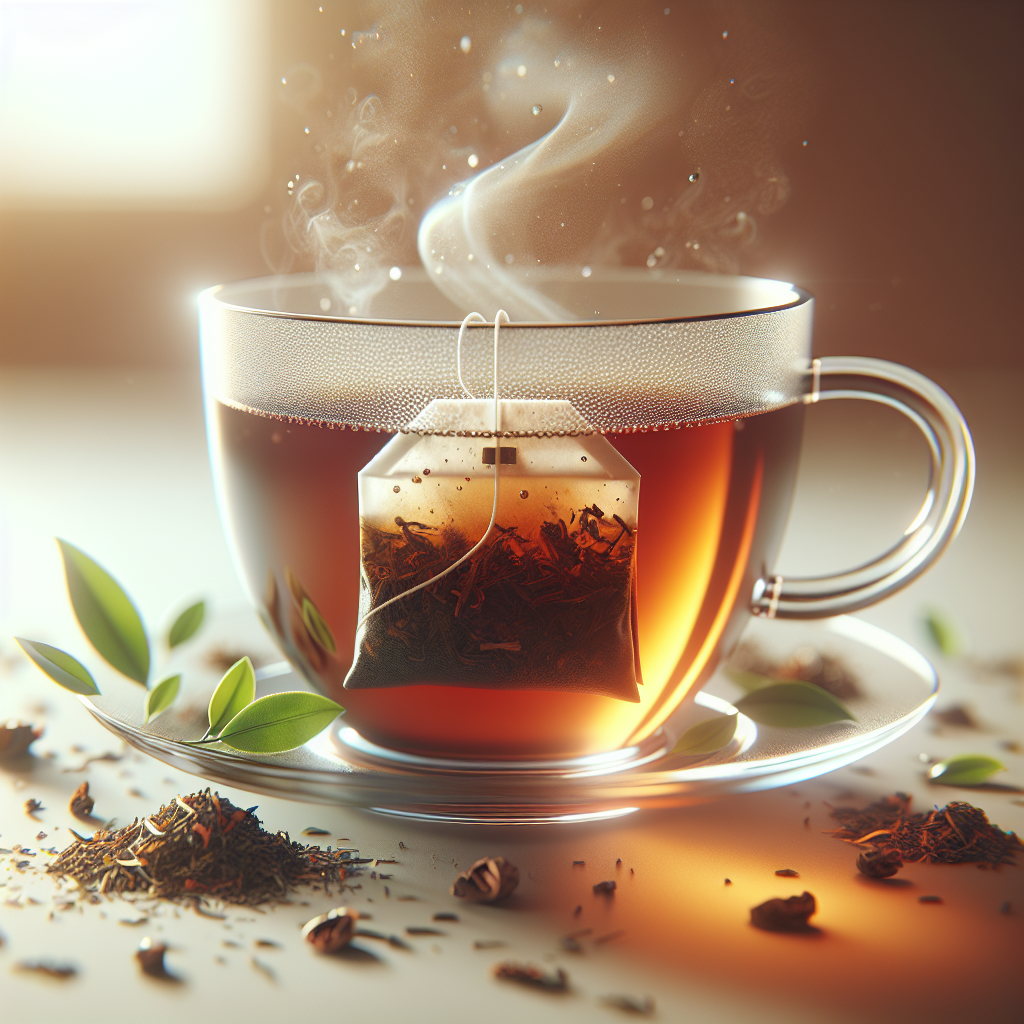
Today, with screens, schedules, and social noise, tea remains one of the last simple luxuries. Modern tea quotes in English remind us to slow down, breathe deeply, and find equilibrium. Many social media creators use these quotes to inspire positivity, promote mental wellness, and express gratitude. In a visually fast world, a well-chosen quote paired with a photo of a steaming cup can pause scrolling thumbs.

Themed Tea Quotes in English for Every Mood
Different moods call for different tones. Whether you seek motivation or quiet gratitude, there’s a set of tea quotes in English for each mood and message.
- For Calmness: Quotes that highlight serenity, the sound of boiling water, and mindful sips.
- For Friendship: Words that celebrate connection, storytelling, and shared laughter over tea.
- For Reflection: Sayings that turn a cup of tea into a metaphor for patience, resilience, and acceptance.
- For Inspiration: Phrases that awaken creativity, showing how small rituals lead to great clarity.
Curating tea quotes in English around these themes helps you choose the right message for your audience and intention.
Examples of Mindful Use in Writing
Instead of merely listing quotes, think about how to use them. For instance, you can start a blog post with a gentle tea reflection, add a line at the end of a lifestyle article, or pair an inspirational quote with a photograph of your favorite mug. Content creators often weave tea quotes in English into newsletters or wellness pages because they evoke emotional well-being without sounding forced.
When used thoughtfully, such quotes influence how readers perceive balance, gratitude, and comfort. This small touch distinguishes genuine storytelling from cliché captions.
The Psychology Behind Loving Tea Quotes in English
Tea evokes warmth and familiarity. Psychologically, humans associate tea with safety and mindfulness. That’s why tea quotes in English resonate beyond cultural borders. They touch a universal part of human nature — the longing for comfort and connection.
Furthermore, reading such quotes is therapeutic. It blends linguistic rhythm with emotional imagery. People often recall how a shared pot of tea mended friendships or brightened solitude. When linguistic aesthetics meet tea’s tranquility, we experience both art and mindfulness in one cup.
How Tea Quotes in English Support Mindful Living
One powerful reason tea quotes in English remain timeless is their relation to mindfulness. A line that encourages slow sipping or observation of steam fosters awareness. In today’s mindfulness movement, many yoga instructors, therapists, and life coaches use tea-inspired language to teach presence.
By interpreting common phrases metaphorically, you develop patience. For example, steeping tea too long or too short reflects our daily struggle with time and balance. A small quote about tea can thus turn into a full reflection exercise.
Integrating Tea Quotations in Journaling Practices
Tea journaling has gained popularity among wellness writers. Start each entry with a tea quote in English, reflect on what it means for your day, and write how it applies to your emotions. This habit nurtures gratitude and creativity. It builds a conscious link between your inner voice and the physical ritual of preparing tea.
To deepen understanding, explore more at UK Tea & Infusions Association — an excellent external source of cultural and health insights on tea appreciation.
Practical Ways to Use Tea Quotes in English for Your Content
Tea quotes can add identity and warmth to any content piece. Whether you’re running a wellness blog or designing a product label, these phrases enhance your narrative tone. Let’s explore where tea quotes in English make the most impact.
Social Media and Tea Storytelling
Social media thrives on aesthetic storytelling. A calm image of a teacup paired with a thoughtful caption provides engagement and emotional depth. Hashtags and thoughtful design amplify reach, but authenticity makes it memorable. When your audience feels the relaxation implied in your message, they connect more deeply.
For additional insights into content storytelling inspired by global tea traditions, check out Tea History on teastory.blog.
Visual Pairing Tips for Perfect Tea Posts
When sharing tea quotes in English with visuals, composition matters. Use soft light, neutral backgrounds, and real textures like wood, linen, or bamboo to maintain authenticity. Each visual detail should echo the quote’s message — simplicity, warmth, and calm. Captions work best when concise, respectful, and contemplative. Remember, it’s about conveying peace, not advertising pressure.
Brand Use and Product Narratives
Brands producing tea blends often weave tea quotes in English into their packaging. This adds character and connects with consumers emotionally. It’s subtle storytelling through design. A carefully chosen line can describe values like sustainability, tradition, or community.
Companies can also display short tea reflections on labels, booklets, or online stores. It shows that even in commerce, there’s room for poetry and mindfulness.
Tea Quotes as Educational Tools
Educators and cultural institutes use tea quotes in English to teach literary interpretation and cross-cultural values. Analyzing these quotes allows students to explore figurative meanings and poetic tone. This helps learners appreciate how beverages like tea embody philosophical ideas and promote socio-emotional growth.
Inspirational Themes Found in Tea Quotes in English
After examining the history, modern usage, and psychology of tea quotes in English, we now turn to their lasting themes. Most of these revolve around inner balance, gratitude, and observation of everyday beauty.
1. Tranquility and Inner Balance
Many classic tea sayings emphasize silence. They teach that peace is not absence of sound but acceptance of it. Each moment of tea-making can mirror meditation, and each quote about it serves as gentle guidance toward stillness.
2. Gratitude and Simplicity
Another major theme in tea quotes in English is gratitude. Whether about sharing tea or appreciating its aroma, these lines bring awareness to ordinary gifts. Practicing gratitude enriches relationships and nurtures humility. Writers often use such quotes at the end of reflections or gratitude lists.
3. Companionship and Sharing
Tea is inherently social. Quotes about tea often explore themes of togetherness—conversations, forgiveness, or mutual understanding. They remind us that hospitality begins with a cup shared, not a feast served. This social aspect is timeless and soothing to audiences looking for unity and comfort.
4. Creativity and Clarity
Finally, there’s inspiration. Several tea quotes in English focus on how the quiet moments of sipping invite mental clarity. Poets often reflect that ideas bloom when the mind is still. For creators, tea becomes the companion of imagination. This emotional link between creativity and comfort makes tea culture enduring in the arts.
Where to Find Authentic Tea Quotes in English
Authentic collections can be sourced from historical texts, culture-specific literature, and new-age writing. Many blogs, books, and community projects keep tea wisdom alive. For credible resources on global tea heritage, visit the World Tea News. For creative applications, explore Tea Cultivation Insights at teastory.blog.
Evaluating Authenticity
When using tea quotes in English, always verify authorship. Misattribution occurs frequently in online spaces. Look for scholarly translations or trusted tea literature. Authenticity maintains ethical writing standards and builds your content credibility under EEAT principles — Experience, Expertise, Authoritativeness, and Trustworthiness.
Personalizing Classic Tea Quotes
Rather than copying quotes verbatim, reinterpret them in your own style. Express what the quote means to you or how you see it reflected in daily rituals. Readers appreciate sincerity more than repetition. By paraphrasing meaningfully, you preserve philosophical depth while keeping originality intact.
Frequently Asked Questions
What makes tea quotes in English so special for social media posts?
Tea quotes in English bring an essence of calm and sophistication to social media content. Their universal appeal lies in simplicity — they pair effortlessly with images, evoke emotion, and communicate personal reflection. In a digital world where attention is fleeting, such quotes create micro-moments of stillness. They also align well with sustainable and mindful lifestyle themes, which resonate deeply with audiences seeking comfort and authenticity online. Additionally, using culturally rich tea quotes subtly introduces storytelling traditions without feeling preachy or promotional.
Where can I find reliable sources for authentic tea quotes in English?
You can discover authentic tea quotes in English from well-documented literature, ancient tea writings, and curated quote collections. Scholarly translations or official tea associations ensure accuracy. Reliable websites like the UK Tea & Infusions Association or World Tea News also share informative, historically grounded material. Books on Asian philosophy and English poetry provide credible references. Always cite original authors when possible; authenticity enhances both content quality and reader trust. Avoid unattributed lines circulating on social media to maintain professional integrity in your usage.
How do tea quotes in English reflect mindfulness and gratitude?
Tea quotes in English reflect mindfulness because they center around presence — observing aroma, warmth, and silence. They gently encourage readers to appreciate simple moments, echoing gratitude practices. Many such sayings are rooted in Zen teachings that promote inner calm and acceptance. When integrated into everyday language, they remind us to slow down and enjoy small rituals. These quotes don’t preach big transformations; instead, they mirror life’s subtle grace through the universal act of drinking tea — an accessible path to mindfulness and gratitude.
Can I use tea quotes in English for branding or marketing content?
Yes. Tea quotes in English can align perfectly with brands focused on wellness, lifestyle, or sustainability. They add elegance, emotion, and storytelling value without aggressive sales language. For marketing, choose quotes that represent your brand’s values — authenticity, relaxation, simplicity. Display them on packaging, websites, or social captions. But always credit the source when publicly used. Ethical citation and genuine tone reinforce credibility and make your message memorable. Remember, audiences increasingly value sincerity and cultural awareness over mere aesthetics in branding today.
Why are tea quotes in English popular among writers and poets?
Writers and poets love tea quotes in English because they merge philosophical depth with sensory detail. Tea becomes a metaphor for many human emotions — patience, reflection, togetherness. A cup of tea carries imagery that writers use to capture ideas about time, emotion, and peace. The quiet act of brewing tea often parallels the creative process itself: measured, mindful, and expressive. For poets, these quotes serve as sources of inspiration and micro-narratives about serenity and transformation in ordinary life.
How can I incorporate tea quotes in English into daily affirmations?
Integrating tea quotes in English into daily affirmations is simple. Write one on a sticky note and place it by your cup or workspace. Reflect on its meaning during morning tea rituals. Each line can remind you to stay grounded, patient, and appreciative. These micro-affirmations help in developing self-awareness and emotional regulation. As you read them regularly, they shape a mindset of peaceful productivity. You can rotate themes — calmness, gratitude, courage — making affirmations flexible and refreshing throughout your self-care journey.
What themes should I focus on when choosing tea quotes in English for journal writing?
When selecting tea quotes in English for journaling, focus on tranquility, gratitude, and creativity. These themes complement introspection and boost mindfulness. Use quotes that inspire positive thought but still allow personal interpretation. For instance, choose reflections that invite you to explore balance, purpose, or simplicity. Add commentary about how the quote relates to your day or mindset. This practice turns ordinary journaling into soulful meditation, blending the poetry of words with the ritual of tea, fostering deeper self-connection each time.


Leave a Reply