When people search for the best matcha tea price, they often face a mix of confusing labels, grades, and promises of authenticity. Whether you are a curious beginner or a daily matcha drinker, knowing what drives the cost of this vibrant green powder can save you money while helping you choose top-quality tea. This guide explores where the matcha tea price comes from, the factors that influence it, and how to check whether what you are paying truly matches the value you get. By the end, you’ll confidently compare options and shop smartly.
Today, the global market offers every kind of matcha—some at only a few dollars an ounce, others priced like fine wine. Understanding why such a wide range exists and how it connects to harvesting, shading, and processing methods is crucial. The matcha tea price isn’t random; it reflects craftsmanship, geography, leaf selection, and brand reputation. This article becomes your quick yet professional guide to decode the pricing layers behind this beloved Japanese green tea.
Understanding the Matcha Tea Price Landscape
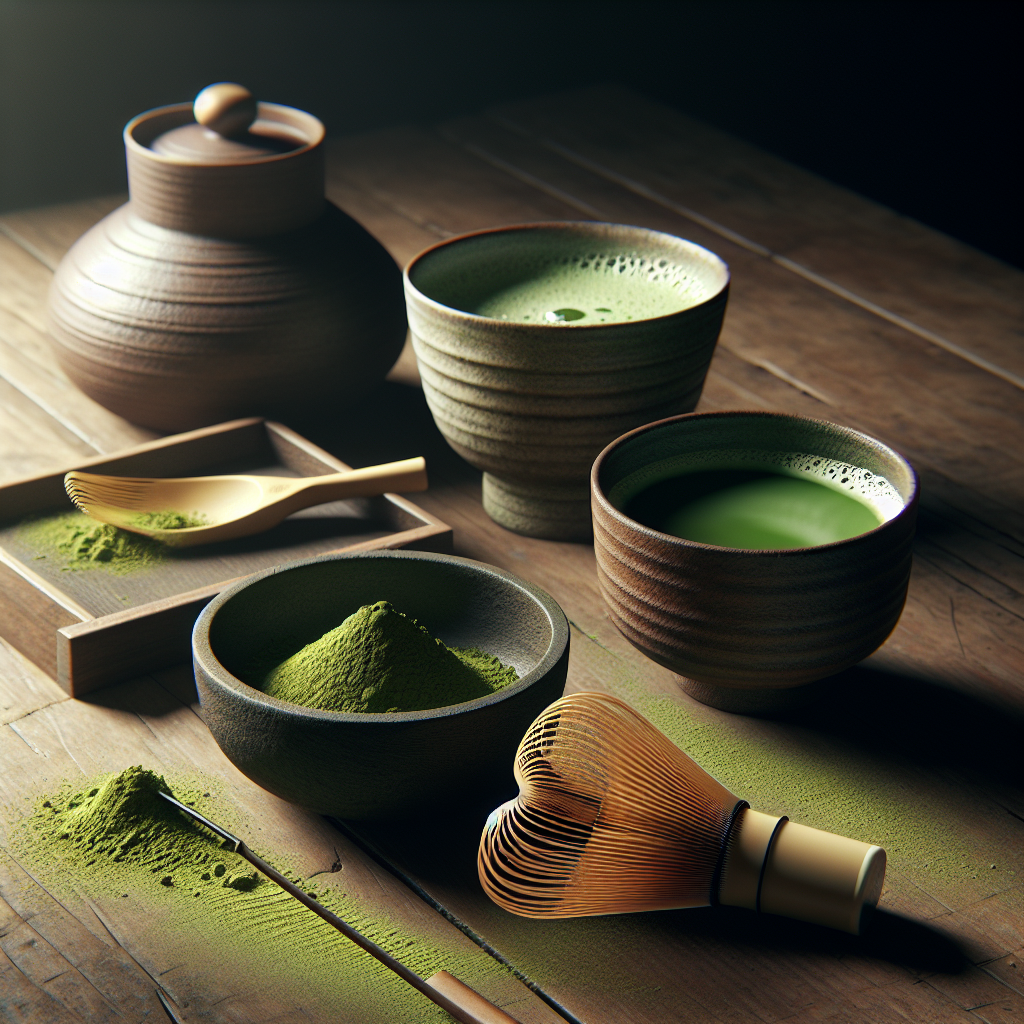
Matcha comes from shade-grown green tea leaves called tencha, which are stone-ground into a fine powder. That unique process largely shapes the matcha tea price. When you grasp the time and technique behind every tin, the pricing spectrum begins to make sense.
How Production Quality Affects Matcha Tea Price
Top-quality matcha uses the youngest leaves from the first harvest. These leaves are hand-picked, carefully steamed, and ground using slow-turning granite mills. Each batch takes hours to produce. In contrast, lower-grade matcha often comes from later harvests or bulk mechanical grinding, which decreases its color and sweetness.
- Ceremonial Grade: The most delicate, used for traditional whisking. Typically above $25 per 30 grams.
- Premium Grade: Suitable for both drinking and mixed beverages. Around $15–$25 per 30 grams.
- Culinary Grade: Used for baking, smoothies, and cooking. Ranges from $8–$15 per 30 grams.
Each level aligns with specific use cases, and understanding this helps you interpret the matcha tea price of each variant, making your purchase smarter, not pricier.
Origin and Supply Chain Factors in Matcha Tea Price
Japan’s major matcha regions—Uji, Nishio, and Shizuoka—produce different flavor profiles and qualities. Uji matcha, often regarded as the finest, typically commands the highest price due to meticulous cultivation methods. Imported matcha from China or Korea generally costs less, mainly because of production scale and soil conditions.
Transportation, exchange rates, and storage also add subtle layers to the final tag. For instance, properly refrigerated matcha preserves vibrant chlorophyll, but cold-chain shipping increases the matcha tea price. Therefore, reliable suppliers factor freshness and aroma into the total cost you see online or in stores.
How Origin Certification Influences Matcha Tea Price
A “Product of Japan” label means little unless backed by verifiable tea estate details. High-end companies often offer traceable sourcing data, boosting their matcha tea price slightly. This transparency ensures authenticity, so paying a little extra saves you from purchasing dyed, oxidized powders that mimic true matcha. Recognizing certification marks—like JAS Organic or EU Organic—is an essential step to decoding what your dollars buy.
Evaluating Value and Quality Beyond Labels
Once you understand the basic categories, you can evaluate the true worth of the matcha tea price you encounter. The real challenge lies in distinguishing genuine value from marketing fluff. Let’s examine a few pointers.
Color, Texture, and Aroma as Price Indicators
Bright, jade-green matcha signals amino acid richness and freshness. Coarser textures indicate oxidation, making the taste bitter or grassy. The more vibrant the powder, the more likely you’re paying for a recent harvest. Therefore, a higher matcha tea price often ties to refined stone milling that preserves smoothness.
When in doubt, perform a quick aroma test. Fresh matcha should smell sweet and savory with oceanic umami. If the scent feels faint or hay-like, the powder is older. Purity in color and fragrance clearly justifies a genuine matcha tea price point.
Example Comparison: Supermarket vs. Specialty Store
Consider a 30-gram tin from a grocery shelf at $9 versus a specialty brand at $23. The cheaper one may come from a later harvest, contain stems, or be mixed with green tea powder. The premium tin, meanwhile, preserves its deep green hue for months and delivers a creamy froth. Understanding such examples makes you realize why the matcha tea price difference exists beyond branding.
Packaging and Storage’s Effect on Matcha Tea Price
Packaging greatly impacts quality preservation. Oxygen, light, and moisture quickly degrade catechins and chlorophyll. Brands investing in vacuum-sealed aluminum tins or nitrogen-flushed pouches naturally reflect that in their matcha tea price. Transparent jars, though visually appealing, expose the tea to light and shorten shelf life.
Long-Term Value Consideration
While a cheaper matcha might appear appealing initially, oxidized powder offers less nutrition and requires larger quantities for flavor. That means frequent repurchases, raising your long-term cost. Choosing a moderately high matcha tea price often ensures both quality and efficiency per teaspoon, translating into real savings over time.
Where to Check and Compare Matcha Tea Price Online
In the digital world, checking prices across suppliers can yield surprising insights. A simple comparison reveals how the same ceremonial batch varies by region or outlet. Here’s how to conduct an effective check without wasting time.
Trusted E-commerce Platforms and Their Price Ranges
Major global retailers like Amazon, Matcha.com, and Yunomi offer transparent listings. Reading verified reviews and examining harvest dates enables an accurate judgment of matcha tea price. Be cautious with deals that undercut standard values dramatically, as counterfeit or heavily blended powders dominate low-cost listings.
- Amazon Marketplace: $10–$40 per 30g, broad quality range.
- Dedicated Matcha Retailers: $20–$60 per 30g depending on harvest location.
- Local Tea Boutiques: Slightly higher due to small-batch imports.
If authenticity and flavor matter most, paying a slightly elevated matcha tea price at a trusted source guarantees better taste and verified harvest origins.
Tip for Smart Online Comparison
For a fair matcha tea price comparison, always convert listings into per-gram cost. This simple trick clarifies what you truly pay, especially when brands package volumes differently. Also, review shipping fees and freshness policies—they define actual value as much as sticker numbers do.
Matcha Grades and Their Corresponding Price Insights
Let’s break down typical pricing brackets even further. Every grade serves a purpose, and knowing them helps save both money and disappointment.
Ceremonial Grade Matcha Tea Price
This grade is cultivated for traditional use, emphasizing flavor depth and consistency. Grown under extensive shading to increase L-theanine, its smooth, natural sweetness justifies premium cost. Expect a matcha tea price between $25 and $50 per 30 grams. Brands like Ippodo and Kyoto Obubu maintain this range due to artisanal grinding technique and centuries-old fields.
Premium Grade Matcha Tea Price
Ideal for lattes or iced matcha, premium grade costs less yet still offers fine froth and vivid hue. This quality is often used in cafés balancing flavor with affordability. A typical premium matcha tea price falls between $15 and $25 per 30 grams. Balanced value seekers often label this grade the sweet spot between luxury and practicality.
Culinary Grade Matcha Tea Price
Although culinary matcha carries bright nutty tones, it comes from mature leaves, creating astringency. Due to higher yields and lower costs, average matcha tea price for these ranges between $8 and $15 per 30 grams. Ideal for bakers and smoothie enthusiasts, this category allows playful experimentation without draining budgets.
Illustrative Case: Café Chain Purchase vs. Personal Tin
A medium coffee chain purchases wholesale culinary matcha around $70 per kilogram. Compared to buying small retail tins, its per-serving cost drops drastically. Yet, for home connoisseurs focusing on experience, spending on higher matcha tea price brackets ensures better flavor recognition and antioxidant intake. Understanding your purpose clarifies which spend is justified.
Global Market Trends Influencing Matcha Tea Price
Global demand has turned matcha from a niche Japanese tradition into an international health icon. The market’s rapid expansion means agricultural supply, investor behavior, and climate shifts directly affect pricing trends.
Influence of Climate and Harvest Yield
Longer rainy seasons or inconsistent shading affect leaf quality. Lower yields in Japan increase seasonal matcha tea price globally. Farmers may adjust prices quarterly, so watching harvest announcements gives you indicators for upcoming cost changes. Sustainable shading technologies and precision farming help stabilize this volatility.
Growing Competition and Brand Positioning
New entrants into the market sometimes advertise unrealistically low prices. Evaluating certifications, processing claims, and visual quality avoids misleading deals. Well-respected artisans stand firm on higher matcha tea price levels to protect heritage. Trend-driven brands chase lower production costs, often compromising flavor integrity. Recognizing this commercial difference informs better shopping decisions.
Impact of International Shipping Policies
Global freight price fluctuations, customs duties, and import regulations subtly modify retail pricing. Direct-import online sellers adjust the matcha tea price based on time of delivery and regional tax codes. Staying updated with trade news ensures you interpret rising or dropping tea prices accurately instead of assuming random inflation.
How to Budget and Plan for Your Matcha Purchase
A practical buying plan saves frustration and lets you enjoy matcha’s benefits daily without overspending. Keeping freshness, intended use, and serving frequency in mind helps balance the matcha tea price with realistic consumption.
Calculate Cost per Serving
Since a standard serving equals about two grams, you can estimate cost precisely. A $24, 30-gram tin yields 15 servings—about $1.60 each. Understanding such breakdowns makes a higher initial matcha tea price seem less daunting. Compare it against café drink prices, and you’ll notice substantial savings when preparing at home.
Storage and Shelf-Life Optimization
Extend value by storing opened tins in cool, dark environments. Divide bulk purchases into smaller airtight jars. Proper storage slows oxidation, helping justify investment in slightly higher matcha tea price options since you won’t lose freshness mid-pack.
Health Benefits Linked to Price Justification
Paying attention to nutrition per dollar adds another perspective. High-grade matcha generally delivers increased catechin and L-theanine levels, contributing to sustained focus and antioxidant value.
Why Quality Matters for Nutritional Integrity
Powders made from older or sun-exposed leaves contain more tannins and fewer amino acids, translating to harsher taste and lower soothing effects. So while the matcha tea price might appear steep, top-tier matcha presents measurable mental clarity and energy benefits that justify cost. Think of it as similar to choosing fresh produce over frozen alternatives.
Balanced Consumption Advice
Mixing expensive ceremonial matcha with budget culinary types is acceptable for smoothies or baking, creating personalized blends and moderating overall matcha tea price impact. Experimentation keeps your routine flavorful while staying financially sensible.
Visual and Branding Perception of Matcha Tea Price
Graphic identity sometimes influences desired price levels. Elegant minimalistic tins, traditional calligraphy, and heritage stories appeal to emotions. Smart branding can create perceived enhancement, but informed buyers look beyond packaging to content purity.
Honesty in Labeling
Companies that disclose specific farms and harvest months establish credibility. Labels detailing shading duration, leaf portion, and milling style connect fairly to the final matcha tea price. Transparency fosters trust among informed consumers who distinguish genuine artisanship from industrial marketing gloss.
Practical Tip: Test Small First
Start with sampler sizes before buying larger tins. This strategy allows flavor comparison across different matcha tea price points. Once you identify preferred sweetness or bitterness levels, scale your purchase accordingly to avoid waste.
Authenticity and Counterfeit Concerns Affecting Matcha Tea Price
Counterfeit matcha has become a major concern due to rising demand. Some sellers blend ground green tea or add sweeteners to simulate rich color, misleading buyers into paying unjustified sums.
Red Flags to Watch
Artificial green tint, clumpy texture, or overly sweet aroma often reveals inferior powder. Certified suppliers protect buyers through transparent laboratory reports ensuring purity. Checking for certificates and genuine harvest origin helps you stick to authentic matcha tea price baselines instead of counterfeit traps.
External References for Authentic Tea Knowledge
To enhance expertise, consult Tea Chemistry Research Center for detailed composition studies, and TeaClass.com for structured learning about green tea analysis. Such trusted platforms deepen understanding of factors validating every matcha tea price decision.
Internal Resources for Tea Enthusiasts
Explore additional reads on teastory.blog for refined knowledge:
- Tea Cultivation – Learn about sustainable farming techniques that define matcha cost tiers.
- Tea Ceremonies – Discover how centuries-old rituals influence perceived value and matcha tea price expectations.
Conclusion: Decoding the True Worth of Matcha Tea Price
Ultimately, choosing matcha should blend heart and logic. Evaluate leaf grade, origin, packaging method, and your consumption habits. The more you understand the hidden elements forming the matcha tea price, the better equipped you are to make responsible purchases. Remember that value resides in purity, sustainability, and taste balance—not simply the cheapest or most expensive option. When handled with care, every pinch of matcha delivers calm vitality worth every cent.
Frequently Asked Questions
What determines the matcha tea price differences across brands?
Differences arise from cultivation region, harvesting technique, leaf quality, and processing craftsmanship. Japanese Uji leaves grown under shade develop more amino acids, increasing cost. Packaging, storage conditions, and brand reputation contribute additional layers. Thus, even with identical grades, each brand’s supply chain and quality assurance create distinct matcha tea price outcomes.
Why is ceremonial grade matcha tea price higher?
Ceremonial matcha uses the youngest buds from the initial spring harvest. These are grown under shaded conditions that intensify umami and color. Hand-picking, stone grinding, and microscopic leaf sorting raise labor and time requirements, naturally elevating the matcha tea price of this premium level. Cheaper versions use older leaves, losing delicacy and vibrancy.
Can I find affordable matcha tea price without sacrificing quality?
Yes, by focusing on mid-tier premium options from reputable suppliers. Selecting smaller batches ensures freshness at moderate cost. Look for verified origin certificates and short milling intervals. Avoid vague “green tea powder” listings. Smartly planned purchases achieve a balanced matcha tea price while retaining essential flavor quality and nutritional richness.
Does organic certification affect matcha tea price?
Organic certification requires strict pesticide-free and environmentally sound cultivation. Farms must adhere to inspection rules, making production costlier. This mechanism slightly raises the matcha tea price but provides consumers with guaranteed safety and ecological value. Paying extra for certified matcha secures higher confidence in purity and health benefits.
How can storage conditions impact matcha tea price?
Storage drives freshness and thus influences perceived worth. Quality packaging—nitrogen-sealed tins or vacuum pouches—preserves color and nutrients longer, explaining price gaps. Brands using advanced protective technologies may hold a slightly elevated matcha tea price because they maintain shelf stability. Improperly sealed budget matcha loses aroma quickly, reducing value per gram.
Is imported Chinese matcha tea price generally lower than Japanese?
Typically yes, due to mass-scale production and different cultivation environments. Japanese soils and artisan practices yield smoother texture and sweeter aroma, reflected in a higher matcha tea price. However, some Chinese producers improve steadily using advanced methods, offering fair mid-range alternatives with reliable certifications and appealing flavor balance.
What’s the best way to compare online matcha tea price listings?
Always normalize costs to per-gram values. Examine harvest seasons, region details, and verified buyer reviews. Confirm whether shipping includes cold storage to maintain quality. Comparing only sticker prices can mislead; proper side-by-side analysis shows real value alignment. This informed approach ensures sound judgment with every matcha tea price you evaluate.



Leave a Reply