
Tea has been cherished worldwide for its comforting warmth, soothing aromas, and countless wellness properties. Choosing the best tea can be an enlightening journey for your palate and wellbeing alike. Whether you love the freshness of green tea, the depth of black tea, or the tranquility of herbal infusions, learning how to discern and enjoy the best tea helps deepen your appreciation of this enduring beverage. In this article, we’ll explore not only which varieties stand out but also how to select, brew, and serve them with intention for maximum benefit.
Discovering the best tea goes beyond flavor—it’s about quality, origin, freshness, and even the way it’s prepared. With thousands of cultivars available, understanding how to detect the nuances of aroma, color, and body ensures your cup is as rewarding as it is restorative. Tea drinking merges art and science, blending centuries of tradition with modern nutrition and mindfulness. This guide provides real insights, hands-on examples, and well-researched tips to help you recognize and enjoy the best tea in every moment of your day.
Understanding What Makes the Best Tea
Before we can identify the best tea varieties, we need to understand the characteristics that define quality. From cultivation to processing, every stage contributes to flavor, fragrance, and health potential. There’s no universal benchmark, but several shared elements distinguish superior teas from average ones.
Tea Origin Matters
Geography plays a crucial role. The best tea often originates from regions with distinct climates and soil compositions—China’s misty mountains, India’s rolling gardens in Assam and Darjeeling, and Japan’s volcanic terrains for green teas. Each environment creates a microcosm whose influence can be tasted in every sip. Teas from high-altitude farms, for instance, tend to have richer aromas and complex flavors due to slower leaf growth and higher levels of aromatic compounds.
Identifying Authentic Sources of the Best Tea
To ensure authenticity, look for origin labeling and certifications like “Single Estate” or “First Flush.” Some regions, such as Darjeeling in India, have protected geographical indications guaranteeing the tea’s lineage. Avoid products without traceable sourcing since mixed or non-certified blends may compromise quality. The best tea suppliers are transparent about their farms, harvesting methods, and ethical practices. Trustworthy vendors may even provide field-to-cup stories that trace every step of production.
Processing and Freshness
What happens after plucking significantly affects tea’s character. The best tea maintains a balance between oxidation, drying, and rolling. Green teas require delicate handling to lock in nutrients, while black teas undergo controlled oxidation to develop depth and maltiness. Always check packaging dates; freshness directly correlates with vibrancy in aroma and taste.
Essential Tips for Discovering the Best Tea
Finding your perfect cup requires experimentation, mindful shopping, and attention to brewing techniques. Below are essential insights to refine your journey toward the best tea experience.
1. Start with High-Quality Loose Leaves
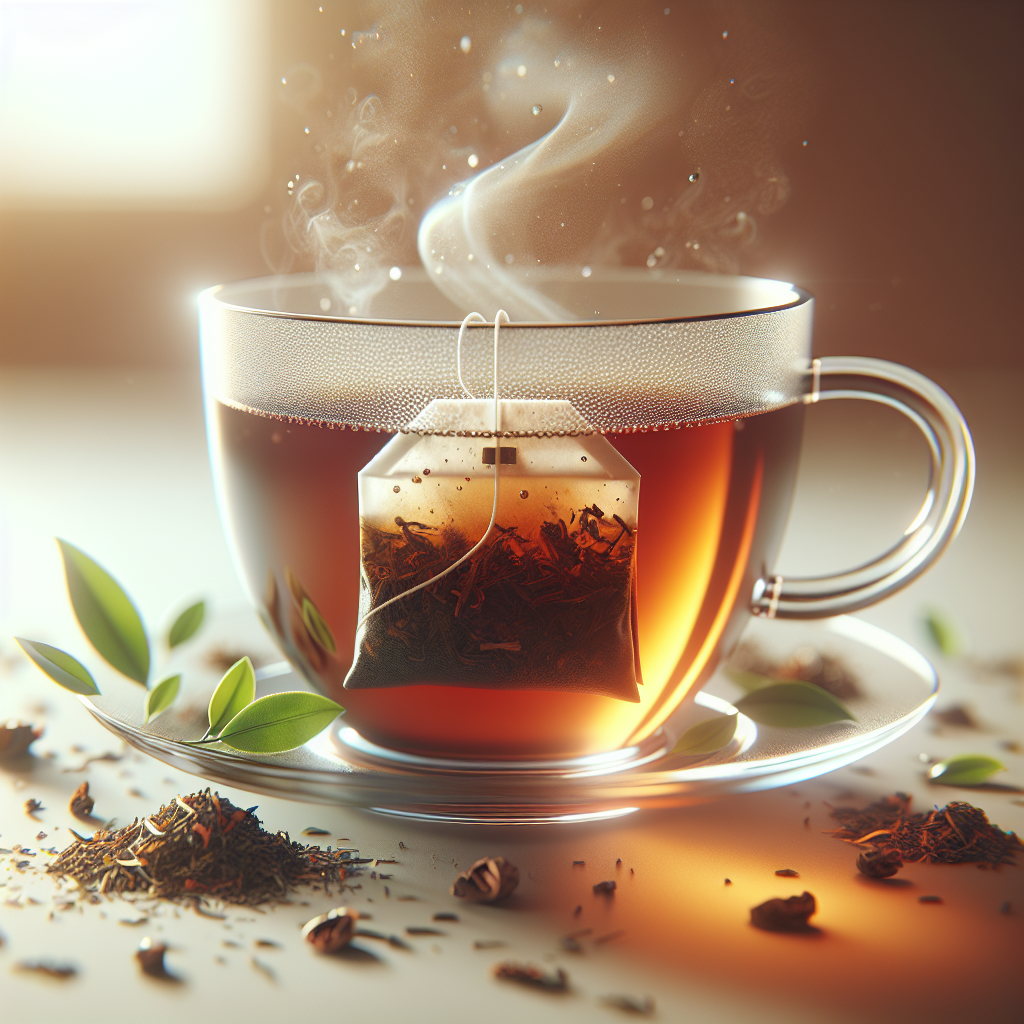
Loose-leaf teas consistently deliver superior results compared to bagged versions. Bags often contain broken leaves or dust that limit flavor release. In contrast, whole leaves unfold gracefully, releasing nuanced layers as they steep. Find vendors who store their leaves in airtight, opaque containers to prevent moisture or light exposure.
2. Understand the Tea Categories
The best tea for you depends on personal goals and taste preferences. To illustrate:
- Green Tea: Rich in antioxidants like catechins, green tea is known for uplifting energy and metabolic benefits.
- Black Tea: A bold option with deeper tannins, suitable for morning rituals or pairing with milk.
- Oolong Tea: Ideal for those wanting a middle ground between green and black, offering a balance of floral and roasted notes.
- Herbal Tea: Technically tisanes, these contain no caffeine and focus on therapeutic properties of herbs and flowers.
- White Tea: Minimal processing preserves its soft, delicate flavors and high levels of antioxidants.
3. Match Brewing Temperature and Time
Even the best tea can taste bitter or flat if brewing conditions are ignored. Here’s a quick reference:
- Green tea – 75–80°C for 2–3 minutes
- Black tea – 95°C for 3–5 minutes
- Oolong tea – 85–90°C for 3–4 minutes
- Herbal tea – 100°C for 4–6 minutes
- White tea – 70–80°C for 4–5 minutes
Adjust timing slightly if your tea tastes too strong or too weak. Proper temperatures help extract the delicate balance of flavors while minimizing bitterness.
4. Consider Water Quality
Even the best tea will suffer if brewed with poor water. Use filtered or spring water instead of hard tap water, as minerals can alter the flavor and color. Soft water promotes clarity and smoother texture.
5. Store Tea Properly
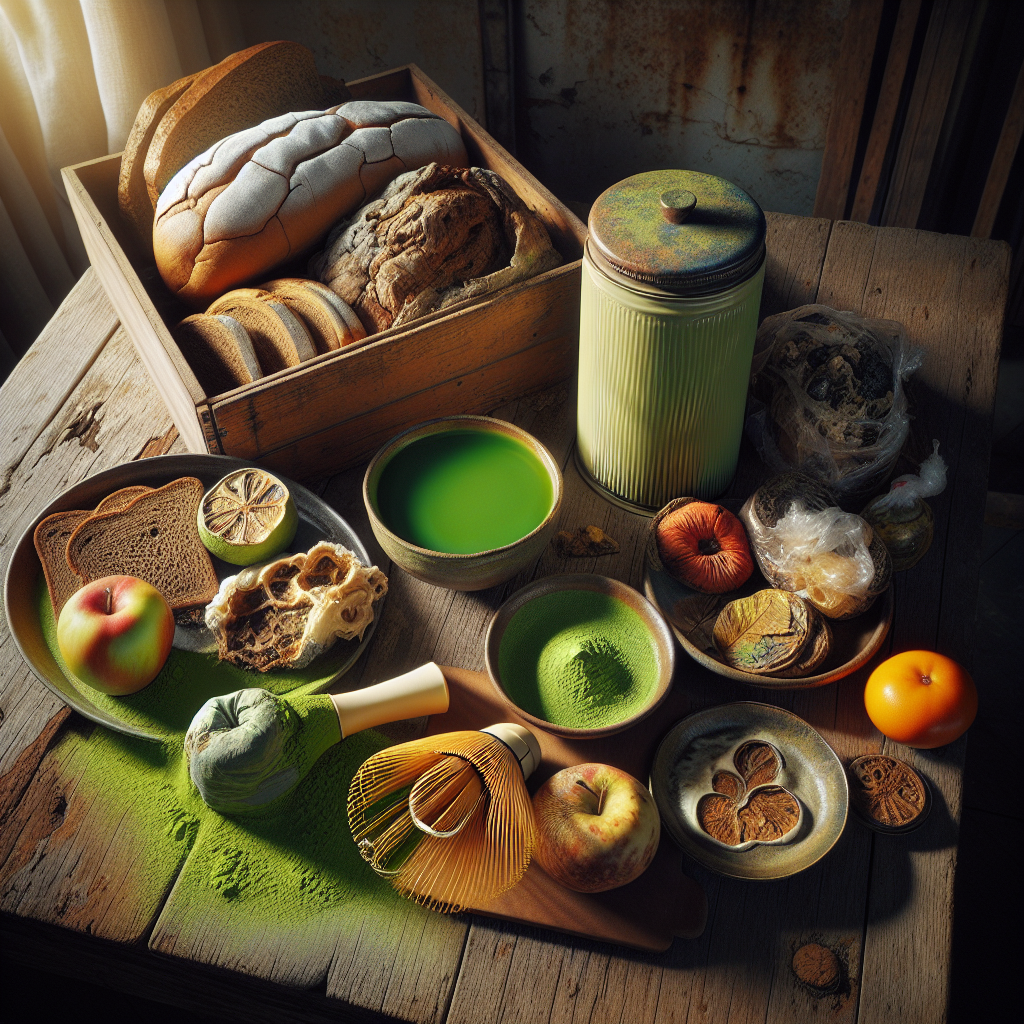
Tea leaves are sensitive to light, heat, and moisture. Store them in opaque, airtight tins away from spices or strong odors. The best tea retains its aroma and taste for up to 6–12 months if properly stored, though green and white teas are best consumed sooner for peak freshness.
6. Buy Small Quantities Often
Rather than hoarding, purchase tea in smaller amounts to enjoy peak freshness. Compare suppliers and note differences in aroma, leaf shape, and infusion color. The best tea evolves with the season, so sampling new crops keeps your experience exciting and vibrant.
7. Ethical and Sustainable Choices
Modern tea appreciation includes respect for the environment and workers behind the leaves. Choosing organically grown tea supports sustainable agriculture and minimizes chemical exposure. Fair-trade certified options ensure fair wages and humane labor standards. When you select the best tea ethically, you foster global respect for quality and well-being.
Exploring the Health Benefits of the Best Tea
Tea offers far more than taste—it’s a daily ritual that supports holistic health. Research shows tea may aid digestion, reduce stress, and enhance cognitive function. Let’s unpack the specific ways the best tea contributes to wellbeing.
Rich in Antioxidants
All true teas—green, black, oolong, and white—come from the Camellia sinensis plant and are loaded with antioxidants such as polyphenols and catechins. These compounds reduce oxidative stress, improving skin health and longevity. The best tea, particularly matcha and fresh green teas, can deliver concentrated doses of these beneficial nutrients.
Boosting Metabolism and Focus
Caffeine combined with L-theanine provides balanced, calm alertness rather than a jittery rush. The best tea stimulates focus while reducing anxiety. Athletes and professionals often substitute additional coffee cups with clean, controlled energy from tea.
Supporting Heart Health
Regular consumption of black or oolong tea has been linked to reduced bad cholesterol levels and improved circulation. The best tea varieties for cardiovascular care include aged pu-erh and lightly oxidized oolongs, known to support lipid metabolism.
Enhancing Immunity
Herbal and green teas contain natural bioactive compounds that fight bacteria and viruses. Chamomile, ginger, and lemongrass infusions can ease cold symptoms while fortifying the immune system. The best tea combinations for immunity often blend antioxidants with spice-based boosters like turmeric or cinnamon.
Pairing and Enjoying the Best Tea
Pairing tea with food elevates both experiences. Much like wine, the best tea enhances the flavor profiles of meals when carefully chosen.
Tea with Breakfast
Strong English Breakfast or Darjeeling pairs beautifully with pastries or toast. Their tannic nature balances fat and sweetness, creating a refreshing start to the day.
Tea with Lunch
Green tea complements sushi, light salads, or steamed vegetables thanks to its grassy and slightly sweet undertones. The best tea during midday should rehydrate and rejuvenate without overpowering subtle food flavors.
Tea for Evening Relaxation
For winding down, herbal infusions shine. Chamomile, rooibos, and lavender teas calm the nervous system and promote restful sleep. The best tea ritual for evenings often includes slow breathing and warm lighting to enhance relaxation.
Learning Through Tea Culture
Tea carries cultural richness across nations. The best tea experiences often unfold through traditions that nurture mindfulness and hospitality.
Japan’s Tea Ceremony
The Japanese chanoyu emphasizes presence and respect. Every motion during matcha preparation reflects harmony and contemplation. Learning about it can deepen your appreciation of why matcha is among the best tea examples of cultural artistry. For further reading about ceremonies and history, explore Tea Ceremonies on TeaStory.blog.
British Afternoon Tea
Introduced in the 19th century, this social tradition revolves around elegant presentation and balanced flavors. Selecting the best tea for such an event—perhaps a floral Earl Grey or robust Assam—turns an ordinary gathering into refined delight.
Chinese Gong Fu Brewing
This meditative style focuses on precision, short infusions, and high leaf-to-water ratios. Oolong teas brewed Gong Fu-style reveal multiple layers of flavor. To dive into how cultivation influences this, visit Tea Cultivation Insights at TeaStory.blog.
Practical Examples of Finding the Best Tea
Let’s consider real-world scenarios to solidify how one might identify their ideal variety:
- Example 1: A college student seeks an alternative to coffee. Sampling Japanese Sencha leads to steady concentration without caffeine crashes—a discovery of her personal best tea.
- Example 2: A yoga instructor chooses jasmine green tea for post-practice hydration and aromatherapy benefits, turning routine hydration into a mindful ritual.
- Example 3: A culinary enthusiast experiments with smoked Lapsang Souchong to pair with grilled dishes, illustrating how the best tea complements gastronomy.
Global Authority Insights
Resources such as the Tea Association of the USA or the global World Tea News offer reliable, updated information on sourcing and brewing standards. Referencing these when buying or learning ensures access to authentic information about the best tea products and industry innovations.
Frequently Asked Questions
What determines the best tea quality?
The quality depends on altitude, soil composition, harvesting season, and processing methods. Fresh leaves from trusted estates often yield the best tea aroma and complexity. Compression, drying, and oxidation balance also contribute to mouthfeel. Buying single-origin batches and checking the harvest year helps you gauge overall quality before brewing your first cup.
How can I identify the best tea stores online?
Look for businesses that offer transparency about their farms, climate regions, and certifications. Reviews from seasoned tea drinkers add credibility. The best tea vendors also list brewing guides, storing tips, and direct-trade stories, signaling they care about customer education as much as profit.
Is loose-leaf always the best tea option?
Generally, yes. Loose leaves provide full flavor expression and visible proof of freshness. Tea bags often contain fannings, which may yield quicker color but weaker aroma. However, high-end sachets using whole leaves can still deliver some of the best tea experiences for busy drinkers needing convenience.
What are the most healthful types of the best tea?
Green and white teas top the list for antioxidant density, while black teas promote energy and digestion. Oolong balances caffeine and smoothness for mid-day sipping. Herbal blends like chamomile or peppermint might not qualify as “tea” scientifically but replicate many wellness effects of the best tea through calming herbs.
How can I preserve the flavor of the best tea at home?
Storage conditions determine longevity. Keep tea away from light, moisture, and heat. Airtight tins are ideal. Avoid kitchen spices that can alter scent. Replace small batches often, noting that the best tea retains fragrance and natural leaf sheen for several months when properly sealed.
Does the water I use impact the best tea flavor?
Absolutely. Filtered or spring water preserves purity, while mineral-heavy or chlorinated water distorts delicate notes. Even the best tea can taste dull if steeped with poor-quality water. Ensuring the right ratio (1 teaspoon per 8 ounces) also ensures your final infusion reflects all natural flavors.
What is the environmental impact of growing the best tea?
Responsible cultivation prioritizes biodiversity and organic practices. Pesticide-free gardens and fair-trade systems maintain ecological harmony and fair wages. Choosing eco-certified brands allows you to enjoy the best tea while promoting sustainable growing cycles, reduced soil erosion, and long-term global stewardship.
Can mixing teas still produce the best tea experience?
Blending can be creative, provided components complement each other. Combining strong black tea with floral notes or herbs can diversify flavor. However, blending extremes—like smoky with fruity—may clash. The best tea balance emerges through experimentation with small amounts until harmony in aroma and flavor appears naturally.
Is caffeine-free tea part of the best tea spectrum?
Yes, especially for those sensitive to caffeine. While herbal infusions technically differ from Camellia sinensis teas, they embody many qualities of the best tea: aroma, health benefits, and relaxation. Rooibos and chamomile are standout caffeine-free examples that bring serenity without sacrifice.
Why does my best tea turn bitter sometimes?
Bitterness often arises from over-extraction or wrong temperature. Lower water temperature and shorten brewing time. Fresh leaves rarely taste harsh when prepared properly. Consistent adjustment is key—mastering precision will always yield a smoother, more vibrant cup of the best tea you can sip.


Leave a Reply