
A warm cup of tea can turn ordinary moments into serene experiences. Yet, brewing loose-leaf tea perfectly often depends on choosing the right tea infuser. With so many styles, materials, and sizes available, finding the ideal one for your habits can seem tricky. Whether you’re a new tea lover or a long-time enthusiast, this guide offers trusted insights on how to shop for a tea infuser that delivers both flavor and convenience. The following sections walk through essential buying tips, maintenance advice, and expert recommendations to help you enjoy every sip.
Choosing a reliable tea infuser isn’t just about aesthetics—it’s about health safety, durability, and flavor integrity. Many underestimate how different designs can alter the brewing process. By understanding various materials, basket sizes, and how infusers interact with diverse tea leaves, you can make a confident, informed purchase. This article will help you compare features, discover reputable brands, and understand how to balance practicality and elegance when shopping for a tea infuser.
Understanding the Role of a Tea Infuser
A tea infuser acts as a bridge between loose-leaf tea and hot water, allowing leaves to expand fully while ensuring minimal debris in your cup. Essentially, it’s a reusable filter designed to bring out the authentic taste of each tea variety without compromising texture. The right infuser can decide whether your green tea tastes grassy or balanced, or whether your black tea develops a deep, velvety essence.
Why You Need a Tea Infuser for Loose-Leaf Brewing
Loose-leaf tea retains more natural oils and flavor compounds than bagged alternatives. A good tea infuser enables these elements to fully infuse while preventing over-steeping. Without it, leaves might clump, float freely, and create a bitter aftertaste. Using an infuser ensures cleaner, smoother results and allows better control over steep time and water flow.
Types of Infusers and Their Brewing Benefits
There are several categories of tea infusers, each suited for specific lifestyles and preferences:
- Ball infusers: Compact and classic, they are perfect for single cups but may restrict leaf expansion.
- Basket infusers: Ideal for teapots and mugs; their generous space allows better infusion and aroma development.
- Silicone infusers: Fun and colorful, though not always ideal for very high temperatures.
- Tumbler-integrated infusers: Best for on-the-go use, combining portability and brewing convenience.
Essential Factors to Consider When You Shop a Tea Infuser
When buying a tea infuser, think beyond design. Material, size, and mesh quality all influence flavor and usability. Your personal brewing routine—home, office, or travel—will determine which one fits best. Below are crucial features to evaluate.
1. Material Quality and Safety
Tea infusers come in stainless steel, glass, silicone, or bamboo. Stainless steel offers durability and easy cleaning; it doesn’t retain flavors or leach chemicals. Glass provides aesthetic brewing transparency but can be fragile. Silicone suits casual usage and adds color but be sure it’s food-grade and BPA-free. Bamboo and ceramic infusers are elegant, though they require special care. Always ensure materials are non-reactive when exposed to boiling water to avoid altering tea’s taste.
2. Mesh Size and Distribution
The mesh or perforation density determines how well the infuser filters tea particles. Ultrafine mesh works beautifully for green or white teas with finer leaves, whereas larger holes pair better with rolled oolongs or herbal blends. When shopping for a tea infuser, assess whether the mesh provides enough flow for optimal extraction without letting debris seep through. A well-constructed design should strike the right balance between circulation and cleanliness.
3. Size and Compatibility
A tea infuser that’s too small compresses the leaves, stifling flavor. A large one may waste tea if brewing for one cup. Match the size to your mug or teapot capacity. A standard 1.5-inch ball may suit an average mug, while a 2.5-inch basket fits sharing portions. Versatile designs that rest securely on different rim sizes maximize usability.
4. Ease of Use and Cleaning
No one loves scrubbing tiny mesh holes. Ideally, a quality tea infuser disassembles easily and withstands dishwashing. Stainless-steel options simplify this process. Silicone infusers require occasional deep cleaning with baking soda to remove residue. Always rinse immediately after use to prevent tea stains and lingering aromas.
5. Environmental and Budget Considerations
Reusable infusers lower waste compared to single-use bags. While prices range widely, higher-quality infusers often outlast cheaper ones. A stainless-steel basket, though pricier initially, may serve you for years. Consider value over cost—investing in a proper infuser enhances long-term enjoyment.
Design Styles in Modern Tea Infusers
Modern tea culture blends function and artistry. From minimalist to whimsical designs, today’s infusers suit different tastes and rituals.
Classic Ball Infusers
Compact spheres with chain hooks remain a timeless standard. They’re easy to store and fit most mugs. However, their smaller size can limit leaf movement. If choosing this design, opt for models slightly larger than average to improve infusion flow.
Basket Infusers for Optimal Flavor
Baskets give loose leaves ample space to swirl freely. This motion ensures even brewing. Many teahouses recommend basket infusers for premium tea tasting. One great stainless-steel version from TeaClass combines professional-style mesh with ergonomic grips to prevent burns during removal.
Novelty and Silicone Infusers
Shaped like flowers, animals, or nautical figures, these infusers add character to a cup. While fun to gift, be cautious with durability. Some thin silicone materials fade or warp after repeated exposure to boiling water. Always check temperature ratings before buying.
Tumbler-Integrated Tea Infuser Bottles
These bottles feature built-in infusers, making travel-friendly brewing seamless. Ideal for work or gym sessions, they save time and eliminate the need for separate strainers. Just ensure the infuser remains removable, so cleaning doesn’t become tedious.
Trusted Buying Tips: How to Choose the Right Tea Infuser
With so many models available, informed decision-making requires both research and hands-on insight. Below are actionable steps and advice on identifying a truly worthwhile tea infuser purchase.
Compare Price vs. Longevity
Before purchasing, weigh cost against durability. Stainless steel or high-grade glass infusers generally justify their price through years of consistent performance. Cheaper thin mesh versions often rust or bend within months, compromising hygiene and taste.
Check Fit with Tea Types
Different teas bloom differently. Fine white teas need space; herbal blends require deeper infusion. Match the infuser’s dimensions with your preferred leaves. Some tea lovers buy two or more infuser types depending on what they brew daily. This small investment enhances quality dramatically.
Prioritize Ergonomic Handles and Lids
Look for infusers with silicone grips or cool-touch handles. This prevents burns when removing them mid-steep. Lidded models retain aroma and heat, particularly beneficial in colder climates or longer infusion recipes.
Inspect Welds, Hinges, and Finish
When shopping online, check close-up product photos. Poorly soldered edges or uneven holes suggest low craftsmanship. A refined tea infuser should have clean joints, secure closures, and no sharp edges.
Case Study: Testing Two Popular Infusers
Consider two popular examples. A well-reviewed stainless-steel basket from Finum offers a broad rim and microfine mesh—producing deep, sediment-free tea. A similar low-cost imitation, however, allowed small leaf particles to leak through, dulling clarity. The difference? Precision mesh engineering and stronger weld quality. Experiences like these highlight why analyzing specifications is vital before placing your order.
Maintenance and Longevity
Once you have a reliable tea infuser, upkeep is simple but necessary. Neglected residue can harbor scents and dampen freshness. Here’s how to maintain it efficiently.
Daily Cleaning Routine
After brewing, discard leaves immediately. Rinse under warm water and wipe dry with a soft cloth. Avoid letting leaves sit overnight—they release tannins that stain mesh permanently. For stainless-steel infusers, occasional white vinegar soaks help maintain sheen and remove built-up oils.
Deep Cleaning Once a Week
Mix one teaspoon of baking soda with hot water and soak your infuser for 20 minutes. Rinse thoroughly. This deodorizes and brightens the surface. For silicone or bamboo pieces, a mild detergent and gentle scrub brush suffice.
Storage and Odor Prevention
Store the infuser in a dry place with air circulation. Never keep it sealed while damp. Pair it with your tea utensils—like teapots, spoons, and cups—for easy access during your morning ritual.
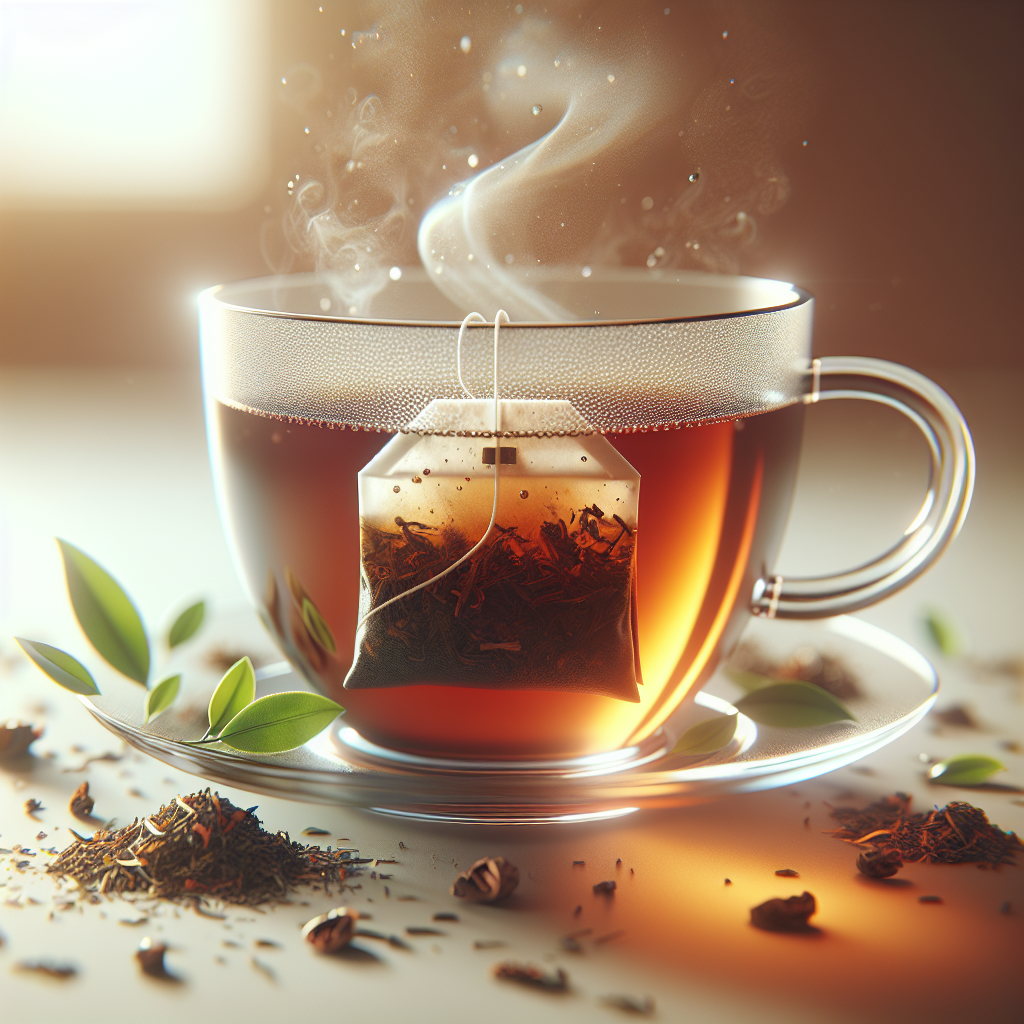
Visual Example

Enhancing the Tea Experience
A dependable tea infuser complements quality leaves. But your brew’s character also depends on temperature, steep time, and personal routine. Here are ways to maximize enjoyment.
Temperature Awareness
Different teas require distinct water temperatures. Use your tea infuser with precision—steep green tea around 80°C, black tea near 95°C, and white tea slightly lower. Controlled conditions protect delicate notes and ensure balanced flavor.
Pairing Accessories and Storage
Match your tea infuser with a porcelain mug or double-walled glass for heat retention. Also, store loose-leaf tea in opaque containers to preserve aroma. For ideas on how storage traditions evolved, see our internal guide on Tea History.
Mindful Rituals and Presentation
Brewing tea is also an aesthetic habit that grounds the mind. Select infusers that reflect your personal style—an antique bronze for meditation mornings or a sleek glass basket for modern décor. The aim is to create a wholesome experience beyond taste.
Combining a Tea Infuser with Teaware
Your chosen infuser should complement your teapot or cup in form and material harmony. Stainless steel pairs nicely with ceramic teapots; glass infusers encourage visual observation of unfolding leaves. Matching them thoughtfully elevates both function and presentation. To discover more about pairing cups and infusers, visit our article on Tea Products.
Common Mistakes When Using a Tea Infuser
Even premium tools can disappoint if misused. Avoid these frequent errors to ensure consistently satisfying brews.
- Overfilling the infuser—restricting leaf expansion and flavor dispersion.
- Leaving the infuser submerged too long—causing bitterness.
- Ignoring cleaning—leading to flavor contamination.
- Using improper water temperature.
- Choosing an unsuitable infuser size for your vessel.
By steering clear of these oversights, your tea stays fragrant and bright, regardless of the variant. The key takeaway is respect for both leaf and tool.
Where to Find a Reliable Tea Infuser
Buy from trusted sources—brands emphasizing food-grade quality and transparent material information. Specialty tea stores, local artisan shops, and reputable e-commerce sites provide detailed descriptions, often accompanied by customer reviews. Peruse discussions on professional blogs like Tea Association of the USA for deeper product comparisons. Always compare options with different filtration grades and ergonomic designs before purchasing.
Frequently Asked Questions
What is the best type of tea infuser for beginners?
Beginners benefit most from a stainless-steel basket tea infuser. It’s roomy, durable, and easy to clean, making it ideal for experimenting with various teas. Smaller ball styles are simple but sometimes limit flavor development. Start with a basket; it provides enough space for leaves to expand and teaches proper brewing timings, especially for green and oolong varieties. Its consistent performance helps beginners understand water flow, temperature handling, and brewing control effectively.
How do I clean my tea infuser effectively?
Cleaning involves more than a quick rinse. For everyday upkeep, rinse under warm water right after brewing. Once weekly, soak your tea infuser in a baking soda and hot water solution to dissolve stains and oils. Avoid harsh detergents; residue may affect the next brew’s flavor. A soft toothbrush helps clean fine meshes. Consistent cleaning extends the infuser’s life, preserves aesthetics, and keeps future brews fresh and aromatic every single time.
Is a silicone tea infuser safe for daily use?
Yes, when it’s made of high-quality food-grade silicone. Check labeling for BPA-free certification and high-heat resistance. The softness of silicone makes cleaning simple, and its flexibility suits irregular cup sizes. However, prolonged boiling exposure can degrade cheaper products. Always inspect for wear or discoloration. When maintained properly, a silicone tea infuser can last years and add fun color to your brewing routine without compromising taste or safety standards.
Why choose a tea infuser instead of tea bags?
Loose-leaf brewing through an infuser provides superior flavor, higher-quality leaves, and eco-friendly benefits. Tea bags often contain small dust particles, limiting aroma and complexity. A well-designed tea infuser lets leaves unfurl naturally, oxygenating the brew for balanced taste. Moreover, reusable infusers minimize paper waste. Many tea aficionados also find the ritual more satisfying, combining mindfulness with sustainability. The result: a cleaner cup and a richer, more genuine tea-drinking experience every time.
Can I use a tea infuser for herbal blends or fruit teas?
Absolutely. In fact, large-mesh basket infusers are perfect for chunky herbal mixes and dried fruit teas. They allow maximum circulation and prevent clogs. Ensure the mesh size matches the blend’s thickness—too fine and particles block flow. Always clean directly after brewing fruit teas to prevent sugary residues. A high-quality tea infuser accommodates everything from chamomile to hibiscus, offering consistent performance across diverse caffeine-free recipes you can experiment with freely.
How long should I steep using a tea infuser?
Steep duration depends on tea type. Green teas: 2–3 minutes at 80°C; black teas: 3–5 minutes at 95°C; oolong: around 4 minutes; herbal: 5–7 minutes. A tea infuser enables precise timing since you can lift it anytime. Over-steeping extracts tannins, resulting in bitterness. For personalized balance, start with shorter times and gradually adjust. Document your results—some leaves unfold faster. With consistent trials, you’ll find your ideal ratio and steaming rhythm seamlessly.
What’s the difference between a tea strainer and a tea infuser?
Though they both filter leaves, their roles differ. A tea strainer catches loose leaves after steeping in a pot, while a tea infuser holds the leaves during infusion inside your cup or teapot. Infusers promote better control over steeping and eliminate extra steps. If you value single-cup preparation or minimal cleanup, choose a dedicated tea infuser. Strainers, by contrast, suit traditional teapot rituals where leaves float freely before pouring.
How do I know when it’s time to replace my tea infuser?
Inspect your tea infuser every few months. If mesh holes widen, hinges warp, or residual stains persist despite cleaning, it’s time for an upgrade. Discoloration, metallic odors, or loose chains indicate wear. Investing in a new, quality model restores purity and prevents contamination. Proper maintenance delays replacement, but even the best infusers age with repeated boiling cycles. Modern alternatives include enhanced micro-sieve technology and reinforced steel constructions to ensure longevity.
Can a travel mug with an integrated tea infuser replace home brewers?
Portable mugs are excellent for convenience. Many feature dual filters for quick steeping and easy removal. While they can’t completely replace home teapots for elaborate ceremonies, they simplify everyday life. If you commute daily, a tumbler with built-in tea infuser lets you brew on the go, maintaining freshness. It’s a compact solution to enjoy authentic loose-leaf tea without carrying additional tools—perfect for modern, busy tea enthusiasts valuing flexibility and simplicity.

Leave a Reply