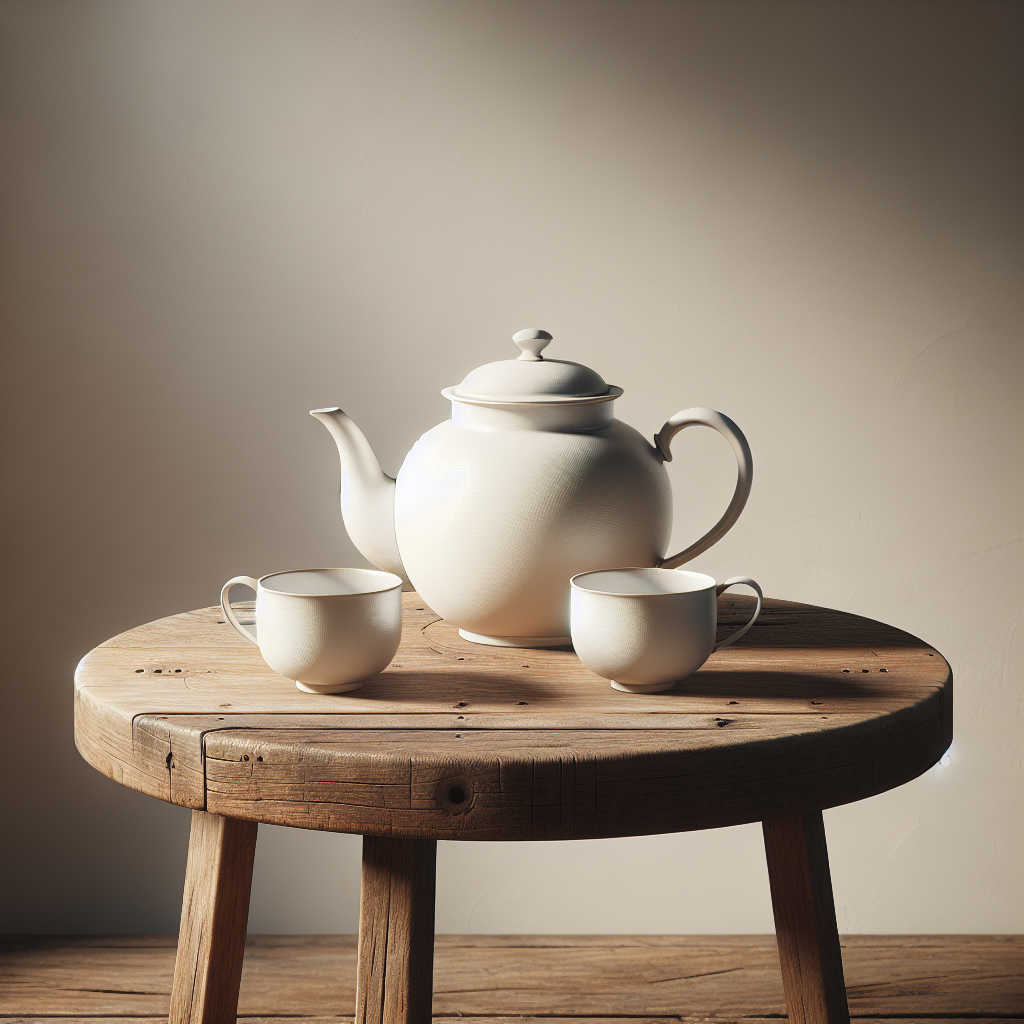
Shopping for the right teapot set can transform an ordinary tea ritual into a delightfully personal experience. A well-chosen teapot set not only enhances flavor and aroma but also adds character to your table. Many tea lovers underestimate how much material, craftsmanship, and design influence the brewing and serving process. Whether you’re gifting someone special or upgrading your own tea setup, understanding how to choose a quality teapot set ensures satisfaction and longevity.
Finding a balanced teapot set that harmonizes with your taste in tea, home décor, and daily habits isn’t as easy as picking the most attractive one online. With so many options made from glass, porcelain, clay, or cast iron, making an informed choice is vital. This guide explores essential considerations, trusted buying tips, and expert insights to help you confidently shop for a teapot set that enriches every brew.
Understanding a Quality Teapot Set
A quality teapot set is about more than appearance; it’s the relationship between material, steeping efficiency, thermal retention, and user comfort. Each element determines how enjoyable your tea moments become. Choosing such a set means paying attention to craftsmanship, origin, and usability.
Different Materials and What They Mean
Materials define the essence of any teapot set. Porcelain, glass, stoneware, and cast iron each deliver specific benefits. Knowing their distinctions helps buyers pair the right set with the desired tea experience.
- Porcelain: Elegant and timeless, porcelain teapot sets excel at maintaining tea’s true flavor. Best for light teas such as white or green tea.
- Glass: Ideal for aesthetic drinkers who love seeing their tea unfurl. A glass teapot set allows easy visual control of infusion strength.
- Clay: Clay sets, like Yixing, are prized for absorbing tea oils, deepening flavor over time. However, they should only be used with one type of tea.
- Cast Iron: These sets are durable, excellent for heat retention, and suit strong brews such as oolong or black tea. Proper seasoning prevents rusting.
How Craftsmanship Affects Durability in a Teapot Set
Beyond material, craftsmanship determines how well your teapot set performs. Smooth glazing, meticulous spout alignment, and a snug lid reduce dripping and preserve temperature. When handmade by reputable artisans, each piece reflects centuries of tea tradition and engineering precision. A poorly constructed set may leak or crack, whereas fine craftsmanship ensures you enjoy reliable brewing for years.
Trusted Buying Tips for Choosing the Right Teapot Set
Shopping online for a teapot set requires attention to authenticity, seller reliability, and product design. With numerous imported options and mass-produced copies, buyers benefit from careful evaluation before purchasing. The following tips can help narrow down the best options while ensuring value for money.
Evaluate Seller’s Reputation and Transparency
Always buy from trusted sellers who provide detailed product specifications and authentic images. A reputable store lists material composition, capacity, origin, and usage instructions. Look for legitimate certifications and verified buyer reviews. Avoid teapot sets lacking clear product descriptions or those with generic images.
Cross-checking Information Before Purchase
Before buying, perform a search using the product name and check independent forums or tea enthusiast communities. Seasoned collectors often share insights about production regions, reliable brands, and preferred suppliers. For example, buyers who seek true Japanese cast iron teapot sets can use resources such as the Japanese Tea Association to verify brand authenticity.
Assess Functionality and Design Harmony
An ergonomic handle, drip-free spout, and balanced lid are more important than elaborate decoration. The right teapot set should feel comfortable and intuitive in hand. Aim for proportions that suit your brewing habits—smaller capacities for solo use and larger ones for gatherings. Choose subtle designs that complement your tea environment instead of overpowering it.
Infuser and Filter Considerations
Modern teapot sets often include stainless-steel or built-in clay infusers. Look for fine mesh filters that prevent residue without hindering water flow. Removable parts simplify cleaning. For certain traditional clay sets, internal strainers formed at the spout work best with loose-leaf teas. Choose depending on your preferred infusion style.
Exploring Styles and Cultural Influence
The design of a teapot set can echo centuries of cultural expression. Each region brings a distinct philosophy to tea preparation and serving. Appreciating these influences deepens your connection to tea and informs smarter buying decisions.
Asian-Influenced Teapot Sets
China, Japan, and Korea each contribute iconic forms—like Yixing clay sets, Tokoname pottery, and celadon glazes. A Chinese-style teapot set emphasizes round forms and small volumes ideal for Gongfu brewing. Japanese teapot sets highlight simplicity and tactile texture, while Korean porcelain brings refined craftsmanship and smooth aesthetics. Consider your brewing ritual when choosing a cultural style.
Western Interpretations and Modern Revisions
European designers have long modernized the teapot set. British-inspired porcelain sets include ornate patterns and matching cups. Scandinavian sets lean minimalist, focusing on utility and subtle tones. Modern studio potteries blend these aesthetics, introducing sustainable materials and heat-resistant borosilicate glass. Shoppers who want a creative focal piece will appreciate these contemporary forms.
How to Preserve Heritage with a Modern Teapot Set
Integrating traditional artistry with practical modern design keeps heritage alive. Supporting artisans through small-batch purchases sustains authentic craftsmanship. Consider verifying producer backgrounds through ethical trade networks before buying. Authenticity converts your teapot set into more than tableware—it becomes cultural storytelling.
Evaluating Teapot Set Size and Capacity
Choosing the proper size ensures efficiency and optimal flavor. Overly large teapots may let tea cool prematurely, while too small ones might not yield enough servings for company. Determine how many guests you regularly serve and what brewing style you prefer before ordering.
Personal vs. Group Use
A solo tea drinker might prefer a 300–500 ml teapot set, while party hosts benefit from larger 800–1200 ml options. Having a smaller daily-use pot and a larger hosting one provides flexibility. Choose matching teacups to enhance symmetry and proportion at the table.
Temperature Retention and Material Thickness
Thickness plays a role in heat control. A cast-iron teapot set retains warmth longer, suitable for extended sipping sessions. Glass and porcelain lose heat faster but are ideal for delicate teas that demand controlled steeping. If you live in cooler climates, thicker clay or metal teapots serve better in outdoor setups.
Cleaning and Maintenance Tips
Keeping a teapot set pristine ensures durability and consistent flavor. Proper sanitation prevents residue buildup and maintains aesthetic brilliance. Avoid harsh detergents, especially for porous clay or matte finishes.
General Maintenance Guide
Rinse with hot water immediately after use, avoiding prolonged sitting time with wet leaves. Never use metal scouring pads on glazed surfaces. Gently dry with a soft cloth to prevent staining. Store your teapot set in a cool, dry space, ideally covered from sunlight.
Material-Specific Cleaning Tips
- Clay: Use only warm water and a dedicated brush to avoid cross-flavor contamination.
- Glass: Baking soda paste removes cloudiness effectively.
- Porcelain: Mix vinegar and water for periodic deep cleaning.
- Cast Iron: Wipe fully dry to prevent rust, and occasionally oil interior with food-grade oil.
When to Replace or Recycle Your Teapot Set
Even a high-quality teapot set eventually shows wear. If cracks, chipped glazes, or rust appear, replacement ensures safety. Some parts, like stainless-steel infusers, can be recycled. Consider donating usable pieces or repurposing old teapots as planters—a graceful way to extend their life.
Comparing Price Ranges and Value
The price of a teapot set can range from under $30 for starter options to hundreds of dollars for artisan or vintage collections. Recognizing where quality meets cost prevents overpaying while ensuring longevity.
Budget-Friendly Choices
Many affordable sets now balance quality and aesthetics. Look for borosilicate glass or simple porcelain blends with good sealing lids. These cheap options allow beginners to explore different tea experiences before committing to premium collections.
Mid-Range and Luxury Teapot Set Investments
Mid-range teapot sets ($60–$120) often include superior glazes, ergonomic shapes, and hand-finishing details. Luxury versions, usually made from Yixing clay or limited-edition ceramics, are collector-grade items. Paying more can guarantee better thermal performance and long-term visual appeal. To explore fine tea culture in context, visit TeaClass, which explains in-depth tea preparation philosophies.
Pairing Your Teapot Set with Tea Choices
Each teapot set behaves differently with various tea categories because of how materials interact with heat and tannin levels. Pairing properly produces authentic flavor tones.
Best Sets for Different Teas
- Green Tea – Use porcelain or fine glass teapot sets to prevent over-steeping.
- Oolong Tea – Clay teapots enhance layered aromas through gradual heat absorption.
- Black Tea – Cast iron sets sustain warmth through sessions.
- Herbal and Fruit Teas – Glass sets beautifully display colorful infusions.
Experimenting with Tea Ceremonies
Exploring cultural tea rituals can enrich your understanding of how teapot sets function. Try following a simple Gongfu technique or a Japanese Kyusu approach to appreciate thermal behavior. Learn more about rituals from Tea Ceremonies at TeaStory Blog.
Common Mistakes When Buying a Teapot Set
Even experienced tea enthusiasts sometimes overlook basic selection principles. Mistakes often occur from focusing on beauty over balance or material compatibility.
- Ignoring volume relative to your purpose.
- Choosing designs incompatible with intended tea types.
- Overlooking handle comfort and spout precision.
- Falling for unexplained “handcrafted” labels without proof.
Preventing Buyer’s Remorse
To avoid regret, evaluate your needs honestly before shopping. Ask yourself: Do I prefer brewing single cups or group servings? Is maintenance effort practical for my lifestyle? Read long-term user reviews rather than relying solely on promotional photos.
Leveraging Expert Communities
Tea enthusiasts’ communities and online gatherings provide invaluable insights. Forums and local tasting clubs occasionally host meetups for testing teapot sets firsthand. You can also deepen your knowledge of craftsmanship details by exploring topics on Tea Products at TeaStory Blog.
Integrating a Teapot Set into Your Home Aesthetic
Beyond practicality, your chosen teapot set becomes part of your home’s expression. Coordinating it with interior tones or specific themes makes tea sessions visually pleasurable. Minimalist homes often benefit from matte ceramic sets, while traditional decors shine with ornate porcelain.
Display and Storage
When not in use, a teapot set makes an attractive display piece. Use low, open shelving, soft lighting, or a bamboo tray to highlight its artistry. Protect from dust with glass cabinets if possible. Harmonious display elevates the overall ambiance, turning daily tea preparation into a mindful ritual.
Seasonal Rotations
Consider rotating your teapot set based on the weather or seasonal mood. In winter, switch to heavier clay or cast iron, while summer welcomes light glassware. Rotating not only keeps your tea sessions fresh but also preserves wear evenly among your collections.
Conclusion: Embrace Every Brew with the Ideal Teapot Set
Purchasing the perfect teapot set merges art, history, and practicality. Prioritize materials that suit your tea habits, check seller reliability, and consider balanced aesthetics. Whether you lean toward contemporary glass or traditional clay, your ideal teapot set enhances taste while reflecting your individuality. With careful care and informed buying, you’ll savor every steeped cup—an experience nurtured by understanding craftsmanship and culture.
Frequently Asked Questions
How do I choose the right teapot set for beginners?
Start with a simple porcelain or glass teapot set. These are easy to clean, neutral in taste, and versatile for multiple tea types. Avoid highly porous clay until you know your preferences. Choose an ergonomic handle and moderately sized pot (400–600 ml). Check that the lid fits snugly and the spout pours smoothly. Read product reviews and look for sets offering a built-in infuser for convenience. This balance of accessibility and quality allows beginners to appreciate brewing control before experimenting with speciality designs.
Which materials last longest in a teapot set?
Cast iron and high-fired porcelain teapot sets stand the test of time when well cared for. Cast iron models are virtually indestructible, though they need drying after every use to avoid rust. Porcelain resists scratches and withstands repeated temperature changes. Clay teapots offer enduring character but require delicate maintenance. Glass teapots last long if made from borosilicate material. Choosing a sturdy, authentic set with verified craftsmanship ensures your teapot set remains functional and appealing for years.
How can I verify if a teapot set is authentically handmade?
True handmade teapot sets reveal subtle asymmetry, authentic artisan stamps, and unique texturing that mass-produced versions lack. Reputable sellers usually include the artisan’s name, region, and production technique. Verify through official certification labels or compare markings with examples found on dedicated tea culture forums. Avoid listings that use computer-generated photos or overly standardized patterns. Ask the seller for detailed provenance. Getting documentation not only proves authenticity but adds cultural value to your teapot set collection.
What is the ideal capacity for a family-sized teapot set?
Families or small gatherings benefit from a 900–1200 ml teapot set—ample for multiple consecutive servings. This size keeps tea warm without making the pot too unwieldy. Consider multiple matching cups for consistency. Opt for materials that retain heat, like cast iron or thick ceramic. For households that host informal tea sessions, using two moderate-sized teapots—a main one for brewing and a smaller one for pouring—maintains steady flavor and temperature. Capacity planning guarantees comfort and satisfaction during every shared tea break.
Can I use one teapot set for all tea types?
Technically yes, but the experience improves if you tailor sets to particular teas. For example, clay teapots absorb oils and should be reserved for one tea type only. Glass and porcelain sets handle variety without retaining flavor. If you often rotate between teas, multi-purpose glass or glazed porcelain is a practical solution. Having more than one teapot set ensures each brew’s purity while showcasing diversity in your home collection. This thoughtful arrangement boosts both taste and presentation.
How should I clean a vintage or delicate teapot set safely?
Clean vintage teapot sets with gentle hands. Use lukewarm water and a soft cloth; avoid dishwashers. Do not apply chemical cleansers that strip glaze or markings. If stubborn stains appear, soak gently with baking soda solution, then rinse thoroughly. For metal accents, use microfiber cloths to polish lightly. Always dry completely before storing. Preservation rather than scrubbing is the rule—especially when your teapot set carries decorative or historic detail that makes it irreplaceable. Handle with protective gloves if needed.
Is investing in a designer teapot set really worth the cost?
Designer teapot sets often justify their cost through longevity, superior craftsmanship, and heritage value. While the price tag may seem high initially, such sets typically perform better and age gracefully. They also hold resale worth for collectors. Ensure authenticity by checking brand certification. The satisfaction of owning a well-crafted teapot set extends beyond functionality—it becomes part of your home’s identity and conversation piece at every tea ritual. Like fine art, the pleasure often exceeds the price.


Leave a Reply