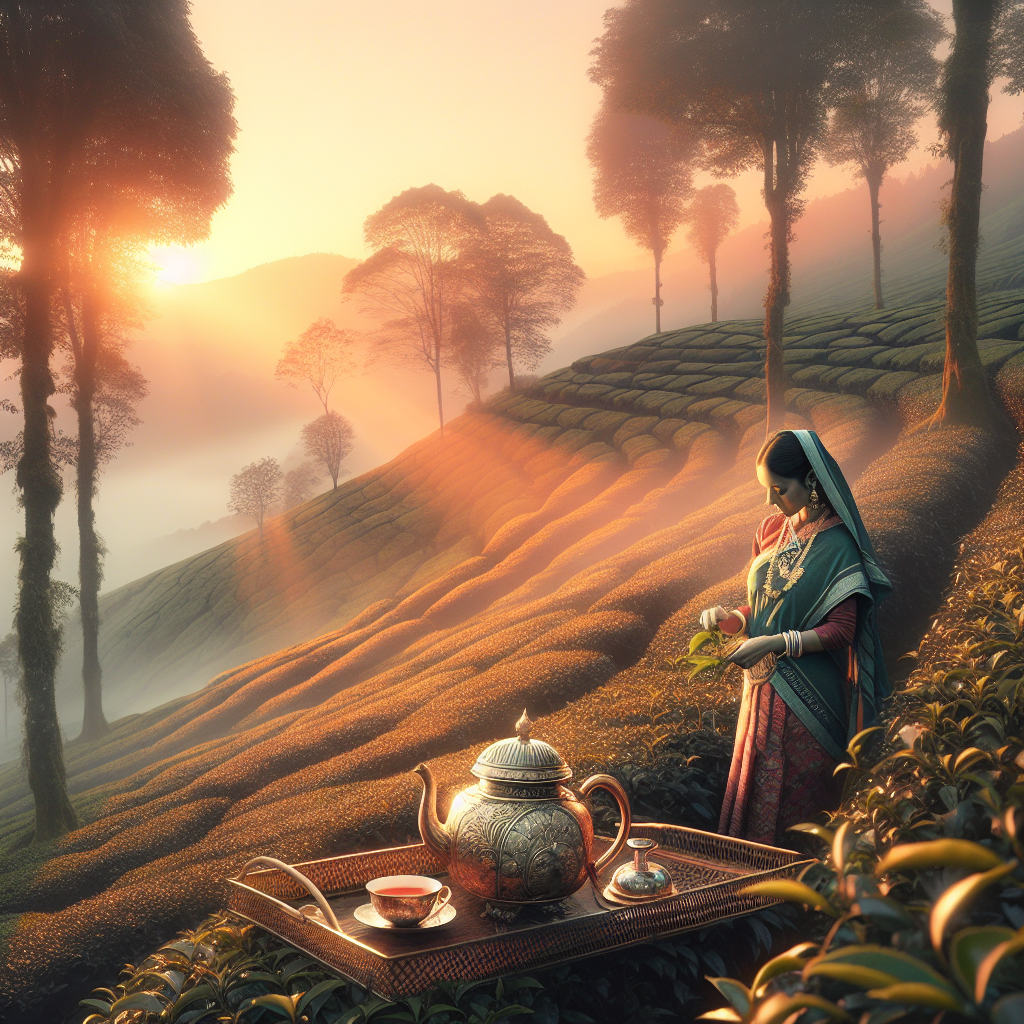
Perched gracefully in the Eastern Himalayas, the queen of hills Darjeeling is more than a picturesque hill station—it is a legacy steeped in aroma, history, and craftsmanship. Every mist-kissed plantation tells a story of dedication, connecting people around the world through its golden liquor. As travelers seek authenticity, they find not only breathtaking views of Kanchenjunga but also the soulful rhythm of tea leaves swaying in cool mountain air. Exploring the queen of hills Darjeeling means embracing the art of savoring, brewing, and celebrating one of India’s most famed tea-producing regions.
For those who have ever wondered how the taste of Darjeeling tea differs from others, the journey begins with understanding where it grows. When enthusiasts speak of the queen of hills Darjeeling, they refer to a region known for producing some of the finest black and oolong teas—renowned for their muscatel flavor, light body, and floral aroma. Whether steeped at sunrise in an old colonial bungalow or brewed during a winter afternoon, each sip unfolds layers of delicate notes that reflect the purity of its origin. This article explores not just the essence of this highland paradise but expert brewing techniques to help you extract the best from every leaf.
The Heritage of the Queen of Hills Darjeeling
Darjeeling, often affectionately called the queen of hills Darjeeling by locals and travelers alike, owes its identity to both geography and heritage. The slopes at elevations ranging from 600 to 2,000 meters nurture tea bushes that thrive under cool mist, diffused sunlight, and unique soil composition. This combination delivers a character nowhere else replicated. Historically, it was during the British colonial era that tea cultivation began in these lush terrains, turning the region into the cradle of high-quality tea culture.
The district’s 87 tea gardens, each with its distinct terroir, craft teas that vary subtly in flavor and fragrance depending on the altitude, rainfall, and processing style. From estates such as Makaibari, Glenburn, and Castleton, to newer boutique gardens embracing organic practices, the queen of hills Darjeeling continues to balance tradition with innovation. Tea planters here often rely on hand-plucking techniques, ensuring only the finest two leaves and a bud reach your cup—maintaining standards set over 150 years ago.
The Seasonal Beauty of Tea Harvest in the Queen of Hills Darjeeling
Each season in the queen of hills Darjeeling reveals a different side of tea character. The First Flush, harvested in early spring, is light, floral, and brisk. The Second Flush, occurring from May to June, develops that exceptional muscatel note—sweet, fruity, and complex. Come autumn, the Third Flush offers mellow tones with deeper amber hues. Connoisseurs often compare the evolution of these flushes to fine wine vintages, where each year brings new subtleties worth savoring.
Visiting during plucking season is a treat in itself. Watching women dressed in colorful shawls gently pick the tender leaves while humming folk songs feels timeless. It’s a human connection to the land and labor that sustains this heritage. As tourism grows, many estates open their gates for experiential tea walks and homestays, giving travelers a closer look at what makes the queen of hills Darjeeling a living, breathing tea destination.
Exploring Flavor Profiles and Brewing Artistry
Brewing Darjeeling tea the right way transforms an ordinary cup into a sensorial journey. The queen of hills Darjeeling beckons tea lovers to slow down and appreciate each step of the ritual. Brewing is less about strict rules and more about balance—between temperature, steeping time, and leaf quantity. When mastered, it reveals an elegant infusion with layers of sweetness, fruit, and floral depth.
How to Brew the Perfect Cup from the Queen of Hills Darjeeling
Begin with fresh, filtered water. It’s the foundation of any great brew. For black teas from the queen of hills Darjeeling, heat the water to around 90–95°C. Use one teaspoon of loose leaves per cup. Pour gently, and let it steep for three to four minutes. Over-steeping can cause bitterness, while a shorter brew brings out subtle floral nuances. Once ready, strain and savor—preferably without milk, as Darjeeling tea’s delicate profile deserves purity.
Expert Brewing Tips for the Queen of Hills Darjeeling Experience
To truly savor the queen of hills Darjeeling, treat it like an art form. Warm your teapot before brewing to maintain temperature stability. Choose glass or porcelain teapots to better observe the infusion color. If you enjoy cold brewing, use double the leaf amount and steep in chilled water for 6–8 hours; this highlights fruitier undertones. Another secret: experiment with second infusions, as quality Darjeeling leaves often deliver delightful new notes with each pour.
- Temperature control: Maintain consistency; too hot risks bitterness.
- Water quality: Soft water enhances flavor clarity.
- Leaf expansion: Allow space in the pot for the leaves to breathe fully.
- Mindful sipping: Notice the aroma first; the nose enhances perception.
Pairing the Queen of Hills Darjeeling Tea with Food
Pairing teas from the queen of hills Darjeeling with the right foods elevates appreciation even more. The First Flush’s lightness pairs beautifully with delicate biscuits, fruit tarts, or mild cheeses. Meanwhile, the Second Flush complements savory pastries, roasted nuts, or semi-soft cheeses. For a unique twist, try pairing autumnal Darjeeling teas with dark chocolate or spiced nuts—this brings out an extra dimension of richness. Many fine dining restaurants now curate tea-pairing menus where Darjeeling teas rival wines in sophistication.
Sustainability and Community in the Queen of Hills Darjeeling
The tea culture here isn’t just about flavor; it’s about people and preservation. The queen of hills Darjeeling thrives due to a sustainable balance between human effort and ecological responsibility. Many estates today adopt organic farming, shunning chemical fertilizers and embracing biodiversity. Shade trees, natural pest control, and compost restoration play crucial roles in maintaining soil vitality. These practices safeguard both environment and livelihood.
Local communities form the lifeblood of the industry. Generations of tea workers have inherited artisanal plucking and processing skills, vital in maintaining the region’s global recognition. Moreover, growing awareness encourages better wages, housing, and education—essential for the sustainability of Darjeeling’s tea identity. Ethical tourism also supports these initiatives, as visitors choosing local tours and accommodation contribute directly to the welfare of growers and their families.
Climate Challenges Facing the Queen of Hills Darjeeling
While beauty defines the queen of hills Darjeeling, challenges remain—especially with climate changes. Unpredictable rainfall and temperature shifts affect yield and flavor consistency. To counter this, research organizations and estates collaborate to introduce resilient cultivars while preserving heritage bushes. Adaptive irrigation, reforestation, and fair-trade certification further strengthen the ecosystem. Maintaining Darjeeling’s authenticity thus becomes not just a cultural commitment but an environmental mission.
Cultural Impressions and Global Recognition
Few teas possess the cultural weight of the queen of hills Darjeeling. It holds a Geographical Indication (GI) tag, ensuring only authentic tea grown in the district bears the name. This measure protects against imitation and preserves reputation. Its standing as the “Champagne of teas” stems from both its flavor and its prestige among tea connoisseurs worldwide.
From London tearooms to Tokyo cafes, Darjeeling tea remains synonymous with elegance. Celebrities and chefs recognize its refined taste, using it not just as a beverage but in culinary explorations—ice creams, cocktails, and savory sauces infused with tea leaves. Educational tours and tastings across the estates also help spread awareness about ethical farming and craftsmanship embedded deep within the queen of hills Darjeeling culture.
Travel Inspirations and Experiences in the Queen of Hills Darjeeling
Travelers drawn here experience a blend of colonial charm, Himalayan serenity, and tea heritage. Popular sites like the Darjeeling Himalayan Railway and Chowrasta are complemented by serene tea garden stays that open doors to local craftsmanship. Imagine mornings sipping freshly brewed tea on a veranda overlooking endless green slopes—simple yet profoundly enriching. Guests often enjoy guided plucking experiences, visiting small tea factories, and participating in tasting workshops that demystify flavor profiles and grading standards.
For a deeper dive into the artistry behind brewing, online resources from international tea authorities such as Tea Board of India and Tea Class offer valuable knowledge. For cultural extensions and insider stories from tea artisans, internal resources like Tea History and Tea Cultivation posts amplify the connection between heritage and technique.
Advanced Brewing Insights from Experts
What differentiates a masterful brew from a casual one is attention to variables often overlooked. Experts studying the queen of hills Darjeeling teas emphasize time of harvest, oxidation levels, and leaf grade. For instance, a Tippy Golden Flowery Orange Pekoe (TGFOP) grade yields an intensely aromatic liquor, while Broken Orange Pekoe (BOP) develops stronger, more assertive tones—ideal for those seeking compact depth. Understanding these distinctions enhances your appreciation and guides you to personalize strength and texture.
Scientific Approach to Brewing Consistency
Tea brewers and baristas increasingly adopt precision tools like temperature-control kettles and scales to replicate ideal conditions. The queen of hills Darjeeling, with its delicate tannins, benefits from this controlled environment. Studies suggest minor shifts—just 3°C higher or 30 seconds longer steeping—can alter aroma retention significantly. Consistency ensures you capture that signature muscatel profile every time. When serving guests, noting these parameters shows expertise and respect for heritage.
Personalized Brewing Rituals Rooted in the Queen of Hills Darjeeling
Every tea lover develops a unique connection to ritual. Some meditate during steeping; others journal tasting notes. The rhythm of pouring and waiting becomes mindfulness practice. The queen of hills Darjeeling encourages this intentional approach—every cup feels ceremonial. To elevate experience further, some enjoy blending Darjeeling with subtle herbs like lemongrass or lavender for aroma enhancement while still preserving its primary character. Tea sommeliers now integrate these methods into workshops and tastings worldwide, showcasing how luminescent this Himalayan brew can be.
Capturing Aroma and Presentation Aesthetics
Part of savoring tea from the queen of hills Darjeeling lies in presentation. Clear teaware magnifies the amber-gold color, while porcelain cups maintain warmth. The aroma blooms when gently agitated before sipping, revealing layers of nutmeg, orchid, and citrus. Many enthusiasts photograph their tea setup against Darjeeling’s scenic backdrop, preserving both visual and olfactory memories. Moments like these resonate with the idea that tea isn’t just consumed—it’s experienced.
 The interplay of mist and sunlight across the terraces often mirrors the clarity found in its liquor. Whether showcased through photography, design, or storytelling, the artistry continues to evolve, connecting modern aesthetics with traditional charm.
Frequently Asked Questions
What makes tea from the queen of hills Darjeeling different from other regions?
The distinction lies in the terroir of the queen of hills Darjeeling. Its altitude, misty climate, and mineral-rich soil develop teas with layered complexity rarely found elsewhere. The muscatel note present in its Second Flush sets it apart—neither too bold nor too mild. The hand-plucking process and heritage processing techniques maintain a standard of craftsmanship that reflects generations of expertise. Together, these elements forge a sensory identity that enthusiasts instantly recognize and celebrate across the world.
How should beginners brew tea from the queen of hills Darjeeling?
Beginners should start simple. Use one teaspoon of leaves per cup and water at about 90°C, steeped for three to four minutes. The queen of hills Darjeeling tea should be enjoyed without milk to highlight its natural character. Avoid boiling water directly over leaves, as it can destroy the delicate floral notes. Using soft or filtered water ensures purity. With time, experiment by adjusting steeping duration to match personal taste while observing how aroma and color evolve.
Can tea from the queen of hills Darjeeling be used in culinary recipes?
Absolutely. The queen of hills Darjeeling lends elegance to culinary creations—from tea-smoked salmon to infused sorbets. Its floral tones complement both sweet and savory dishes. Chefs often prepare Darjeeling tea reductions for sauces or pair them with desserts like poached pears. As gastronomy trends evolve, this Himalayan tea’s versatility in marinade bases and creamy desserts gains attention. Using locally sourced ingredients amplifies the connection between flavor and origin, making each dish distinctive and high in culinary artistry.
Is organic certification common among estates in the queen of hills Darjeeling?
Yes, many estates pursue organic certification to maintain ecological integrity. The queen of hills Darjeeling has seen significant transitions toward chemical-free cultivation over the past decade. Organic farms emphasize biodiversity, sustainable pest control, and soil restoration. Consumers increasingly seek authenticity and ethics, which drives accelerated adoption of such standards. When buyers choose certified products, they not only ensure taste purity but also support fair labor and environmental health across the Himalayan belt’s tea communities.
What are the best times of year to visit the queen of hills Darjeeling for tea experiences?
Spring and early summer offer vibrant experiences, corresponding with the First and Second Flush harvests. During these months, the queen of hills Darjeeling blossoms with color, aroma, and visitor-friendly weather. Estate tours, tea tastings, and community festivals thrive then. Autumn brings quieter charm with crisp mountain air and balanced flavors in brews. Winter, though cooler, provides serene views ideal for reflection and photography. For true immersion, planning around these tea seasons ensures authenticity in both learning and leisure.
Can teas from the queen of hills Darjeeling aid in wellness?
Darjeeling tea, rich in antioxidants and moderate caffeine, supports gentle alertness and metabolic balance. Regular drinkers of the queen of hills Darjeeling find it aids stress relief and digestion, particularly due to polyphenols present in the leaves. Its light body makes it suitable for afternoon focus or post-meal calm. Versatile in blends, it pairs well with mint or lemon to enhance detox effect. While it’s not a miracle cure, consistent enjoyment contributes to gradual lifestyle wellness benefits.
How does climate change impact tea production in the queen of hills Darjeeling?
Climate change significantly affects rainfall patterns and temperature stability, influencing yield and flavor. The queen of hills Darjeeling’s delicate plants react swiftly to such shifts, sometimes producing weaker crops. To mitigate this, many estates adapt with eco-forestry, improved irrigation, and sustainable soil practices. Research institutions develop disease-resistant crops that preserve iconic taste while securing livelihoods. The future depends on cooperative action among growers, governments, and consumers who value this delicate balance of tradition and sustainability in every cup enjoyed.
Why is the queen of hills Darjeeling called the “Champagne of teas”?
The comparison arises from its unique terroir-driven quality. Similar to how Champagne comes exclusively from a specified French region, the queen of hills Darjeeling holds geographical exclusivity and refinement. Its aroma is ethereal, with muscatel tones reminiscent of sparkling wine sophistication. Only authentic teas produced here carry the GI-tagged label, safeguarding integrity. Each infusion embodies the elevation’s freshness, artisanal expertise, and cultural legacy—making Darjeeling not just a beverage but an experience resonating with global connoisseurs and collectors alike.

Leave a Reply