
Few beverages in the world reflect harmony between nature, tradition, and taste like assam darjeeling tea. Rooted in the misty estates of India’s most prized tea regions, this blend offers an intriguing balance of robustness and subtlety. Whether you love the malty resonance of Assam or the brisk floral character from Darjeeling, understanding how to brew and savor this tea can elevate an ordinary afternoon into an aromatic experience. In this guide, we’ll cover expert brewing tips, origin insights, and service suggestions to help you truly enjoy every cup of assam darjeeling tea.
The allure of assam darjeeling tea lies not only in its contrasting flavor notes but also in its seasonal diversity. Each batch tells a story of soil, rainfall, altitude, and the hands that pick the tender leaves. This article brings you a practical, evidence-based approach to brewing perfection — grounded in sensory exploration, backed by experience, and designed to help both beginners and seasoned tea aficionados get the best from their leaves.
The Origins of Assam Darjeeling Tea
India’s Eastern states of Assam and West Bengal form the foundation of the global prestige around black tea. When these two regional teas are combined or compared, they create a palette of taste that resonates across cultures. Let’s dive into their distinctive origins and why assam darjeeling tea intrigues connoisseurs worldwide.
Assam’s Strong and Malty Heritage
Grown in the lush, low-lying plains of the Brahmaputra valley, Assam tea produces a deep amber liquor with rich malt undertones. The tropical climate, high rainfall, and fertile soil provide a long growing season and lend this tea its body and strength. Popular as a morning energizer, it forms the backbone of many English Breakfast blends. When combined in assam darjeeling tea, Assam’s maltiness complements the floral crispness of Darjeeling.
Darjeeling’s High-Altitude Grace
Perched in the Himalayan foothills, Darjeeling enjoys cool temperatures and misty air that nurture the distinct muscatel flavor for which it’s celebrated. Known as the “Champagne of teas,” Darjeeling charms with notes of fruit, flowers, and light astringency. When these leaves intermingle with Assam, the result is assam darjeeling tea — a blend that delivers complexity with smooth harmony.
Understanding the Flavor Balance
The secret behind the perfect cup lies in understanding how each origin interacts. Assam darjeeling tea offers a sophisticated duality: strength with elegance, briskness with body. Learning to recognize these contrasts makes brewing more intuitive.
How Assam Contributes to the Blend
Assam’s contribution centers on power and depth. The darker leaves infuse quickly, producing a reddish-brown cup that stands up well to milk and sugar. Yet, when used mindfully, Assam can provide structure without overpowering Darjeeling’s subtleties.
How Darjeeling Adds Nuance
Darjeeling introduces top notes — floral, fruity, and slightly woody — that lighten the heaviness of Assam. This pairing makes assam darjeeling tea multidimensional, suitable for both hearty breakfasts and reflective afternoon teas.
Expert Brewing Techniques for Assam Darjeeling Tea
A great cup begins with great preparation. Brewing assam darjeeling tea requires small but meaningful choices: water temperature, steeping time, and leaf measurement. Every adjustment shapes the cup’s aroma and texture.
Water Quality and Temperature
Tea is over 95% water, so quality matters. Use fresh, filtered water free of chlorine or mineral odors. For assam darjeeling tea, maintain the temperature between 90°C and 95°C. Boiling water can burn delicate Darjeeling leaves, while slightly cooler water extracts Assam’s notes more gently.
Leaf Quantity and Ratio
An ideal measure is one heaped teaspoon per cup, roughly 2–2.5 grams. Blenders often prefer a 60:40 ratio — more Assam for strength, or more Darjeeling for fragrance — depending on the desired outcome. To elevate the aroma, warm the teapot before adding your loose leaves.
Steeping Time and Methods
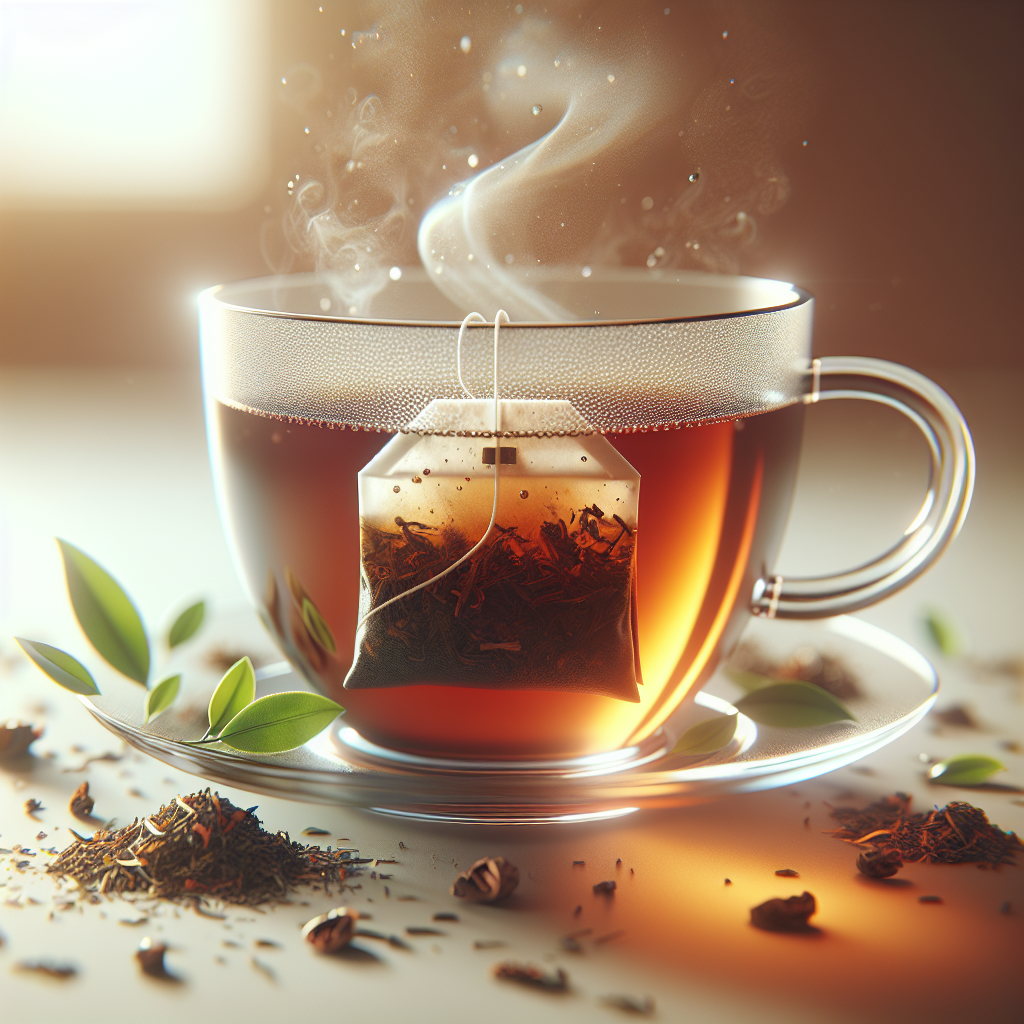
Three to four minutes of steeping produces a balanced profile. Over-brewing can draw out bitterness from Assam and dull Darjeeling’s vibrant edge. If you prefer a milk tea, brew slightly longer; for a lighter version, shorten the infusion. A porcelain or glass pot allows visual guidance as the liquor deepens.
Experimenting with Brewing Parameters
Brewing is both a science and art. Adjusting one variable can reveal new layers of flavor. For instance, steeping assam darjeeling tea at 88°C for three minutes may highlight floral tones, whereas a full 95°C brings maltiness to the front. Keeping a tea diary helps refine your method over time.
The Role of Season, Grade, and Leaf Form
Not all teas are created equal. The grade and harvest season affect both taste and brewing. Understanding these aspects can help you choose the right ingredients for your ideal cup of assam darjeeling tea.
First Flush vs. Second Flush
Darjeeling’s first flush, picked in early spring, yields lighter, greener notes. Its second flush exhibits fruity depth. Assam’s second flush, on the other hand, offers the richest flavor of the season. Many artisans blend second flush Assam with first flush Darjeeling for a cup that feels balanced yet vibrant.
Whole Leaf vs. CTC (Crush-Tear-Curl)
Whole leaf teas preserve essential oils and fragrance, ideal for connoisseurs who appreciate complexity. CTC tea, processed into tiny pellets, produces quicker, stronger brews suited to those who like milk. When crafting your own assam darjeeling tea, experiment with half-leaf and half-CTC blends for personality.
Pairing Foods with Assam Darjeeling Tea
The layered notes of assam darjeeling tea make it remarkably food-friendly. Whether at breakfast or during elegant tea sessions, matching the right foods enhances the taste journey.
Morning Combinations
Pair with buttered toast, eggs, or spiced pastries. The maltiness from Assam complements creamy or savory textures. Traditional Indian snacks such as samosas or spiced lentil rolls find harmony with the tea’s strength.
Afternoon Indulgences
Darjeeling’s crisp notes pair beautifully with desserts and fruit-based preparations. Lemon tarts, almond biscuits, or light sandwiches elevate the tea experience. Serving assam darjeeling tea chilled with ice can also highlight fruity top notes on warm days.
Food Pairing Techniques
A good rule is contrast and balance. Rich dishes welcome brisk teas, while delicate foods shine with softer infusions. Experiment — pour brewed tea into tasting cups beside matching bites and note which complements which.
Health and Wellness Benefits
Both components of assam darjeeling tea provide antioxidants, caffeine, and compounds that support mental alertness. Beyond pleasure, drinking this tea can form part of a mindful wellness regime.
Antioxidants and Mental Clarity
Black teas from both Assam and Darjeeling contain polyphenols and catechins that combat oxidative stress. Regular consumption supports brain function, alertness, and focus. People transitioning from coffee often find that assam darjeeling tea provides smoother energy without jitters.
Digestive and Heart Health
Moderate consumption can support digestion, particularly when paired with low-fat diets or after meals. The theaflavins present in black tea may help maintain good cholesterol levels and cardiovascular balance.
Serving Traditions and Modern Adaptations
How you serve assam darjeeling tea can transform a simple act of drinking into a small ritual of refinement. Each setting — formal, social, or solitary — brings out different nuances.
Classic Indian Service
In India, paving the way with warm cups on porcelain trays is still common. Guests might be offered the tea lightly sweetened or milked, symbolizing warmth and hospitality. Regions vary: Assamese households favor strength; Darjeeling homes celebrate subtlety.
Contemporary Presentations
In global cafés, assam darjeeling tea often appears as signature house blends. Iced variations sweetened with honey or rosewater appeal to modern palates seeking refreshment. Serving glassware — transparent mugs or tall tumblers — reveals color, a visual cue to quality.
Using Assam Darjeeling Tea in Culinary Creations
Chefs have begun integrating brewed tea into marinades, sauces, and even desserts. A smoked salmon glaze infused with assam darjeeling tea or a panna cotta tinted with tea reduction carry gentle aromatic undertones that make dishes memorable.
Practical Tips for Storage and Longevity
Proper storage preserves flavor integrity. Exposure to air, moisture, heat, or odors can degrade assam darjeeling tea quickly.
Choosing the Right Container
Airtight tins or dark glass jars keep the tea fresher. Avoid plastic, which absorbs aroma. Label each batch with purchase date and type; freshness ensures consistent brewing quality.
Environmental Factors
Store away from sunlight and humidity. Ideal storage temperatures range from 15°C to 25°C. Avoid storing near spices or coffee, which transmit strong scents easily absorbed by tea leaves.
Buying Ethically Produced Tea
Sustainability matters. Ensuring your assam darjeeling tea comes from estates that respect workers and ecosystems supports long-term quality and community health.
Certifications and Traceability
Seek labels like Fair Trade, Rainforest Alliance, or Ethical Tea Partnership certifications. Reputable brands often display garden names and harvest dates, ensuring transparency. These choices guarantee that your cup represents responsible sourcing.
Supporting Local Tea Communities
Buying directly from trusted sellers keeps profits closer to producers. Visit artisan brands or regional cooperatives online for updates about their farming methods and blends.
For global tea insights and sourcing ethics, explore the Tea Board of India. For brewing knowledge and research into health effects, visit Tea Association of the USA.
Deepening Your Tea Journey
Learning never stops with tea. Engage with stories behind each cup and practice brewing mindfulness. Assam darjeeling tea rewards experimentation and patience.
You may also enjoy exploring internal resources such as the History of Tea Evolution and a guide to Modern Tea Recipes — both extend your understanding of how heritage meets innovation.
Frequently Asked Questions
What makes assam darjeeling tea unique compared to other black teas?
The uniqueness lies in the blend’s complementary nature. Assam provides malt and body, while Darjeeling contributes elegance and aroma. Unlike single-origin teas, assam darjeeling tea brings dual character — bold yet refined. Its versatility allows it to suit both robust breakfasts and delicate afternoon breaks. Additionally, the specific climate and altitudes of both regions produce distinctive flavonoids, separating this tea from blends made elsewhere in the world. This synergy has earned it international reputation among sommeliers and home brewers alike.
How should I store assam darjeeling tea for maximum freshness?
Preserve it in airtight containers away from light, heat, and moisture. Keep the container in a cool environment with minimal temperature fluctuation. Avoid refrigerating or freezing, which can cause condensation when reopened. A dark pantry shelf is ideal. If you enjoy multiple blend types, label containers clearly to prevent mixing aromas. Properly stored, assam darjeeling tea remains vibrant for up to 12 months, though fresh leaves from small-batch producers offer superior aroma when consumed within six months.
Can I add milk and sugar to assam darjeeling tea without losing flavor?
Yes, though moderation helps. Milk suits Assam’s fuller body but can mask Darjeeling’s finer top notes. To balance, brew strongly and add only a touch of warm milk. Unrefined sugars or honey enhance without overwhelming. In cafes, some baristas create sweet-spice versions with cardamom or cinnamon. Always taste the brew first — if its flavor is already harmonious, drink plain to appreciate the natural gradient of assam darjeeling tea.
Is assam darjeeling tea caffeinated?
Yes, both Assam and Darjeeling are black teas containing caffeine — typically between 40–70 mg per cup. However, levels vary with leaf size, steeping time, and harvest type. Compared to coffee, assam darjeeling tea releases caffeine slower, producing steady energy without sharp crashes. If sensitive, choose first-flush Darjeeling or blend in decaffeinated Assam to moderate impact while maintaining aroma.
How can I make iced assam darjeeling tea that retains its aroma?
Start by preparing a concentrated hot brew using double the usual leaves. Cool to room temperature before adding ice, instead of pouring hot tea directly over cubes, which dilutes instantly. Sweeten while warm so it incorporates smoothly. When chilled, assam darjeeling tea reveals gentle fruit notes ideal for summer. Optionally, add slices of citrus or mint leaves for freshness without overpowering the base flavor.
Which teas blend best with assam darjeeling tea for experimentation?
You can experiment by mixing a pinch of Nilgiri, Ceylon, or Chinese Keemun to highlight different aspects. Nilgiri enhances floral aroma, while Keemun adds smoky depth. To avoid muddy tastes, blend small trial volumes and record proportions. Balanced blending improves palate training. Over time, you’ll discover custom profiles that rival artisan sets. Remember, assam darjeeling tea itself already embodies dual complexity, so additions should emphasize contrast rather than outweigh.
Are there any cultural tea ceremonies involving assam darjeeling tea?
While not ceremonial in the strict sense like Japanese or Chinese traditions, afternoon tea culture in India and Britain often features this blend. It bridges Eastern craftsmanship and Western ritual. Families serve assam darjeeling tea on special occasions such as festivals or gatherings as a gesture of generosity. Globally, modern tearooms host ‘heritage tastings,’ guiding patrons through comparative brewing of both Assam and Darjeeling variants to honor their regional roots and craftsmanship.
Does organic assam darjeeling tea taste different from conventional varieties?
Depending on farming practices, yes. Organic versions use natural compost and pest control, which can subtly affect leaf texture and soil chemistry. This often produces softer, cleaner aftertastes. Non-organic teas, while consistent, may lack nuanced terroir expression. Reviewing estate transparency reports helps ensure authenticity. Over time, many drinkers favor organically cultivated assam darjeeling tea not only for sustainability but also its purer, fresher mouthfeel that reflects vibrant soil health.
Can I reuse leaves from assam darjeeling tea for a second infusion?
Yes, though flavor weakens with each steeping. Pour slightly hotter water the second time to extract remaining notes, limiting steeping to two minutes. Some aficionados find subtler layers in second infusions, especially with high-grade leaves. It’s best to rebrew within four hours to avoid oxidation. In doing so, you minimize waste while exploring the evolving profile of assam darjeeling tea, discovering delicate nuances the first cup might conceal.

Leave a Reply